SN Electrical

Technical Whitepaper: Optimized Power Distribution in Modern Solar PV Architectures
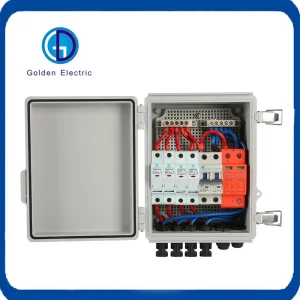
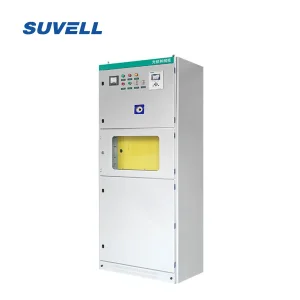
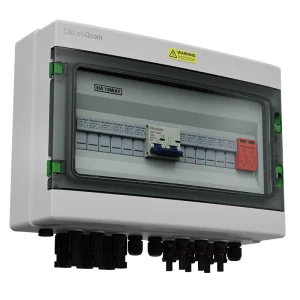
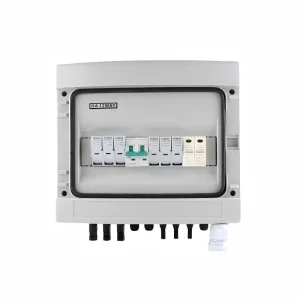
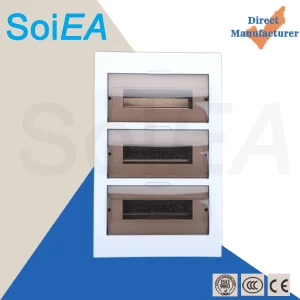
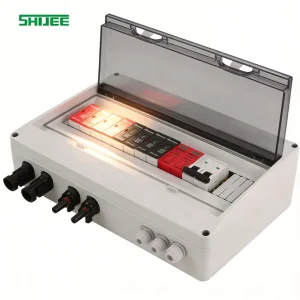
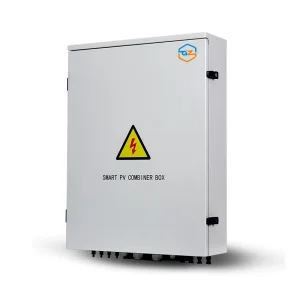
The exponential growth of utility-scale photovoltiac (PV) power systems, combined with decentralized commercial and industrial (C&I) solar arrays, has created a critical engineering challenge: how to manage, combine, and distribute electrical loads with zero compromise on safety, efficiency, or thermal management. At the center of this challenge is the Solar Power Distribution Box (also commonly referred to as the PV combiner box or DC/AC distribution panel).
This comprehensive engineering guide analyzes the structural design criteria, regional material preferences, grid synchronization complexities, and compliance paradigms that global procurement managers and EPC (Engineering, Procurement, and Construction) companies must evaluate when sourcing solar power distribution units from specialized manufacturers.
Information Gain Insight: Modern PV installations are rapidly transitioning from 1000V DC to 1500V DC architectures. This transition reduces system losses and cable costs but introduces extreme requirements for surge protection devices (SPDs), DC fuses, and electrical insulation within solar distribution boxes. Sourcing from a factory with direct component-level integration and custom engineering capabilities is no longer a preference—it is a project safety requirement.
1. The Evolution & Macro Trends of Solar Power Distribution Systems
Early photovoltaic arrays relied on simple junction boxes to route strings back to a centralized inverter. However, the modernization of clean energy networks demands smarter, safer, and more localized grid management. Key technological vectors currently shaping the industry include:
- Integrated Intelligent Monitoring: Traditional distribution boxes act as passive electrical conduits. Next-generation systems feature integrated current sensors, voltage sensors, and temperature transceivers communicating via Modbus RTU or wireless IoT networks. This allows field operators to monitor individual string outputs, predicting underperforming modules or detecting arc faults prior to system shut-down.
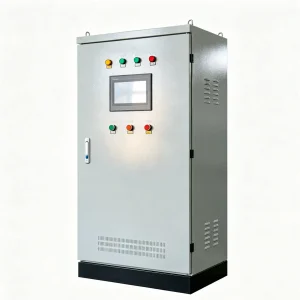
- Thermal Runaway Prevention: As distribution cabinets are deployed in extreme environments—ranging from sub-zero high-altitude alpine regions to hyper-arid desert configurations exceeding ambient temperatures of 50°C—heat dissipation is paramount. Advanced manufacturers integrate breathing valves, heat-sink fins, and customized active cooling configurations to guarantee component lifetimes exceeding 20 years.
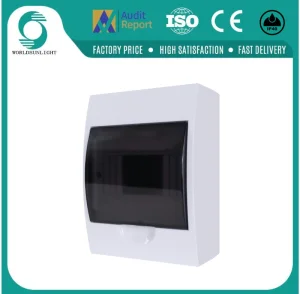
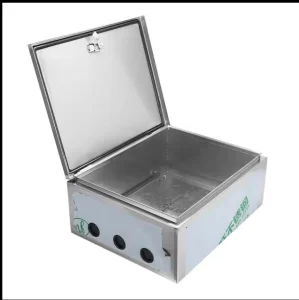
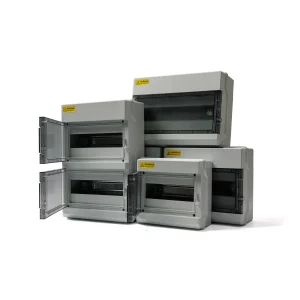
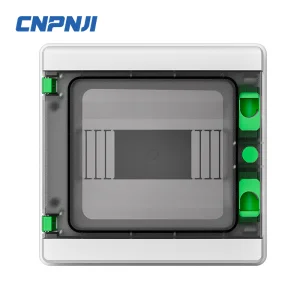
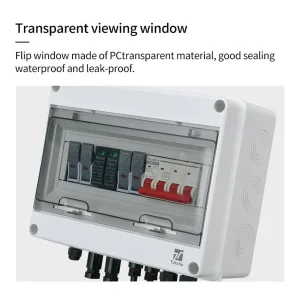
- Rise of Advanced Composite Enclosures: While heavy sheet metal and aluminum enclosures remain standard for industrial and grid-scale cabinets, thermoplastic resins like polycarbonate and high-grade ABS (Acrylonitrile Butadiene Styrene) are dominating C&I applications. These materials offer outstanding UV stability, superior impact resistance (IK08 to IK10), and complete immunity to galvanic corrosion.
2. Global Procurement Demands: What Sourcing Officers Must Screen
For industrial procurement departments looking to secure reliable distribution lines, evaluating a potential manufacturing partner requires scrutiny beyond basic pricing models. Quality assurance must be verified at every link in the supply chain:
- Component Traceability: Ensure the internal switchgear (MCBs, MCCBs, SPDs, and fuses) originates from reputable brands or conforms to verified international certifications. Substandard breakers cause the vast majority of field failures and catastrophic electrical fires.
- Enclosure Durability & Environmental Seals: Protection ratings must conform strictly to IEC 60529. An IP65 or IP66 rating determines the degree of ingress protection against solid dust particles and high-pressure water jets. Double-gasket configurations, liquid-tight cable glands, and high-impact plastic formulations are non-negotiable.
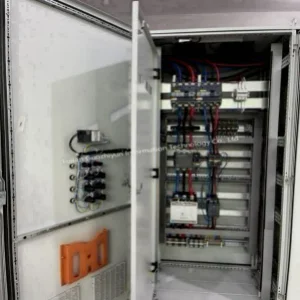
- Customization Capacities (OEM/ODM): Every solar field layout is unique. Suppliers must demonstrate the ability to engineer custom configurations, such as specific string inputs (e.g., 4-in-1-out, 8-in-1-out, or customized multi-phase output boards) and unique knockout configurations to expedite on-site mechanical installation.