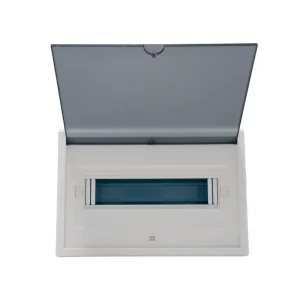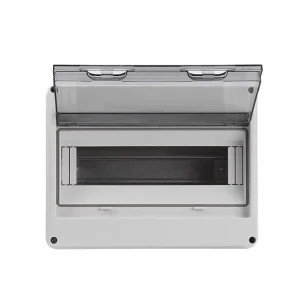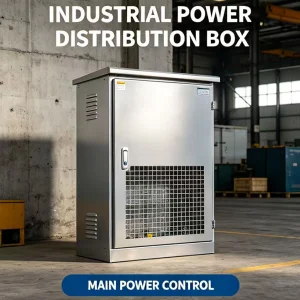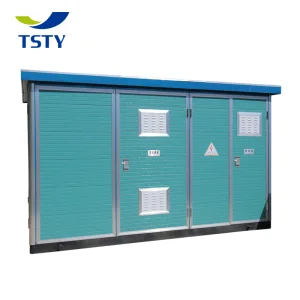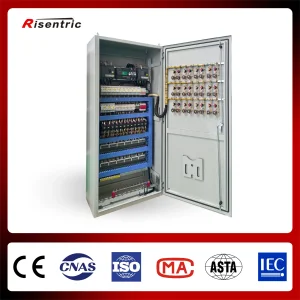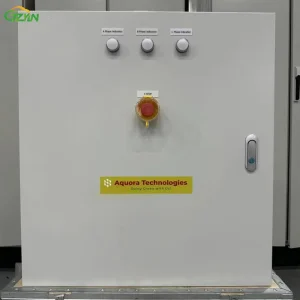
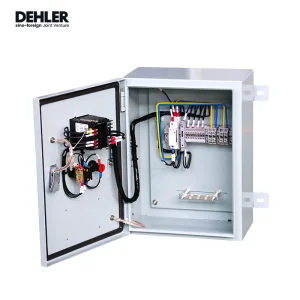
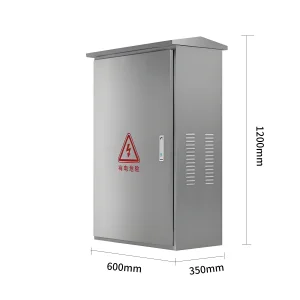
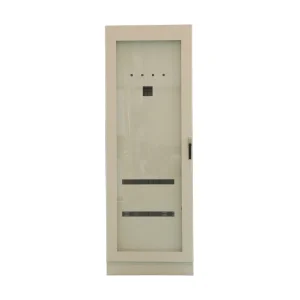
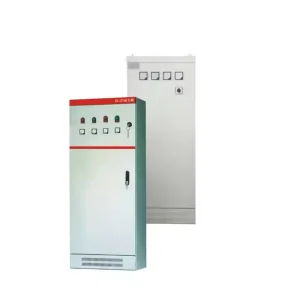
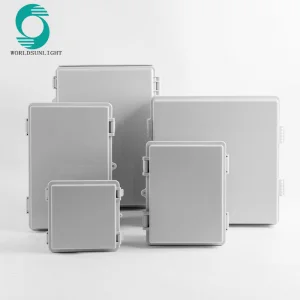
Low Voltage Power Distribution Box Manufacturer & Factories

Decentralized Energy Nodes, Intelligent Power Architectures, and Professional OEM/ODM Manufacturing Capabilities for Global Industrial & Infrastructure Ecosystems

Global Market Overview: The Evolution of Low Voltage Power Distribution Enclosures

In the current era of rapid electrification, grid modernization, and digitalization, the role of low-voltage (LV) power distribution boxes has shifted from simple passive sheet-metal housings to active nodes in intelligent electrical systems. Valued for their safety, modular flexibility, and technological integrations, these units form the foundation of electrical safety and operational efficiency in industrial, commercial, and utility sectors worldwide.

The global low voltage distribution box market is witnessing strong growth driven by several major macro-economic and engineering factors. According to research, the transition towards smart grid technologies, the integration of distributed solar photovoltaic (PV) generation, and the rapid deployment of electric vehicle (EV) charging infrastructures are pushing the demands for highly customized, high IP-rated, and intelligent distribution solutions. Manufacturers must now balance strict international compliance standards (such as IEC 61439-1/2, UL 508A, and NEMA guidelines) with cost efficiency and long-term durability under extreme environment stresses.

Information Gain Insight: The modern distribution board is no longer merely a shell containing circuit breakers. The inclusion of industrial internet of things (IIoT) sensors, smart thermal management elements, and advanced over-current protection mechanisms marks the rise of the "Smart Panel." Organizations adopting these advanced systems can cut unplanned downtime by up to 30% through predictive maintenance telemetry and condition-based monitoring.

Key Manufacturing Drivers & Industrial Demands

Across Europe, North America, and high-growth zones in the Asia-Pacific region, electrical infrastructure upgrades are prioritizing safety, modular scalability, and swift installations. Industrial distribution systems require robust cabinets capable of managing high fault current capacities (e.g., up to 100kA or more in main switchboards and sub-distribution units). In residential and light commercial projects, space-saving designs, quick DIN-rail component integration, and clean aesthetics dominate procurement requirements.

  • Renewable Energy Integration: Photovoltaic (PV) plants require UV-stabilized, IP65/IP66 rated outdoor combiner and distribution cabinets to withstand wind, rain, and solar radiation while safeguarding critical DC-to-AC inverters.
  • Commercial & Data Center Scaling: The expansion of hyperscale datacenters demands custom-engineered power distribution cabinets (PDCs) with high busbar capacities, smart metering, and transient surge protections to ensure high uptime.
  • Heavy Industry and Infrastructure: Transit hubs, airports, and chemical processing complexes necessitate corrosive-resistant metal configurations (using marine-grade stainless steel or hot-dip galvanized panels) featuring physical partition layouts to minimize risk of arc flashes.

Hangzhou SN Electrical Co., Ltd. - Manufacturing Excellence & Capabilities

2011
Established Year
18,000㎡
Facility Area
250+
Skilled Workforce
Global
Export Network

Established in 2011, Hangzhou SN Electrical Co., Ltd. is a professional power distribution box manufacturer specializing in low-voltage electrical distribution systems, industrial power management equipment, and smart electrical solutions. Located in Hangzhou, Zhejiang Province, China, the company benefits from a strong industrial ecosystem and convenient international transportation networks.

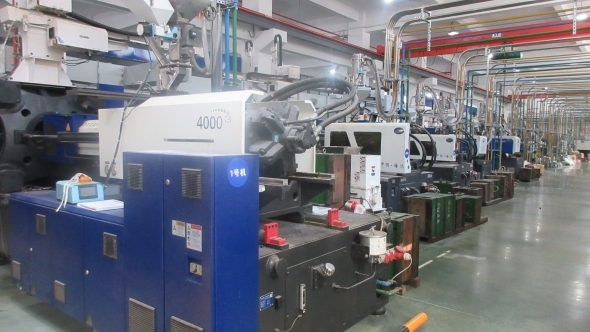
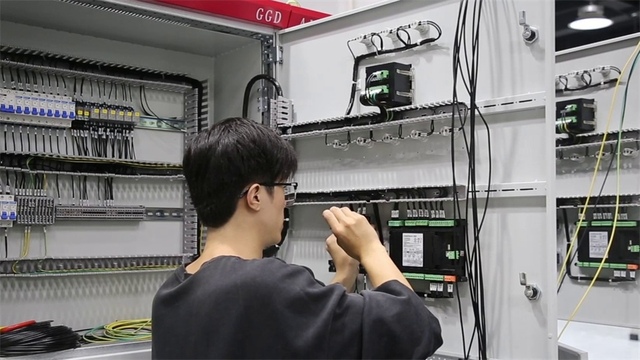
With a manufacturing facility covering over 18,000 square meters and a workforce of more than 250 employees, SN Electrical integrates product design, sheet metal fabrication, assembly, testing, and quality control into a comprehensive production system. The company operates advanced manufacturing equipment and rigorous inspection procedures to ensure product reliability, safety, and compliance with international electrical standards.

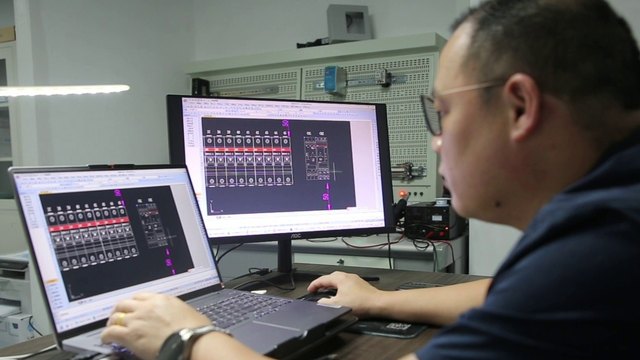
SN Electrical offers a wide range of electrical distribution products, including low-voltage power distribution boxes, industrial distribution panels, electrical enclosures, meter boxes, control cabinets, waterproof distribution boxes, outdoor electrical cabinets, and customized power management systems. The company continuously invests in product innovation, intelligent monitoring technologies, and energy-efficient electrical solutions to meet the evolving requirements of industrial, commercial, infrastructure, renewable energy, and utility projects.

As an experienced OEM and ODM partner, SN Electrical provides customized engineering services, enclosure design, component integration, private labeling, and project-based manufacturing solutions for customers worldwide. Its products are exported to Europe, North America, South America, Southeast Asia, the Middle East, and Africa.

Technical Roadmap: Material Selection and Enclosure Science

A key challenge for electrical design engineers is choosing the right material composition and protection rating for low voltage boxes. Depending on the environment (dust, chemicals, moisture, high salinity, mechanical impacts), the selection of material will dictate the operational lifespan and safety level of the internal switchgear components.

Thermoplastics (ABS / PC)

Ideal for lightweight, high impact-resistance applications. Non-conductive, self-extinguishing, and intrinsically corrosion-proof. Best suited for smaller modular enclosures, outdoor terminal connections, and waterproof junction boxes in wet conditions.

Cold-Rolled Carbon Steel

Standard choice for indoor cabinets (like JXF and XL-21 systems). Offers strong mechanical protection and structured flexibility. Coated with thermosetting epoxy-polyester powder coating for high protection against scratches and mild chemicals.

Stainless Steel (304 / 316L)

The premium solution for extreme harsh environments, coastal areas, marine setups, and food processing plants. Highly resistant to chemical washdowns and atmospheric corrosion, ensuring optimal heat dissipation and grounding paths.

Understanding International Ingress Protection (IP) & NEMA Ratings

Ensuring an enclosure has the correct IP rating prevents early deterioration of electrical components and keeps operators safe. Let's break down the primary ratings used in industrial procurement:
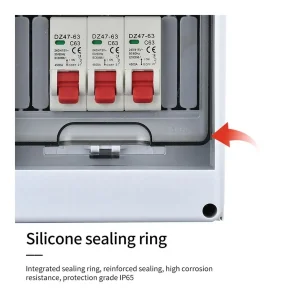
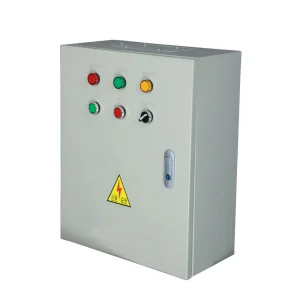
  • IP30: Designed primarily for indoor sub-distribution systems where moisture protection is not required. Offers protection against solid objects larger than 2.5mm (e.g. tools, thick wires).
  • IP54: Standard for indoor industrial environments. Provides resistance to dust ingress (no harmful deposits) and protection against splashing water from any direction.
  • IP65: Complete protection against dust ingress and low-pressure water jets from any direction. Suitable for outdoor wall-mounted distribution boards.
  • IP66: Dust-tight housing capable of protecting internal components against high-pressure water jets or heavy seas. Excellent for highly exposed environments like marine ports or agricultural washdown stations.

Technological Integration & Future Outlook of Low-Voltage Distribution

The future of low voltage power distribution points to higher intelligence and automation. The integration of electronic trip units, microprocessor control panels, and cloud-linked telemetry allows engineers to monitor systems remotely. The focus has moved from reacting to power surges or thermal failures to avoiding them completely through predictive data analytics.

Key Evolution Trend: The Transition to Active Power Nodes

Traditionally, finding a fault in a branch circuit required sending a maintenance crew to inspect the physical panel. Today, modern microprocessors and bus communication systems (like Modbus, Profibus, or Ethernet/IP) integrated into low-voltage cabinets transmit diagnostics instantly. Operators can track current loads, temperature levels, voltage drops, and harmonic distortions, preventing equipment damage and improving facility safety.

Future Focus Areas for Engineering Teams

  • Smart Metering & Sub-metering: With carbon-neutral targets and energy cost spikes, industries are tracking consumption per load. Integrated energy meters inside the distribution boards provide clean data profiles directly to Building Management Systems (BMS).
  • Thermal Diagnostics via IoT: Continuous temperature monitoring on busbar connections helps identify loose joints early. Built-in thermal cameras or non-contact infrared sensors inside cabinets can trigger alarms before an arc flash risk develops.
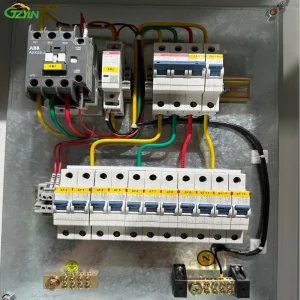
  • Modular Panel Assembly (DIN-Rail Standards): Moving towards standardized, modular designs simplifies maintenance. Din-rail formats allow faster swap-outs of MCBs, MCCBs, and Surge Protective Devices (SPDs), minimizing down-times during repair cycles.

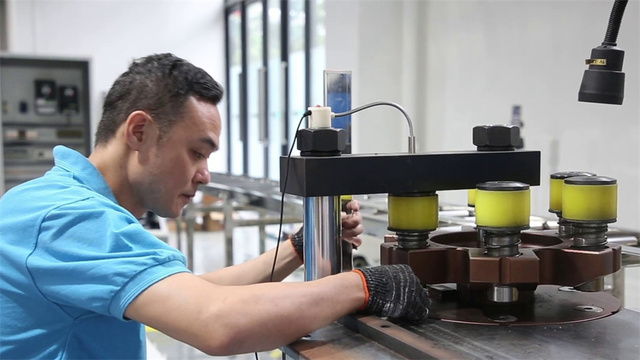
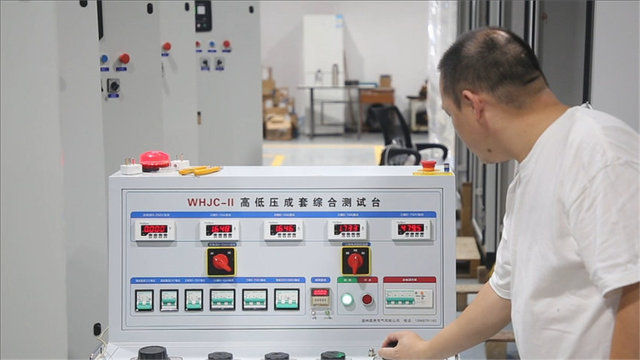
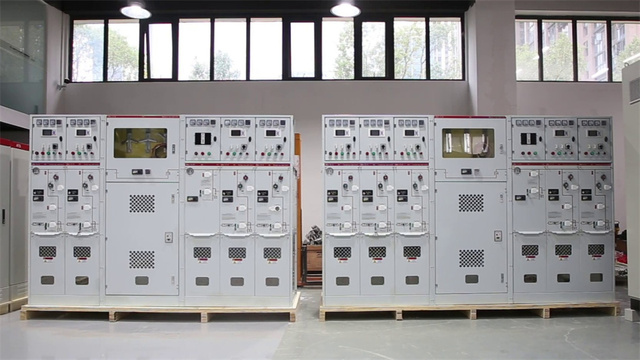
Hangzhou SN Electrical Factory Gallery & Facility Operations

Industrial Q&A: Low-Voltage Power Distribution Systems FAQ

Q1: What are the key differences between ABS and Stainless Steel distribution boxes in outdoor setups?
ABS (Acrylonitrile Butadiene Styrene) enclosures are lightweight, cost-effective, non-conductive, and immune to chemical corrosion, making them excellent for small to medium-sized junction units. Stainless Steel (grade 304 or 316L) is designed for heavier, high-impact industrial environments, providing superior structural durability, EMI shielding, and better protection in high-salinity marine or chemical zones.
Q2: How does temperature affect electrical component performance inside an sealed enclosure?
Sealed cabinets generate internal heat due to current resistance in busbars, circuit breakers, and transformers. If internal temperatures rise above 40°C, the rating of circuit breakers drops (thermal de-rating), increasing the chance of nuisance tripping. Using calculated ventilation louvers, heat sinks, or active thermoelectric coolers is vital to keeping temperatures within safe operating limits.
Q3: Why is IEC 61439-1/2 compliance critical for low-voltage switchgear assemblies?
IEC 61439-1/2 is the international standard governing low-voltage switchgear and control assemblies. It defines strict design verification guidelines for temperature rise limits, dielectric properties, short-circuit withstand strength, mechanical operation, and IP-rating validity, guaranteeing maximum safety for operators and long-term system reliability.
Q4: What customization services do OEM/ODM partners like SN Electrical provide?
OEM/ODM customization includes custom sizing of sheet metal frames, custom knockouts for cable glands, internal layout optimization (such as mounting plate layout, DIN-rail setups, busbar spacing), specific ingress protection ratings, component selection from premium global brands, special powder coating colors, and private labeling for commercial products.
Q5: How does the integration of surge protective devices (SPDs) protect low voltage distribution boards?
Surge Protective Devices (SPDs) are integrated to shunt transient overvoltages (caused by lighting strikes or utility grid switching) safely to ground. This limits the residual voltage from reaching and damaging sensitive downstream electronic equipment, control PLCs, and microprocessors housed within the distribution network.
All Low Voltage Power Distribution Box Products