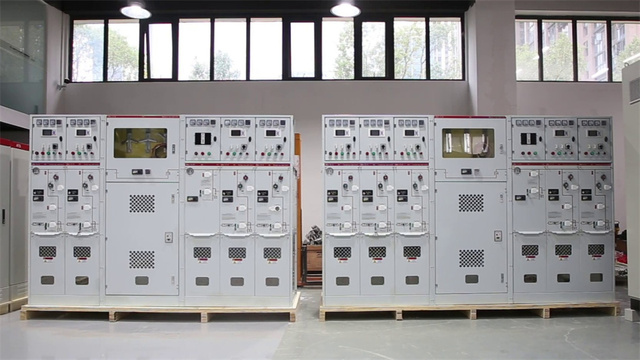
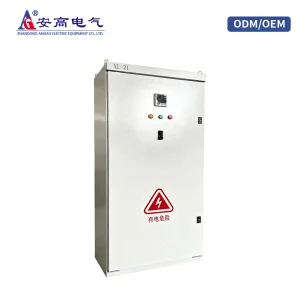
In modern industrial, utility, and municipal electrical networks, the floor-standing distribution box represents the critical backbone of safe and efficient power management systems. Unlike small wall-mounted panels, floor-standing cabinets are engineered to house larger electrical switchgears, contactors, protection devices, and primary busbar assemblies. These robust configurations act as central neural hubs, safely stepping down, directing, and protecting electrical circuits in heavy-duty commercial and industrial environments.
As the energy transition accelerates globally—with massive integrations of photovoltaic energy, electrical vehicle charging infrastructures, and intelligent automation systems—the demand for high-reliability low-voltage electrical distribution boxes has scaled exponentially. Selecting the correct cabinet specification, material grade, and ventilation design is no longer just a structural consideration; it is a vital metric of overall grid uptime and asset life-cycle management.
Industrial power distribution requires systems tailored specifically to operational stressors. Standard off-the-shelf cabinets often fail to meet the rigorous demands of harsh sectors. Specialized floor-standing cabinets, therefore, require architectural adjustments depending on their primary application fields.
From solar photovoltaic combiner boxes to heavy-duty wind turbine junction panels, floor-standing cabinets manage fluctuating DC/AC power inputs. Our cabinets incorporate specialized heat dissipation structures and IP65/IP66 ingress ratings to prevent thermal runaway and protect delicate solar converters.
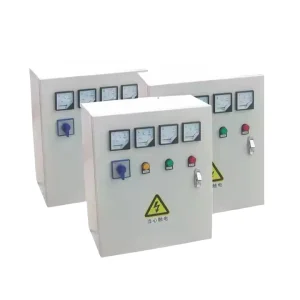
For modern manufacturing lines requiring motor control centers (MCC) and PLC control integration, floor-standing boxes provide the structural stability to support high mechanical weights. Heavy-gauge galvanized steel and structural ribbing reduce harmonic vibration.
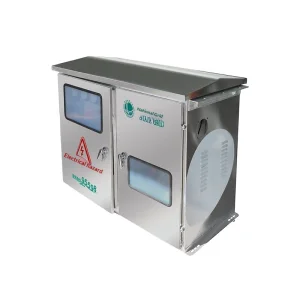
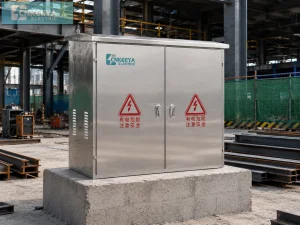
Smart cities require continuous outdoor power. Our distribution systems are heavily integrated with reactive power compensation modules (JP Cabinets), EV metering boards, and rainproof single or double-door structural builds that ensure uninterrupted service in urban settings.
In global B2B procurement, compliance with electrical codes is non-negotiable. Distribution boards must comply with regionally enforced standards. Primarily, manufacturers focus on the IEC 61439-1 & 2 standards (globally accepted, specifically across Europe, the Middle East, and Asia) and NEMA / UL standards (dominant in North American markets).
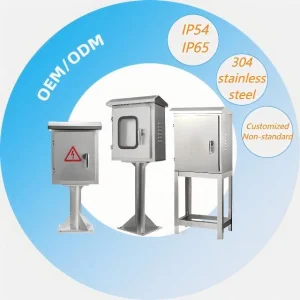
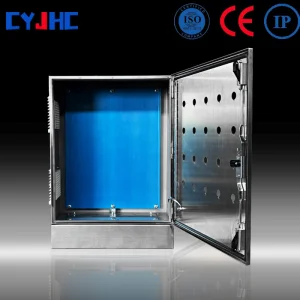
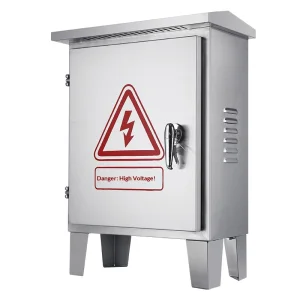
Furthermore, material selections must fit the chemical and humidity profiles of the target deployment region. While indoor installations often utilize cold-rolled steel panels coated with protective epoxy powder paints, outdoor installations demand premium materials like SUS304 or SUS316 marine-grade stainless steel. Our production facility processes stainless steel sheets with precision brushing, forming enclosures that withstand decades of exposure to salt fog, acidic rains, and intense solar radiation without compromising internal components.
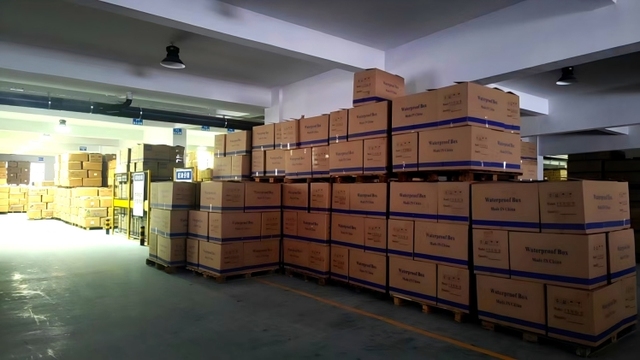
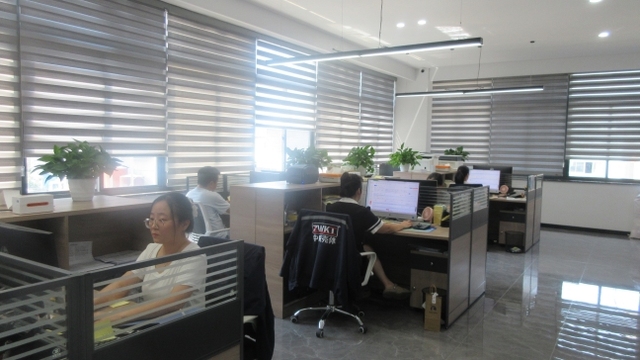
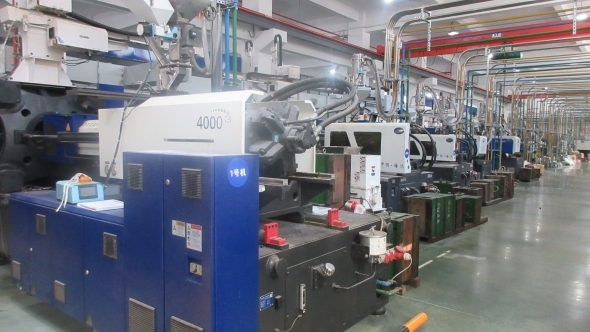
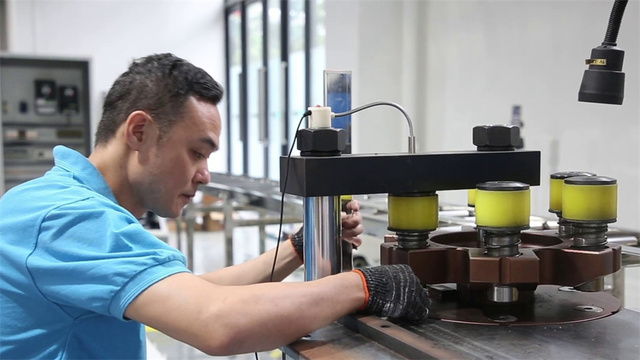
Hangzhou SN Electrical Co., Ltd. controls the complete supply chain in-house. Covering over 18,000 square meters in Zhejiang, China, our factory utilizes automated machinery including CNC laser cutters, high-speed turret punch presses, and robotic bending stations. This tooling guarantees sheet metal dimension tolerances to within fractions of a millimeter, ensuring parts fit perfectly during modular panel expansions.
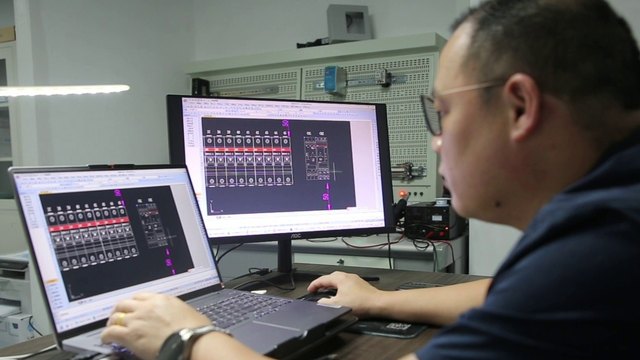
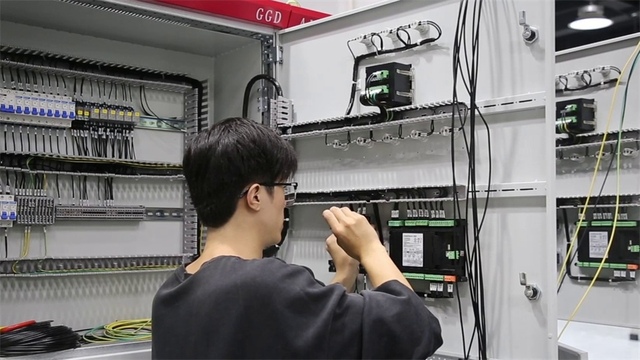
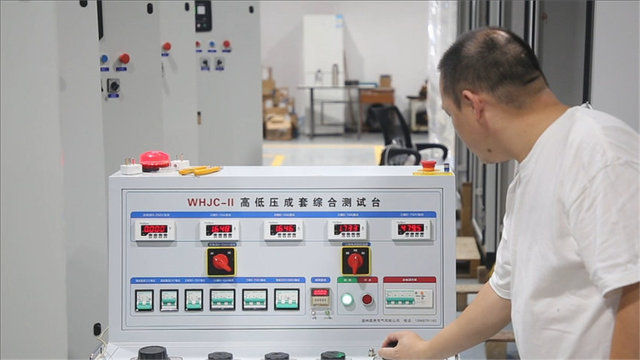
Every step—from initial design verification through 3D CAD modeling, to sheet cutting, robotic welding, electrostatic powder spraying, assembly, internal copper busbar installation, and low-voltage electrical testing—is governed by strict quality management systems (ISO 9001, CE, and China Compulsory Certification).
A true indicator of electrical engineering quality is the performance of floor-standing distribution enclosures under real-world localized challenges. Let's analyze four common installation topologies:
Salty coastal air corrodes carbon steels within months. We engineer custom brushed SS304/SS316 floor cabinets with specialized ventilation louvers angled downward to block salty moisture, preventing inside condensation and busbar oxidation.
Located in high-density urban environments, power distribution units require tamper-proof properties. Our single and double door models include three-point lock mechanisms and hidden hinges to deter unauthorized physical access.
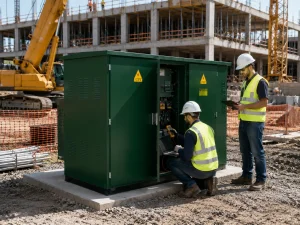
Exposed to severe dust, mechanical impacts, and heavy machinery, temporary setups require high IP ratings and mobility features. We build portable floor distribution boxes with heavy-duty crane lifting eyes and shock-absorbent frames.
Under heavy loads, internal heat increases dramatically. Combined with intense solar radiation, internal temperatures can exceed safety guidelines. Our double-walled structures with natural and forced air ventilation maintain safe interior microclimates.
The next decade of electrical distribution is focused on integration and digitization. Floor-standing distribution boards are evolving from passive metal structures into intelligent, self-monitoring nodes within the Smart Grid. Standard low-voltage cabinets are increasingly equipped with edge-computing devices, digital smart meters, and solid-state protection relays.
Furthermore, sustainability guidelines dictate that manufacturing companies reduce their carbon footprint. At Hangzhou SN Electrical Co., Ltd., we are investing in eco-friendly paint formulations, optimizing sheet metal nesting algorithms to minimize steel scrap, and collaborating with green energy providers to transition our manufacturing facility toward a low-carbon footprint operation.
 SN Electrical