Direct access to certified commercial distribution panels, smart photovoltaic combiner systems, and waterproof industrial socket boxes engineered for hazardous environment safety.
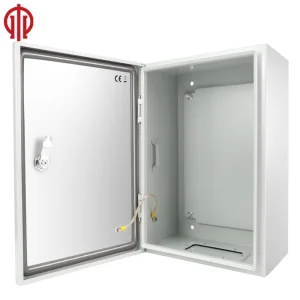
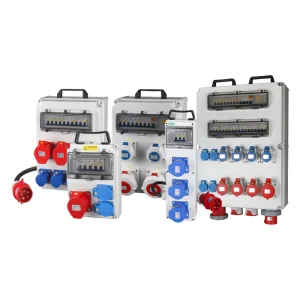
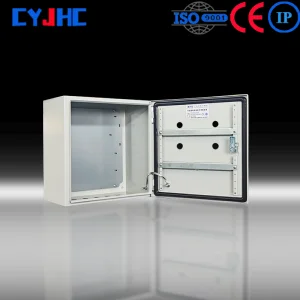
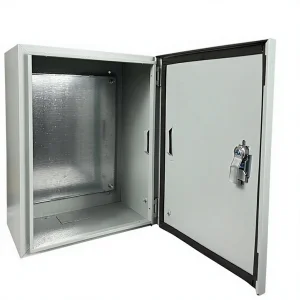
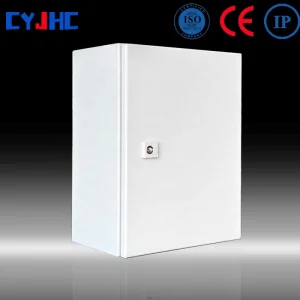
The global infrastructure paradigm is undergoing a historic shift toward electrification, smart grids, and localized renewable generation. In this matrix, the Commercial Distribution Box (also recognized as sub-distribution panels, electrical cabinets, and breaker boards) operates as the critical point of control. It is no longer just a passive sheet-metal enclosure containing thermal breakers; it has evolved into a smart terminal interface managing complex harmonics, active current faults, and high-voltage DC arrays.
Rapid deployment of industrial automation, mission-critical data centers, and decentralised solar installations demands custom power distribution enclosures that provide uninterrupted power flow, strict transient voltage surge protection, and high protection against environmental hazards.
Furthermore, as sustainability directives dictate manufacturing guidelines worldwide, electrical contractors require enclosures that balance durability, recyclability, and footprint. From the severe cold of Nordic infrastructure to high-ambient utility arrays in the Middle East, structural integrity and heat dissipation calculations are paramount. Navigating these requirements dictates a sophisticated approach to raw material selection, internal thermodynamic engineering, and rigorous compliance validation.
Customized electrical enclosure systems engineered specifically to withstand target vertical demands.
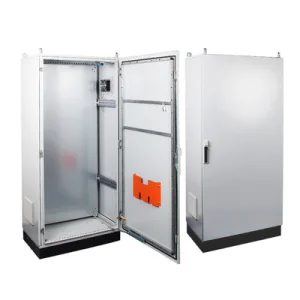
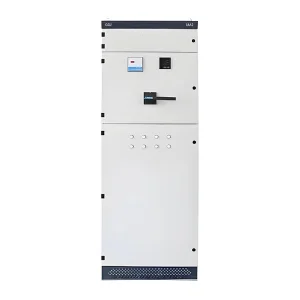
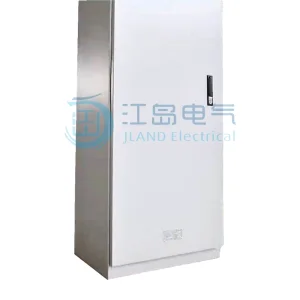
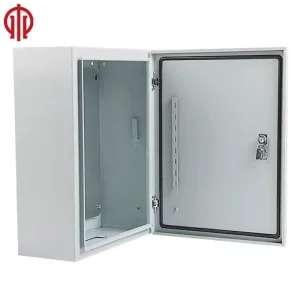
Industrial processing environments subject enclosures to dynamic vibrations, airborne particulates, and corrosive chemical agents. Our solutions utilize heavy-gauge cold-rolled or 316L stainless steel enclosures combined with advanced polyurethane sealing gaskets to deliver IP66/IP67 ingress ratings. Integrated lock options and customizable internal bus structures easily support complex motor control systems.
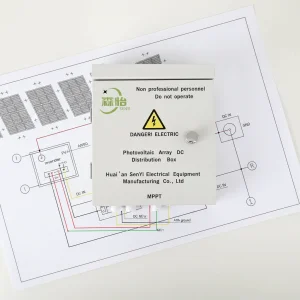
High-voltage solar PV installations require DC combiner boxes with high-integrity isolation. Our custom photovoltaic distribution systems incorporate high-amperage DC disconnect switches, built-in Surge Protective Devices (SPDs), and customized MPPT configurations. Operating reliably up to 1500V DC, these enclosures guarantee safe power aggregation in utility-scale solar arrays.
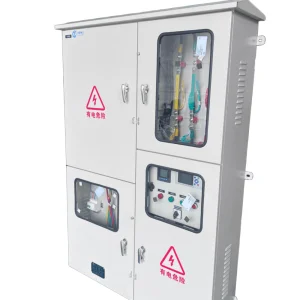
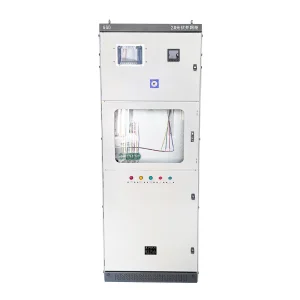
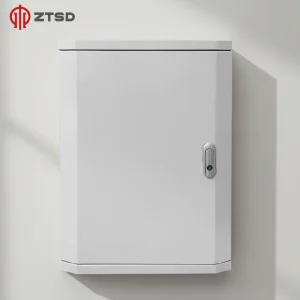
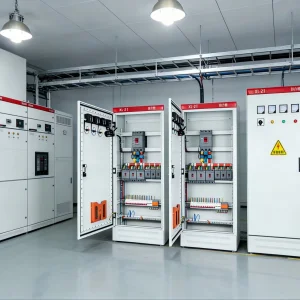
For commercial spaces and modern architectural structures, space utilization, system aesthetics, and user accessibility are major considerations. We offer wall-mounted 3-phase 5-wire low voltage distribution systems designed for integration into standard utility recesses, reducing footprints while ensuring rapid diagnostic access for field engineers.
Selecting the optimal structural substrate determines the lifetime performance and safety margin of any commercial distribution board. Enclosure manufacturers must evaluate mechanical impacts, environment-driven corrosion, thermal dissipation rates, and weight constraints.
Thermal management within distribution panels prevents premature component aging and catastrophic failure. As active electronics (meters, controllers, communication gateways) are integrated, thermal design becomes critical.
Our structures utilize computational fluid dynamics (CFD) modeling to guide ventilation louver design and fan placement. For dust-heavy or high-moisture sites, IP65/IP66 enclosures deploy closed-loop thermodynamic control options, isolating internal electronics from external contamination while using heat-conductive materials to dissipate energy safely.
Ensuring that low-voltage systems adapt to diverse jurisdictional regulations and site constraints.
Global distribution hardware must comply with differing regional testing standards and safety codes. A configuration certified under the European IEC 61439-1/2 standard requires structural modifications to align with North American UL 508A protocols or China's GB standards. As an experienced international partner, we analyze customer drawings to ensure phase separation distances, terminal clearances, and ground configurations conform to regional codes.
Furthermore, local technical support reduces operational downtime. We offer comprehensive engineering support, providing detailed CAD/3D step files, wiring schematics, and component layouts prior to production. For volume purchases or custom project layouts, our regional engineers assist in optimizing neutral-to-earth bonding structures and selecting surge protection devices matching local grid topologies.
Hangzhou SN Electrical Co., Ltd. is a professional power distribution box manufacturer specializing in low-voltage electrical distribution systems, industrial power management equipment, and smart electrical solutions. Established in 2011, the company is located in Hangzhou, Zhejiang Province, China, benefiting from a strong industrial ecosystem and convenient international transportation networks.
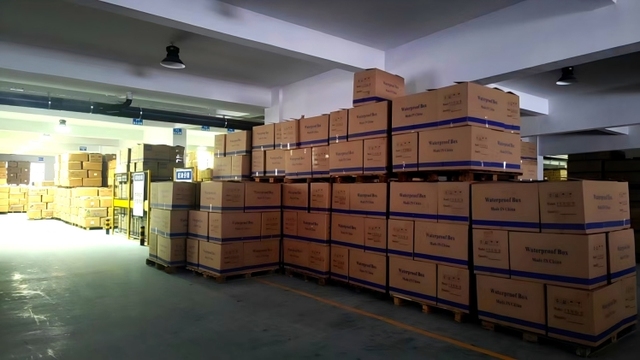
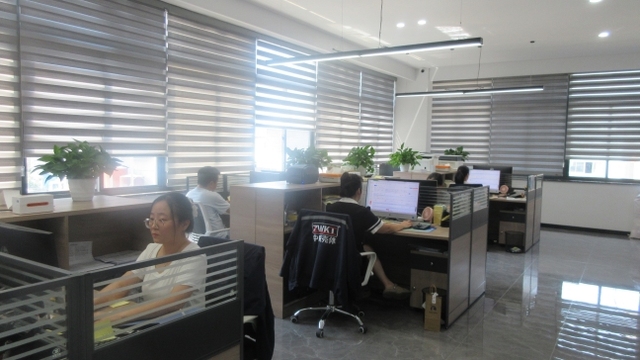
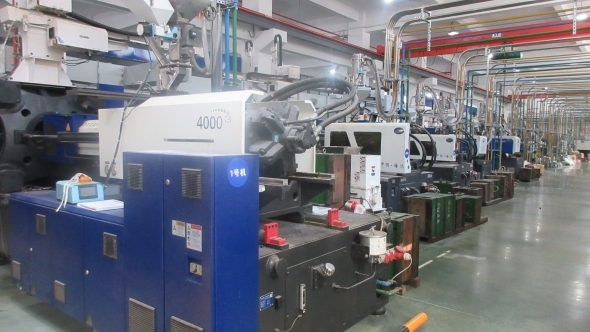
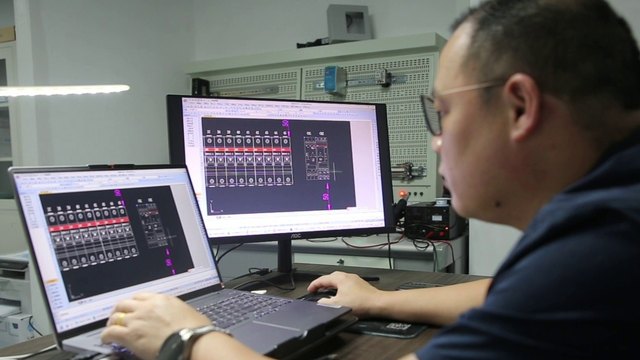
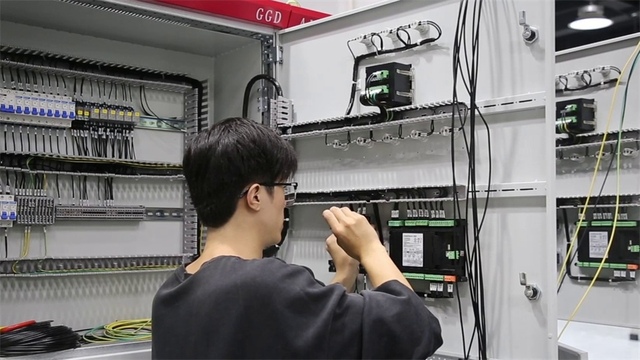
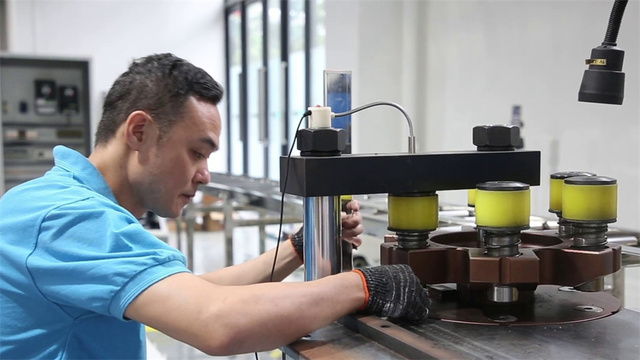
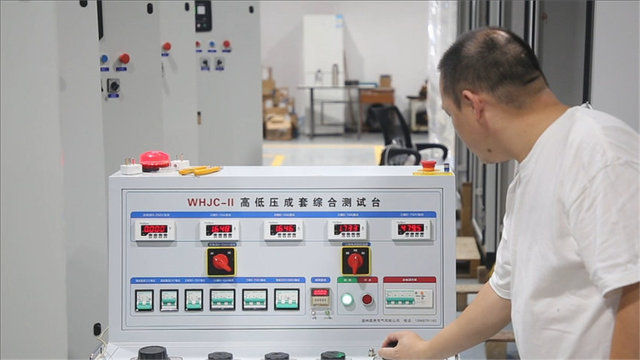
With a manufacturing facility covering over 18,000 square meters and a workforce of more than 250 employees, SN Electrical integrates product design, sheet metal fabrication, assembly, testing, and quality control into a comprehensive production system. The company operates advanced manufacturing equipment and rigorous inspection procedures to ensure product reliability, safety, and compliance with international electrical standards.
SN Electrical offers a wide range of electrical distribution products, including low-voltage power distribution boxes, industrial distribution panels, electrical enclosures, meter boxes, control cabinets, waterproof distribution boxes, outdoor electrical cabinets, and customized power management systems. The company continuously invests in product innovation, intelligent monitoring technologies, and energy-efficient electrical solutions to meet the evolving requirements of industrial, commercial, infrastructure, renewable energy, and utility projects.
As an experienced OEM and ODM partner, SN Electrical provides customized engineering services, enclosure design, component integration, private labeling, and project-based manufacturing solutions for customers worldwide. Its products are exported to Europe, North America, South America, Southeast Asia, the Middle East, and Africa. Committed to quality, innovation, and customer satisfaction, Hangzhou SN Electrical Co., Ltd. focuses on delivering dependable power distribution solutions that enhance electrical safety, operational efficiency, and long-term system performance. Through continuous technological development and manufacturing excellence, the company supports customers in building reliable and efficient electrical infrastructure across global markets.
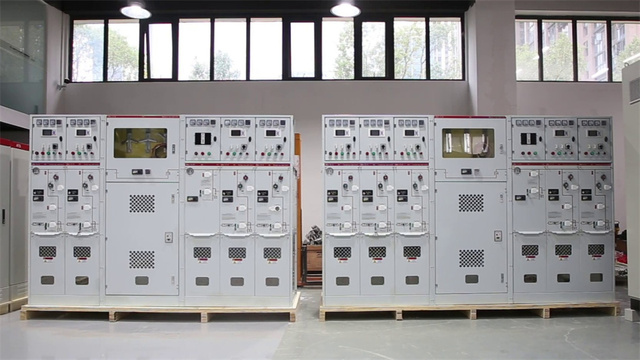
A projection of key technology integrations shaping power distribution systems over the next decade.
Integration of dynamic digital meters and temperature sensors within basic distribution layouts. Active measurement of localized current leakage, phase imbalance, and high resistance connection detection, providing real-time data to supervisory control networks (SCADA).
Transition from electro-mechanical micro breakers to solid-state isolation circuits. Providing microsecond fault isolation, reducing arc-flash hazard levels in high-density commercial hubs, and facilitating automated load shedding algorithms.
Introduction of intelligent cooling loops integrated with graphene thermal interfaces. Predictive analytics engines process telemetry to notify local teams prior to phase failure, realizing autonomous reliability targets.
Addressing critical design questions regarding low-voltage distribution configurations and localized standard compliance.
A 3-Phase 3-Wire system (typically Delta configured) carries three phase conductors but excludes a dedicated neutral line. It is primarily deployed in balanced industrial motor applications. A 3-Phase 5-Wire system (typically Star/Wye configured) includes three phase lines, a dedicated neutral, and a protective earth line. This setup is mandatory in commercial environments to securely operate unbalanced single-phase loads (e.g., lighting, computing hardware) while protecting against earth fault currents.
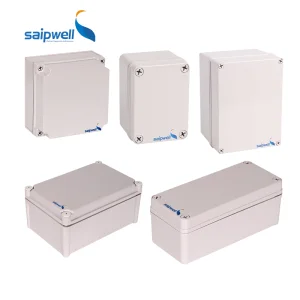
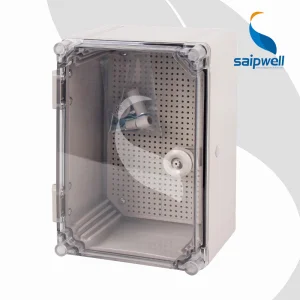
Polycarbonate/ABS enclosures are chosen for lightweight, corrosion-proof, and RF-transparent characteristics, ideal for wireless terminal interfaces or highly acidic sites. However, they lack the high mechanical strength and thermal conductive properties of metals. Stainless steel (SS304/SS316) is preferred for high mechanical impact risks (IK10), extreme thermal loads requiring surface heat dissipation, and strict fire rating compliances.
An IP65 enclosure guarantees protection against dust ingress and low-pressure water jets from any direction. An IP67 enclosure offers the same dust resistance while ensuring protection against temporary immersion in water (up to 1 meter depth for 30 minutes). For portable sockets or washdown food processing floors, IP67 configurations prevent moisture ingress during intense operation.
Solar DC combiners must include high-voltage DC fuses on each string, surge protection devices (SPDs) to mitigate lightning-induced transients, and specialized DC disconnect switches to ensure maintenance personnel can safely isolate up to 1500V arrays. MPPT-configured systems also require integrated thermal monitoring to prevent overheating inside sealed enclosures.
Explore our full engineering portfolio, ranging from custom metal low-voltage cabinets to high-durability outdoor-rated control enclosures.
 SN Electrical