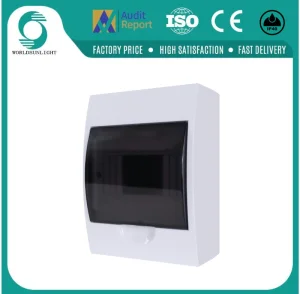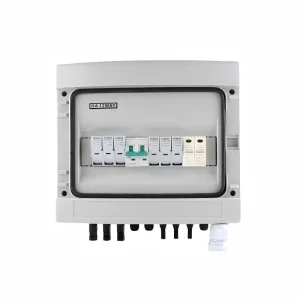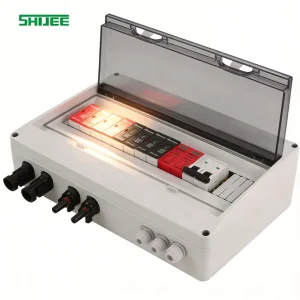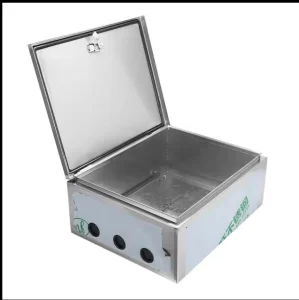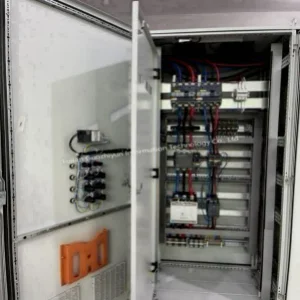
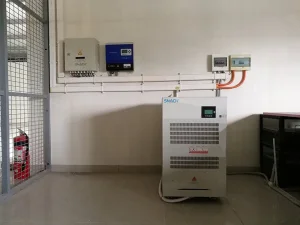
Panama's strategic role as the logistics hub of the Americas is matching its aggressive drive toward renewable energy transition. Driven by the National Energy Plan (Plan Energético Nacional 2015-2050) and initiatives regulated by the National Authority of Public Services (ASEP), Panama is experiencing rapid expansion in Utility-Scale Solar PV developments, Commercial & Industrial (C&I) rooftop solar, and critical island microgrids. Large logistics operations in the Colon Free Zone, port terminals at both entrances of the Panama Canal, and agricultural hubs in Chiriquí are shifting heavily to solar power generation to offset high grid tariffs and enhance corporate carbon accounting.
However, Panama's unique tropical rainforest climate presents severe challenges to solar electrical balance of system (BOS) equipment. With mean annual temperatures exceeding 30°C, relative humidity levels hovering above 90% for nine months of the year, intense UV exposure, and heavy, prolonged tropical rains (averaging 3,000 mm annually), standard electrical junction boxes rapidly degrade. In addition, the close proximity of coastal and canal-zone solar farms to maritime air introduces elevated chloride levels (sea-salt aerosols). This atmosphere rapidly accelerates the galvanic corrosion of unprotected copper terminals, steel enclosures, and terminal connections.
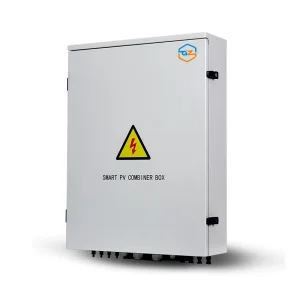
"For engineering firms, developers, and EPC contractors in Central America, purchasing low-quality electrical enclosures and combiner boxes is the single greatest point of system failure. A single failure in a DC combiner box from moisture ingress or surge breakdown can disrupt string generation, damage central inverters, and degrade the project’s internal rate of return (IRR)."
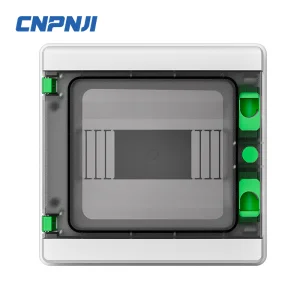
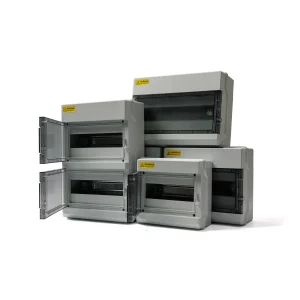
Modern distribution warehouses and cold-storage facilities in these areas host extensive rooftop PV arrays. These projects require multi-string, high-amperage combiner cabinets. These boxes must feature robust heat dissipation characteristics because roof temperatures frequently exceed 60°C. Heavy-duty metal PV cabinets or UV-stabilized polycarbonate combiner enclosures must be deployed to avoid accelerated thermal cracking, seal degradation, and internal component fatigue.
Distributed microgrids on Panama’s islands rely on solar arrays paired with battery energy storage systems (BESS). These installations are directly exposed to aggressive marine environments. Solar distribution systems installed in these regions must meet rigorous ISO 9227 salt spray resistance standards, utilizing specialized thermoplastics or marine-grade aluminum housing with IP66 or IP67 ratings to isolate electrical terminations from salt fog ingress.
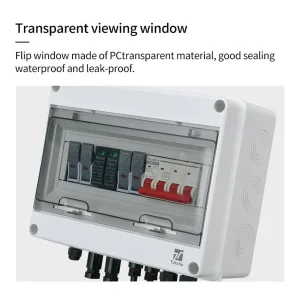
Large-scale solar parks connecting to the ETESA transmission grid require reliable grid-tied solar distribution boxes capable of multiplexing dozens of strings. System uptime is vital; hence, the DC and AC distribution systems must integrate advanced surge protective devices (SPD) to withstand the region's high lightning stroke frequency (keraunic level), preventing overvoltage damage to expensive utility-scale inverters.
To survive the local environment in Panama, the electrical architecture of a PV combiner box or AC/DC distribution board must incorporate specific design measures:
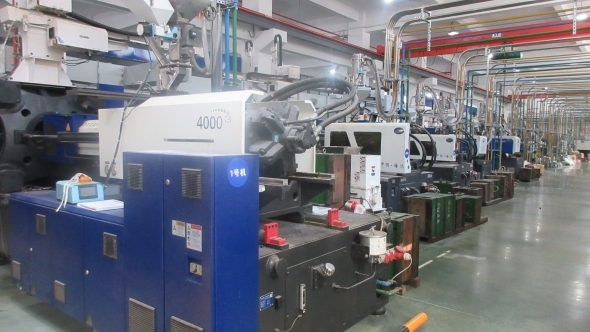
As a leading designer and exporter of power distribution systems, Hangzhou SN Electrical Co., Ltd. (established in 2011) has built an integrated production system capable of delivering highly customized, robust solutions for Latin American clients. Centered in Hangzhou, Zhejiang Province, our facilities benefit from advanced regional supply chains and robust logistics connections directly to the ports of Ningbo and Shanghai. This enables prompt maritime transport to Panama’s major shipping hubs like Balboa and Cristobal.
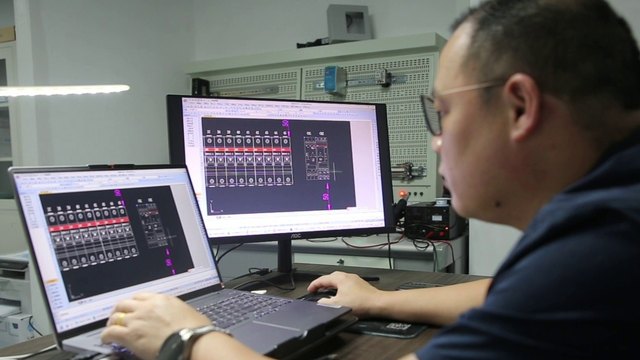
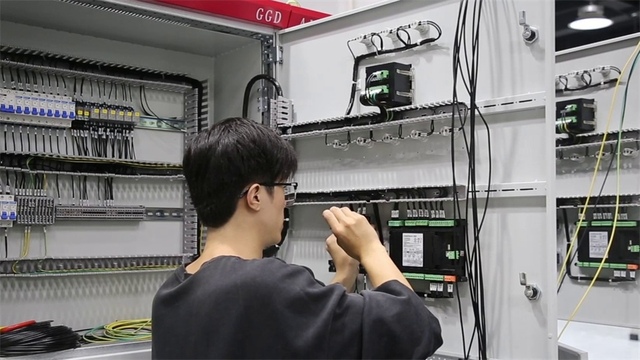
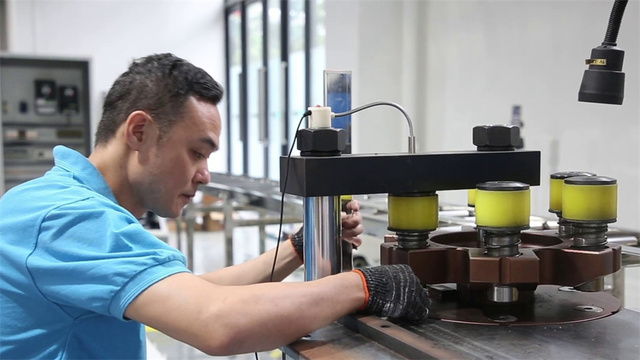
Our manufacturing capacity is optimized to handle both high-volume standardized production and bespoke engineering orders:
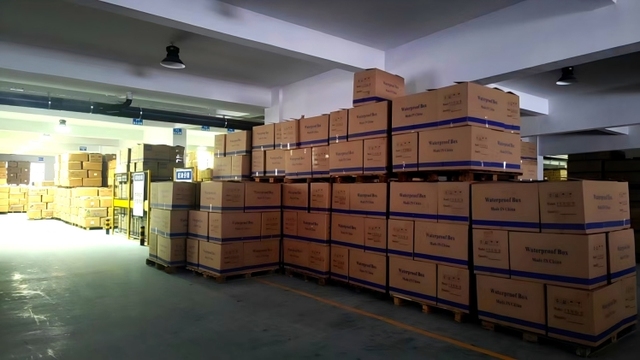
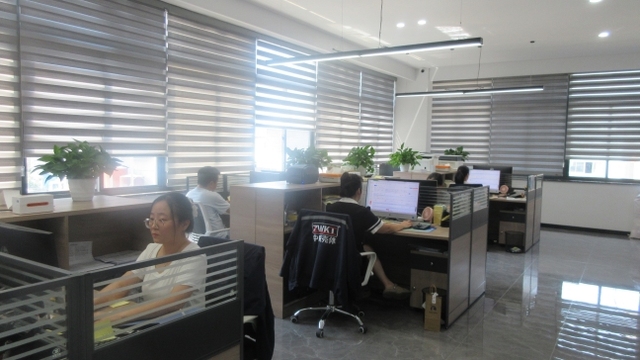
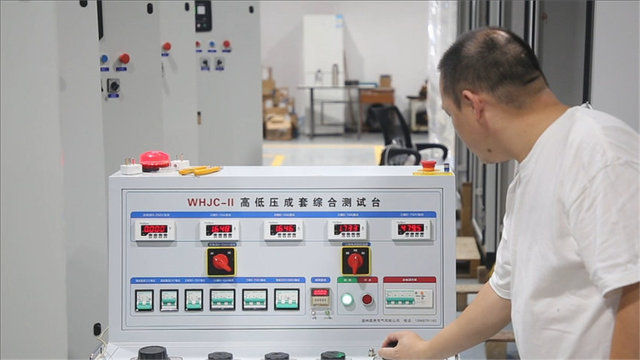
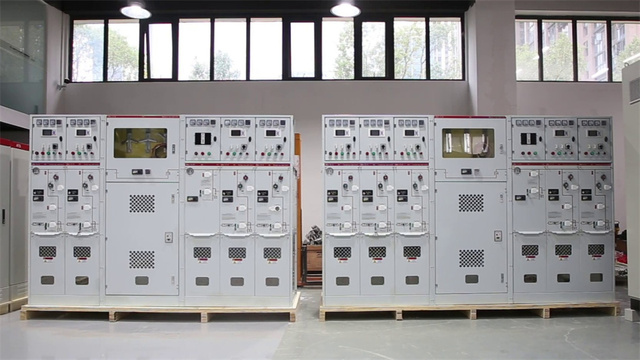
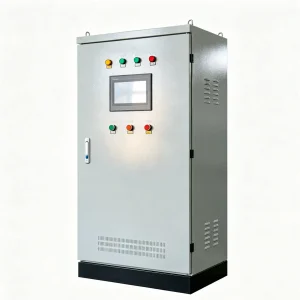
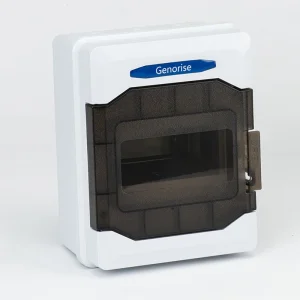
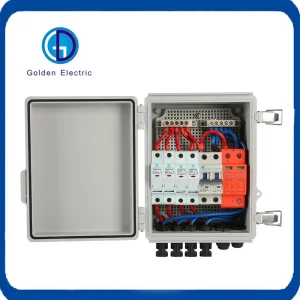
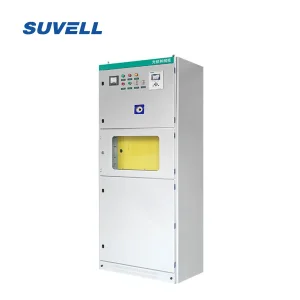
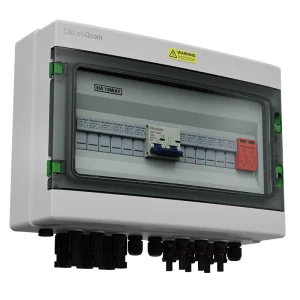
Importing electrical switchgear into Panama requires strict compliance with international design paradigms. The Panamanian electrical grid has strict performance parameters, governed by local codes that reference North American (NEC/UL) standards as well as international European (IEC) frameworks. At Hangzhou SN Electrical Co., Ltd., we cross-validate all of our custom production lines to satisfy these dual demands:
Our localized export logistics support covers all essential shipping documentation, including certificates of origin, certified test reports, and customs clearing verification sheets. This ensures that your shipments pass smoothly through the Autoridad Nacional de Aduanas in Panama without costly delays.
While IP65 offers protection against low-pressure water jets from any direction, IP66 is designed to withstand heavy seas or high-pressure water jets. In coastal areas of Panama (such as the Colon Free Zone or Bocas del Toro), tropical storms accompanied by driving wind can force water into enclosures at high velocity. An IP66 rating ensures that the internal components remain completely dry even under severe coastal conditions.
We manufacture enclosures using specialized UV-stabilized polycarbonate/ABS blends or marine-grade aluminum alloys treated with electro-galvanized coatings and anti-corrosive powder paint. These components undergo extensive laboratory salt spray chambers testing (according to ISO 9227 standards) to guarantee they resist chloride-induced corrosion for 1,000+ hours of continuous exposure.
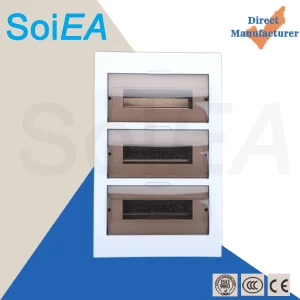
We offer a wide range of OEM/ODM options. We can customize the dimensions of the metal or plastic cabinets, configure special cable entry glands, pre-wire internal DC fuses/isolators, design multi-input/single-output strings, and integrate integrated monitoring systems for real-time performance tracking.
Leveraging our strategic location in Hangzhou, we coordinate land transit to Ningbo or Shanghai ports within 24 hours. Ocean freight transit to the Port of Colon or Port of Balboa typically ranges between 25 to 35 days. We provide comprehensive tracking, export clearance documentation, and direct support to facilitate customs processing.
Get in touch with our technical sales division to receive engineering support, free product samples, or a comprehensive quote customized to your project specifications.
Send Inquiry Now SN Electrical