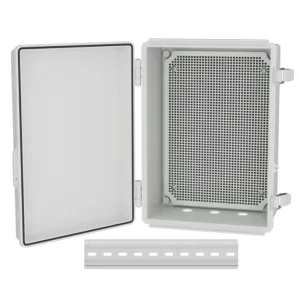
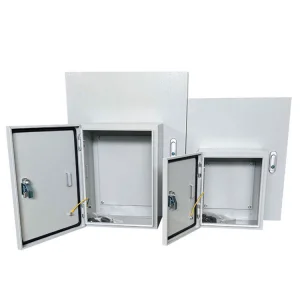
Engineered low voltage power systems and heavy-duty configurations for industrial and commercial projects worldwide.
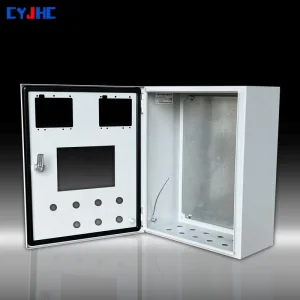
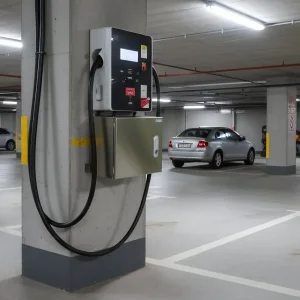
Sqm Production Facility
Skilled Electric Engineers
Global Standard Certifications
Exporting Countries & Regions
Analyzing key structural trends, modern regulatory expectations, and high-performance engineering requirements.
The global low voltage (LV) switchgear market is experiencing unprecedented demand, driven by transition pathways in public utilities, commercial construction, heavy industries, and decentralised renewable systems. Low voltage switchgear—operating generally up to 1000V AC or 1500V DC—acts as the foundational architecture ensuring critical safety, overload prevention, and control parameters in distribution infrastructure. As power generation transitions away from centralised coal and gas stations towards distributed PV solar and onshore/offshore wind farms, modern switchgear systems must withstand varied dynamic loads and maintain structural reliability under demanding conditions.
Historically valued as a mechanical isolation framework, modern low-voltage switchgear has evolved into an active control node. It integrates advanced thermal monitoring, breaker trip diagnostic modules, and fieldbus protocol interfaces. Current industry valuations project the global low voltage switchgear market to exceed USD 85 billion by 2030, registering a consistent compound annual growth rate (CAGR) of 6.2% over the next decade. Industry reports attribute this rapid expansion to grid modernization programs across North America and Europe, combined with fast-paced smart city developments and intensive industrial construction projects throughout Southeast Asia, Central Asia, and the Middle East.
At the center of contemporary switchgear engineering are three defining shifts: decarbonization, digitalization, and safety assurance. The shift from standard mechanical thermal-magnetic circuit breakers to micro-processor based smart electronic trip systems enables real-time current wave-form analyses. These systems communicate telemetry directly over Modbus/TCP or Profinet networks, providing engineers with operational insight down to individual branch circuits.
Replacing traditional greenhouse-intensive SF6 insulation materials with synthetic dry air and environment-friendly gas alternatives. High focus on circular economy metals and zero-halogen thermoset plastics.
Embedded sensors continuously logging temperature rises, relative humidity levels, and transient currents inside cabinet structures. Algorithms evaluate thermal drift and alert control systems prior to arc-flash events.
Structural validation to prevent physical harm from rapid pressure and thermal expansions inside steel enclosures. Redundant venting paths divert high-temperature plasma away from operators.
Moreover, the integration of distributed energy resource (DER) management systems requires that low-voltage switchgear handle bidirectional power flows. With industrial sites generating power locally through photovoltaic arrays, the traditional model of top-down power flow from substation to branch load has changed. Switchgear is now configured with specialized synchronization relays, power quality meters, and grid-disconnection switches to preserve system safety during grid fluctuations.
A strategic blueprint mapping the evolution from mechanical circuit isolation to intelligent, self-healing solid-state topologies.
Over the next decade, the design parameters of electrical distribution boxes and control cabinets will shift toward solid-state circuit breakers (SSCBs) and artificial intelligence algorithms at the edge. The mechanical contact separation of air circuit breakers (ACBs) and molded-case circuit breakers (MCCBs) has physical limitations in response times, typically between 10 to 50 milliseconds. Conversely, SSCBs switch at microsecond speeds, mitigating fault currents before they reach peak values, thereby extending the lifecycle of all connected components.
Widespread integration of non-contact infrared thermal sensors and wireless surface acoustic wave (SAW) sensors on busbar joints. Switchgear assemblies stream real-time operational temperatures to edge control systems, mitigating localized hotspots caused by bolt loosening or dynamic load expansions.
Transition to wide-bandgap semiconductor materials (Silicon Carbide, SiC / Gallium Nitride, GaN) inside premium industrial distribution assemblies. High-speed fault isolation limits energy release during short circuits, optimizing safety in high-density facilities like data centers.
LV switchboard configurations equipped with AI controllers capable of local decision-making. Automated path reconfiguration dynamically isolates fault sections while rerouting power via solar storage, keeping critical operational sectors running without human intervention.
Low voltage distribution equipment requires tailoring for localized mechanical, environmental, and thermal operational contexts. Standardized solutions often fall short in demanding environments. Specialized application matrices define distinct production demands:
Requires continuous power, rapid automated source transfer systems (ATS), high busbar ratings, and compact footprint configurations. Selective coordination must be designed down to the smallest branch circuit to prevent localized faults from disrupting parent systems.
Requires high degree of resistance to mechanical vibration, dust, and corrosive vapors. Switchboard cabinets need IP65/IP66 enclosures, 316L stainless steel materials, special polyurethane powder coating systems, and robust mechanical door locking systems.
DC distribution cabinets operating at 1000V DC to 1500V DC require special arc-chutes, DC-rated contactors, and high-capacity surge protection devices (SPDs) to withstand voltage fluctuations caused by solar and wind variability.
Prioritizes space-saving modular designs, integrated billing-grade energy meters, and compatibility with building management systems (BMS) via BACnet or Modbus protocols for automated energy management.
A deep dive into advanced industrial fabrication, quality management, and OEM/ODM engineering capacities.
Established in 2011, Hangzhou SN Electrical Co., Ltd. is a specialized Chinese manufacturer of low-voltage distribution enclosures and power management equipment. Operating in Hangzhou, Zhejiang Province, the company utilizes local logistics networks, direct deep-water shipping lanes, and a regional engineering talent pool. Over the past decade, SN Electrical has grown its manufacturing footprint to cover 18,000 square meters, employing more than 250 skilled technicians, sheet metal fabrication specialists, assembly line personnel, and quality control engineers.
The manufacturing facility is divided into dedicated functional zones designed to minimize material handling bottlenecks and ensure safety and efficiency. These zones include structural design, CNC sheet metal fabrication, precision laser cutting, automatic powder coating lines, electrical component assembly, and quality assurance testing. Integrated sheet metal processing using high-precision CNC punch presses and laser cutters guarantees tight mechanical tolerances (within ±0.1mm), which is critical for maintaining IP (ingress protection) ratings in outdoor and harsh environments.
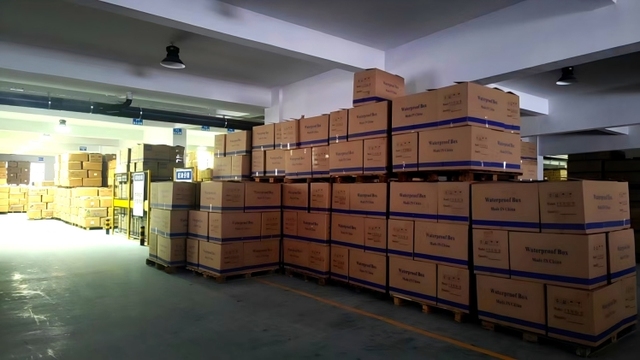
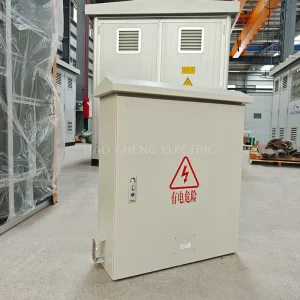
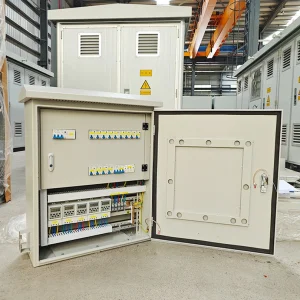
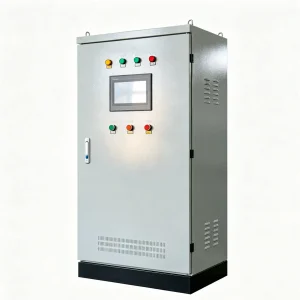
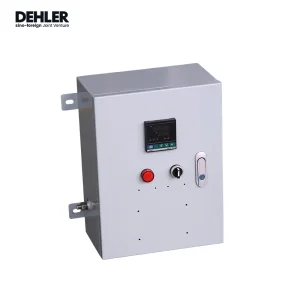
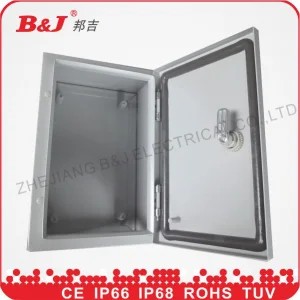
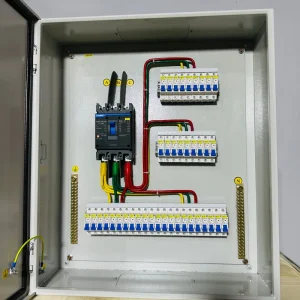
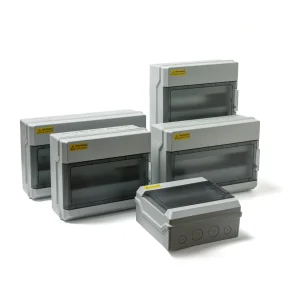
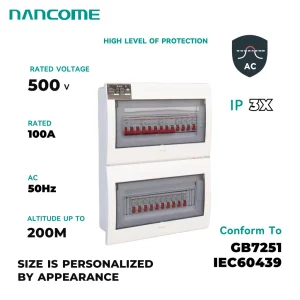
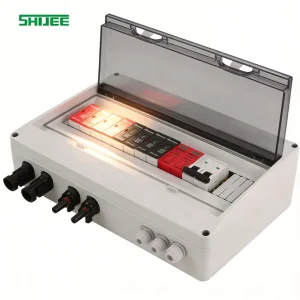
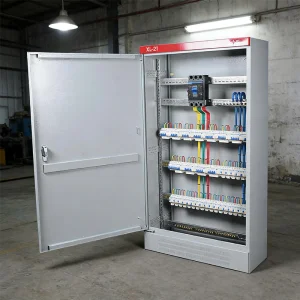
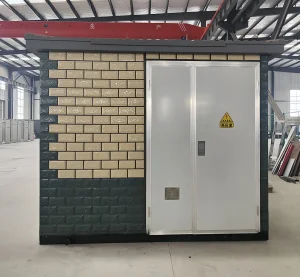
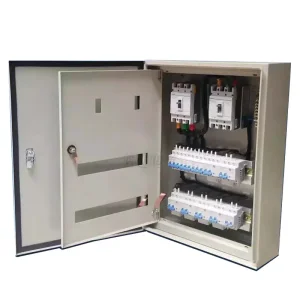
As an OEM/ODM provider, Hangzhou SN Electrical Co., Ltd. delivers customized enclosures and components designed to meet client specifications. This includes customized sizing, alternative materials (such as stainless steel, heavy-gauge aluminum, or fiberglass-reinforced polycarbonate), customized circuit breakers, high-capacity copper busbar arrangements, and custom labeling or finish colors. The product catalog covers a broad spectrum of power distribution systems, from compact residential circuit breaker boxes to large-scale floor-standing industrial distribution panels (such as the XL-21 series) and smart remote-monitored cabinets.

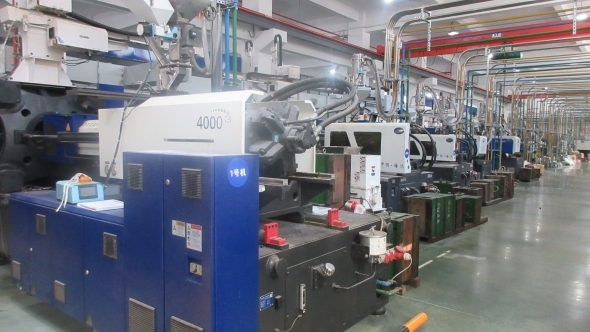
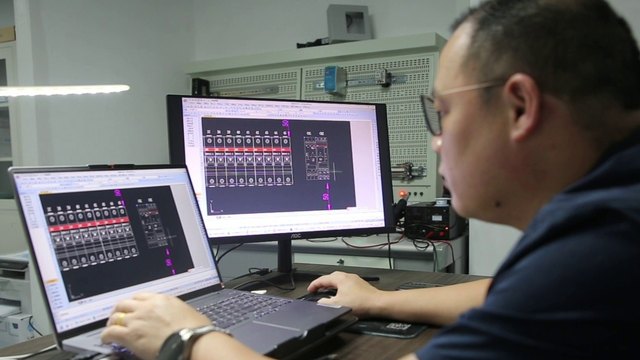
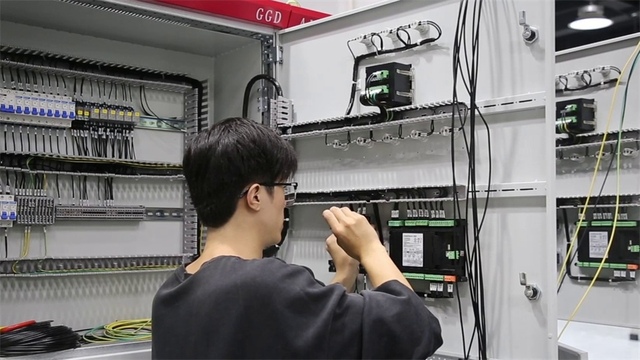
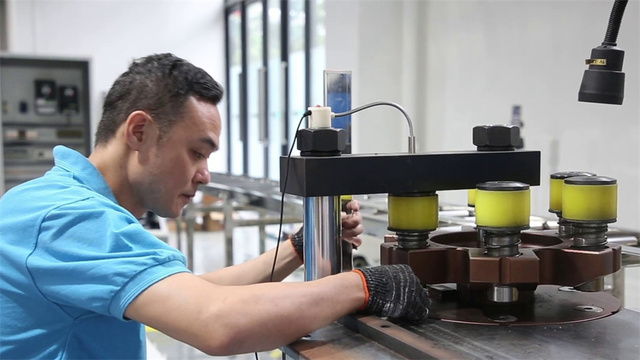
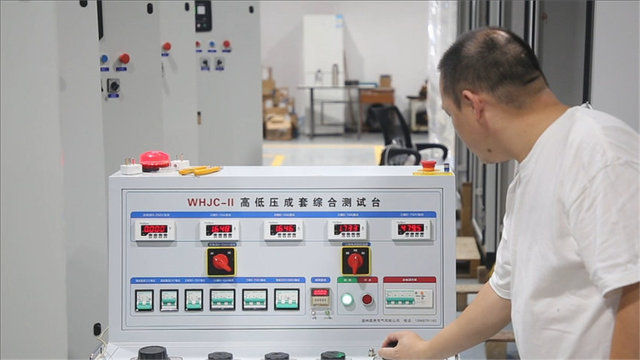
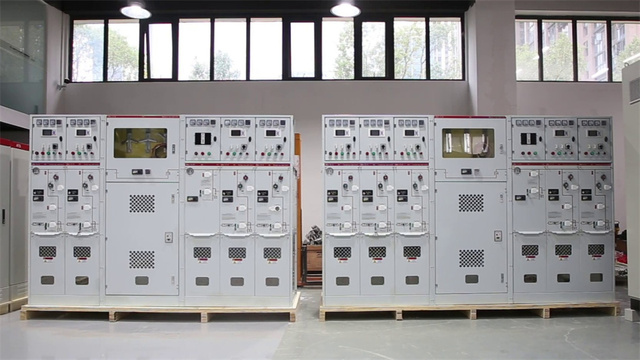
Every panel and box leaving the assembly lines undergoes rigorous tests, including dielectric resistance tests, grounding continuity evaluations, dynamic functionality checks, and environmental ingress validation. SN Electrical holds multiple international certifications, ensuring that products exported to Europe, North America, South America, Southeast Asia, the Middle East, and Africa meet local compliance regulations. By maintaining strict oversight from design to delivery, the company supports partners in developing safe, durable, and energy-efficient electrical distribution systems.
Expert answers to the most common engineering and procurement questions regarding low-voltage switchgear.
Explore our second selection of high-efficiency junction, terminal, and metering distribution enclosures.
 SN Electrical