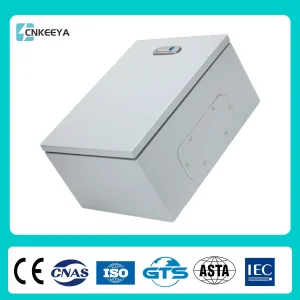
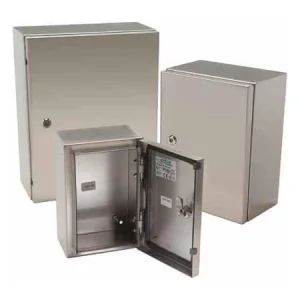
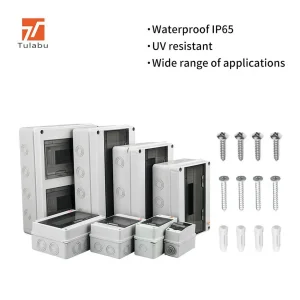
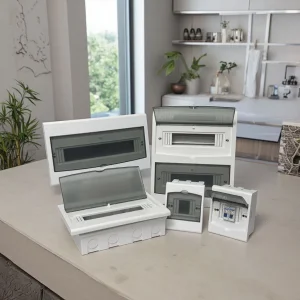
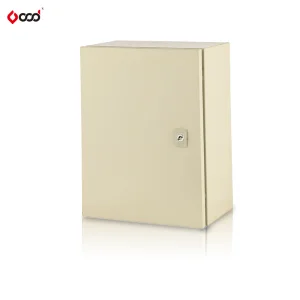
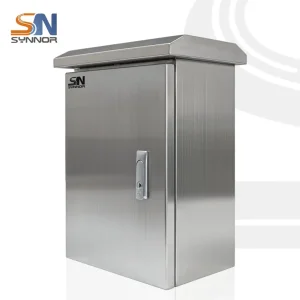
Explore our leading selection of heavy-duty, IP65/IP66 rated waterproof distribution boxes customized for South Africa's high UV exposure, maritime salinity, and rural mining realities.
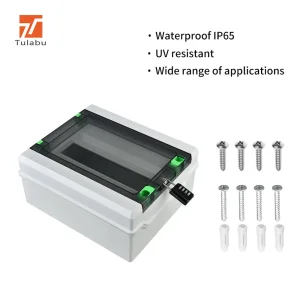
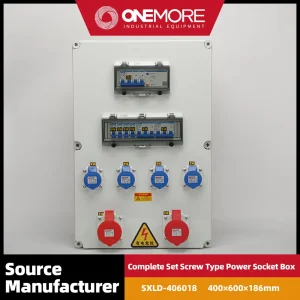
South Africa's electrical infrastructure is currently undergoing a massive transformation. The intersection of prolonged load shedding cycles, intensive outdoor mining environments, and severe weather patterns makes the selection of outdoor distribution boxes a critical point of operational safety and economic resilience. Whether deployed in the deep gold and platinum mines of Rustenburg, the dry solar-generating arrays of the Northern Cape, or the high-salinity marine environments of Durban and Cape Town, local operators face challenges that standard electrical enclosures simply cannot withstand.
With the rapid decentralization of the energy grid and the massive adoption of rooftop solar systems, battery energy storage systems (BESS), and localized generator hookups, there is an unprecedented demand for reliable, weather-resistant, and tamper-proof distribution boards. Corrosion, moisture ingress, thermal cycling, and physical damage are major failure points for electrical installations. Investing in high-performance IP65, IP66, and IP68 waterproof distribution boxes is not merely a compliance check; it is a vital operational choice to minimize unplanned downtime, prevent electrical fires, and protect high-value circuit breakers, contactors, and switchgear.
Different regions in South Africa present radically different environmental stresses. Standardizing on a single, low-grade plastic or untreated metal enclosure is a recipe for premature system degradation. Through engineering partnerships, our waterproof distribution models are tailored to specific domestic industry verticals:
With the Northern Cape hosting some of the highest solar irradiance levels globally, enclosures must feature robust UV inhibitors (UV-stabilized polycarbonate or powder-coated steel) to prevent brittleness and cracking under intense heat.
Deep underground shafts and surface processing plants in Rustenburg require strict IP66 performance. Polycarbonate or stainless steel distribution units prevent the ingress of abrasive coal, platinum, and gold dust.
Infrastructure built in Durban or Cape Town suffers from continuous saltwater corrosion. Our high-grade 316 stainless steel and specialized engineering plastics eliminate structural rust and keep connections dry.
Engineered to support heavy commercial, fiber optic telecommunications, and industrial automation networks operating under tough South African environmental conditions.
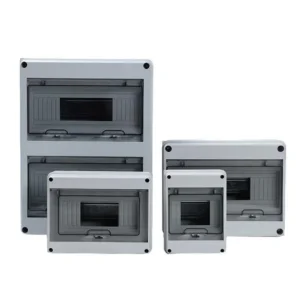
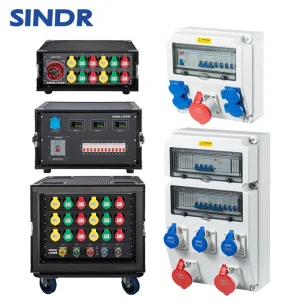
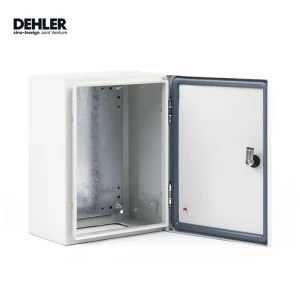
When planning electrical infrastructures, design engineers often focus solely on the exterior IP rating, overlooking the crucial impact of internal humidity. Due to South Africa's drastic day-to-night temperature fluctuations—often swinging by up to 20°C within hours in regions like the Highveld and Karoo—the air trapped inside an airtight box contracts and creates a vacuum. This pulls in humid ambient air through tiny gaps or cable entries. As the temperature drops, this moisture condenses on sensitive electronic components, causing short circuits, rust, and premature failure of MCBs.
Our engineering team addresses this by incorporating pressure equalization valves (breather valves). These allow the box to breathe without losing its IP rating, releasing internal moisture while preventing dust and water droplets from entering.
Choosing the right enclosure material involves balancing physical strength, environmental resistance, and economic parameters:
Hangzhou SN Electrical Co., Ltd. is a leading manufacturer specializing in low-voltage electrical distribution systems, industrial power management equipment, and smart electrical solutions. Established in 2011, the company is located in Hangzhou, Zhejiang Province, China, benefiting from a robust industrial ecosystem and efficient international transportation links.
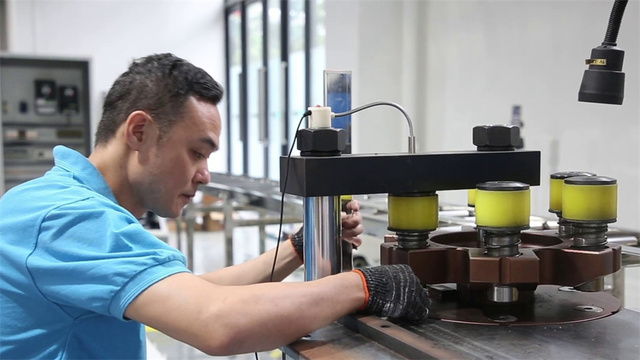
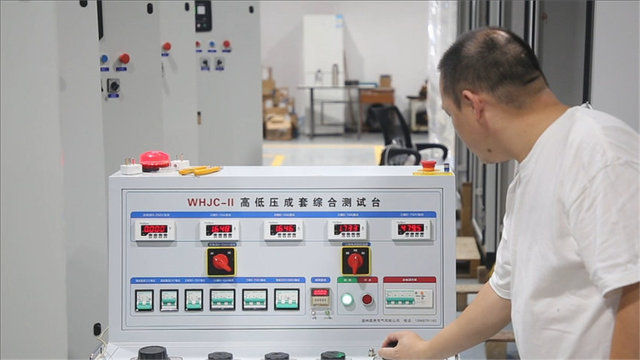
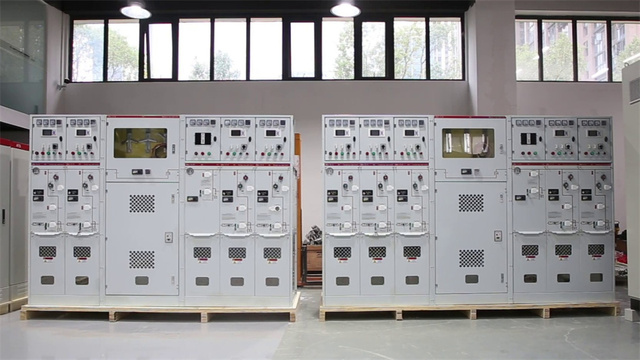
Operating an advanced manufacturing facility spanning over 18,000 square meters and employing a skilled workforce of more than 250 professionals, SN Electrical integrates design engineering, sheet metal fabrication, precision assembly, testing, and quality control into a single unified production system. By leveraging advanced manufacturing technology, we guarantee the reliability, safety, and international compliance of every waterproof distribution box we produce.
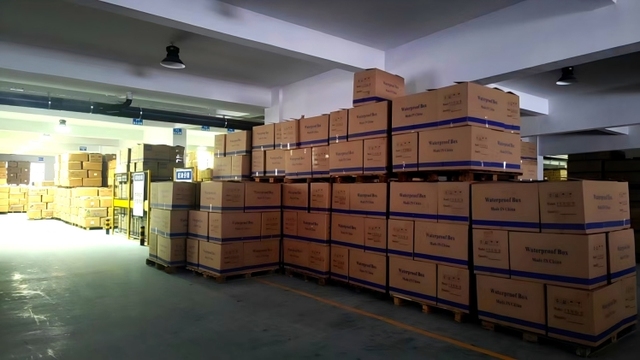
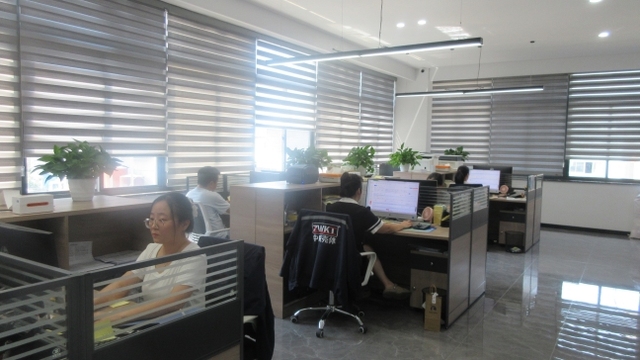
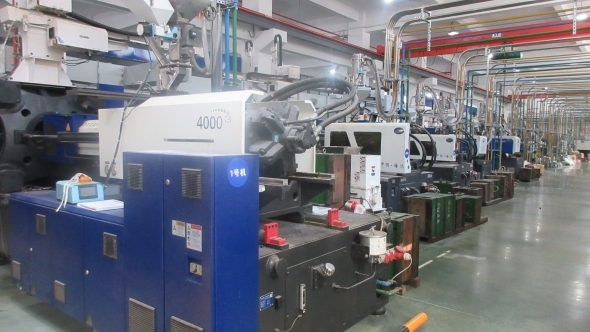
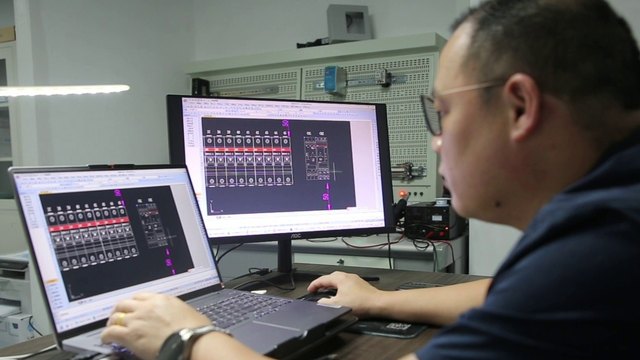
As an experienced OEM and ODM partner, SN Electrical provides customized engineering, bespoke enclosure design, component integration, private labeling, and project-based manufacturing solutions. This makes us an ideal supplier for South African electrical distributors, panel builders, and energy contractors seeking reliable, high-volume products at competitive prices.
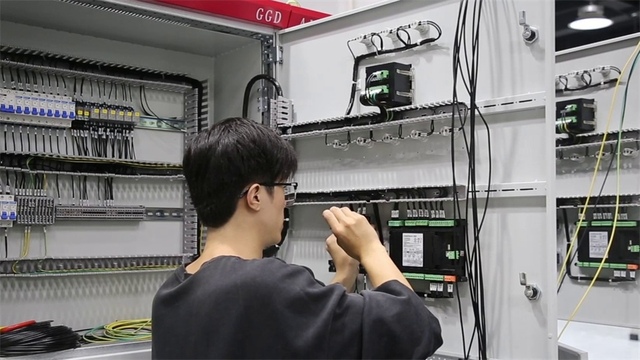
For any electrical installer or contractor working in South Africa, compliance with local standards is critical. Navigating the regulatory requirements of the South African Bureau of Standards (SABS) and securing the necessary Letters of Authority (LOA) for import are essential for successful project execution and legal compliance.
Our distribution systems are engineered to meet and exceed global specifications including IEC 62208 (for empty enclosures for low-voltage switchgear and controlgear assemblies) and IEC 60529 (Ingress Protection). Working closely with our partners, we ensure our designs align with the local SANS 10142-1 (Wiring of Premises) regulations. This ensures that when our distribution units are installed in municipal, industrial, or solar configurations, they easily pass local safety audits and inspection requirements.
Additionally, our smart production capabilities enable us to quickly adapt cabinet layouts. We can pre-punch knockout entries for standard South African cable sizes, integrate surge protection devices (SPDs) designed for local grid fluctuations, and support the mounting of SABS-approved MCBs, ELCBs, and smart pre-paid metering units.
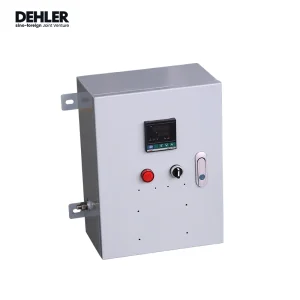
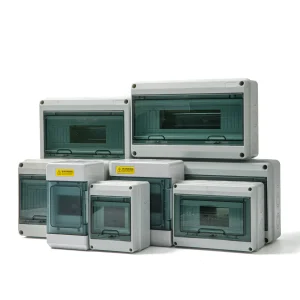
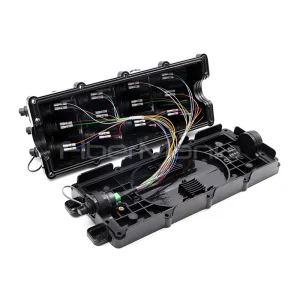
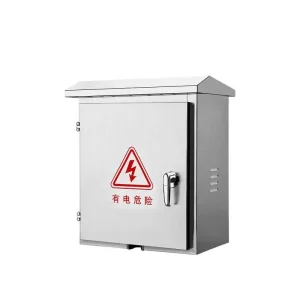
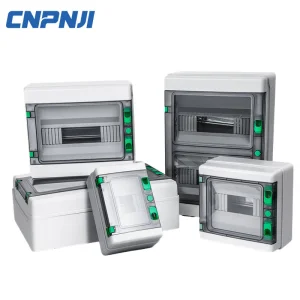
Browse our robust collection of plastic, sheet metal, and specialized fiber-optic termination boxes, built to ensure dust-proof and moisture-proof protection for critical connections.
Find expert answers to common questions about selecting, installing, and maintaining IP-rated electrical enclosures under South African conditions.
Get in touch with our design engineers for a custom quote, technical advice, or volume pricing on SANS-aligned waterproof distribution boxes.
Send Inquiry Now SN Electrical