Bangladesh has emerged as one of the fastest-growing economies in South Asia, fueled by rapid industrialization, massive urban development, and structural transitions across the manufacturing landscape. Key economic sectors, such as the Ready-Made Garments (RMG) industry, pharmaceutical manufacturing, shipbuilding, and food processing, are expanding at an unprecedented rate. Parallelly, major national infrastructure undertakings—such as the Padma Bridge rail link, Hazrat Shahjalal International Airport expansion, the Dhaka Metro Rail, and the Rooppur Nuclear Power Plant—have drastically heightened the domestic demand for highly secure, low-voltage power distribution equipment.
At the heart of this infrastructure boom is the critical need for electrical safety and reliability. Standard low-voltage systems in industrial environments are prone to catastrophic failures due to atmospheric challenges, making the deployment of robust waterproof distribution boxes non-negotiable. Modern factories and engineering consultants in Bangladesh no longer view distribution enclosures as simple junction points; they are now evaluated as critical assets that shield switchgears, circuit breakers, and control panels from harsh environment-induced degradation.
Bangladesh’s tropical climate presents unique engineering challenges for electrical power distribution. The country experience heavy monsoonal rainfalls, coastal saline winds, and extremely high relative humidity, which averages between 70% and 95% throughout the year.
For outdoor electrical panels, standard sheet metal enclosures fail rapidly under these conditions due to:
Consequently, engineering firms and utility authorities in Bangladesh demand enclosures compliant with international ingress protection standards, typically requiring IP65, IP66, or IP68 ratings. These classifications guarantee protection against heavy dust, rain, and continuous water jets, safeguarding inner modular switchgear components (MCBs, MCCBs, RCDs) from early degradation.
For the Bangladeshi market, selecting the correct IP level prevents operational downtime. An IP65 rating prevents dust entry and shields against low-pressure water sprays—perfect for indoor RMG mills. An IP66 enclosure provides protection against high-pressure water jets from any direction, making it suitable for exposed roofs and construction yards. For extreme situations, such as optical fiber systems or water management systems, IP68 remains the gold standard, preventing water ingress even during temporary immersion.
Internationally, the electrical power equipment sector is undergoing major transformations driven by automation, safety regulations, and ESG (Environmental, Social, and Governance) targets. Global procurement departments are prioritizing key technical parameters when selecting manufacturing partners:
China remains the global powerhouse for electrical enclosure manufacturing, offering unmatched vertical integration, material access, and advanced production technology. Established in 2011, Hangzhou SN Electrical Co., Ltd. is at the forefront of this industrial sector, serving global markets including Europe, South America, and Southeast Asia.
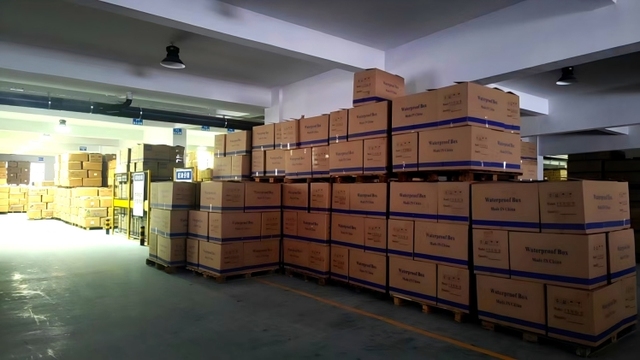
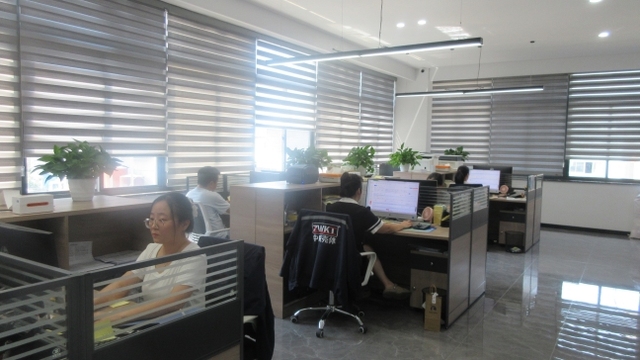
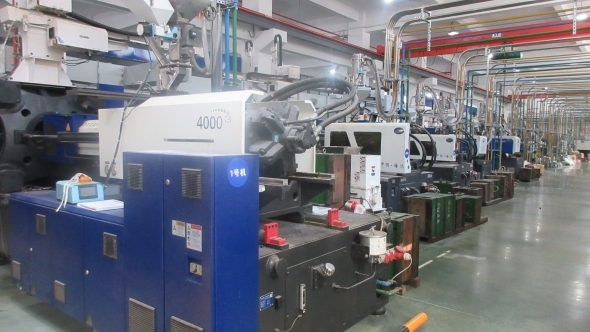
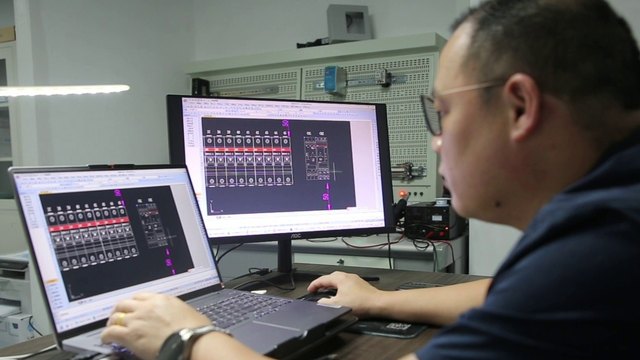
Operating a modern 18,000-square-meter facility with a dedicated workforce of over 250 employees, SN Electrical manages the complete lifecycle of its products:
With a close proximity to the Ningbo and Shanghai shipping ports, Hangzhou SN Electrical ensures fast, reliable, and cost-effective shipping straight to Chittagong Port, serving as a dependable procurement partner for Bangladeshi engineers.
The selection of the right waterproof enclosure varies drastically depending on the specific application environment in Bangladesh. Our products are designed to excel under various industry demands:
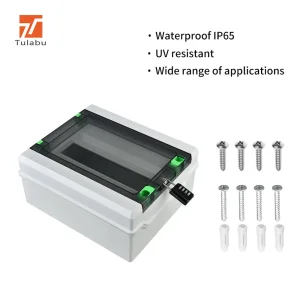
Garment factories generate substantial fine cotton dust and lint, which can accumulate inside electrical boards and cause overheating or dust-explosions. Furthermore, fabric dyeing and washing areas have highly humid atmospheres with regular chemical splashes. In such environments, IP65 plastic distribution boxes, like our Ha Series, provide a sealed, corrosion-proof enclosure, keeping the internal switches isolated from particulate and chemical contaminants.
Bangladesh is undergoing rapid 4G/5G expansion and broadband fiber rollouts. Outdoor telecom poles and FTTH fiber networks are exposed to solar radiation, heavy rains, and lightning. The IP68 Waterproof Multiport Terminal Box (MST) is critical for FTTH distribution. Designed with fiber splicing trays and weatherproof gaskets, these terminal boxes protect connections in high-humidity zones and under direct sunlight.
With projects like the solar home systems (SHS) and utility-scale solar parks across rural Bangladesh, outdoor power equipment must withstand high temperatures and UV degradation. Using UV-resistant polycarbonate or high-quality sheet metal distribution boxes prevents housing decay, securing solar combiner boards and inverter terminations for years of outdoor service.
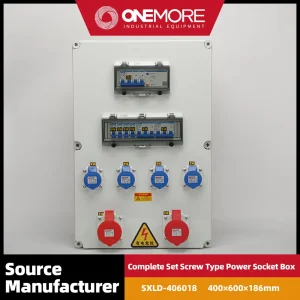
From Chittagong Port upgrades to the Metrorail stations in Dhaka, heavy construction requires robust, portable power panels. Our IP66 Portable Outdoor Mobile Power Boxes with integrated industrial sockets and residual current devices (RCDs) ensure site workers are protected from electrical shocks while providing reliable, weather-resilient power on the move.
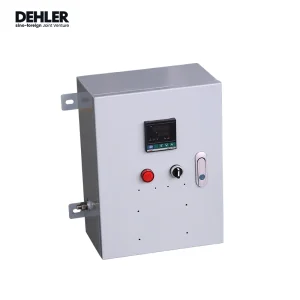
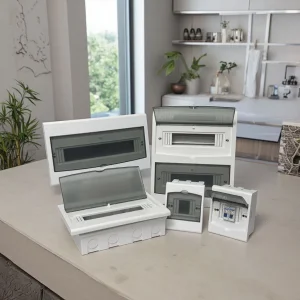
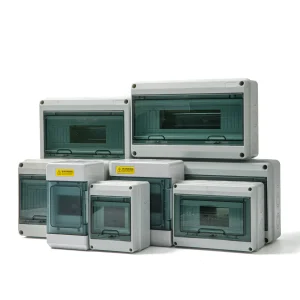
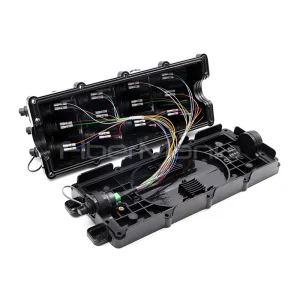
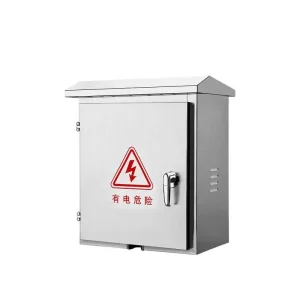
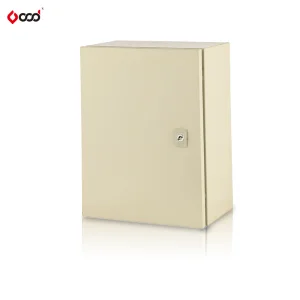
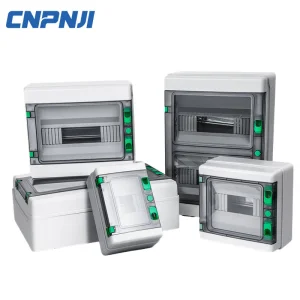
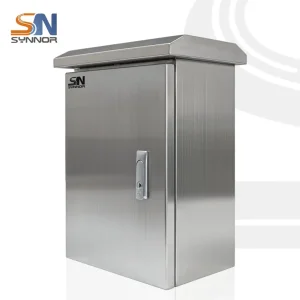
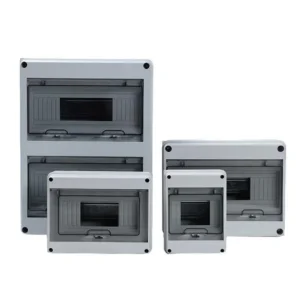
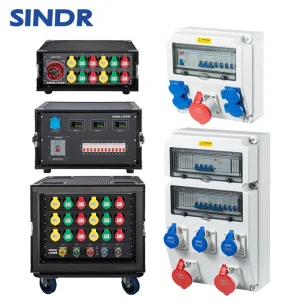
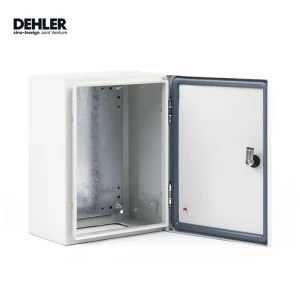
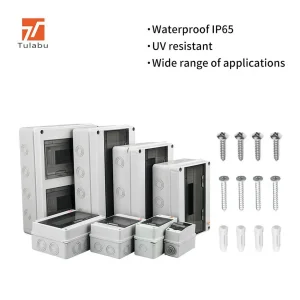
Selecting the appropriate material dictates the overall lifespan of the distribution installation. Below is an engineering comparison designed to help buyers choose the ideal enclosure:
| Material Type | Advantages | Limitations | Best Applications (Bangladesh Context) |
|---|---|---|---|
| ABS / Polycarbonate (PC) | Non-corrosive, lightweight, easy to custom punch, outstanding electrical insulation, budget-friendly. | Lower impact resistance compared to heavy-duty metals. | RMG factories, solar string setups, outdoor telecom terminal hubs. |
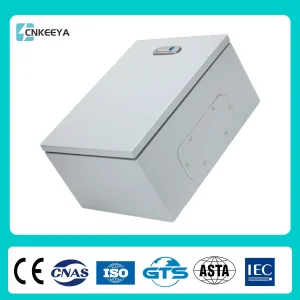
| Powder-Coated Steel / Sheet Metal | Strong physical defense (IK10), customizable size configurations, outstanding EM shielding. | Risk of surface rust if the powder coating is chipped or scratched in coastal climates. | Commercial buildings, factory sub-stations, control rooms. |
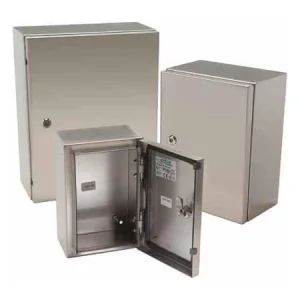
| Stainless Steel (304/316) | Unrivaled rust resistance, highly resilient against saline corrosion, extremely durable. | Higher premium cost, heavier and harder to modify on-site. | Coastal power networks, chemical plants, wastewater treatment facilities. |
For general outdoor setups exposed to heavy monsoons, an IP65 or IP66 rating is highly recommended. For marine environments or low-elevation installations prone to flash flooding, IP68 rated junction boxes must be utilized to prevent moisture damage.
Our polycarbonate and ABS plastic boxes are mixed with high-grade UV-stabilizing additives during the molding process. This prevents the material from yellowing, turning brittle, or cracking under intense solar radiation.
Yes. Through our OEM/ODM services, we offer customization according to your technical drawings. We can pre-punch PG/M thread cable entry holes, customize internal mounting plates, install DIN rails, and apply custom silkscreen branding.
Our factory is located near Ningbo and Shanghai ports. Standard production runs take 20 to 30 days depending on order volume. Sea transit from Shanghai/Ningbo to Chittagong Port typically ranges from 12 to 18 days.
Yes, our distribution boxes are manufactured in accordance with IEC 60529 (Ingress Protection standards). They carry CE certification, comply with RoHS environmental directives, and undergo strict ISO 9001-certified factory inspections.
For highly humid locations in Bangladesh, we install specialized IP-rated breather/venting valves. These glands allow air pressure equalization and moisture release while maintaining water tightness, preventing condensation accumulation inside the enclosure.
 SN Electrical