SN Electrical
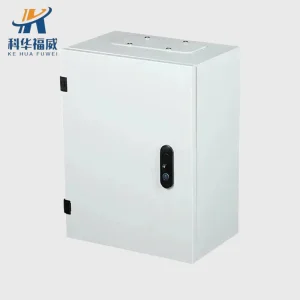
1. The United Kingdom Distribution Enclosure Landscape
The electrical infrastructure sector in the United Kingdom is undergoing its most profound transition in decades. Accelerated by the UK Government's Net Zero strategy, the rapid electrification of transport, and the modernization of residential and commercial properties, low-voltage distribution boards have evolved from simple enclosures into highly intelligent, resilient modular control centers.
Key Legislative Driver: BS 7671 (18th Edition Amendment 2)
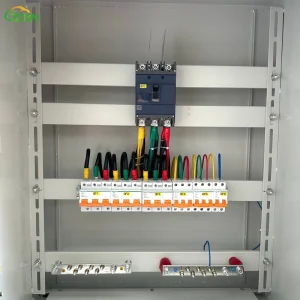
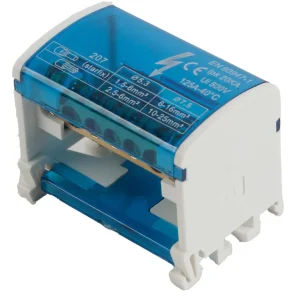
Any electrical distribution equipment installed within the UK must satisfy strict thermal performance, non-combustibility, and safety parameters. The transition to all-RCBO boards, combined with mandatory Surge Protection Devices (SPDs) and Arc Fault Detection Devices (AFDDs) in specific installations, requires modular distribution boxes that support deep integration, safe heat dissipation, and quick configuration.
Any electrical distribution equipment installed within the UK must satisfy strict thermal performance, non-combustibility, and safety parameters. The transition to all-RCBO boards, combined with mandatory Surge Protection Devices (SPDs) and Arc Fault Detection Devices (AFDDs) in specific installations, requires modular distribution boxes that support deep integration, safe heat dissipation, and quick configuration.
Localized Application Scenarios Across the UK
- EV Charging & Infrastructure (EVSE): Charging networks in London, Manchester, and along major arterial routes require robust, weather-resistant modular sub-boards (IP65 rating minimum) capable of handling high continuous loads, integrated RCDs, and severe ambient temperature swings.
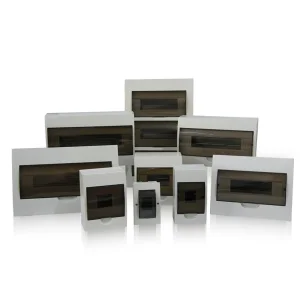
- Commercial Offsets & Office Fit-Outs: High-density office redevelopments in Central London require compact, space-optimized distribution enclosures that run quietly, minimize cable routing complexities, and fit into restricted wall cavities.
- Renewable Energy Systems (Solar PV & BESS): Domestic and light commercial solar arrays paired with battery systems require dedicated AC/DC combiners and distribution panels equipped with Type 1 & Type 2 SPDs to safeguard high-value inverters.
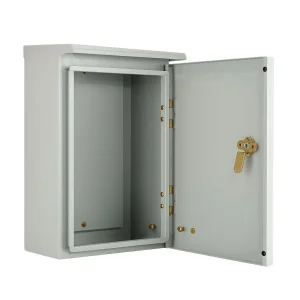
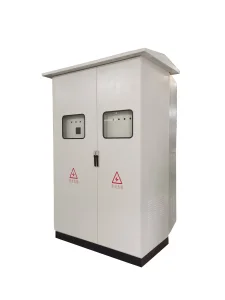
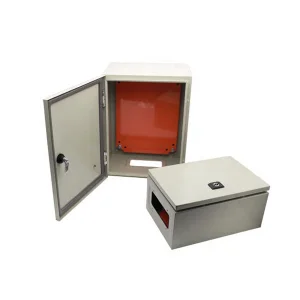
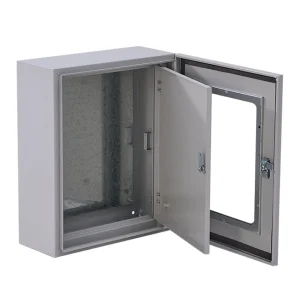
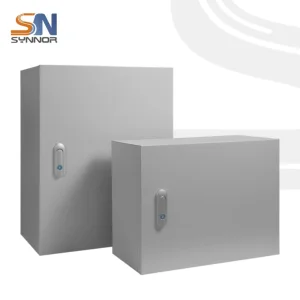
- Industrial & Factory Workshops: UK manufacturing hubs demand high Ingress Protection (IP55/IP65) and IK10 impact-resistant steel distribution cabinets to withstand heavy machinery vibrations, fine airborne particles, and liquid exposure.
IP65
Water & Dust Rating
IK10
Impact Resistance
100%
UKCA / CE Compliant
18k+ m²
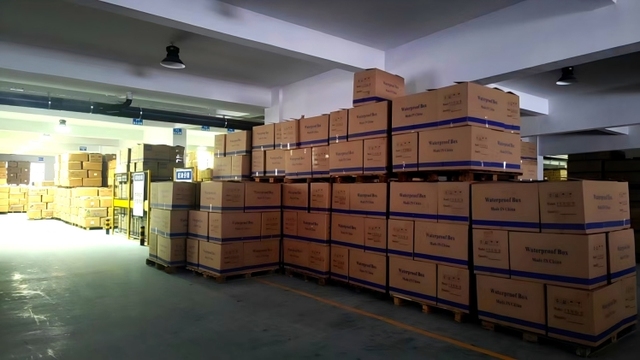
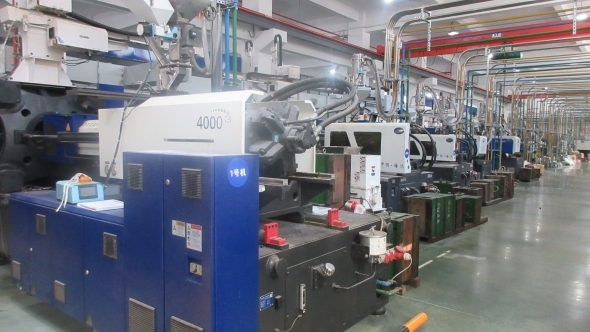
Production Facility