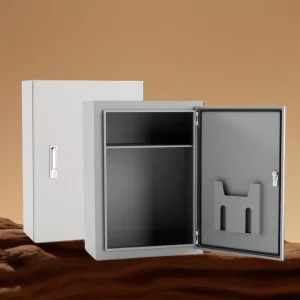
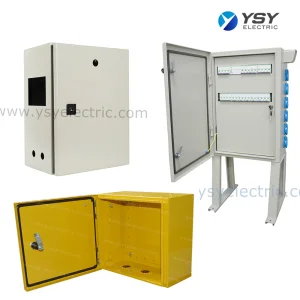
Engineered for absolute reliability, ingress protection, and thermal efficiency under severe operational load.
Critical infrastructure analysis detailing macro-economic transitions, grid modernization, and standard frameworks.
Rapid expansion of distributed energy resources (DERs) demands resilient outdoor switchgear and combiner systems. Urbanization and smart-city grid upgrades drive high integration densities and continuous telemetry at edge distribution nodes.
Outdoor installations must sustain continuous current under aggressive climates. Global industrial projects require enclosures certified against cyclic thermal expansion, high UV indexes, dynamic wind forces, and particulate infiltration.
International trade corridors necessitate strict alignment with electrical safety norms. Standard frameworks such as IEC 61439-1/2, UL 508A, and CE specifications govern modern power assembly requirements for global exporting structures.
Across North America, Europe, the Middle East, and Asia-Pacific, industrial investments are pivoting toward robust low-voltage power assemblies. These units act as crucial nodal interfaces between utility generation assets and local industrial machinery. As heavy industries increase electrification, the demand for highly optimized mechanical structures that house electrical switches, short-circuit protection devices, and smart telemetry controllers has escalated. Outdoor electrical engineering now relies on pre-tested, type-approved enclosures to decrease on-site commissioning costs and mitigate long-term structural failures.
Furthermore, the expansion of high-capacity solar fields, battery storage stations, and public electric vehicle (EV) charging centers has transformed typical outdoor distribution boards from passive terminal structures to active, communicative, and self-defending power distribution units. This evolution demands specialized design engineering, high manufacturing precision, and strict compliance tests—areas where advanced Chinese industrial fabricators maintain a strong position in global supply chains.
How material optimization, intelligent tracking, and high-voltage scaling are redefining next-generation configurations.
Embedding fiber-optic temperature sensors, automatic ground fault indicators, and network telemetry modules directly inside low-voltage boxes.
Pivoting from standard structural steels to marine-grade aluminum and 316-grade stainless steel with specialized anti-corrosive powder finishes.
Using pre-engineered withdrawable inner assemblies and standardized busbar routing systems to minimize fabrication cycles and speed maintenance.
Developing non-toxic, recyclable thermo-polymer enclosures alongside active solar-reflective coatings to reduce solar heating loads naturally.
In modern industrial applications, the shift toward digitized maintenance is reshaping procurement specifications. Buyers are no longer purchasing simple metal enclosures; they are investing in integrated platforms. Modern systems require continuous insulation monitoring, automatic cooling fans regulated by humidity controllers, and smart circuit breakers equipped with remote trip indicators. This transition ensures that operations managers can trace voltage variations, detect partial discharge, and isolate electrical anomalies before they cause costly process interruptions.
Additionally, material sciences have evolved. The industry is seeing a marked shift away from typical mild steel enclosures in favor of composite formulations, high-strength aluminum alloys, and marine-grade stainless steels. These modern materials not only lower the weight of high-volume installations but also offer excellent resistance against chemical solvents, localized physical impacts, and severe degradation in saline coastal climates.
A verified manufacturing power specializing in professional electrical engineering, sheet metal fabrication, and global ODM/OEM export services.
Established in 2011, Hangzhou SN Electrical Co., Ltd. has grown into a leading manufacturer of low-voltage electrical distribution systems, industrial power management equipment, and smart electrical solutions. Situated in the industrial corridor of Hangzhou, Zhejiang Province, China, the company leverages regional supply networks and direct access to major deep-water international ports to facilitate efficient global distribution.
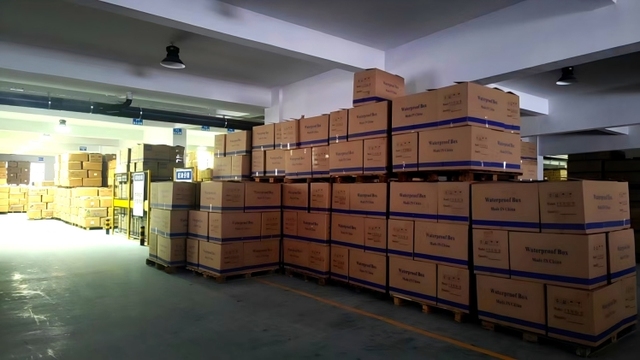
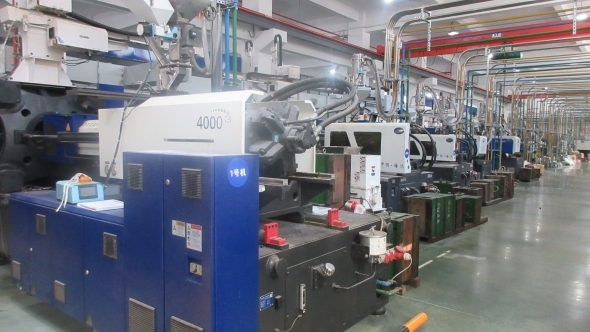
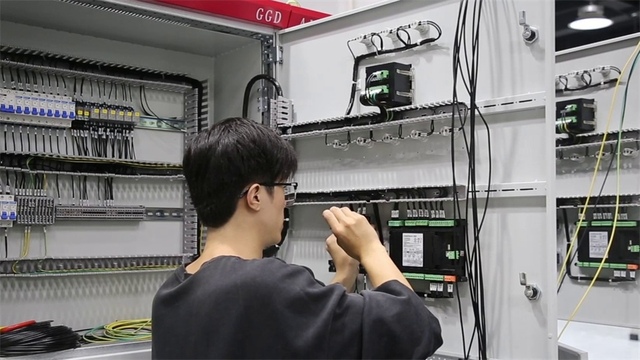
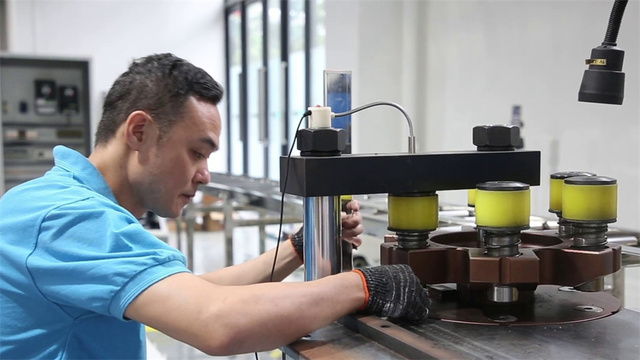
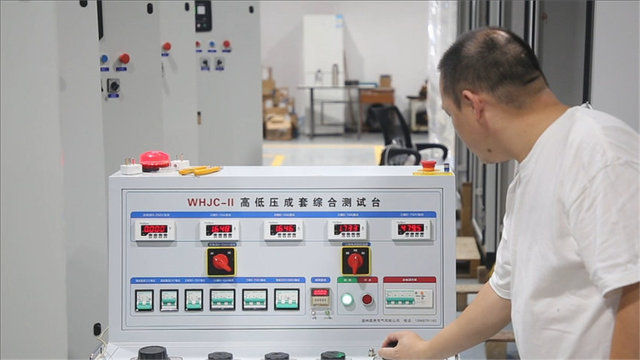
Our production system integrates all phases of manufacturing internally: precise industrial design, CNC laser cutting, sheet metal folding, robotic welding, surface preparation, automated electrostatic powder coating, electrical assembly, and final testing. Operating a state-of-the-art facility covering over 18,000 square meters, our dedicated engineering team maintains control over every production phase to ensure compliance with strict international electrical safety standards.
As a global OEM and ODM partner, SN Electrical provides custom enclosure designs, functional component integration, private labeling, and specialized manufacturing solutions for clients across Europe, North America, South America, Southeast Asia, the Middle East, and Africa. From modular switchgear panels to smart remote monitoring units, our systems are built for long-term operational efficiency in demanding environments.
Detailing the roadmap of smart microgrids, integrated solar combiners, and automated remote asset management.
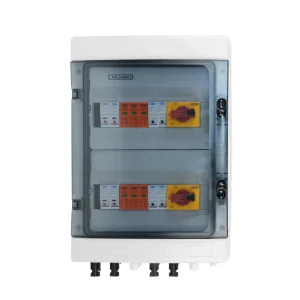
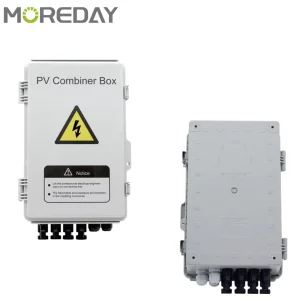
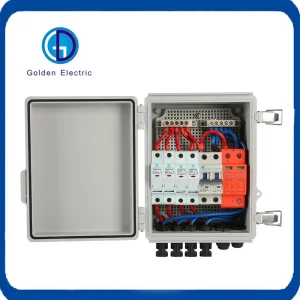
As global energy networks shift from fossil-fuel systems to multi-tiered renewable arrays, the demand for smart solar combiners (like the MOREDAY and metal combiner boxes) has grown significantly. Future distribution centers will serve as active communication points. Modern units incorporate microcontrollers, integrated surge protective devices (SPDs), and DC contactors that send continuous telemetry to centralized SCADA systems.
This shift enables predictive maintenance. Instead of waiting for a fuse to fail or a connection to overheat, smart combiners detect small temperature variations and isolate localized problems, preventing system-wide thermal damage and maintaining plant uptime.
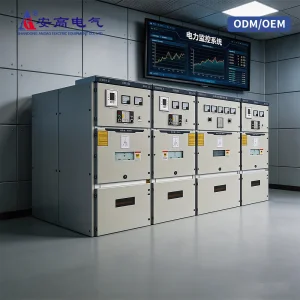
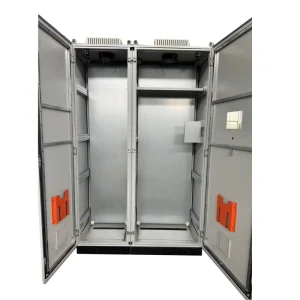
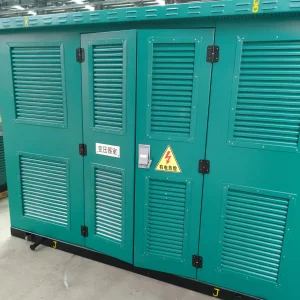
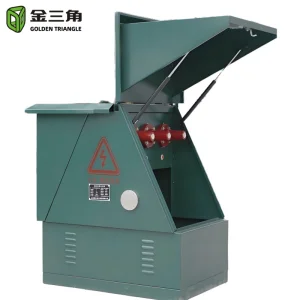
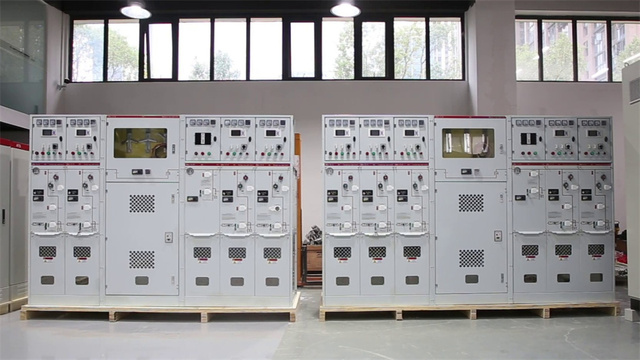
Industrial operations require efficient voltage step-down and reliable local distribution. Implementing high-voltage metal-clad withdrawable switchgear cabinets (capable of managing up to 33kV levels) alongside smart low-voltage control boards allows factories to build integrated power substations.
These integrated substations improve safety by separating high-voltage incoming terminals from low-voltage user controls. They feature mechanical interlocks, gas-insulated compartments, and arc-flash detection systems to protect maintenance technicians and limit equipment down-time during faults.
How SN Electrical adapts enclosure designs to meet the distinct challenges of key industrial sectors.
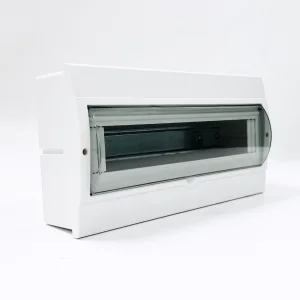
Custom combiner boxes, PV string enclosures, and weather-resistant smart grid terminals designed to operate under direct UV exposure. Featuring high-grade DC disconnects, integrated surge arresters, and breathable IP65 vents that prevent condensation buildup in solar arrays.
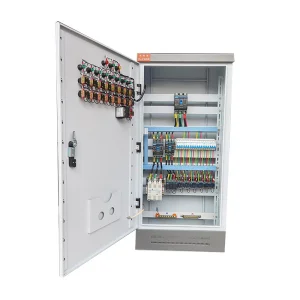
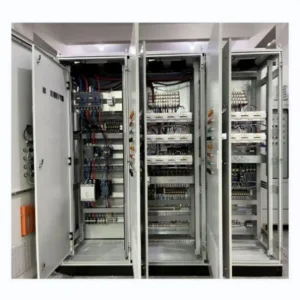
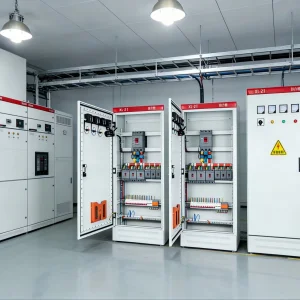
XL-21 heavy-duty cabinets and crane control panels built to withstand vibration, industrial pollutants, and impact forces. Featuring robust interlocking doors, customizable busbar layouts, and chemical-resistant finishes for steel mills and marine shipping terminals.
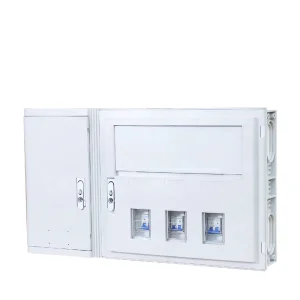
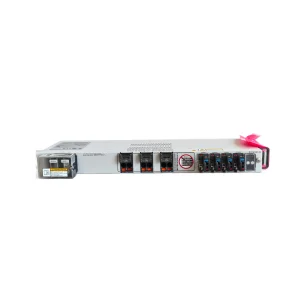
Smart DCDU units equipped with integrated 4G/GSM wireless telemetry, smart meter panels, and EV charging station enclosures. Built for public installations, featuring robust tamper-resistant locking systems, dust protection, and compact aesthetic footprints.
Next-generation hardware supporting smart grid monitoring, multi-string PV aggregation, and localized utility metering.
Technical guidelines for deploying electrical enclosures in extreme temperature, moisture, and high-salinity zones.
Deploying electrical equipment outdoors introduces severe environmental challenges. For instance, solar installations in arid desert regions face intense UV radiation, high dust loads, and extreme day-to-night temperature variations. Under these conditions, standard plastic enclosures can become brittle and crack. SN Electrical addresses this by engineering specialized polycarbonate and sheet-metal designs with built-in UV stabilizers and dual-barrier seal configurations. This maintains dust-tight IP65 ratings and prevents the ingress of fine desert sand.
In contrast, coastal marine environments and offshore platforms expose equipment to constant salt fog and high humidity. In these conditions, standard steel enclosures can suffer rapid galvanic corrosion, potentially compromising internal electrical insulation. For coastal projects, SN Electrical utilizes 316-grade stainless steel or marine-grade aluminum alloys treated with electro-galvanized zinc primers and thermosetting epoxy topcoats. This double-layer coating provides reliable protection against salt spray and moisture, extending the service life of critical coastal infrastructure.
Answering crucial questions on thermal performance, enclosure materials, IP codes, and standard specifications.
Ingress Protection (IP) ratings classify the protection levels of enclosures against solid objects and liquids. An IP55 rating offers protection against dust (without harmful deposits) and low-pressure water jets from any direction. IP65 provides complete dust protection and resistance to low-pressure water jets. IP66 provides complete dust-tight protection and defends internal components against high-pressure water jets or heavy seas. Choosing the right rating depends on environmental factors: IP55 is typically suitable for sheltered outdoor areas, whereas IP65 and IP66 are recommended for open exposure to rain, wind-driven dust, and marine environments.
Condensation occurs when temperature shifts cause warm, moist air inside the enclosure to cool against the walls. To prevent this, SN Electrical designs integrate breathable ventilation plugs (pressure compensation devices) with hydrophobic membranes. These membranes allow air to circulate to balance internal pressure and humidity while preventing liquid water and dust from entering. For high-humidity locations, we can also install internal anti-condensation heaters managed by temperature and humidity controllers.
The XL-21 distribution box is a standardized, highly rigid low-voltage power cabinet structure. It is favored in industrial settings due to its modular interior design, stable structural frame, and high busbar support strength. It allows flexible component integration, including circuit breakers, contactors, and control systems, while providing robust mechanical protection against external impacts (often rated to IK10 standards) in factory environments.
GSM/4G telemetry enables smart grid management at remote sites. It allows the DCDU (Direct Current Distribution Unit) to transmit real-time data—such as voltage levels, current draw, temperature, and trip alarms—to a central monitoring station. This lets maintenance teams diagnose system health remotely, receive instant fault alerts, and schedule targeted service visits, reducing operational downtime in telecom and utility applications.
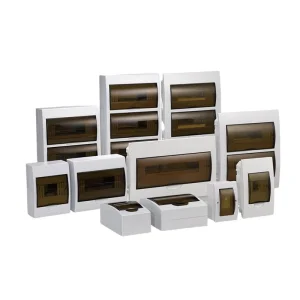
Plastic (typically polycarbonate or fiberglass reinforced polyester) combiner boxes are lightweight, cost-effective, and naturally corrosion-resistant, making them suitable for small-to-medium solar installations. Stainless steel enclosures (typically grade 304 or 316) are selected for heavy industrial environments, locations exposed to extreme heat and high UV levels, and areas prone to mechanical impacts. Stainless steel also provides superior heat dissipation for high-current multi-string PV applications.
 SN Electrical