An authoritative exploration of smart grid engineering, localized manufacturing compliance, and the global infrastructure roadmap.
In the current paradigm of global electrification, the reliance on high-efficiency, safe, and smart Energy Distribution Systems is unprecedented. As industry frameworks migrate from passive traditional grid arrays towards dynamic, decentralized microgrids and localized clean energy integration, the electrical distribution board is no longer a simple routing box. It functions as the critical node governing asset safety, power quality, active filtering, and system automation.
For engineering procurement leaders, project consultants, and grid operators, securing highly reliable distribution systems from trusted manufacturing partners is the foundation of structural resilience. Organizations must navigate severe mechanical conditions, precise environmental sealing requirements (NEMA and IP ratings), dynamic thermal loads, and strict international testing standards. From residential multi-family panels to 4000A industrial switchgear cabinets, modern manufacturing demands strict mechanical execution, material science expertise, and advanced electrical design capabilities.
Engineered solutions for residential, commercial, industrial, and high-voltage applications.
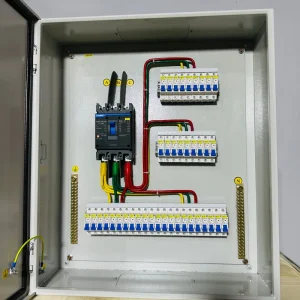
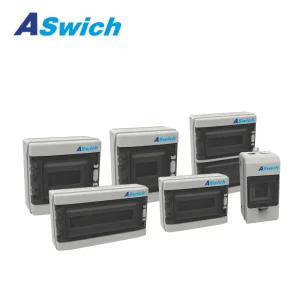
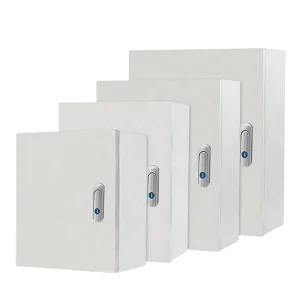
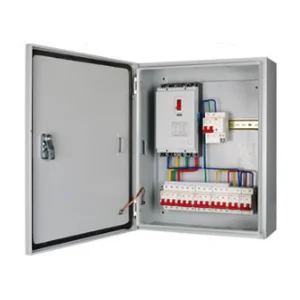
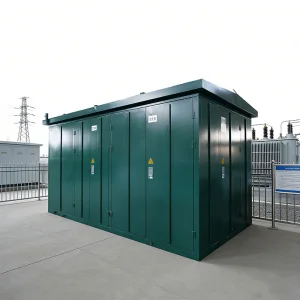
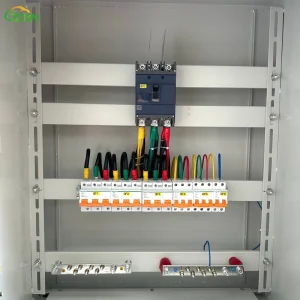
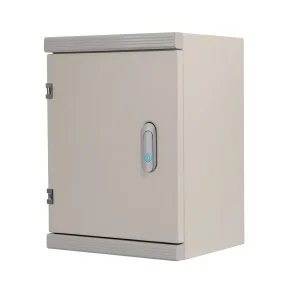
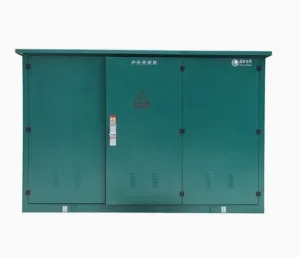
The technological forces transforming modern energy storage, thermal management, and power distribution.
Real-time physical monitoring forms the foundation. Implementing non-contact infrared thermal sensors within MCCB and busbar junctions allows early identification of high-resistance points before a thermal runaway event occurs.
Modern switchgears must combat non-linear load noise. Integrating Active Harmonic Filters directly within industrial low-voltage cabinets eliminates THD, protecting sensitive digital machinery from transient disruption.
Moving toward solid-state circuit breakers (SSCB) and autonomous microgrid switching. Automated transfer systems integrated with battery storage power lines ensure sub-millisecond failover loops for zero-downtime compliance.
The digitalization of high-power cabinets involves integrating Modbus/RTU, Profinet, and EtherCAT network interfaces into standard sheet metal structures. Historically, a distribution box functioned as a passive isolation device. Modern smart factories demand interactive, intelligent assets that supply load profiles, identify phase imbalances, report active power factors, and support remote telemetry via industrial SCADA networks.
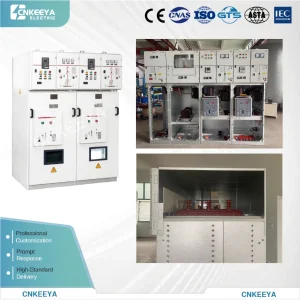
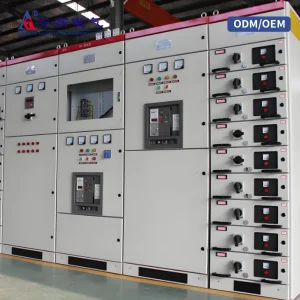
A Global Perspective: Industrial switchgears are transitioning from static mechanical enclosures to dynamic computational platforms. Advanced systems now integrate localized edge servers directly into the low-voltage room to optimize power draw metrics and protect sub-distribution circuits from catastrophic over-current spikes.
How our custom energy distribution systems are engineered to solve real-world challenges across diverse sectors.
Photovoltaic utility plants require combiner boxes that handle input voltages of 1000V DC and above. The combination of variable solar arrays, high-stress conditions, and exposure to environmental heat demands specialized ventilation systems, solar battery junction box setups, and reliable surges protectors.
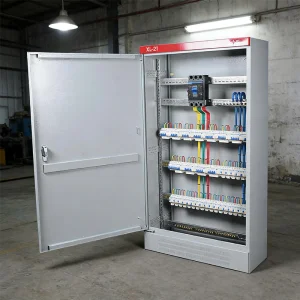
Advanced production facilities integrate heavy PLC (Programmable Logic Controller) enclosures, Variable Frequency Drives (VFDs), and switchgear. These require robust cabinets with IP54 or higher protection ratings, protecting sensitive electronics from microdust, chemical mist, and strong vibrations.
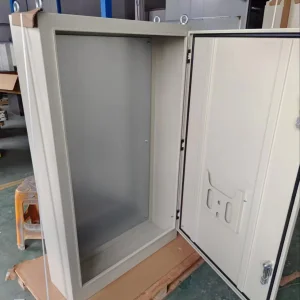
Urban real estate demands dense, secure distribution systems that fit within narrow utility closets. Heavy-duty 160A to 630A residential apartment cabinets are designed with modularity in mind. They feature segregated metering chambers and lockable, anti-tamper security hatches.
Navigating international regulatory frameworks, quality certifications, and localized field engineering requirements.
Deploying energy distribution panels internationally requires adhering to specific local electrical codes. A custom enclosure designed for a European commercial complex must comply with IEC 61439-1 & 2, specifying testing criteria for short-circuit withstand strength, temperature rise limits, and dielectric properties. Meanwhile, North American applications require compliance with NEMA Standards (such as NEMA 4X for corrosion-prone coastal installations) and UL 508A certifications for industrial control panels.
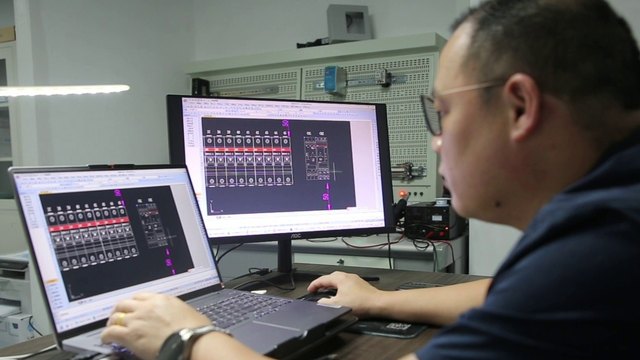
Our global engineering network bridges the gap between offshore manufacturing and local compliance. When customizing electrical enclosures, we simulate real-world physical stress using advanced CAD/CAE tools. This ensures that every high-voltage cable branch box, metal switchgear cabinet, and wall-mounted terminal box is pre-certified and ready for installation upon delivery, avoiding delays with local inspectors.
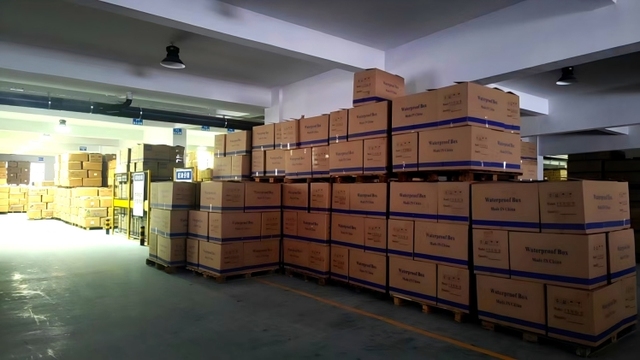
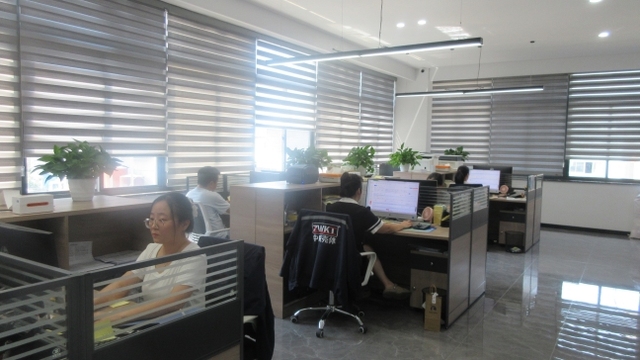
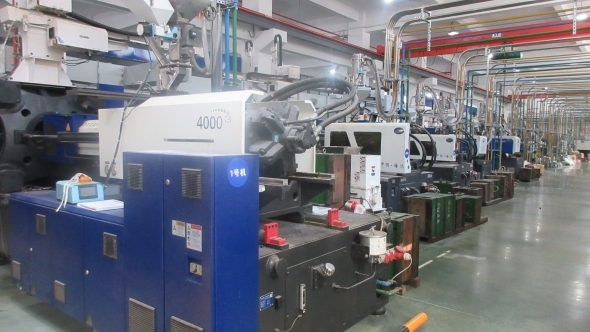
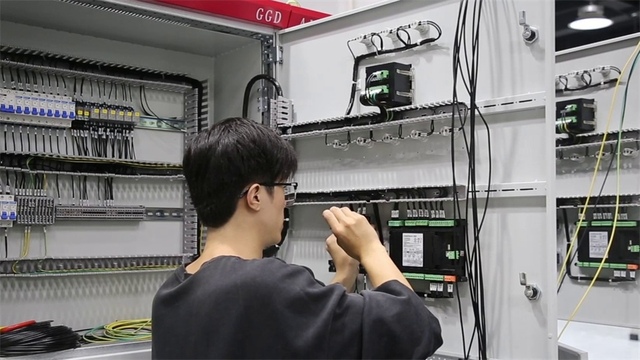
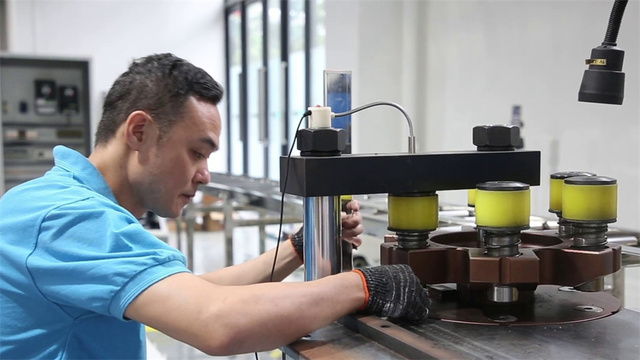
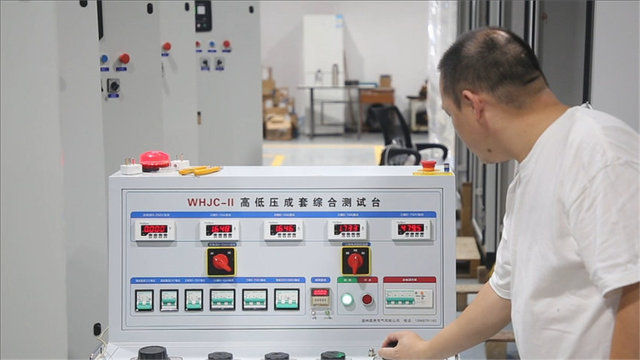
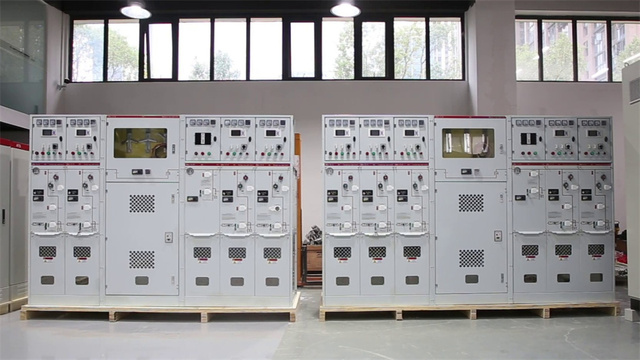
Inside Hangzhou SN Electrical Co., Ltd.'s advanced manufacturing facility.
Located in the industrial hub of Hangzhou, Zhejiang Province, China, Hangzhou SN Electrical Co., Ltd. represents the next stage of electrical systems manufacturing. Spanning a 18,000-square-meter facility with more than 250 skilled employees, our plant utilizes automated manufacturing technologies. It handles every stage of production—from sheet metal processing using precision CNC fiber lasers and high-speed hydraulic press brakes, to automated electrostatic powder coating lines and final assembly.
Our integration of sheet metal fabrication and component installation under one roof allows us to bypass third-party production bottlenecks. This end-to-end control accelerates production times while maintaining strict quality consistency across large orders. By sourcing raw steel locally and employing automated welding processes, we pass cost savings and manufacturing efficiencies directly to our clients.
OEM and ODM Services: We specialize in custom-tailored solutions. From minor modifications to specialized cutouts, or fully bespoke engineering plans, our R&D team works directly with client engineers. We produce prototypes quickly, verify physical tolerances, and manufacture custom units in large volumes.
How procurement teams evaluate suppliers to balance upfront cost, long-term safety, and system lifespan.
Outdoor or marine environments demand high-grade 304 or 316L stainless steel, or specialized engineering plastics (like glass-reinforced polyester). Verify that your manufacturer offers certified, salt-spray-tested surface coatings.
Modern distribution boards must integrate smoothly with third-party switchgear (such as Siemens, Schneider, and ABB). Avoid proprietary systems that lock you into a single vendor's components.
The copper busbar layout must handle target fault current ratings (KA values) without mechanical warping or insulation failure during short circuits.
When assessing the Total Cost of Ownership (TCO) of energy distribution components, focusing solely on the purchase price of the enclosure can be misleading. Hidden expenses often stem from field-installation retrofitting, thermal performance failures, and project delays due to non-compliant documentation. Partnering with a manufacturer like SN Electrical, who provides complete electrical schematics, 3D STEP files, and comprehensive component lists, helps ensure a smooth, predictable installation process.
High-performance industrial and commercial equipment optimized for modern grid demands.
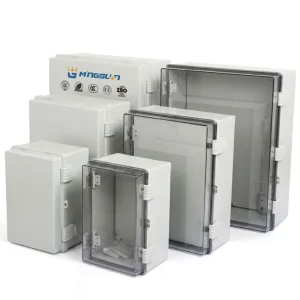
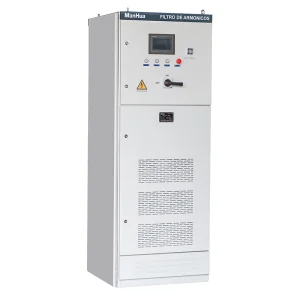
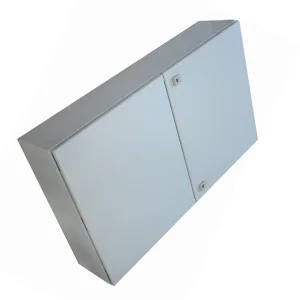
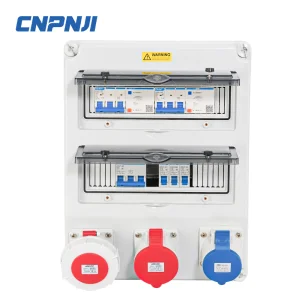
Clear, technical answers to common queries regarding power distribution design, standards, and deployment.
 SN Electrical