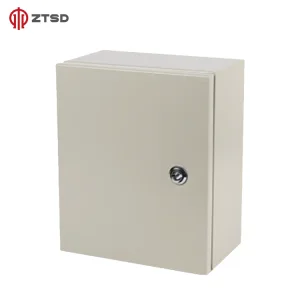
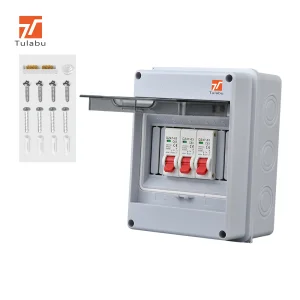
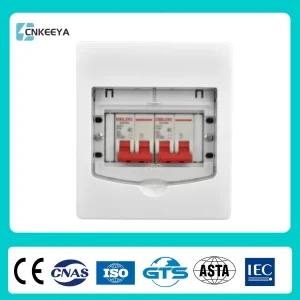
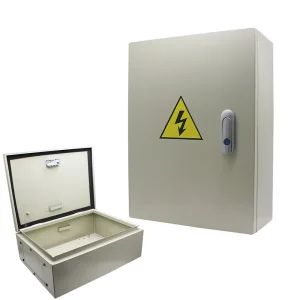
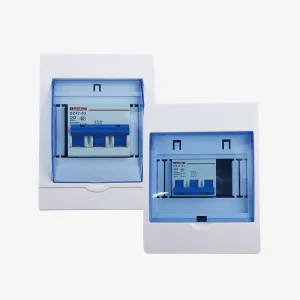
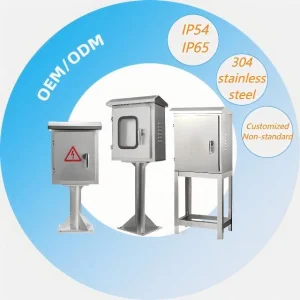
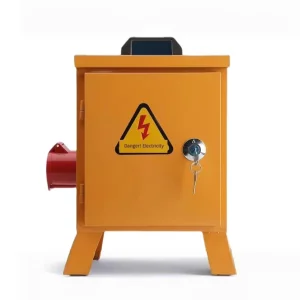
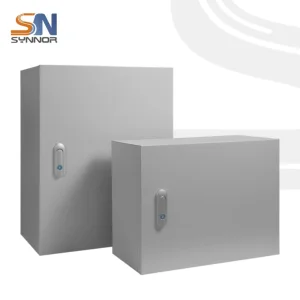
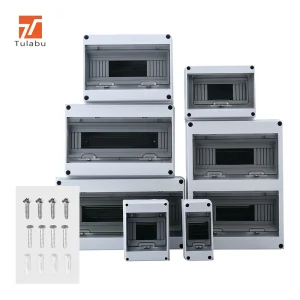
Explore our certified, heavy-duty electrical control cabinets, outdoor waterproof breakers, and custom power solutions engineered for resilient performance under harsh field environments.
Hangzhou SN Electrical Co., Ltd. is an industry-leading power distribution manufacturer specializing in the research, design, and manufacturing of low-voltage electrical distribution systems, robust industrial power management equipment, and smart electrical infrastructure solutions. Established in 2011, our headquarters and modern production facilities are strategically located in Hangzhou, Zhejiang Province, China. This location connects us to an advanced electrical manufacturing ecosystem and highly integrated international logistics networks, ensuring seamless global exportation.
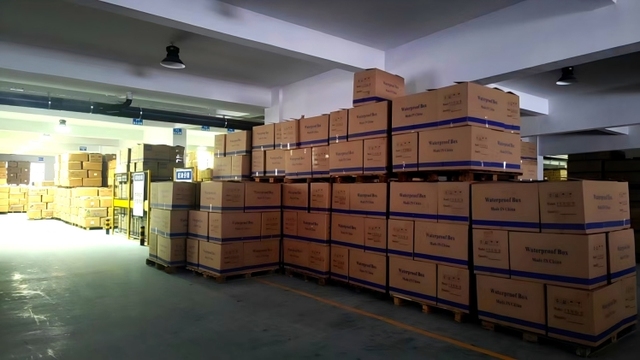
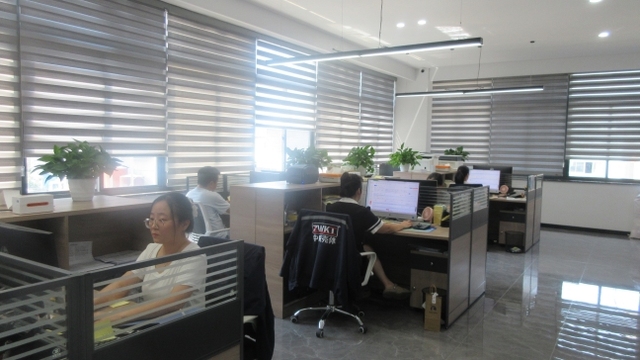
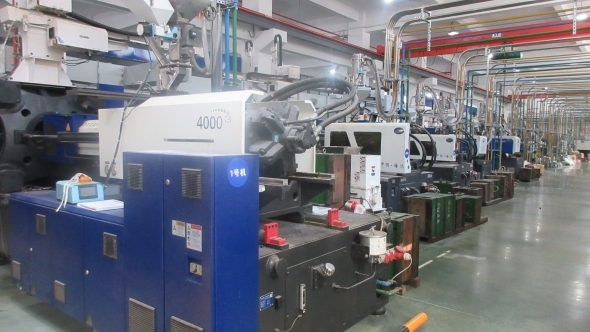
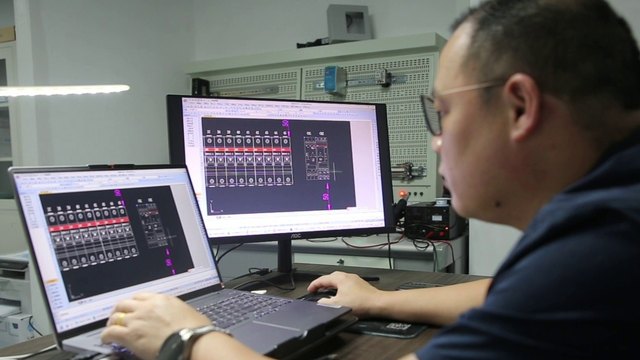
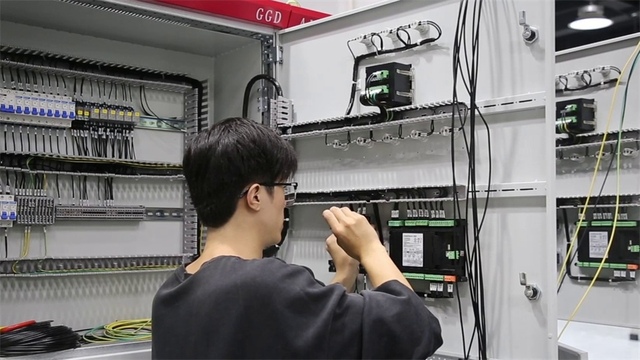
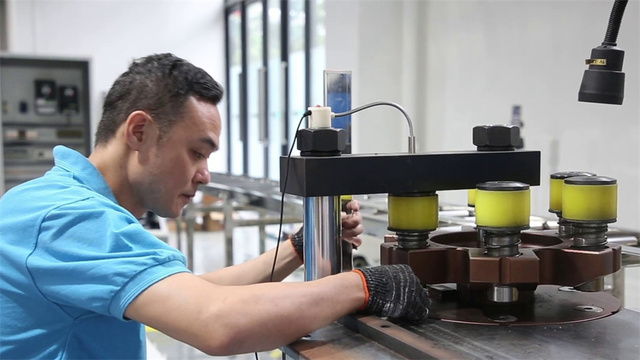
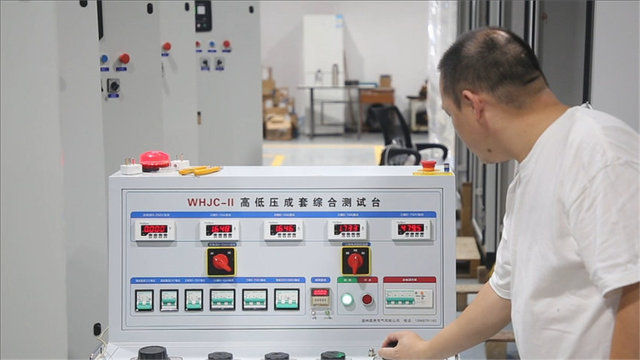
Operating a state-of-the-art facility spanning over 18,000 square meters and powered by a highly skilled workforce of more than 250 specialized engineers and assembly operators, SN Electrical manages the entire product lifecycle in-house. From 3D parametric enclosure design and precision CNC sheet metal fabrication to assembly, secondary wiring, calibration, and rigorous high-voltage safety testing, we ensure that every unit leaving our floor is optimized for reliability and long-term durability.
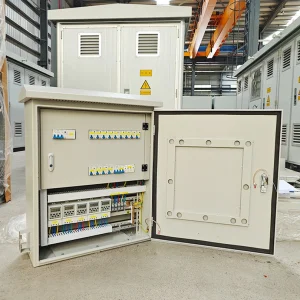
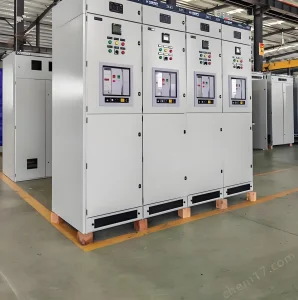
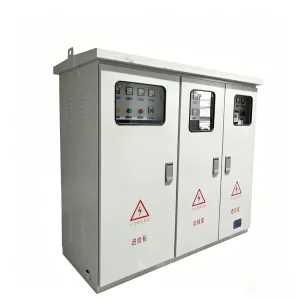
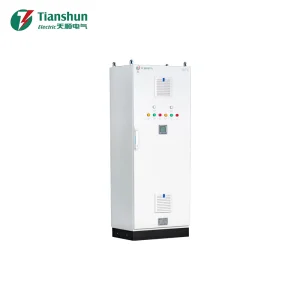
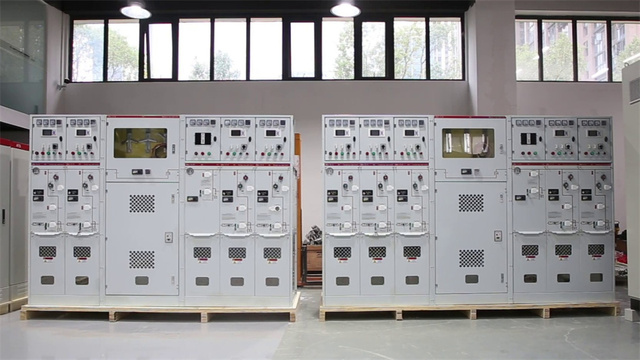
Our extensive portfolio spans high-performance solutions including outdoor electrical cabinets, low-voltage power distribution boxes, industrial distribution panels, heavy-duty utility enclosures, meter boxes, control cabinets, and IP-rated weatherproof enclosures. In response to modern trends in energy management, we continuous integrate edge-computing IoT modules, remote power telemetry, and surge protection features, positioning SN Electrical as a trusted OEM/ODM partner for landmark infrastructure projects worldwide.
In response to global sustainability mandates and smart building initiatives, the engineering requirements for site-based temporary electrical grids have evolved far beyond basic metal boxes.
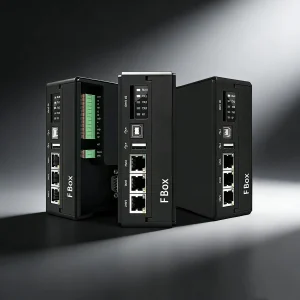
Modern worksites require real-time electrical analytics. Integrating 4G/Wi-Fi Edge Computing Gateways into distribution setups allows projects to monitor phase loads, voltage drop, power factor, and thermal levels remotely, preventing costly downtime and fire hazards.
With unpredictable global climates, standard enclosures fail to handle heavy moisture and extreme heat. High Ingress Protection ratings (IP65, IP66, and IP67) coupled with UV-stabilized materials and thermal ventilation paths prevent internal condensation and pre-mature failure.
Fast-track infrastructure demands rapid mobilization. Power distribution boxes must utilize heavy-duty, fast-connection industrial sockets and customizable breaker layouts, allowing the temporary grid to expand or contract as construction phases advance.
Procurement teams for Tier-1 construction companies face immense pressure to select hardware that meets international safety codes. Equipment failure on a remote site does not just stall production; it exposes stakeholders to severe liability. Therefore, temporary boards must conform to localized frameworks:
SN Electrical addresses these strict compliance demands with customizable interior component configuration. Whether integrated with ABB, Schneider, Siemens, or premium domestic switchgear components, we guarantee that the final equipment delivers excellent mechanical rigidity, fault coordination, and electrical isolation.
From deep shaft mining to mega skyscrapers, our custom low-voltage electrical systems are engineered for diverse, highly complex operating conditions.
For skyscraper construction, vertical power delivery is critical. We build custom multi-tier distribution boards with integrated surge protective devices (SPD), low-voltage drop compensation, and crane-liftable crane loops for safe, modular crane lift positioning.
Mining and solar farms require enclosures that can withstand dust storms, corrosive soils, and intense vibrations. Our customized stainless steel and aluminum IP66 junction boxes offer high chemical resistance and mechanical isolation to safeguard sensitive electronics.
Connecting temporary grids directly to utility substations requires robust protection coordination. Our XL-21 type power cabinets and high-interrupting MCCB configurations safely handle fault currents up to 50kA, keeping city networks protected from field-induced faults.
Aligning with digital evolution, SN Electrical is pioneering a clear engineering pathway toward smarter, safer, and cleaner distribution systems.
Deployment of 4G IoT enabled smart circuit breakers. The distribution boards can remotely run diagnostic routines, report ambient humidity within enclosures, and trigger automated alerts before overload-induced thermal runs occur.
Integrating hybrid power controls to manage dual inputs from local grids and mobile battery energy storage systems (BESS). This facilitates carbon reduction programs across green-certified worksites.
Transitioning toward solid-state circuit breaking for near-instantaneous arc suppression. Integrating cloud-based diagnostics to analyze transient voltage fluctuations, letting project teams know when to service internal switchgear before components fail.
Providing direct answers to critical design, testing, and shipping inquiries for professional electrical engineers and global procurement executives.
Generally, standard designs range between 15-20 days. However, specialized, project-scale custom boards requiring custom tooling, specialized sheet metal fabrication (e.g., 316 Stainless Steel, custom powder coating colors), and specific integration of third-party components (Schneider/ABB) take approximately 30-40 days from final approved engineering schematics.
All our temporary site assemblies undergo strict type-testing routines simulating harsh field conditions. We verify dielectric insulation properties, short-circuit withstand capacity (Icw up to 50kA), mechanical impact resistance (up to IK10), and heat rise under full load. Every board features mandatory RCCB/RCD shock prevention components, double insulation where required, and lockable safety covers to prevent unauthorized access.
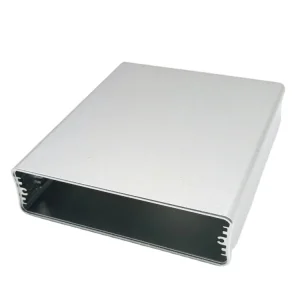
Yes, we specialize in high-corrosive environmental protection. We fabricate enclosures using marine-grade 316 Stainless Steel or extruded aluminum (IP54/IP65/IP66) finished with heavy electrostatic thermosetting epoxy polyester powder coating. This prevents salt-spray degradation, chemical damage, and premature oxidation in highly humid or acid-prone areas.
Every distribution board undergoes a multi-point verification process: (1) Visual inspection & dimensional compliance; (2) Mechanical operation check of all switches and locks; (3) Dielectric high-voltage insulation tests; (4) Grounding/earthing continuity validation; (5) Electronic diagnostic testing of PLC and edge IoT modules to guarantee functional plug-and-play operation upon arrival.
Engineered with precision for heavy-duty distribution requirements, these solutions optimize power reliability across demanding infrastructure projects.
 SN Electrical