Explore high-performance, weather-resistant power distribution cabinets and control boxes engineered for low-voltage safety and solar compatibility.
The global transition toward decentralized power grids, automated manufacturing, and carbon neutrality has forced a paradigm shift in how electrical power is monitored, routed, and conserved. Modern Energy Control Systems (ECS) represent the hardware and software layers that aggregate data and protect distribution channels in high-demand environments. Today, grid resilience, industrial safety, and renewable generation depend entirely on the physical durability and intelligence of their containment frameworks—specifically, distribution panels, PV combiner boxes, and modular switchgear.
In North America, Europe, and the Asia-Pacific region, the convergence of IoT integration and mechanical structural engineering has driven a surge in factory automation. Regulatory frameworks such as the European Green Deal and the US National Electrical Code (NEC) demand higher insulation values, strict short-circuit protections, and reliable data-logging capabilities inside low-voltage switchboards. As a result, selecting an authoritative, certified manufacturer is no longer merely a procurement decision; it is a critical strategy for asset preservation and operational longevity.
"Decarbonization is not solely about generation; it is about intelligent regulation. The physical enclosures and distribution terminals house the crucial intelligence that shields high-value infrastructure from grid instabilities."
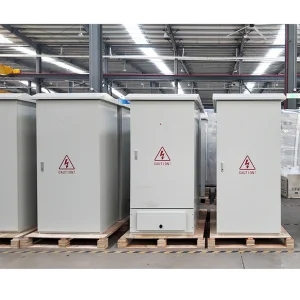
Industrial scale power requirements call for specialized enclosures tailored to the environment. The criteria for indoor data centers versus harsh outdoor environments—such as marine solar or mountain wind farms—vary significantly. Top manufacturers prioritize specialized designs that account for thermal runaway, dust ingress, and seismic movement.
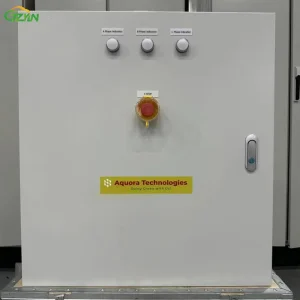
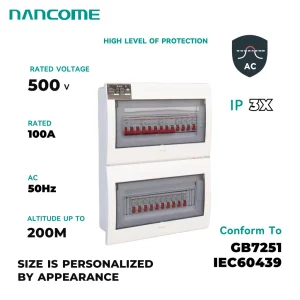
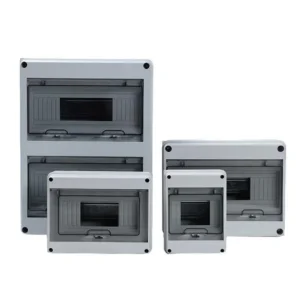
Multi-tenant facilities require compact modular distribution boxes equipped with MCCBs (Molded Case Circuit Breakers) to guarantee localized isolation during fault conditions, avoiding massive commercial shutdowns.
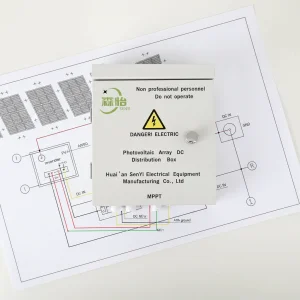
PV Combiner boxes integrating MPPT (Maximum Power Point Tracking) technology and multi-stage surge arrestors safeguard expensive inverters from high-voltage DC surges generated by utility-scale solar farms.
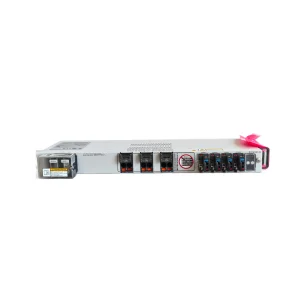
DCDU (Direct Current Distribution Units) embedded with 4G/GSM telemetry modules allow network operators to manage remote cell site power grids and monitor environmental status proactively.
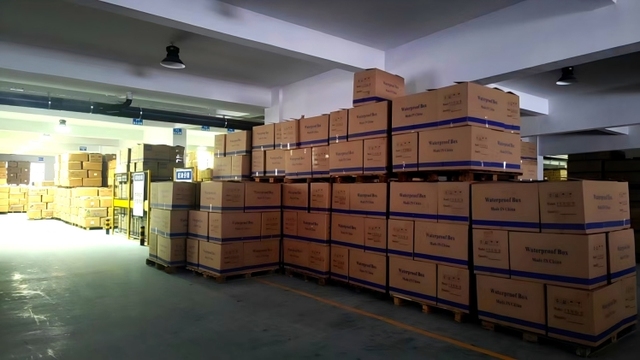
Established in 2011, Hangzhou SN Electrical Co., Ltd. has grown to become a cornerstone manufacturer of low-voltage electrical distribution systems, smart industrial power units, and custom-engineered enclosures. Operating within the industrial corridor of Hangzhou, Zhejiang Province, China, the company leverages regional raw material supply chains and access to deep-water shipping terminals to maintain efficient global logistical workflows.
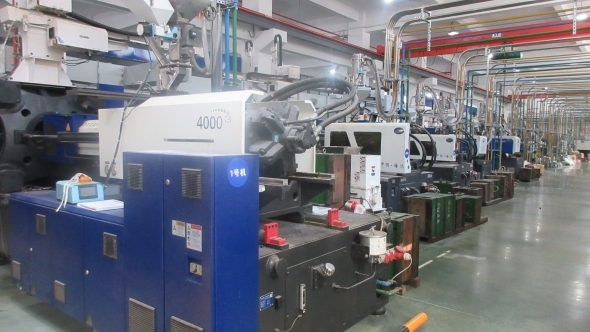
The factory occupies an expanse of over 18,000 square meters of state-of-the-art production floors, utilizing precision laser cutting, CNC bending, and robotic welding technologies to process sheet metal, stainless steel, and polycarbonate components. Supported by a highly skilled workforce of over 250 mechanical and electrical engineering professionals, the company handles complex OEM and ODM portfolios spanning low-voltage power distribution boards, IP-rated junction boxes, and heavy-duty industrial control panels.
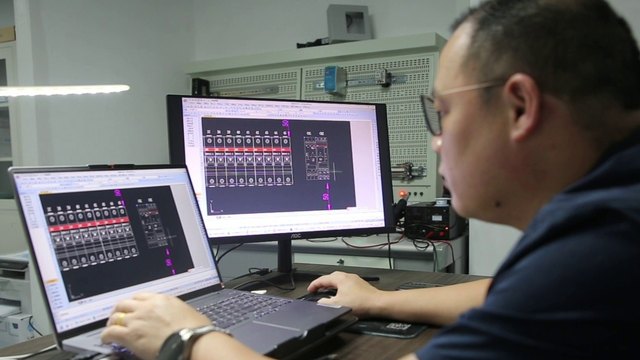
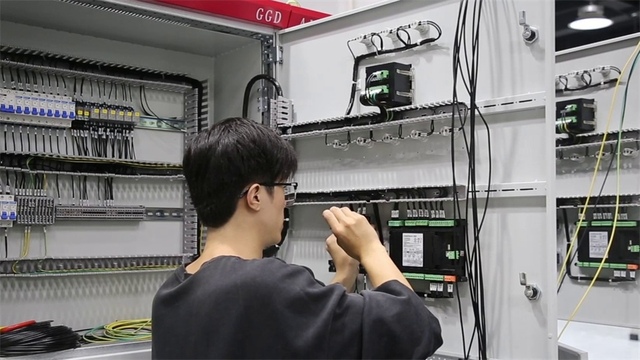
By maintaining absolute control over the entire production cycle—from CAD layout and raw sheet metal punch fabrication to wiring assembly, insulation resistance measurement, and waterproof testing—SN Electrical ensures that each unit is built to withstand localized climates. Their products are regularly exported to demanding markets in Europe, North America, South America, Southeast Asia, the Middle East, and Africa, ensuring complete compliance with global mechanical protection requirements.

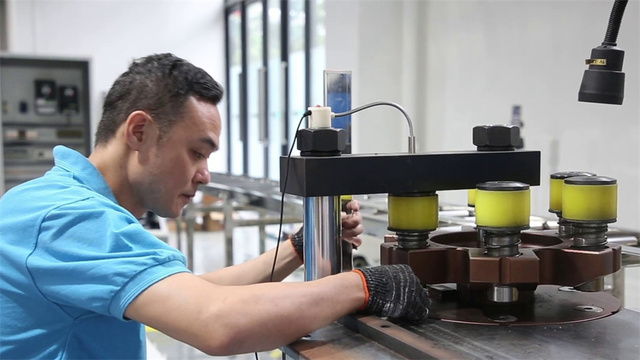
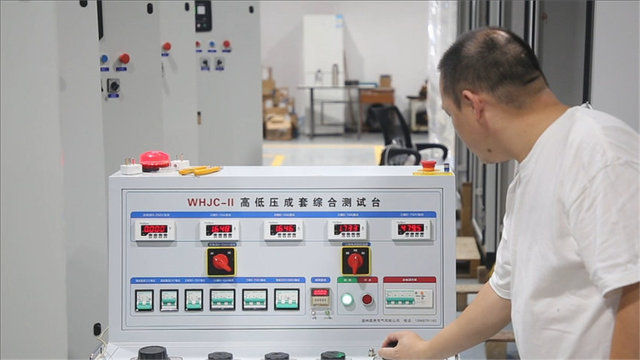
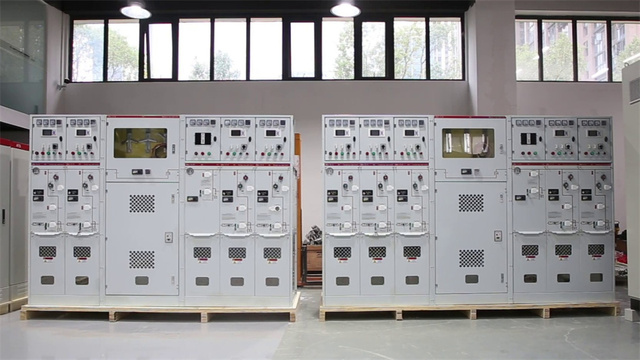
Deploying low and medium-voltage electrical setups internationally requires strict compliance with domestic electrical codes. A failure to comply can lead to high liability risks and operational downtime. Elite factories like SN Electrical construct their cabinets under standardized technical frameworks to ensure safe global integration.
| Region / Market | Primary Standards | Mandatory Ratings | Typical Applications |
|---|---|---|---|
| Europe (EU) | IEC 61439-1/2, CE, RoHS | IP65/IP66, IK10 Impact resistance | Industrial automation, municipal infrastructure |
| North America (US/CA) | UL 508A, NEMA 3R/4/4X | Up to 600V, Short Circuit Current Rating (SCCR) | Commercial building switchboards, HVAC control panels |
| Global Solar Market | IEC 60364-7-712, UL 1741 | 1000V - 1500V DC surge protection | Photovoltaic combiner boxes with integrated MPPT |
When vetting the Top 10 Energy Control Systems Manufacturers & Factories, technical procurement teams must look beyond unit costs. A robust evaluation focuses on manufacturing capabilities, design flexibility, and quality control systems:
The energy control systems industry is rapidly transitioning from passive electrical protection to active digital intelligence. The next generation of distribution systems features smart integration directly at the panel level:
Integration of wireless modules (4G/5G, GSM, and Zigbee) directly within branch distribution panels. Real-time logging of current, voltage, and internal cabinet temperature reduces the need for manual on-site inspections.
Thermal anomalies and micro-arcing signatures are identified at the edge using machine learning algorithms. Enclosures can flag deteriorating cabling insulation before short circuits occur.
Mechanical breakers are replaced by high-speed silicon-carbide (SiC) solid-state switches. Fault isolation times drop from milliseconds to microseconds, preventing critical equipment damage.
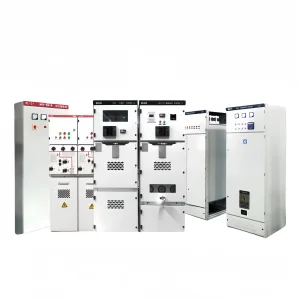
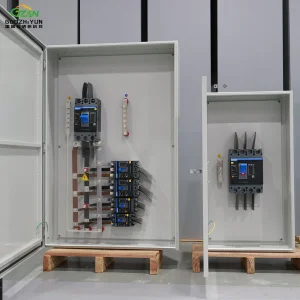
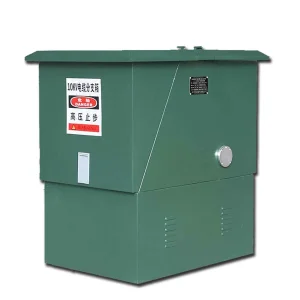
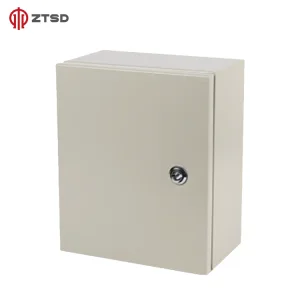
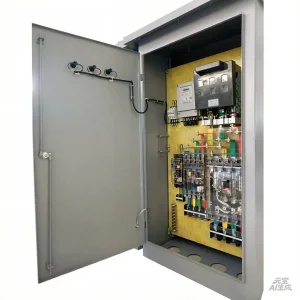
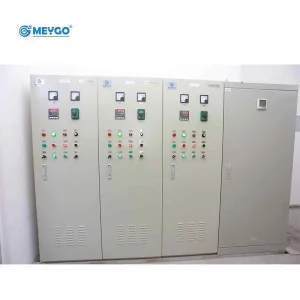
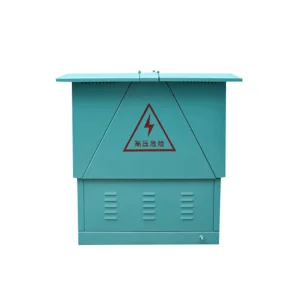
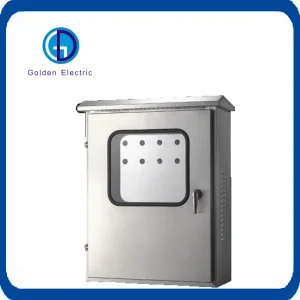
Heavy-duty control switchboards, waterproof junctions, and high-voltage cable branch units built for reliable industrial operations.
Answers to critical questions regarding design parameters, certifications, and compliance from our engineering team.
 SN Electrical