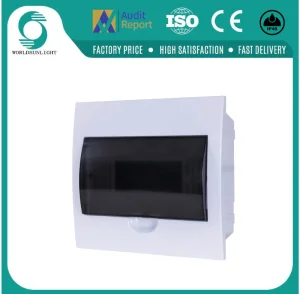
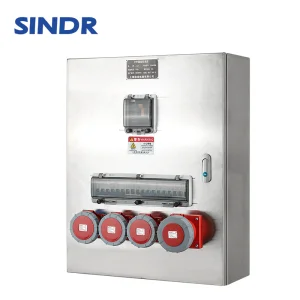
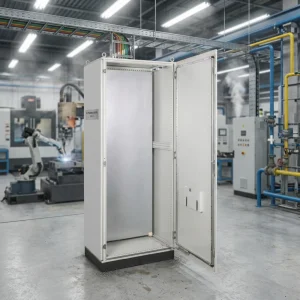
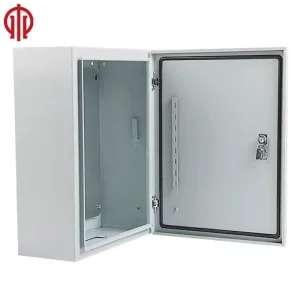
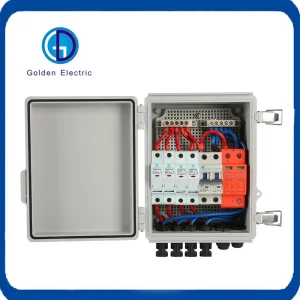
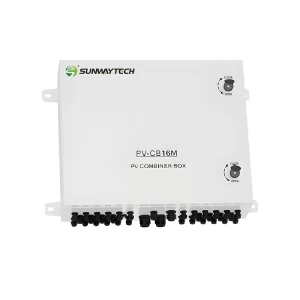
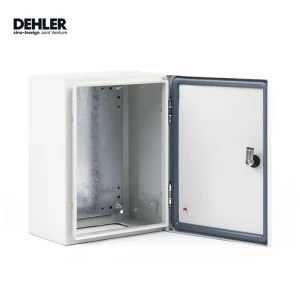
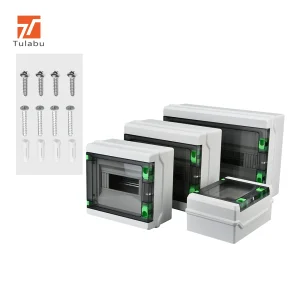
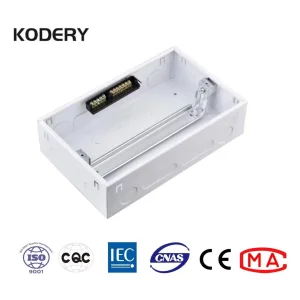
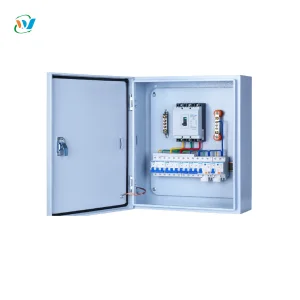
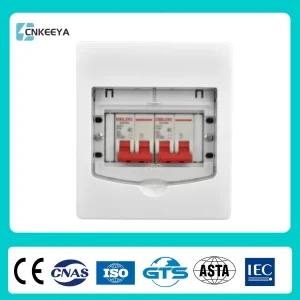
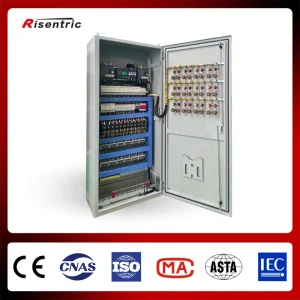
Engineered to withstand demanding environments, our top-tier electrical control cabinets, PV combiner units, and distribution enclosures lead the industry in safety and structural integrity.
Production Sq. Meters
Skilled Technicians & Staff
Export Target Regions
Certified Quality Management
The global energy landscape is undergoing an unprecedented transition. Grid architectures that once relied solely on alternating current (AC) are now rapidly adapting to incorporate high-voltage and low-voltage direct current (DC) systems. This paradigm shift is driven by the exponential growth of renewable energy integration (such as solar photovoltaic systems), battery energy storage systems (BESS), and electric vehicle (EV) charging infrastructure. Consequently, modern electrical distribution networks demand specialized distribution hardware that can reliably manage both AC and DC loads.
For engineering departments, project developers, and sourcing managers, identifying a manufacturer with capabilities in both AC and DC technologies is crucial. High-quality switchgear, intelligent MCB distribution panels, and high-tensile enclosures serve as the structural and operational backbones of these power grids. Protecting sensitive internal components from environmental factors (dust, rain, corrosive coastal environments) while managing high-current distribution is the key to minimizing lifetime operating costs.
Established in 2011 and situated in the industrial hub of Hangzhou, Zhejiang Province, China, Hangzhou SN Electrical Co., Ltd. has grown into a leading manufacturer of high-precision low-voltage electrical distribution boxes and smart power management equipment.
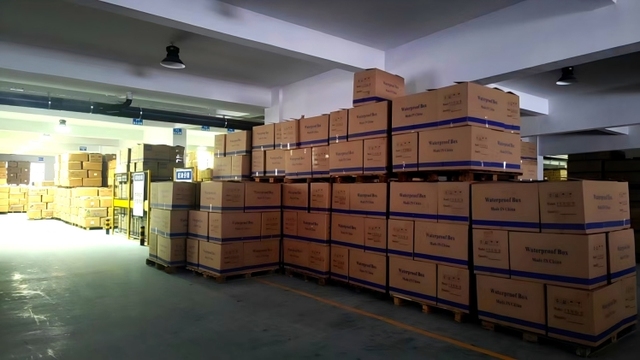
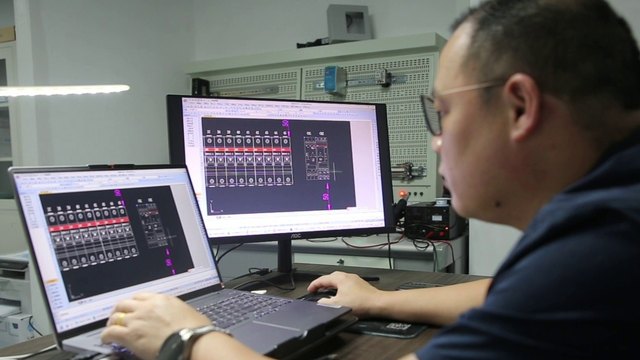
Spanning an expansive manufacturing facility of over 18,000 square meters and employing a workforce of more than 250 skilled engineers and assembly specialists, SN Electrical coordinates every phase of production internally. From conceptual sheet metal engineering and 9-fold structural frame bending to precision welding, automated powder coating, component integration, and final testing, our processes conform to strict ISO 9001 quality guidelines.
As an established global OEM and ODM partner, SN Electrical bridges the gap between complex engineering requirements and large-scale manufacturing. Our international footprint spans North America, South America, Europe, Southeast Asia, the Middle East, and Africa, delivering tailored systems that meet specific regional grids and environmental needs.

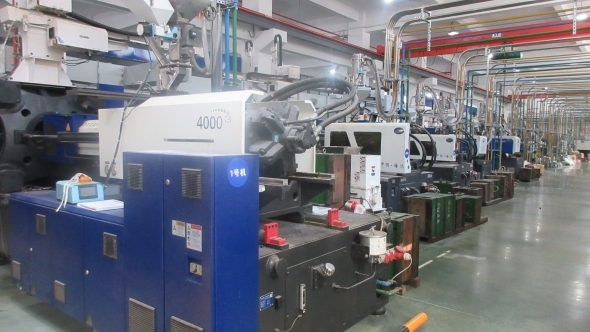
Sourcing low-voltage and high-current electrical infrastructure from China provides distinct advantages to international procurement networks. However, the true value lies in region-specific industrial clusters:
Hangzhou is positioned in close proximity to major raw material providers and component ecosystems, enabling fast access to premium steel alloys, pure copper busbars, and engineered polymers.
Close proximity to two of the world's largest deep-water sea ports (Ningbo-Zhoushan and Shanghai) minimizes inland freight costs and drastically shortens international shipping transit times.
Highly integrated factories offer rapid CAD prototyping, automated CNC manufacturing, and customizable structural configurations tailored to custom electrical designs.
SN Electrical leverages this supply chain location to source raw materials cost-effectively and ensure continuous fabrication. This enables competitive lead times and cost efficiencies for enterprise customers without compromising compliance or physical design specifications.
A power distribution system must maintain structural integrity and electrical continuity under harsh operational conditions. SN Electrical applies advanced material sciences and thermal modeling to ensure every enclosure meets these strict guidelines:
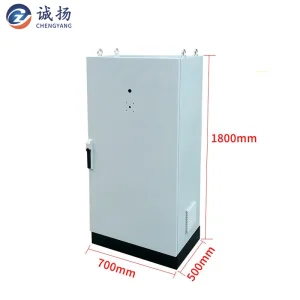
Outdoor cabinets are fabricated from cold-rolled steel, galvanized sheet metal, or NEMA 4X marine-grade stainless steel. They undergo an extensive pre-treatment wash and are coated with UV-resistant electrostatic powder coatings. This process ensures the structure resists rust and chemical damage in industrial or coastal environments.
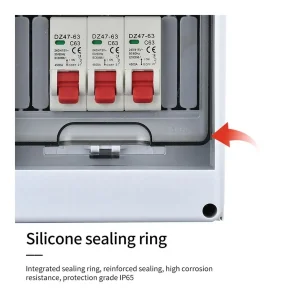
From residential IP40 enclosures to heavy-duty IP65 and IP67 industrial configurations, each box is engineered for specific environments. We use automated poly-foam gasket injection machines to apply seamless polyurethane gaskets directly to the door channels. This ensures a tight seal that prevents water, dust, and particulate ingress.
Low-voltage switchgear can experience thermal stress during peak operations. Our electrical cabinets incorporate engineered ventilation pathways, internal heat sinks, and thermal barriers. These prevent local hotspots, mitigating the risk of component failure and protecting workers from electrical arc risks.
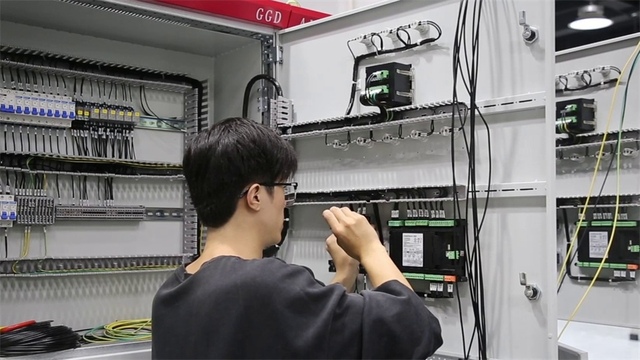
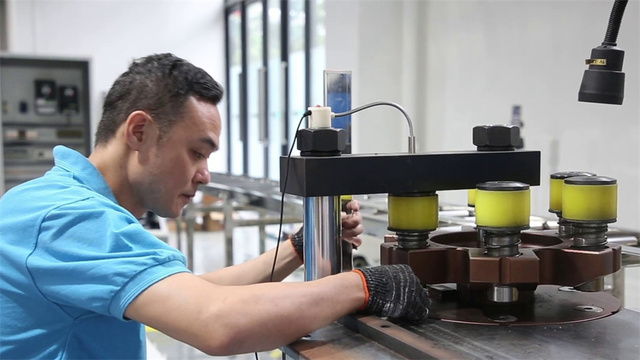
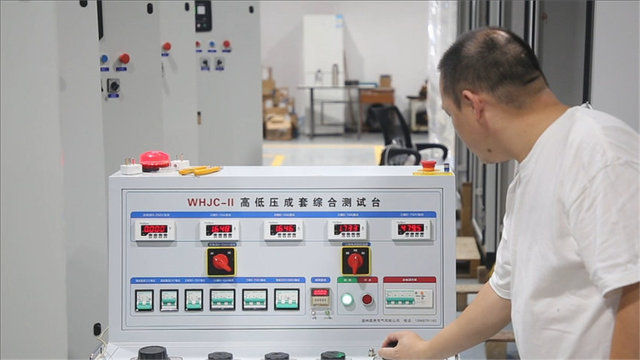
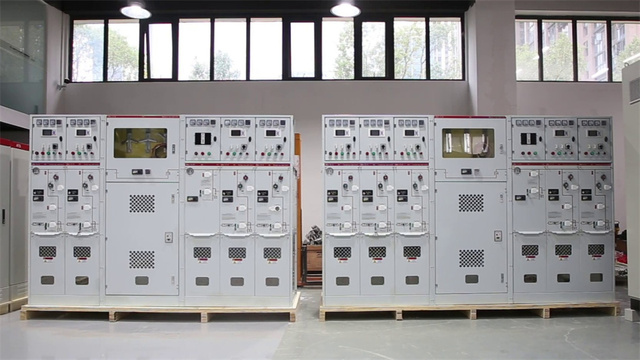
Procuring electrical components globally requires strict adherence to international standards and regional safety frameworks. Failing to align with local codes can result in regulatory delays, legal liabilities, or premature equipment failure. Below are the key compliance frameworks that SN Electrical integrates into its production lines:
Explore how our customized AC & DC systems perform in distinct real-world applications across various environments.
Deploying 8-to-16 string solar PV combiner boxes rated for DC 1000V/1500V. Featuring integrated surge protection devices (SPDs) and fast-acting DC fuses, these units are designed to withstand high solar radiation and extreme heat in open fields.
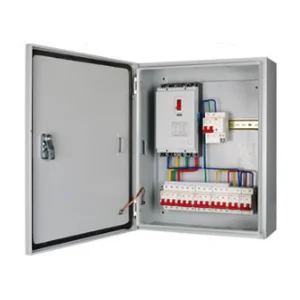
Custom 9-folded metal electric control cabinets integrated with low-voltage switchgear. Designed for automated assembly lines and manufacturing plants, they ensure continuous performance and protect internal components from electromagnetic interference (EMI).
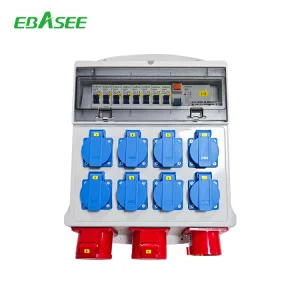
Using IP67 waterproof industrial sockets on robust ABS distribution boxes. These enclosures resist physical impacts, chemical spills, and heavy rain, providing temporary power systems for construction sites.
Complementary hardware solutions engineered for high durability, reliable metering, and flexible mounting options in public, commercial, and utility projects.
Expert answers to common engineering, procurement, and deployment questions regarding low-voltage distribution grids.
 SN Electrical