Engineered high-durability enclosures, intelligent combiner configurations, and heavy-duty industrial junction interfaces designed to withstand extreme environments.
How modern infrastructure transitions demand unprecedented resilience, grid-level intelligence, and modular electrical enclosures.
Across the globe, industrial ecosystems are executing a profound transition from fossil-fueled mechanical systems to fully integrated electrification structures. Fueled by decentralized renewable energy, the expansion of green manufacturing hubs, and the rapid deployment of electric vehicle (EV) charging arrays, the global need for robust low-voltage power distribution systems has reached a critical bottleneck. Modern engineering demands are no longer restricted to simple electrical containment. Standard enclosures must now function as high-tech thermal management zones, intelligent node controllers, and severe-weather proof barriers that safeguard multibillion-dollar smart grid components.
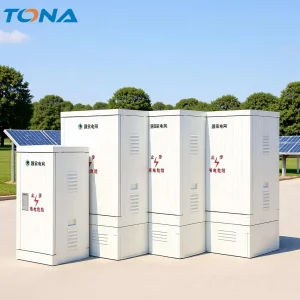
In highly industrialized areas, particularly in Western Europe and North America, aging power grids are undergoing rapid digitization. As these grids integrate distributed energy resources (DERs) such as community solar, grid-scale batteries, and local industrial microgrids, they encounter unprecedented voltage fluctuations, harmonic distortions, and surge hazards. Protecting sensitive monitoring instruments, microcontrollers, and switchgears requires highly specialized, robustly engineered distribution boxes that can operate in temperatures ranging from sub-zero arctic fields to scorching desert solar sites. For EPCs (Engineering, Procurement, and Construction) and global wholesale purchasing directors, identifying a manufacturer that marries heavy-duty mechanical engineering with precise compliance to international electrical standards is a pivotal operations imperative.
However, global procurement managers face a complex dilemma. Finding high-quality enclosures that deliver exceptional resistance to water ingress, extreme dust, thermal stress, and impact (IK-ratings) often commands a premium that damages construction margins. On the other hand, sacrificing quality by selecting low-grade distribution cabinets leads to system outages, fire safety liabilities, and costly field replacements. Global sourcing teams must therefore look toward advanced Chinese manufacturing clusters that leverage structural scale, complete domestic supply chains, and highly refined tooling technology to supply premium-grade electrification units at optimized economic volumes.
A Premier Force in Low-Voltage Distribution Systems & Customized Smart Cabinet Engineering.
Established in 2011 and nestled within the advanced industrial ecosystem of Hangzhou, Zhejiang Province, China, Hangzhou SN Electrical Co., Ltd. has established itself as an elite global manufacturer of heavy-duty power distribution enclosures, smart low-voltage control systems, and customized electrical hardware assemblies. Benefiting from the region's world-class metallurgical industries and strategic international deep-water ports (Ningbo and Shanghai), the company provides seamless logistics, rapid component sourcing, and efficient distribution workflows to industrial partners in Europe, North America, South America, Southeast Asia, the Middle East, and Africa.
Spanning an expansive, state-of-the-art facility exceeding 18,000 square meters and employing over 250 highly trained electromechanical technicians, CNC programmers, and precision assemblers, SN Electrical maintains full, vertically integrated control over the manufacturing lifecycle. From initial CAD/SolidWorks structural engineering, automated laser sheet metal punching, and precision robotic press brake bending to electrostatic thermoplastic powder coating, automated IP65 polyurethane foam gasketing, electrical busbar integration, and multi-point dielectric testing—every process is monitored under strict ISO 9001 quality management systems.
By continually reinvesting in automated metal fabrication systems and intelligent optical inspection rigs, SN Electrical guarantees that each product—whether a residential lighting distribution board or a high-capacity custom electrical power cabinet—consistently meets or exceeds the mechanical, environmental, and thermal safety requirements demanded by modern infrastructure installations.
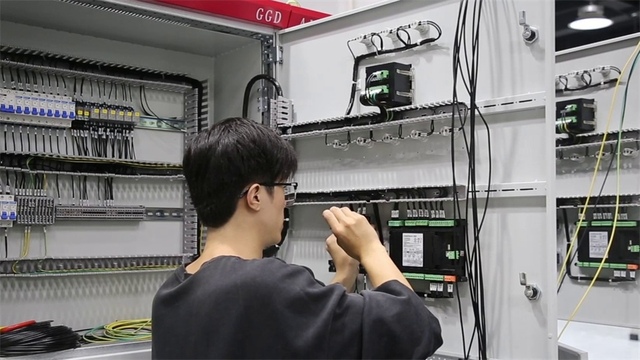
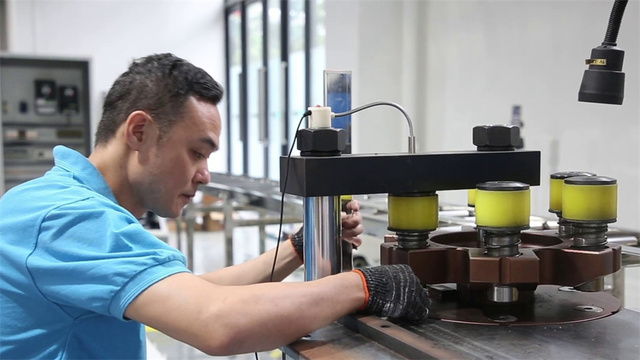
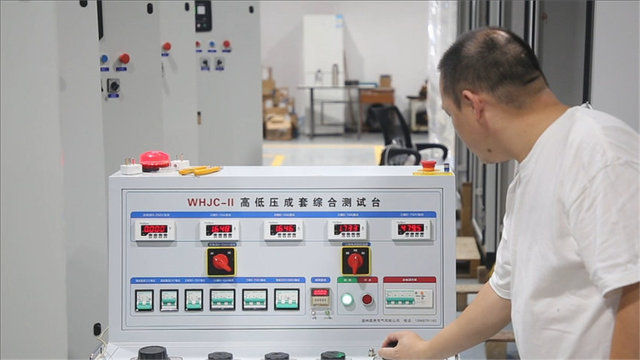
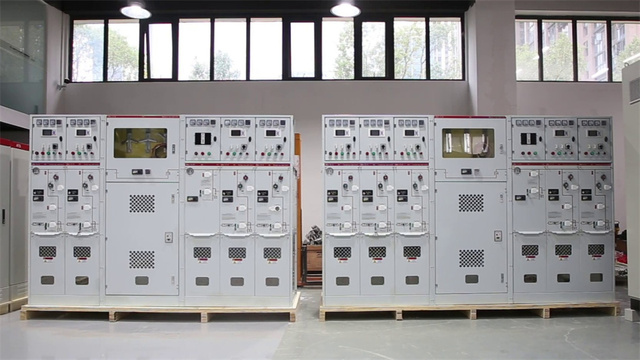
Visual tour of our sheet metal processing, automated painting, precision assembly, and warehousing facilities.
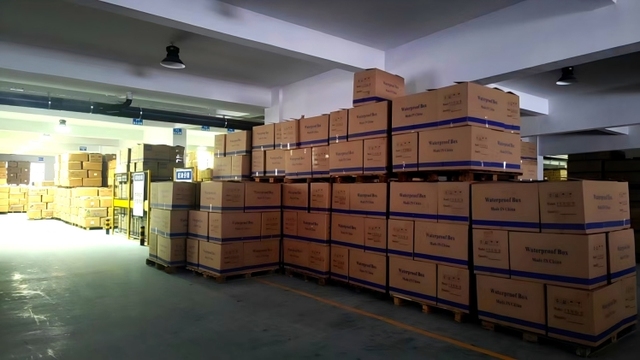
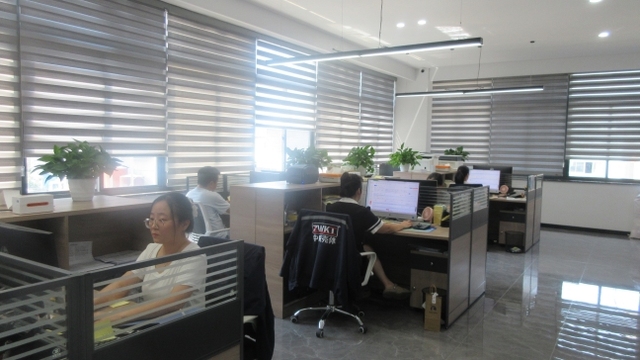
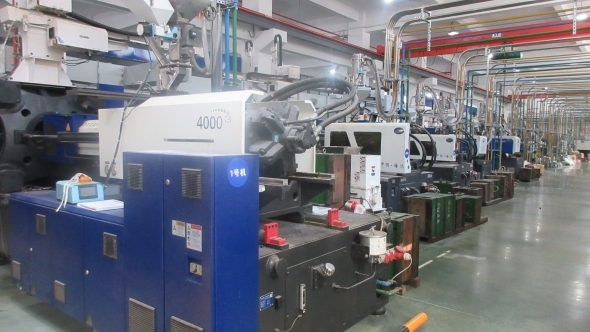
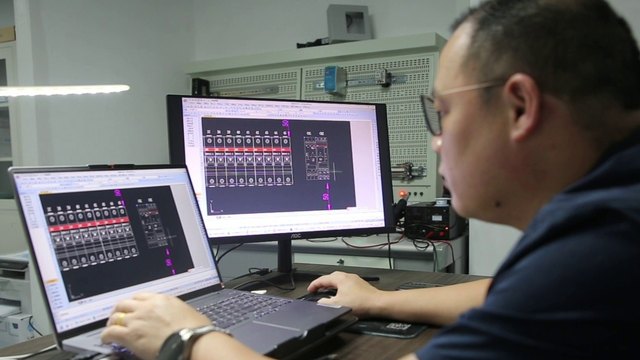
Unpacking the structural, economic, and speed advantages of the Zhejiang Electromechanical cluster.
By operating within the heart of the Yangtze River Delta industrial manufacturing zone, SN Electrical gains immediate access to primary metal refineries, industrial plastic raw compound suppliers, copper busbar extruders, and micro-component manufacturers. This regional concentration minimizes sub-component delays and provides unmatched agility during bulk production adjustments.
Unlike western counterparts where custom tooling and die modifications can delay projects for months, our advanced CNC laser machining and hydraulic press setups allow for rapid layout prototyping. Customized structural cutouts, alternate bracket mounts, or dimensional changes can be CAD-modeled, simulated, and manufactured within days.
Mass production facilities running high-tonnage stamping equipment drive down per-unit capital cost drastically. This economic leverage enables SN Electrical to maintain intensive quality assurance procedures, certified electrical components, and rugged, weather-sealed structural assemblies without inflating costs for foreign buyers.
Exploring target environments, electrical environments, and safety standards across major global installation zones.
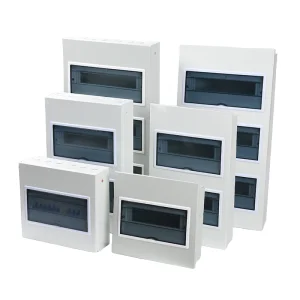
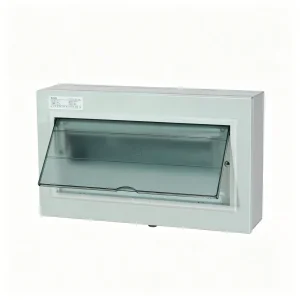
In modern urban residential zones, space efficiency, visual cleanliness, and reliable circuit protection are paramount. Our Quanshi PZ30 Series wall-mounted concealed distribution boards are designed exactly for this intent. Tailored to mount flush inside drywall or structural masonry, they serve as the central node for consumer power distribution, integrating MCBs, RCDs, and surge protection devices (SPDs) cleanly. This ensures that residential lighting circuits and localized appliance loops are protected against overload and short circuits without exposing wiring to homeowners.
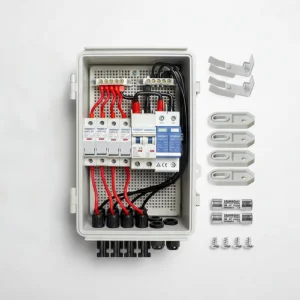
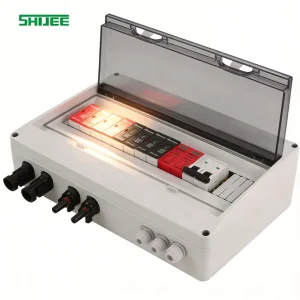
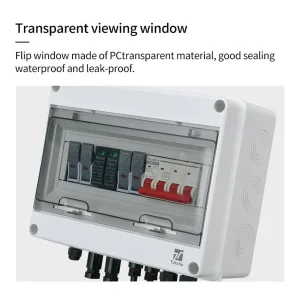
Photovoltaic installations operate under some of the most unforgiving ambient conditions, including elevated solar UV radiation, extreme temperature fluctuations, and localized lightning surges. Our 4-String and High-Efficiency PV Combiner Boxes act as the rugged consolidation point for DC source strings. Armed with DC-rated high-voltage fuse holders, heavy-duty DC circuit breakers, and integrated lightning arrestors (Type II surge protection), these systems consolidate multiple PV panels before routing output into central inverters. Heavy-duty ABS polymer or galvanized steel configurations ensure that internal circuitry remains cool, dry, and protected from moisture penetration.
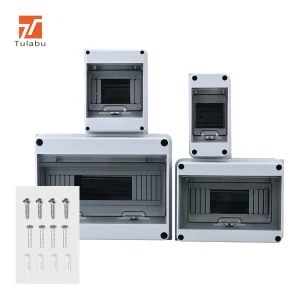
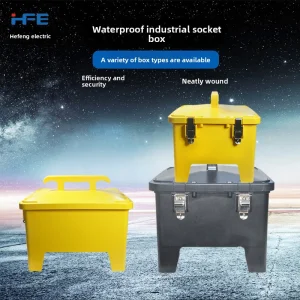
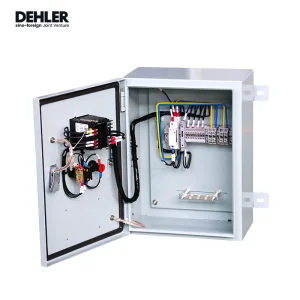
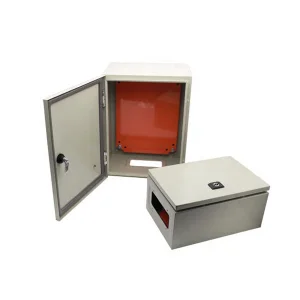
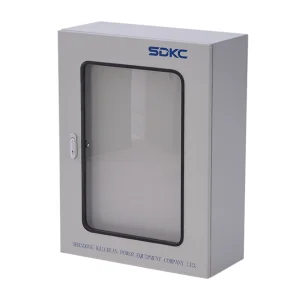
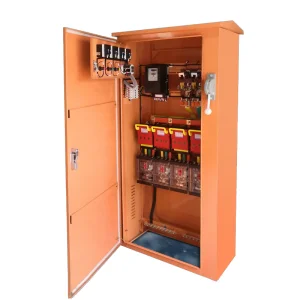
Temporary power on construction projects, chemical plants, and heavy fabrication shops is constantly exposed to dust, falling debris, abrasive chemicals, and mechanical impact. For these demanding scenarios, SN Electrical manufactures specialized IP65-IP66 Waterproof Explosion-Proof Enclosures, fiberglass utility boxes, and robust steel monitoring cabinets. Designed with internal sub-doors, secure locking mechanisms, and industrial socket adapters, they keep line operators safe from accidental electric shock and ensure that critical equipment remains powered even during heavy rain or intense washing cycles.
Technical parameters, material metrics, and quality indicators global buyers must evaluate before placing a bulk order.
When purchasing electrical distribution hardware in high volumes, relying on basic product descriptions is a critical risk. Sourcing departments must evaluate complex design parameters to ensure long-term operational viability. Below is a comprehensive breakdown of the core technical parameters that must be specified:
ABS/PC Blends: Ideal for lightweight, non-corrosive, RF-transparent installations (such as smart residential meter units and compact solar junction boxes). Excellent dielectric strength.
Galvanized Steel: Highly cost-effective for indoor and protected outdoor structural enclosures. Heavy mechanical resistance.
201/304/316 Stainless Steel: Essential for coastal, marine, food-processing, or highly acidic chemical environments. Unmatched anti-rust longevity.
IP65: Complete protection from dust ingress and low-pressure water jets from any direction. Perfect for standard outdoor applications.
IP66: Dust-tight and protected against powerful water jets (rough sea conditions, mining washdowns).
IK08 - IK10: Defines resistance to mechanical impact. Crucial for public utility installations, roadside monitoring boxes, and busy industrial floors.
Heat Dissipation: High-power setups generate significant heat. Buyers must request venting solutions, louver arrangements, or heat-sink clearances.
Gasket Integrity: Check if polyurethane foam gaskets maintain flexibility under high temperatures, preventing long-term seal breakdown.
Optimized low-voltage solutions for smart grid integration, residential metering, and customized commercial building control loops.
Analyzing technology pathways and evolving standards that will define the next decade of power management.
The electrification industry is entering a new generation marked by digitization, decentralization, and high-performance safety structures. The integration of Smart Sensors inside standard distribution cabinets is transitioning from a niche addition to a global requirement. These IoT-enabled sensors monitor internal relative humidity, real-time operating temperatures, and leakage currents, reporting back to localized building management systems (BMS) via Modbus, Ethernet, or wireless arrays. By detecting thermal signatures before a component fails, smart systems practically eliminate unplanned downtime in industrial sites.
Concurrently, material sciences are driving massive leaps in protective enclosures. While traditional cold-rolled steel remains the workhorse of indoor industrial panels, manufacturers are experiencing elevated demand for Fiberglass-reinforced Polyester (GRP) and advanced UV-stabilized polycarbonates. GRP options provide an exceptional strength-to-weight ratio, complete chemical corrosion resistance, and high impact ratings without the RF attenuation issues that metal boxes introduce. This makes them ideal for housing modern cellular meters and localized smart-grid communication hardware.
Technical and procurement answers directly from our factory engineering team.
The main difference lies in the level of water resistance. IP65 enclosures protect against low-pressure water sprays from any direction, which is perfectly suited for normal rain and outdoor dust environments. IP66 enclosures offer protection against high-pressure water jets and heavy seas, making them necessary for offshore environments, chemical processing washdown areas, and extremely dusty mining operations.
Yes. As a highly experienced OEM/ODM manufacturing partner, we provide comprehensive design customization. This includes custom cutout locations, alternative mounting bracket installations, special dimensions, custom internal chassis structures (such as DIN rail arrays and copper busbar locations), dynamic ventilation ports, and specialized surface colors or private labels.
Every production batch undergoes strict quality control. Our standard testing procedures include dielectric withstand/high-potential testing to verify insulation safety, structural continuity and earth-bonding verification, IP rating simulation (ingress resistance validation), and mechanical impact resistance measurements. We operate under strict ISO 9001:2015 principles.
We compute thermodynamic load projections based on expected inside switchgear components. Ventilation slots (louvers), heat-dissipation plates, and cooling fan brackets are designed into our metal enclosures. If requested, we can use dual-wall structural isolation techniques to minimize external solar radiation absorption.
For marine or coastal zones where salt-spray corrosion is a major issue, we recommend either 316-grade stainless steel with special protective treatments or fiberglass-reinforced polyester (GRP) enclosures. GRP provides complete chemical stability and high weather protection, avoiding rust issues.
Standard production cycles for FCL (Full Container Load) orders generally range from 25 to 35 days from structural design sign-off. This timeline includes our rigorous raw material inspection, precise automated fabrication steps, gasketing, powder baking, manual wiring inspection, packaging, and export preparation for global shipping.
 SN Electrical