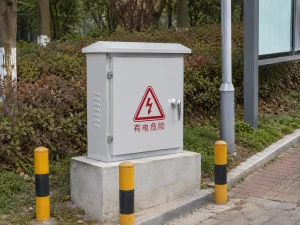
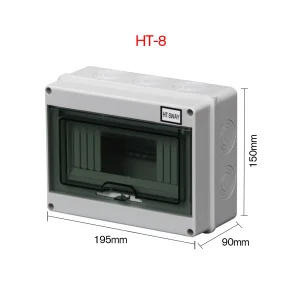
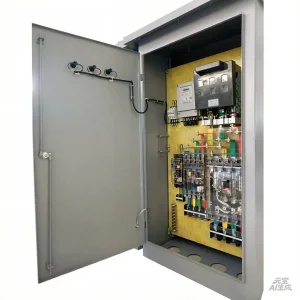
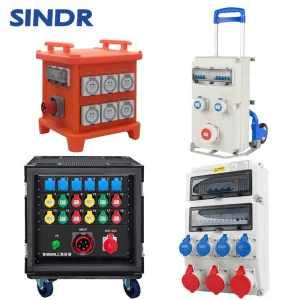
In the contemporary industrial landscape, the demands placed on electrical infrastructure have shifted dramatically. Procurement managers, system integrators, and electrical engineers are no longer just purchasing enclosures; they are investing in long-term operational continuity. The rapid expansion of solar photovoltaic fields, smart transport networks (such as high-speed railways), and heavy industrial automation has forced a shift toward highly-rated Ingress Protection (IP) solutions that can withstand severe environmental exposure.
According to recent global power infrastructure market analyses, major B2B buyers prioritize three primary parameters: material resilience (to prevent premature degradation from UV radiation and salt mist), smart grid compatibility (remote status monitoring and automatic circuit interruption), and universal regulatory compliance (such as IEC 60529, CE, and UL standards). China has evolved from a high-volume manufacturing center to a high-technology development hub for these complex electrical assemblies, led by engineering pioneers who blend cost-efficiency with high structural integrity.
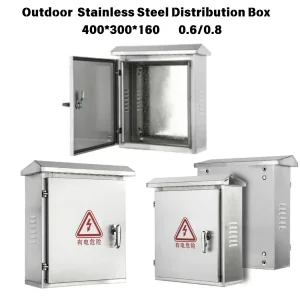
Investing in high-grade polymers (ABS/Polycarbonate) or corrosion-resistant stainless steels minimizes maintenance intervals and eliminates field breakdown costs.
With global climate variations, distribution units must possess thermal management systems and anti-condensation designs rated for -40°C to +85°C.
Modern procurement requires built-in precision breakers, Modbus/Ethernet monitoring modules, and surge protective devices (SPDs).
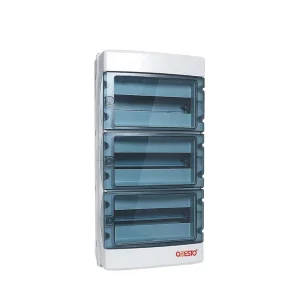
Selecting the optimal waterproof distribution box requires a precise understanding of material science and mechanical engineering. Enclosures are classified under International Protection (IP) ratings governed by the IEC 60529 standard. Below, we examine the critical differences between standard configurations utilized in global infrastructure projects:
The first digit of the IP rating indicates protection against solid objects, while the second digit indicates protection against liquids. For outdoor, rain-exposed, and washdown environments, the threshold begins at IP65 (dust-tight and protected against water jets). In marine, mining, or heavy construction sites, IP66 (protection against powerful water jets) or IP67 (protection against temporary immersion) is required.
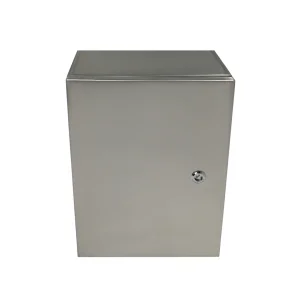
Choosing the correct enclosure material determines the structural life expectancy of the distribution panel:
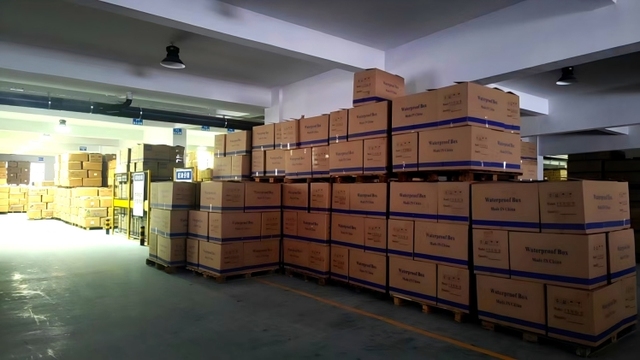
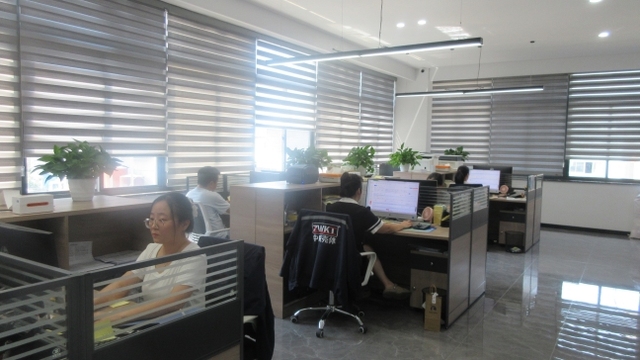
Hangzhou SN Electrical Co., Ltd. is a professional power distribution box manufacturer specializing in low-voltage electrical distribution systems, industrial power management equipment, and smart electrical solutions. Established in 2011, the company is strategically located in Hangzhou, Zhejiang Province, China, benefiting from a highly developed industrial ecosystem, access to advanced raw materials, and convenient international transportation networks via Ningbo and Shanghai ports.
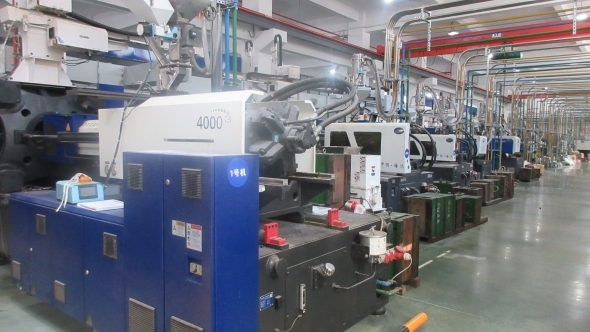
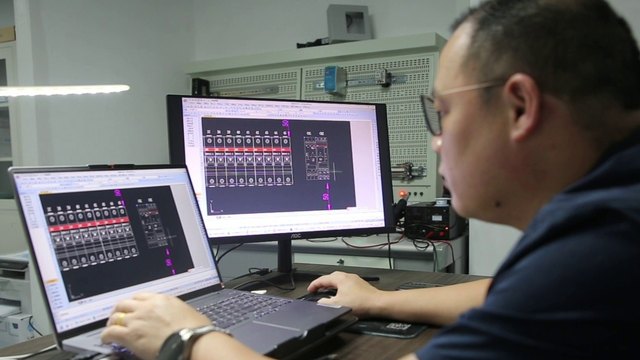
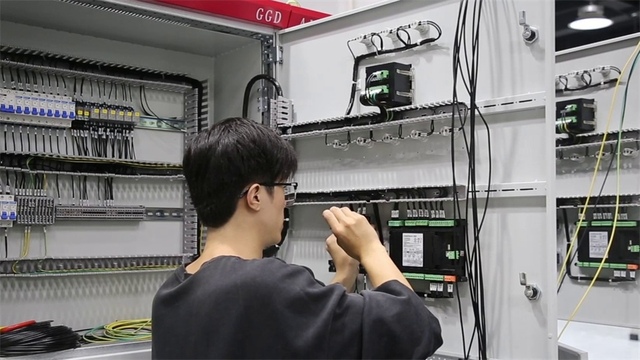
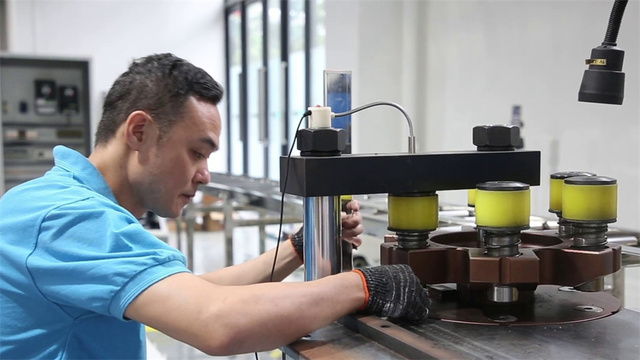
With a state-of-the-art manufacturing facility covering over 18,000 square meters and a dedicated workforce of more than 250 skilled employees, SN Electrical integrates product design, high-precision sheet metal fabrication, robotic assembly, automatic wiring, testing, and multi-stage quality control into a comprehensive, vertically integrated production system. The company operates advanced manufacturing equipment—including CNC laser cutters, automatic bending machines, and polyurethane foam gasketing robots—and adheres to rigorous inspection procedures to ensure product reliability, safety, and strict compliance with international electrical standards.
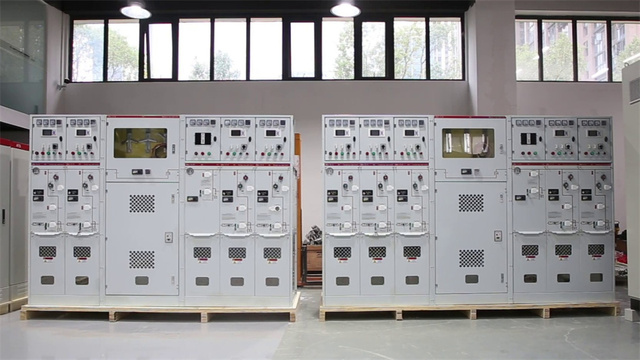
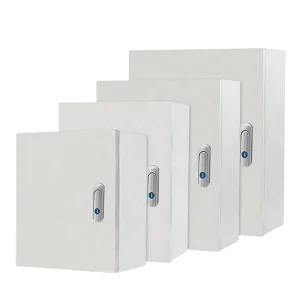
SN Electrical offers an extensive catalog of high-performance electrical distribution products, including:
As an experienced OEM and ODM partner, SN Electrical provides tailored engineering services, bespoke enclosure design, specific component integration (including ABB, Schneider, Siemens, or cost-effective domestic components), private labeling, and project-based manufacturing solutions. Its products are exported globally to markets in Europe, North America, South America, Southeast Asia, the Middle East, and Africa, backed by comprehensive compliance certifications and dedicated after-sales engineering support.
Waterproof distribution assemblies serve as critical nodes in massive infrastructure systems. Different industries demand distinct structural, electrical, and thermal properties. Here is how advanced distribution systems are customized for modern macro applications:
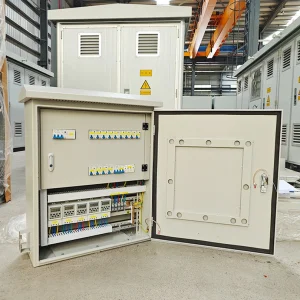
High-speed rail corridors produce extreme vibration and transient pressure waves when trains pass. Low-voltage railway distribution boxes require structural reinforcements, anti-loosening terminals, and strict IP54/IP65 ratings to protect internal control circuitry from ballast dust and water spray.
Solar combiner boxes operate under constant direct sunlight. They must feature high UV-rated coatings, breathing valves to equalize interior and exterior atmospheric pressure (preventing seal failures), and high-voltage DC components rated for 1000V or 1500V systems.
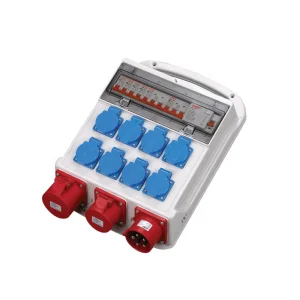
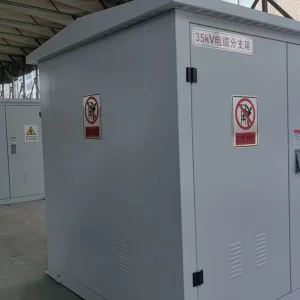
Port environments expose equipment to highly corrosive saline moisture. High-voltage shore power boxes require marine-grade 316 stainless steel enclosures, specialty heavy-duty gaskets, and corrosion-resistant industrial plugs and sockets to guarantee safe vessel-to-grid connections.
The distribution box is transitioning from a passive structural component to an active, intelligent element of the smart industrial ecosystem. Major Chinese engineering firms are leading this transformation through structured R&D roadmaps:
Integrating continuous temperature sensors, humidity tracking, and vibration sensors directly on the main busbar. These sensors transmit real-time telemetry via Modbus, LoRaWAN, or NB-IoT, allowing facility engineers to detect arc faults or seal failures before they cause system-wide downtime.
Developing recyclable thermoplastic elastomers (TPE) and halogen-free polycarbonate composites that minimize environmental impact during production and decommissioning, while maintaining a high UL 94 V-0 flame-retardant rating.
Developing passive phase-change materials (PCM) for interior lining, and advanced computational fluid dynamics (CFD) designed ventilation grilles that exclude driving rain (IP55) while maximizing heat dissipation for high-density breakers.
A major bottleneck for international procurement is navigating varying electrical standards and safety certifications. Leading Chinese manufacturers address this by engineering distribution assemblies that carry international marks of compliance:
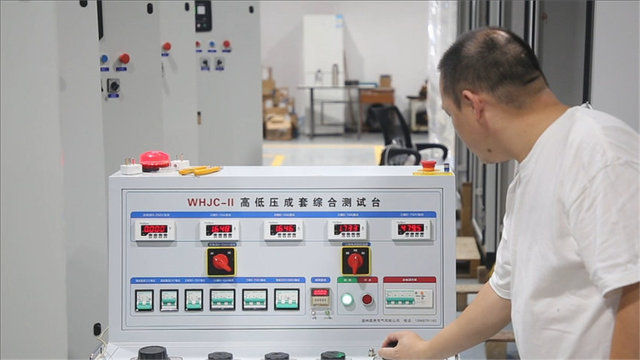
Every waterproof distribution assembly leaving factory floors undergoes a sequence of rigorous testing protocols:
By conforming to these international standards, products can be quickly integrated into North American projects (requiring UL/NEMA ratings) or European installations (requiring CE, RoHS, and IEC compliance) without encountering regulatory hurdles.
 SN Electrical