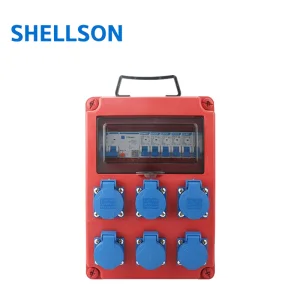
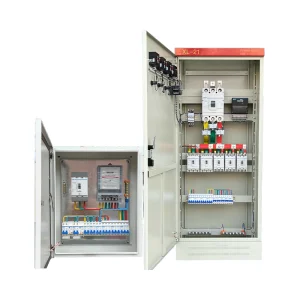
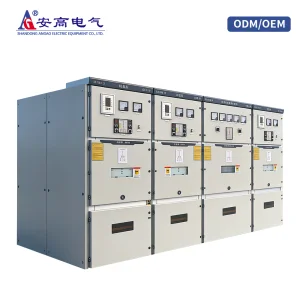
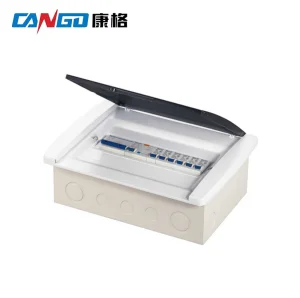
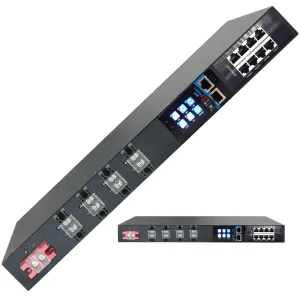
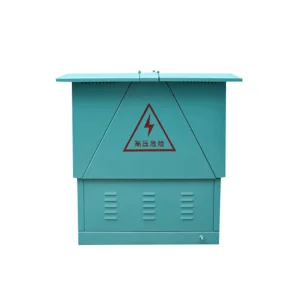
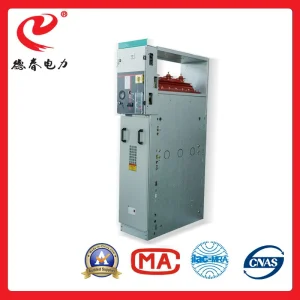
Explore our core engineering catalog featuring industrial-grade protection, high-durability distribution boxes, and active switchgear systems.
In modern industrial utility environments, efficiency is no longer optional—it is a critical operational standard. Heavy industries, manufacturing infrastructures, massive data centers, and regional public utilities all utilize electrical systems that consume significant inductive loads. Inductive equipment, including three-phase motors, transformers, compressors, and high-frequency induction furnaces, generates an phase shift between current and voltage. This displacement results in reactive power draw, causing inefficiencies that load regional grids, waste capacity, and incur heavy power factor penalties from regional energy providers.
B2B procurement departments, infrastructure developers, and consulting electrical engineers face challenging mandates. They must optimize system capacity, minimize copper losses, eliminate utility non-compliance charges, and guarantee absolute system uptime. As power grids worldwide undergo transformation due to renewable integration and high-density computing loads, securing robust, low-voltage power factor correction (PFC) equipment, switchgear systems, and distribution assemblies is key to building stable, compliant electrical infrastructure.
Utilities impose heavy penalty structures for power factors dropping below 0.90 or 0.95. Implementing local PFC structures keeps Cos φ close to unity, eliminating these penalties.
By compensating for reactive power locally, you reduce the apparent power (kVA) demand on main transformers, freeing up system capacity without upgrading utility connections.
High reactive currents cause excess heat in cables, busbars, and switchgear. Localized power factor correction stabilizes operational temperatures, extending system lifespans.
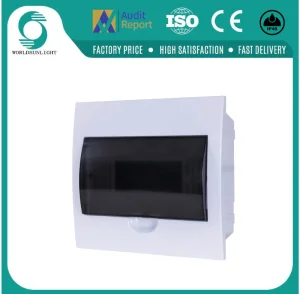
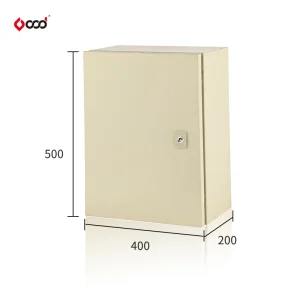
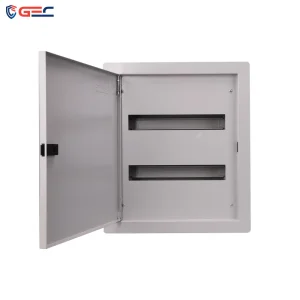
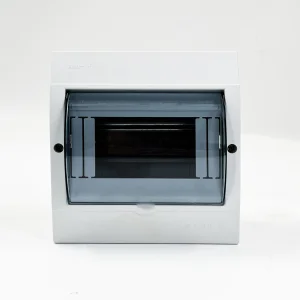
Industrial operations require structured power correction strategies tailored to specific operational environments. At Hangzhou SN Electrical Co., Ltd., we design low-voltage distribution frameworks, intelligent switchgears, and modular electrical enclosures built to house advanced PFC topologies. The choice of correction architecture depends on load dynamics, harmonic levels, and target budget constraints:
Standard APFC setups utilize intelligent microcontrollers to monitor active and reactive loads in real time, automatically switching capacitor stages via dedicated contactors. This setup is highly cost-effective and suitable for networks with stable load profiles and low total harmonic distortion (THD). Using modular sheet metal enclosures and standardized busbar layouts, these systems integrate seamlessly into low-voltage distribution lines.
Modern industrial zones utilize variable speed drives (VSDs), LED lighting, and switch-mode power supplies that generate harmonic currents. Standard capacitors can resonate with these harmonic frequencies, causing premature failure or dangerous electrical faults. Detuned systems couple capacitors with series-connected reactors (typically detuned to 7% or 14% reactance). This setup shifts the resonance frequency below the lowest harmonic order, protecting the system while correcting the power factor.
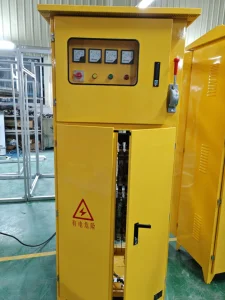
For operations requiring millisecond-level response and precise phase balancing, Static Var Generators (SVGs) represent the next generation of power correction. Rather than using passive capacitors, SVGs utilize high-speed IGBT switches to inject compensating current in real time, correcting both displacement and distortion power factor issues. Our smart power cabinets and distribution designs are optimized for these high-thermal-output SVG assemblies, featuring advanced ventilation profiles and integrated air-duct layouts.
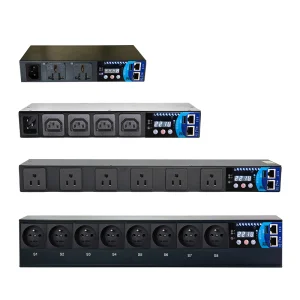
The convergence of industrial automation, smart grid compliance, and industrial IoT (IIoT) is driving the future of low-voltage distribution. Traditional electrical systems are evolving into intelligent nodes capable of self-diagnostic monitoring, predictive maintenance, and real-time telemetry output. Hangzhou SN Electrical Co., Ltd. is actively designing systems to meet these demands by integrating smart Modbus, RS485, and MQTT protocols into our power distribution cabinets and PDU networks.
Future power systems must adapt to bidirectional power flows from on-site solar systems, battery storage, and dynamic fast-charging electric vehicle stations. Our engineering roadmap focuses on integrating hybrid active compensation (combining traditional capacitor banks with high-speed active filters), creating a cost-effective, high-performance solution for modern power challenges.
Our smart distribution systems incorporate high-performance microprocessors to transmit critical electrical parameters (voltage, current, THD, Cos φ) directly to factory SCADA systems or cloud dashboards, enabling remote diagnostics and preventative action.
By utilizing temperature sensors adjacent to capacitors, connection points, and busbars, our smart enclosures identify high resistance points and thermal trends before they escalate into hardware failures.
We design custom systems that integrate passive LC detuned steps with active SVG modules, combining the reliability of contactor/thyristor-switched steps with the fine control and fast response of active systems.
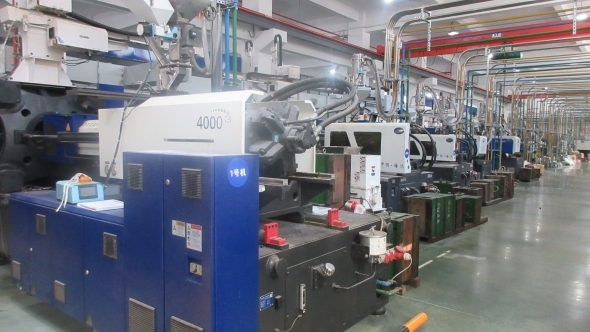
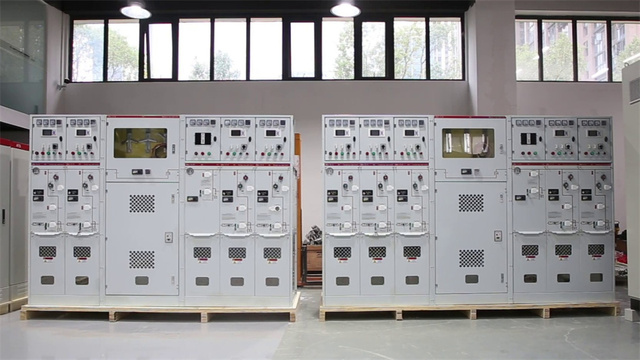
Established in 2011 in Hangzhou, Zhejiang Province, China, Hangzhou SN Electrical Co., Ltd. has developed into a leading manufacturer of low-voltage electrical distribution boxes, smart cabinets, and customized electrical enclosures. Our modern manufacturing facility spans over 18,000 square meters, housing advanced sheet metal fabrication systems, high-speed CNC punching and bending machines, automated powder-coating lines, and end-to-end assembly setups.
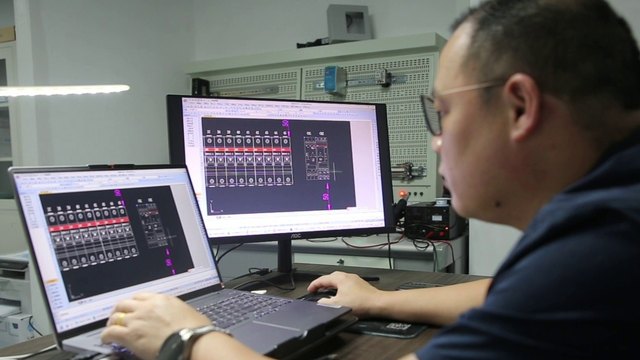
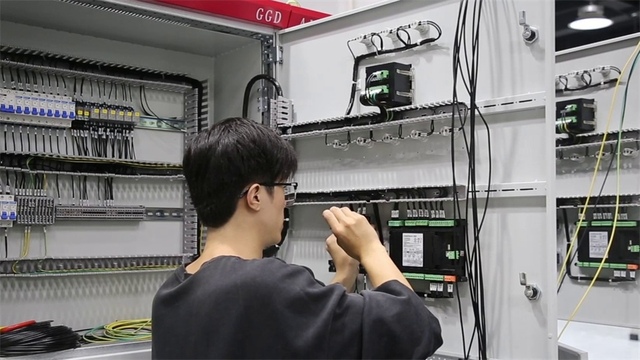
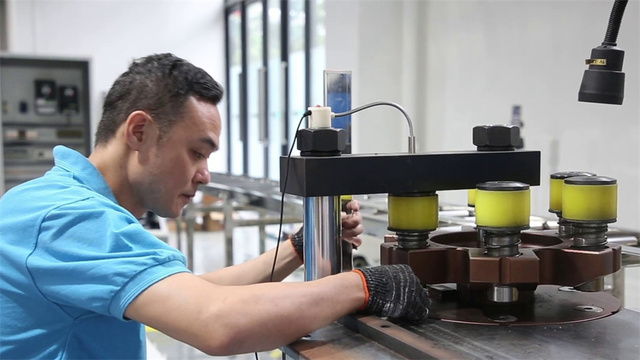
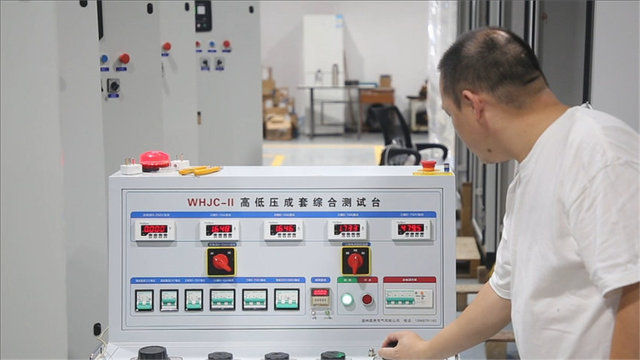
Our workforce of over 250 skilled employees includes an engineering team focused on custom OEM and ODM solutions. Every distribution enclosure and switchgear cubicle we build undergoes strict testing protocols to verify mechanical tolerances, insulation resistance, IP-rated sealing, and overall structural integrity before shipment. We provide tailored solutions to match local grid parameters and specifications across Europe, North America, South America, the Middle East, Southeast Asia, and Africa.


Installing low-voltage distribution gear globally requires strict adherence to international standards. At Hangzhou SN Electrical Co., Ltd., our engineering designs conform to the main global testing methodologies, ensuring hassle-free grid connection and certification:
Our supply chain, shipping processes, and customized wood-crate packing comply with international cargo safety rules. This guarantees that whether your site is in the high-humidity coastal zones of Southeast Asia or the dry environments of the Middle East, our electrical enclosures will arrive in perfect condition and ready to run.
Answers to common engineering questions regarding the selection, application, and operation of power factor correction and low-voltage distribution systems.
Displacement power factor represents the ratio of active power (kW) to apparent power (kVA). If an industrial facility operates at a low power factor (e.g., 0.70), the transformer must source substantial reactive current, raising the apparent power demand. By correcting the local power factor to 0.95–0.99 via capacitor banks or Static Var Generators, the apparent power demand decreases. This reduction releases unused capacity, allowing you to connect additional loads without upgrading the transformer.
If your electrical system includes nonlinear loads such as variable frequency drives (VFDs), rectifiers, or LED drivers, these systems generate harmonic currents. Traditional capacitors can resonate with the inductive properties of the system, amplifying harmonic currents. To prevent capacitor degradation and potential resonance failures, detuned reactors (typically tuned to 189Hz or 134Hz) must be installed in series with the capacitors to shift the resonant frequency safely below the lowest harmonic frequency.
Contactor-switched systems are cost-effective but introduce switching transients and require discharge times before re-energizing. Thyristor-switched systems utilize zero-crossing switching technology, allowing for near-instantaneous switching (typically within 20 milliseconds) without generating current surges. This setup is ideal for fast-cycling loads like spot welders, cranes, and heavy presses, and it extends the service life of the capacitors.
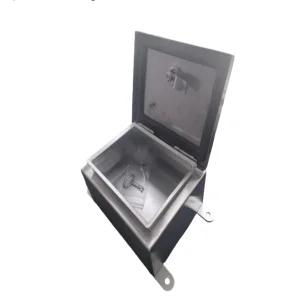
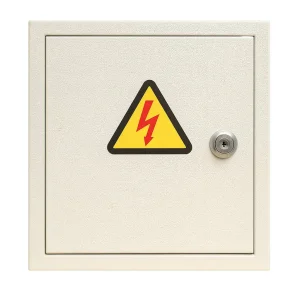
Our enclosures, including stainless steel and customized sheet metal cabinets, feature double-folded edges, continuous polyurethane foam gaskets, and heavy-duty latching mechanisms. This design prevents moisture and dust ingress, achieving ratings up to IP66. We also incorporate ventilation louvers, rain shields, and internal space heaters to combat condensation inside outdoor installations.
Yes. As an experienced OEM/ODM provider, we integrate components like smart energy meters, Modbus-RTU/TCP gateways, and RS485 communication links into our switchgear configurations. This allows operators to monitor parameter data, step status, and temperature values directly from their SCADA systems.
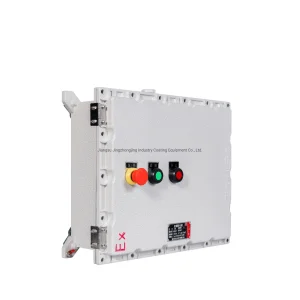
Complete your layout with our heavy-duty industrial switchgear, modular distribution panels, and smart monitoring systems.
 SN Electrical