Engineered with extreme cold tolerance, robust IP65/IP66 enclosure ratings, and compliant electrical architectures optimized for regional Russian grids.
Russia’s strategic geography, stretching across eleven time zones from Europe to Asia, poses distinct challenges and rewards for PV development. While traditionally dominated by fossil fuels, the Russian Federation is accelerating its diversification into utility-scale solar arrays, decentralized industrial microgrids, and remote agricultural power systems. The Russian government’s Energy Strategy up to 2035 targets sustained integration of low-emission power sources, particularly in grid-isolated zones like Siberia, the Far East, and the Altai Republic.
These expansive, low-population densities mean localized microgrids are far more economical than building high-voltage transmission lines. In these environments, reliability is non-negotiable. If a solar distribution box fails in the sub-zero winters of Yakutia, the resulting power shutdown threatens not just industrial productivity, but basic human survival. As an exporter to Russia, our solar power distribution cabinets are specifically engineered to bridge the gap between advanced photovoltaic power conversion and the unforgiving Siberian climate.
Developing solar assets in high-latitude regions demands rigorous component selection. Standard utility PV components are designed to perform between -20°C and +40°C. In northern Russia, extreme winter minimums frequently drop below -50°C, while summer peak temperatures in the southern steppes (Krasnodar and Rostov) can exceed +40°C.
To eliminate this systemic risk, Hangzhou SN Electrical Co., Ltd. uses premium polycarbonate, specialty ABS, and powder-coated cold-rolled steel/aluminum alloys that maintain high ductile-to-brittle transition thresholds. We incorporate custom low-temperature sealants and ventilation plugs that equalize pressure without compromising IP65/IP66 ratings. This stops condensation from forming when warm interior components face extreme outside cold.
Unpacking the strategic requirements of utility installations in remote mining, arctic research, and municipal power networks.
| Application Scenario | Climatic / Environmental Stressors | Critical Engineering Requirement | SN Custom Solution |
|---|---|---|---|
| Siberian Off-grid Mine Sites | Temps down to -60°C, heavy vibration from drilling. | Resilient terminal clamping, internal heating options. | 3-Phase Distribution Cabinets with integrated space heaters & spring-clamp terminals. |
| Southern Russia PV Parks | High solar irradiance, blowing dust, wide temperature swings. | High IP rating, UV-resistant exterior coating. | Metal PV Cabinets with outdoor-grade powder coat and pressure ventilation vents. |
| Baltic Coast Coastal Sites | Corrosive salt spray, high humidity. | C5-class corrosion protection, chemical resistance. | Stainless Steel or GRP (Glass Reinforced Plastic) specialized combiner boxes. |
| Municipal Rooftops (Moscow) | Snow accumulation, freeze-thaw cycles, tight physical space. | High weight-load resistance, compact footprint. | Modular ABS and polycarbonate boxes with sloped rain covers. |
Within the global industrial energy architecture, photovoltaic installations are no longer confined to temperate regions. From the high-saline offshore platforms in Europe to the dusty plains of North Africa, low-voltage power distribution boxes serve as the central safety hub for multi-megawatt systems. For Russia, our localized engineering ensures that every DC fuse, surge protective device (SPD), and circuit breaker operates smoothly within their thermal parameters, eliminating the risks of nuisance tripping or premature insulation degradation.
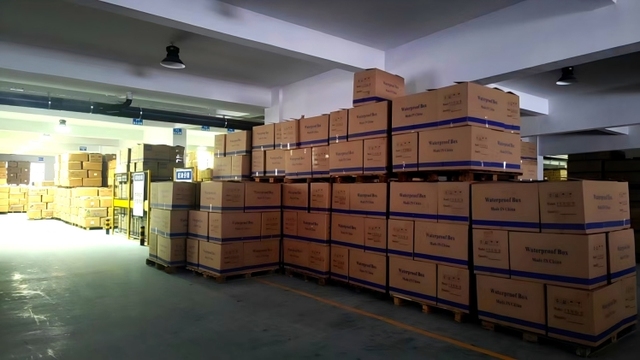
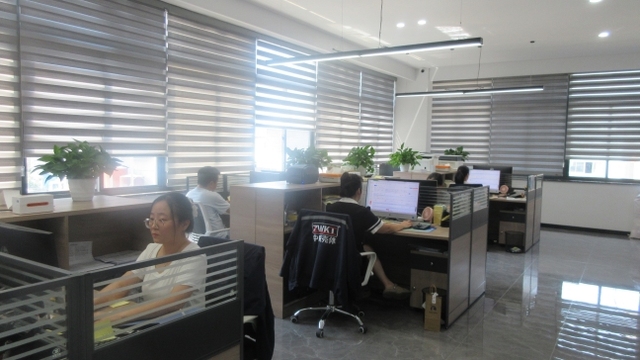
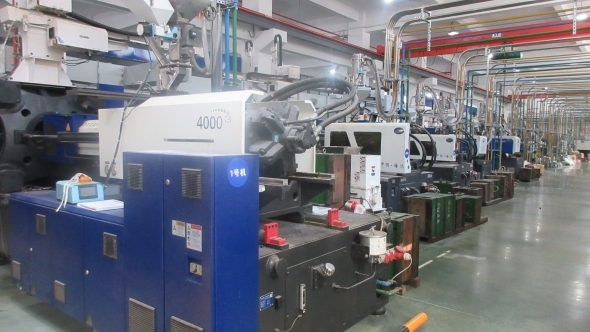
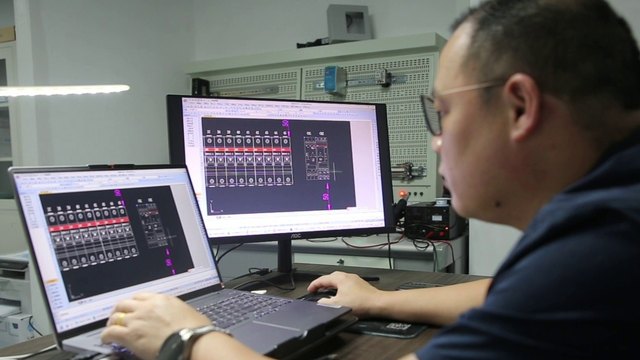
A look into our state-of-the-art production base in Hangzhou, Zhejiang, and our robust export logistics network.
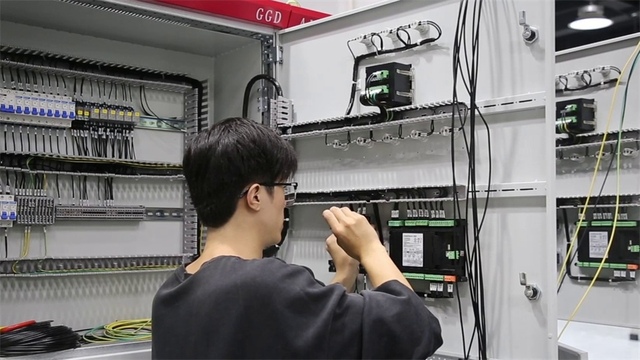
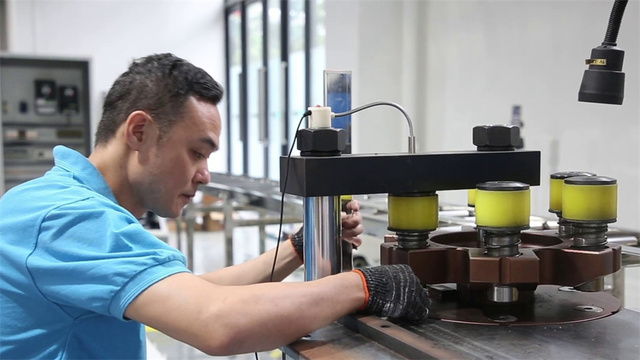
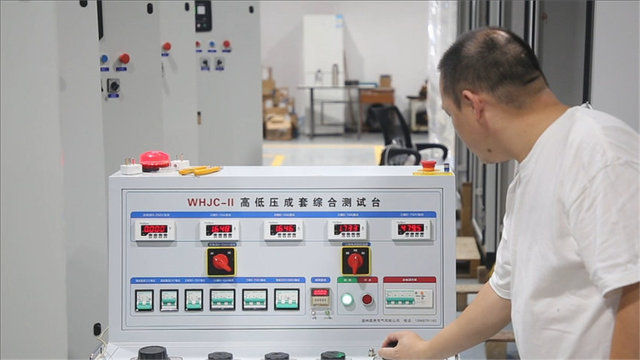
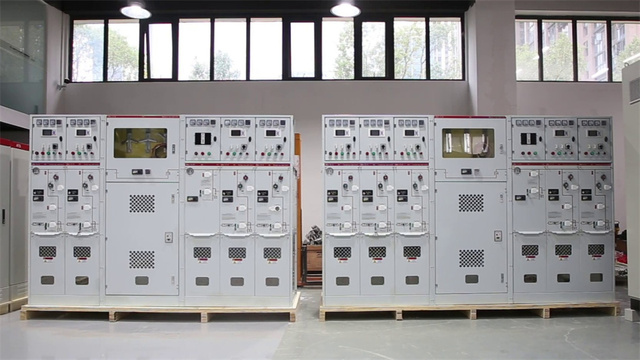
Hangzhou SN Electrical Co., Ltd. is a leading manufacturer of low-voltage electrical distribution systems, industrial power management equipment, and smart electrical solutions. Founded in 2011, our facility in Hangzhou covers over 18,000 square meters. Our team of 250+ employees integrates CAD/3D product design, automated sheet metal fabrication, precision assembly, and rigorous testing into one unified system.
For the Russian market, we provide comprehensive OEM/ODM services, adjusting housing sizes, terminal designs, and internal component layouts to fit specific projects. Our strategic location near key logistics hubs allows us to export directly via the China-Europe Railway Express (Yuxinou/Zhejiang-Europe Rail). This ensures safe, cost-efficient, and rapid land transport to hubs like Moscow, Yekaterinburg, and Novosibirsk, avoiding the delays typical of maritime shipping.
Evolving from passive junction boxes to active, intelligent grid-connected monitoring nodes.
Modern solar infrastructure relies on real-time data to maximize uptime and generation efficiency. At SN Electrical, we are shifting from passive electrical distribution boxes to smart combiner arrays. Our newer designs feature RS-485 Modbus and LoRaWAN communication protocols. These systems let operators track string-level currents, voltage drops, internal panel temperatures, and surge protection device status remotely from control centers in Moscow or St. Petersburg.
Additionally, keeping snow and ice off PV panels is a major issue in high-latitude projects. Our future product roadmap includes dedicated auxiliary power circuits designed to run automatic snow-melting systems and panels. By integrating these smart controls into our main combiner box line, we help Russian solar projects maintain steady power output throughout the freezing winter months.
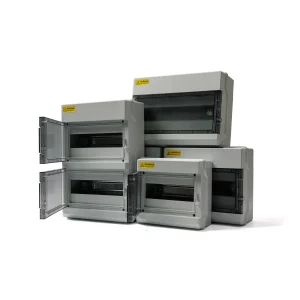
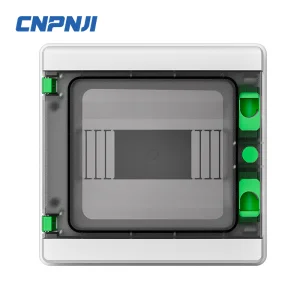
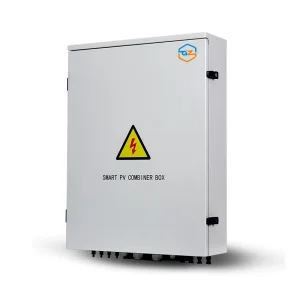
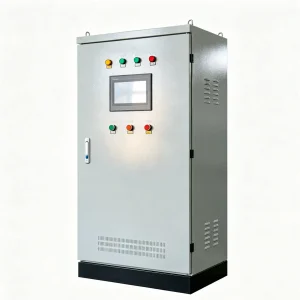
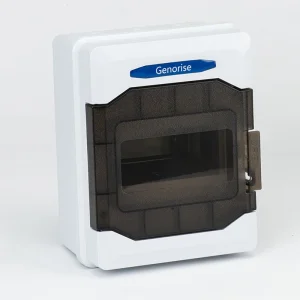
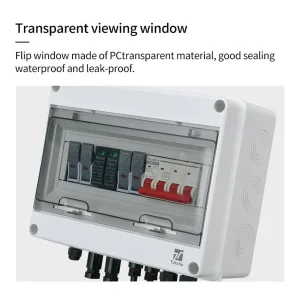
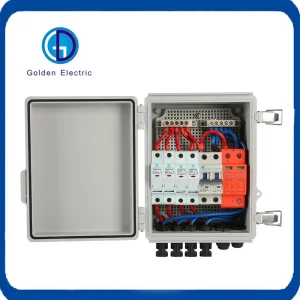
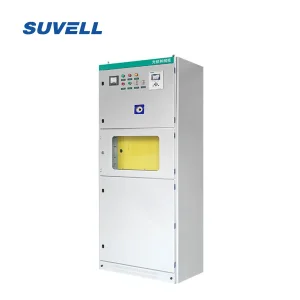
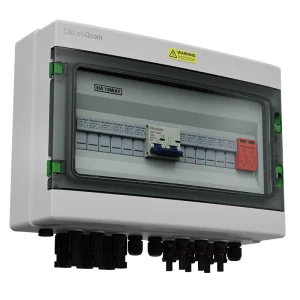
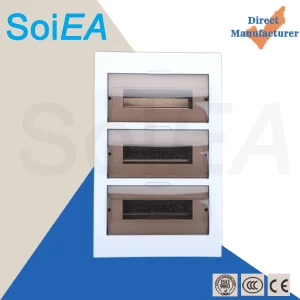
A complete selection of low-voltage combiner boxes, metal cabinets, and dustproof units built for demanding applications.
Common questions from engineers, buyers, and contractors working on Russian solar utility and industrial sites.
 SN Electrical