High-efficiency, certified low-voltage distribution boards ready for multi-family residential setups and modern smart-home integrations in northern Germany.
Under the Hamburg Climate Act (Hamburgisches Klimaschutzgesetz) and Germany’s aggressive push for carbon neutrality by 2045, Hamburg is undergoing a monumental energy transition. Decentralized energy generation, domestic battery storage integration, and extensive electric vehicle (EV) charging networks are restructuring residential infrastructure.
As the metropolitan area of Hamburg scales up its residential energy systems, the humble consumer unit—traditionally serving as a passive breaker cabinet—has transitioned into the technological epicenter of the smart home. Modern German standard installations require distribution boxes that do not merely contain fuses, but actively manage complex load profiles. With high-amperage systems such as heat pumps (Wärmepumpen) and private wallboxes drawing heavy, continuous loads, local grid operators like Stromnetz Hamburg GmbH enforce strict technical connection conditions (TAB - Technische Anschlussbedingungen).
All residential sub-distribution boards must meet strict criteria defined by national and European standards. This includes DIN VDE 0100-600 for system verification, DIN VDE 0603 for consumer units and meter panels, and the DIN EN 61439 series for low-voltage switchgear assemblies. Class II protective insulation, type-tested short-circuit strength, and integrated surge protection device (SPD) specifications are mandatory baselines rather than optional upgrades.
Consequently, procurement managers, municipal developers, and electrical engineering firms across Hamburg, Altona, Harburg, and Bergedorf face rising demands for higher-density DIN-rail structures. They require enclosures that combine excellent thermal dissipation, mechanical robustness, and ample modular space to house RCDs (residual current devices), RCBOs (combined residual current and miniature circuit breakers), smart meters, and home automation components (like KNX controllers).
Integration of communication compartments, smart meter gateways, and localized energy management controllers. The modern distribution board acts as an active data hub coordinating solar generation, battery storage, and dynamic tariff loading.
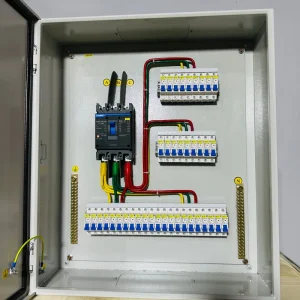
Expansion of DIN-rail capacity up to 5 or 6 rows to accommodate additional smart home actors, surge arresters, and decentralized control modules, ensuring backward compatibility with historic space allocations.
Adoption of self-extinguishing, halogen-free thermoplastics and heavy-gauge galvannealed steel enclosures. Features include glow-wire test compliance up to 850°C, ensuring robust flame retardancy.
The global shift towards low-carbon electrification has reshaped distribution board design. While classic installations relied on simple sheet-metal cabinets, today's smart home demands multi-tier architecture separating high-voltage power distribution from low-voltage media and communication lines (such as fiber optic terminators and patch panels). The integration of Type A and Type B RCDs to protect against DC pulsating residual currents—common in homes with electric vehicles—has become the standard baseline.
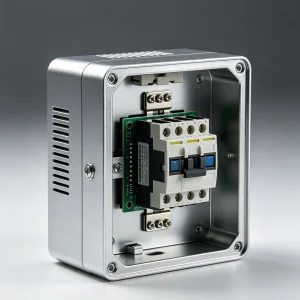
Furthermore, thermal management has become a crucial engineering variable. As consumer units house more equipment, the internal heat load rises. Advanced designs utilize passive convection pathways, ventilation grids with integrated dust filters, and heat dissipation calculators to ensure components operate within their thermal limits, maintaining the trip curves of installed miniature circuit breakers (MCBs).
Hamburg’s residential market features a mix of historical and cutting-edge architecture, requiring diverse approaches to electrical distribution:
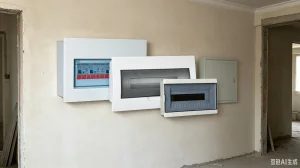
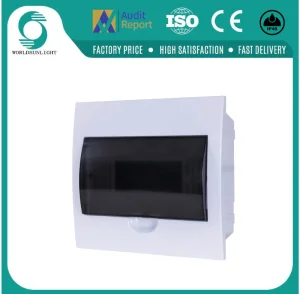
Renovating Hamburg’s historic pre-war apartment buildings (such as in Winterhude, Eimsbüttel, and Altona) poses severe space constraints. Contractors require compact, flush-mounted (Unterputz) or hollow-wall (Hohlwand) distribution boards with extremely shallow mounting depths (typically under 90mm). These enclosures must seamlessly anchor into older brickwork or drywall, providing safe, multi-tier electrical paths while preserving aesthetic appeal.
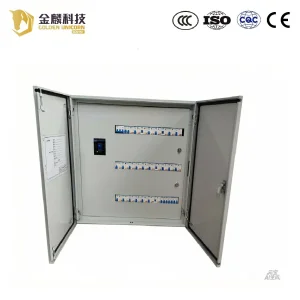
In newly developed urban districts like HafenCity and Wilhelmsburg, large multi-family buildings dominate. High-amp floor distribution cabinets (up to 160A or more) coordinate heavy electrical demand. These panels must offer centralized three-phase power distribution, rugged steel enclosure profiles, and individual lockable tenant sections to meet both utility accessibility guidelines and fire safety codes.
With Hamburg's solar mandates on new roof structures and incentives for private EV chargers, residential homes require specialized sub-distribution boxes. These boards feature dedicated space for surge protection devices (SPDs) to shield delicate inverter electronics from transient voltages, alongside separate compartments for DIN-rail smart meters and communication links.
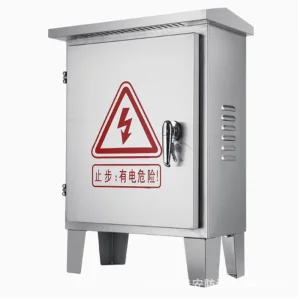
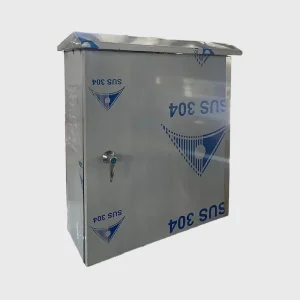
Hamburg’s proximity to the North Sea brings high humidity, rain, and salty sea breezes. For outdoor energy storage, heat pumps, or carports, contractors rely on heavy-duty thermoplastic or stainless steel cabinets rated at IP65/IP66. These enclosures must deliver complete dust-tight performance, high UV resistance, and excellent protection against driving water.
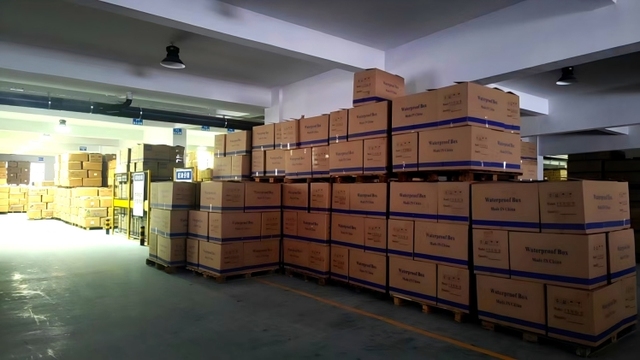
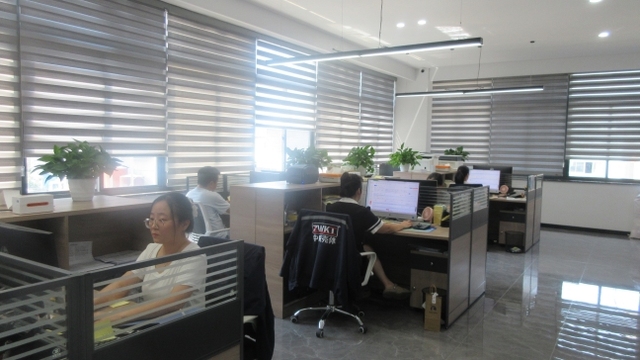
Hangzhou SN Electrical Co., Ltd. is a leading manufacturer specializing in low-voltage electrical distribution systems, industrial power management equipment, and smart electrical solutions. Established in 2011, the company is located in Hangzhou, Zhejiang Province, China, benefiting from a robust industrial ecosystem and efficient access to international shipping routes.
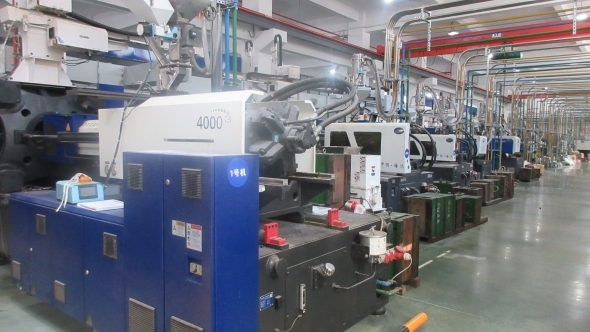
Spanning over 18,000 square meters of advanced manufacturing space, our facility integrates the entire production cycle under one roof. From sheet metal fabrication and CNC bending to assembly, multi-stage testing, and quality control, every step is optimized for precision. Our workforce of more than 250 skilled employees is dedicated to maintaining high standards of reliability and safety.
Excellence in OEM/ODM Services: As a trusted engineering partner, we offer complete enclosure design, private labeling, component integration, and customized project-based manufacturing to meet the specific requirements of our European partners.
Our comprehensive portfolio includes low-voltage distribution boxes, industrial panels, electrical enclosures, meter boxes, waterproof cabinets, and smart energy monitoring cabinets. By continuously investing in advanced automation, powder coating systems, and smart grid R&D, we deliver dependable power distribution solutions that support reliable electrical infrastructure worldwide.
Our state-of-the-art facility uses high-precision sheet metal fabrication equipment, automated electrostatic powder coating lines, and rigorous inspection systems to guarantee VDE, CE, and RoHS compliance across all product lines.
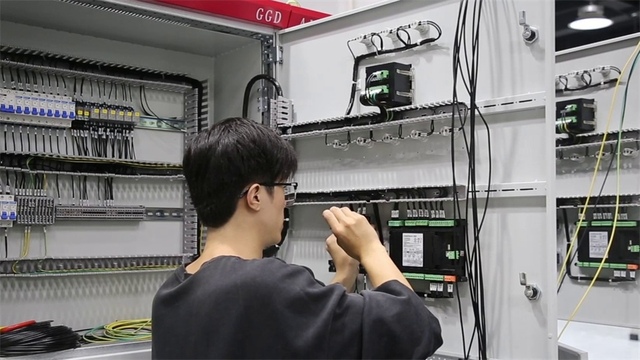
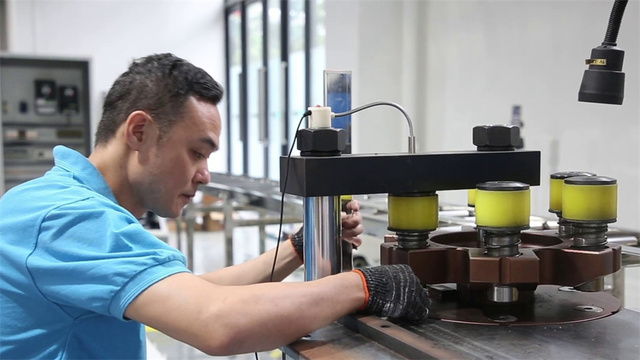
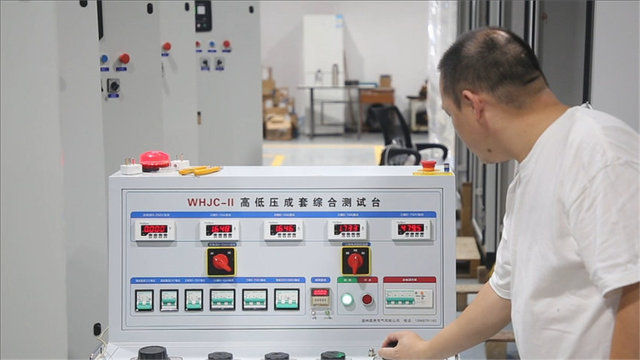
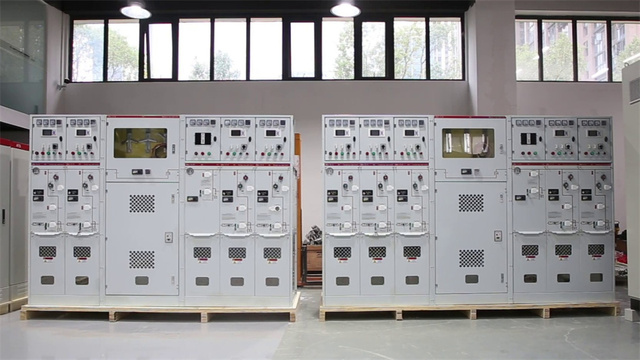
Modern electrical infrastructure requires robust planning. Below is the technical structure and material composition we utilize to guarantee long-term performance under demanding domestic loads:
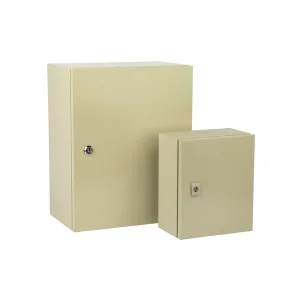
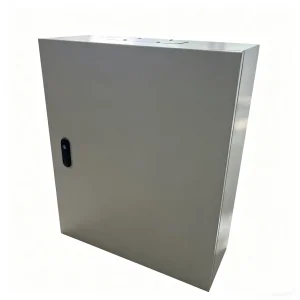
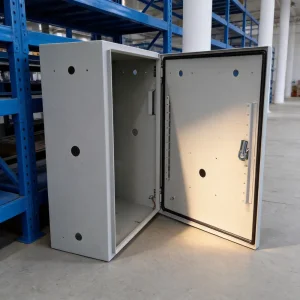
Our cabinets are built with high-quality thermoplastics or powder-coated galvannealed steel sheet metal (up to 1.5mm thickness). They are certified up to IP65, providing superior dust and moisture sealing for both indoor apartments and outdoor utility yards.
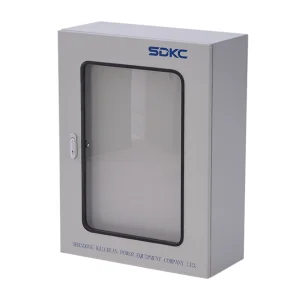
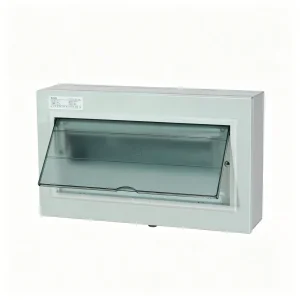
Engineered to meet DIN EN 61439-1/3 and VDE 0603 requirements. The internal layout features standardized 35mm DIN-rails, transparent protective windows, insulated neutral/earth bars, and dedicated pathways for safe wiring.
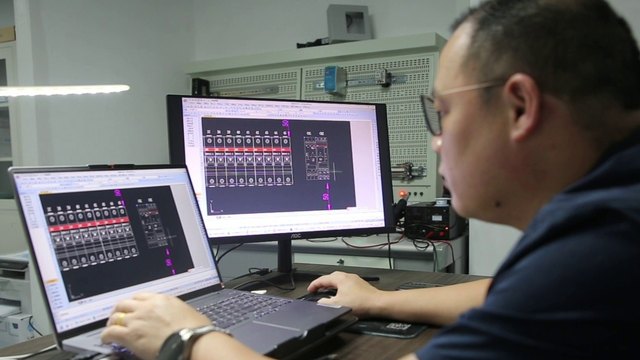
From initial CAD modeling and custom knock-out patterns to specialty powder coat colors (RAL series) and private branding, our engineering team adapts every enclosure to integrate smoothly into local European distribution frameworks.
Technical answers regarding installation standards, safety compliance, and OEM procurement for Germany and the European market.
In Germany, residential consumer units and distribution boards must comply with the DIN VDE 0603 series (which specifies requirements for consumer units and meter boards up to 250 A) and the overarching DIN EN 61439-3 standard for low-voltage switchgear assemblies intended to be operated by ordinary persons. Additionally, they must meet the TAB (Technische Anschlussbedingungen) requirements enforced by local grid operators like Stromnetz Hamburg GmbH, which dictate specific wiring, sealable main switch areas, and surge protection installations.
Integrating PV systems and EV chargers (Wallboxes) significantly increases continuous load currents and demands advanced fault current protection. Distribution boards must feature dedicated space for Type B RCDs (capable of detecting smooth DC residual currents generated by EV charging controllers) and Type 2 Surge Protection Devices (SPDs). Contractors also require additional DIN-rail capacity to house smart meters, grid decoupling relays, and load-shedding control actuators.
Under standards DIN VDE 0100-443 and DIN VDE 0100-534, surge protection is mandatory for all new and renovated residential installations in Germany. This requirement shields modern household electronics, smart meters, heat pump controllers, and local battery storage networks from overvoltages caused by lightning strikes or switching transients in the utility distribution grid.
Thermoplastic consumer units must feature high impact resistance (IK rating, typically IK07 or IK08), structural stability under load, and excellent flame retardancy. Material testing includes the glow-wire test (Glow Wire Flammability Index - GWFI) in accordance with IEC 60695-2-12. For residential consumer units, VDE requires components in close proximity to current-carrying parts to withstand a glow-wire temperature of up to 850°C to prevent ignition in the event of overload-induced thermal runaway.
OEM customization allows German distributors and system integrators to pre-define the layout of knockouts, internal wiring duct configurations, metal-to-plastic hybrid profiles, and paint finishes (such as standard light gray RAL 7035). It ensures that the incoming products align perfectly with the specific DIN-rail row counts and modular widths (TE - Teilungseinheiten) required by German master electricians, reducing onsite assembly time and ensuring simple, repeatable installations.
Explore our full line of low-voltage enclosures, terminal branch boxes, and multimedia hybrid cabinets designed for residential and light commercial applications.
Whether you are coordinating retrofitting tenders in Hamburg Altona, scaling a residential development project in HafenCity, or seeking a reliable OEM/ODM partner for low-voltage switchgear assemblies, Hangzhou SN Electrical Co., Ltd. delivers tested compliance and robust mechanical design.
 SN Electrical