In modern electrical engineering, circuit protection is no longer confined to the simple action of a circuit breaker shutting off current. As smart grids, distributed renewable energy resources, and high-density industrial facilities proliferate, circuit protection has evolved into a highly integrated field. It demands premium enclosures capable of mitigating severe ambient stresses while guaranteeing continuous operational readiness.
From overcurrent protection and surge suppression to thermal dissipation and environmental ingress isolation, the safety of entire industrial complexes depends on the structural integrity of distribution boards and control cabinets. As a senior systems procurement engineer or EPC project director, selecting the appropriate circuit protection solutions manufacturer is a critical strategic decision. This decision affects long-term maintenance cycles, systemic reliability, and regulatory compliance.
Enclosures must provide absolute dielectric isolation, preventing hazardous ground faults or arc flash transitions even under significant transient voltage spikes.
From IP54 for basic indoor needs to IP65, IP66, and IP67 for extreme marine and agricultural deployments, ensuring complete defense against dust and pressurized water jets.
Proper ventilation slots, custom heat sinks, and passive cooling layouts prevent internal component failure caused by thermal accumulation inside the box.
Established in 2011 and situated in the industrial hub of Hangzhou, Zhejiang Province, China, Hangzhou SN Electrical Co., Ltd. has grown into a premier manufacturer of low-voltage electrical distribution systems and custom industrial enclosures. Leveraging a robust local supply chain and adjacent high-capacity international logistics ports, the company offers tailored OEM and ODM solutions to clients worldwide.
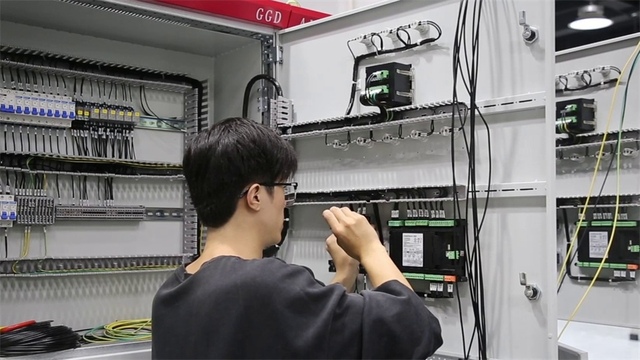
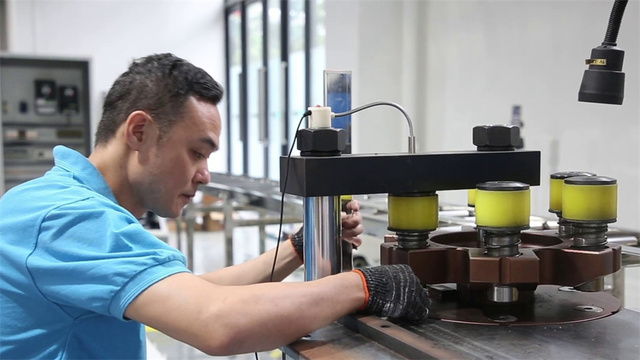
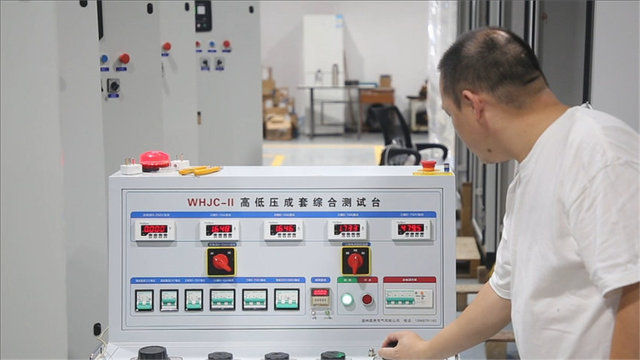
With a comprehensive manufacturing facility spanning over 18,000 square meters and powered by a highly skilled workforce of 250+ technicians and engineers, SN Electrical manages the complete design-to-delivery lifecycle in-house. This comprehensive system includes advanced CAD design, high-precision sheet metal fabrication, robot-assisted polyurethane sealing, assembly, functional testing, and strict quality control protocols.
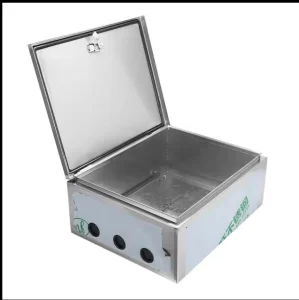
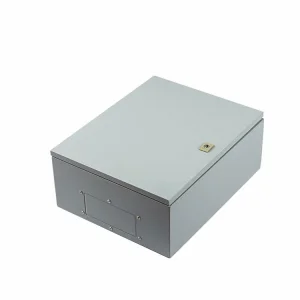
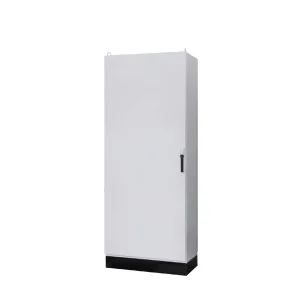
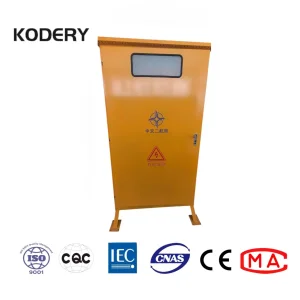
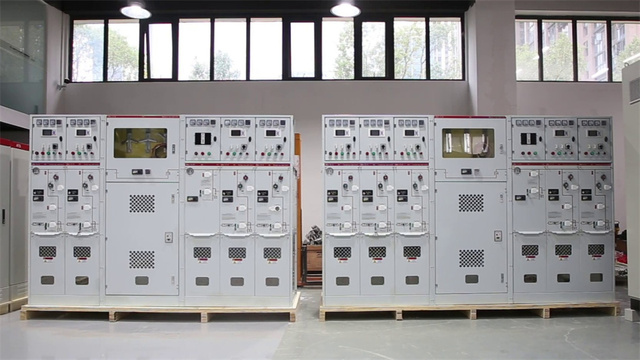
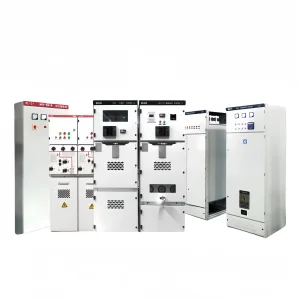
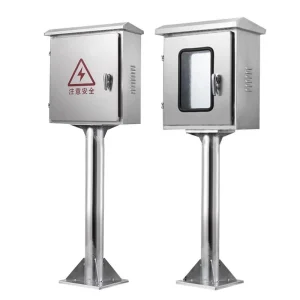
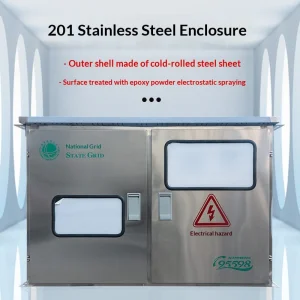
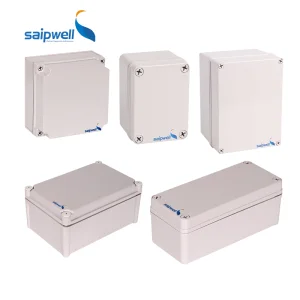
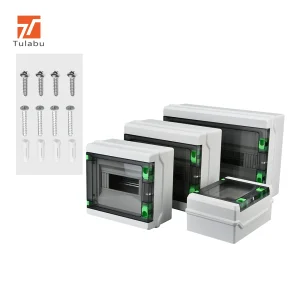
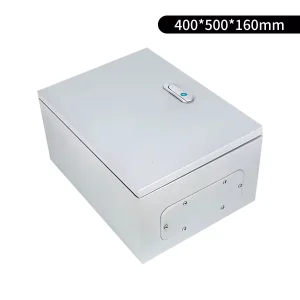
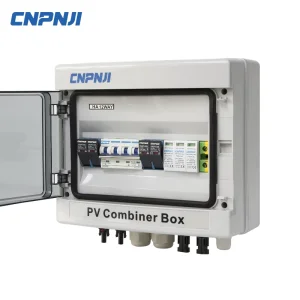
Their extensive product portfolio includes low-voltage distribution cabinets, commercial meter boxes, weather-resistant outdoor control panels, IP66-certified ABS terminal enclosures, and smart combiner boxes designed for utility-scale solar arrays. SN Electrical's commitment to materials engineering and structural design ensures all enclosures deliver lasting performance under extreme physical and environmental stress.
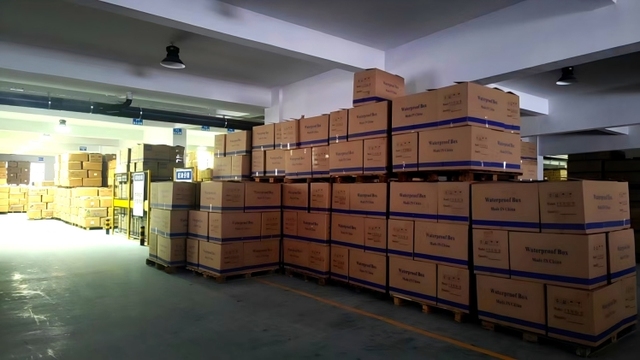
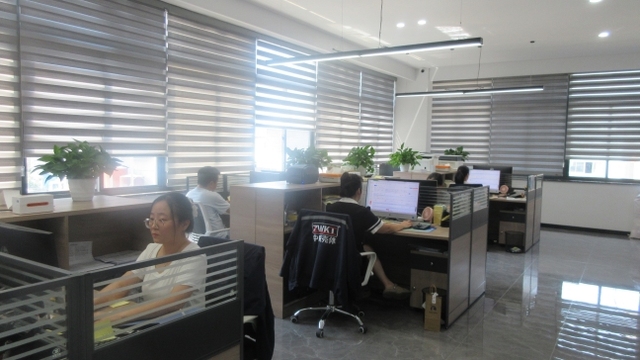
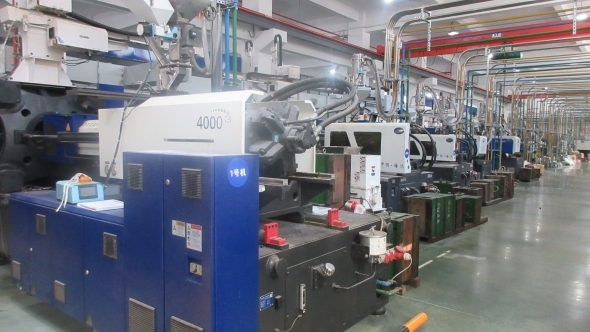
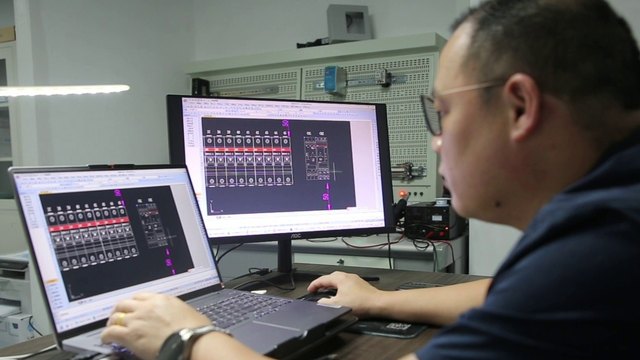
Global procurement teams recognize that sourcing circuit protection enclosures from tier-one Chinese factories provides distinct strategic advantages. This efficiency is not based solely on labor cost arbitrage. Instead, it stems from an integrated industrial ecosystem that streamlines manufacturing from raw materials to final export.
Proximity to premium raw material suppliers (high-grade steel, marine-grade aluminum, copper busbars) drastically reduces raw material lead times and transportation emissions, enhancing manufacturing velocity.
Investment in high-capacity automated production facilities—featuring CNC fiber lasers, multi-axis press brakes, and automated powder coating ovens—ensures high dimensional tolerance reproducibility across high-volume orders.
Chinese factories are uniquely responsive to customization needs. Whether modifying mounting plates, adding custom knockouts, or adjusting dimensions, design cycles are completed in a fraction of standard timelines.
Deploying electrical infrastructure globally requires strict adherence to regional regulatory frameworks and safety codes. A failure to comply can lead to operational downtime, denied grid connections, or serious liability concerns. Leading manufacturers like SN Electrical ensure their circuit protection boxes are designed, built, and tested to meet international standards.
| Regional Standard | Primary Territory | Core Structural Focus | Verification Criteria |
|---|---|---|---|
| IEC 61439-1 & -2 | Europe, Oceania, MEA | Low-voltage switchgear and controlgear assemblies | Thermal limit verification, short-circuit withstand, creepage distance |
| UL 50 / UL 50E | North America | Enclosures for electrical equipment, environmental considerations | Corrosion resistance, gasket aging, rain test, dust tests |
| NEMA 250 | Global / Industrial | Protection ratings for electrical enclosures | Submersion tests, icing, oil exclusion, rust resistance |
| CE / RoHS | European Union | Product safety and environmental substance restriction | Heavy metal limitation, low-voltage hazard containment |
Beyond certifications, localized support plays an essential role in system performance. This includes providing localized structural drawings in CAD/BIM formats, supplying replacement parts rapidly, and providing technical guidance during local site testing. This ensures systems integrate smoothly with regional municipal grids and utility requirements.
The rapid advancement of industrial automation, combined with the global transition toward decarbonization, is driving changes in the design of distribution enclosures. As smart factories and distributed power networks become more common, enclosures are evolving from simple metal boxes into intelligent, protective components of modern energy grids.
Modern enclosures are increasingly integrated with temperature sensors, humidity tracking systems, and early arc-fault detection systems. These IoT components transmit live data to central plant monitoring consoles, enabling predictive maintenance schedules before failures occur.
To support global carbon-neutrality initiatives, manufacturers are transitioning to recyclable aluminum alloys, sustainable high-durability engineering plastics, and VOC-free powder coatings that minimize manufacturing footprints without sacrificing product longevity.
The proliferation of solar arrays and EV charging systems requires combiner boxes capable of handling high DC voltages. Modern enclosures feature built-in heat insulation and pressure-relief valves designed to handle high thermal shifts safely.
The performance of a circuit protection solution depends on its alignment with its specific operating environment. Every scenario requires distinct mechanical, electrical, and thermal configurations:
An IP65 enclosure offers protection against low-pressure water jets from any angle. IP66 provides protection against high-pressure water jets, making it suitable for marine decks or heavy washdown environments. IP67 protects against temporary submersion in water up to 1 meter depth for 30 minutes. The appropriate rating should be selected based on the level of environmental moisture and washing protocols.
Aluminum alloys provide an excellent strength-to-weight ratio, high thermal conductivity (which helps dissipate internal heat), and natural resistance to atmospheric corrosion. This makes aluminum highly reliable for outdoor solar installations compared to standard mild steel, which can rust if its coating is scratched.
Sealed enclosures face condensation due to daily temperature fluctuations. High-quality manufacturers install specialized pressure compensation plugs or breathers (vent valves) that allow air to pass through while blocking water droplets, balancing internal and external pressure and preventing moisture buildup.
JXF enclosures typically feature a wall-mounted design with single-door construction, suited for compact control layouts. JFF enclosures often incorporate specialized double-door or modular configurations, offering easier front-and-back access for wiring and heat dissipation in complex control systems.
 SN Electrical