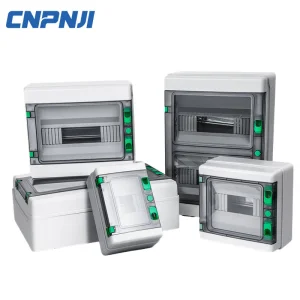
Custom OEM Waterproof Electrical Solutions Manufacturer & Exporter

Precision-Engineered Industrial Power Distribution, Advanced Ingress Protection, and Smart Control Systems for Global Infrastructure

2011
Established Year
18,000+ m²
Production Area
250+
Expert Staff
60+
Countries Exported

Industrial Whitepaper: The Evolution of Waterproof Power Distribution Systems

An in-depth analysis of global demand, material sciences, and technical compliance in extreme environmental conditions.

Global Industrial & Commercial Landscape

In the modern era of automated production, smart infrastructure, and massive renewable energy installations, reliable power distribution is paramount. The global market for waterproof electrical solutions is experiencing a massive technological shift. According to recent industrial reports, the expansion of harsh-environment applications—such as offshore wind farms, solar energy fields, modern marine terminals, chemical processing factories, and suburban electrical utility upgrades—has forced a reimagined approach to electrical enclosure design.

No longer can standard mild steel enclosures satisfy the protection requirements of expensive internal control hardware, PLCs, and Variable Frequency Drives (VFDs). Advanced ingress protection (typically IP65, IP67, or IP68 under IEC standards, and NEMA 4/4X/6/6P) has transitioned from a specialized optional upgrade to a mandatory requirement. Preventing moisture ingress, particulate contamination, and chemical erosion is critical to minimizing unplanned downtime and protecting human lives.
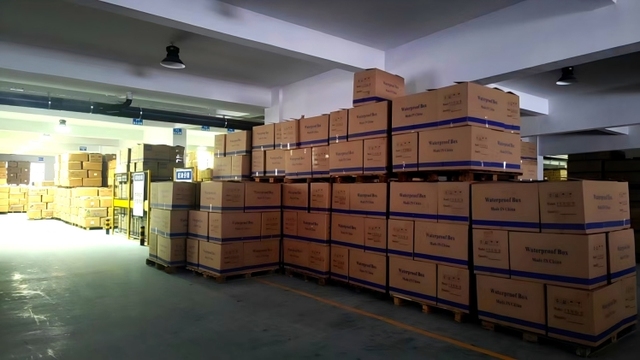
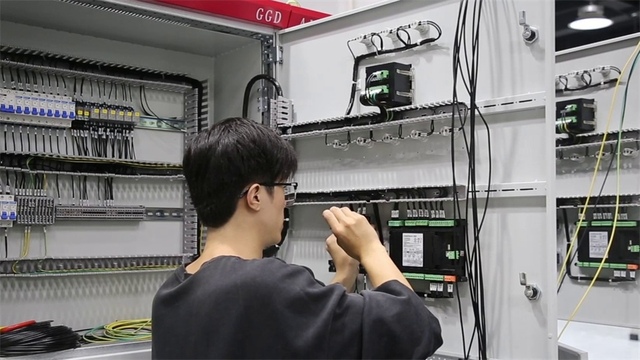
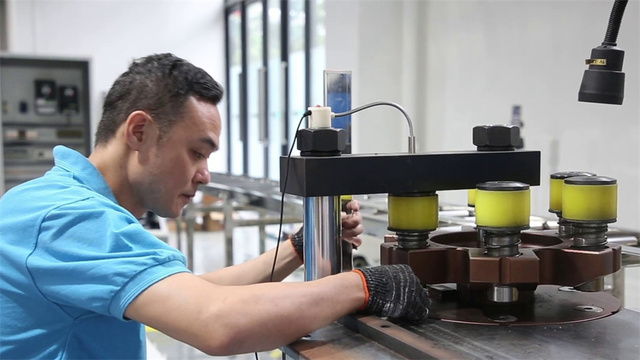
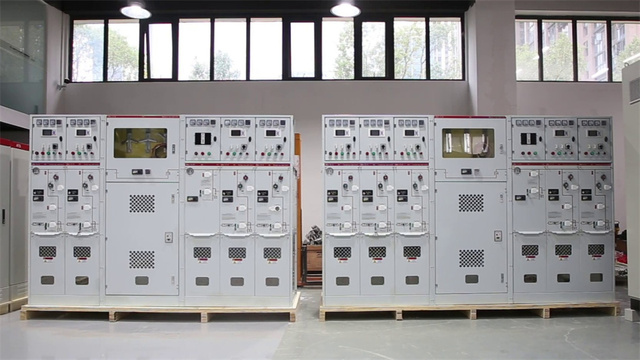
SN Electrical Factory Workshop
"The fundamental challenge of modern environmental engineering in electrical system layouts is resolving the paradox of heat dissipation versus absolute ingress protection. Keeping water out while letting system-generated heat escape requires high-level thermo-dynamics modeling, precision-molded polymers, and automated gasket application."

Ingress Protection (IP)

From IP55 modular setups to IP68 hermetically sealed junction boxes, we optimize enclosures to resist torrential rain, dust, and continuous submersive conditions.

Material Innovation

Utilizing robust Polycarbonate, flame-retardant PA66, marine-grade AISI 304/316 stainless steel, and powder-coated heavy gauge carbon steel.

Smart Integrations

Equipping systems with 4G/3G GSM telemetry, smart MCBs, environmental sensors, and remote monitoring tools for predictive maintenance.

Localized Application Scenarios & Engineering Challenges

Industrial electrical enclosures operate in radically different environments depending on their localized application. Standard "one-size-fits-all" enclosures typically fail because they do not account for micro-climates and application-specific chemical stresses:

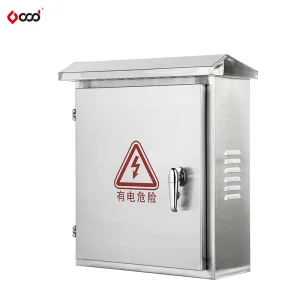
  • Coastal and Marine Infrastructure: Marine atmospheres are loaded with saline moisture, which acts as an aggressive electrolyte accelerating galvanic and pitting corrosion. Under these conditions, enclosures made of standard sheet metal degrade rapidly. SN Electrical engineered outdoor stainless steel distribution boxes utilize premium 304 or 316 grade stainless steel with specialized passivation coatings, protecting active components from salt air oxidation and high-pressure wave impacts.
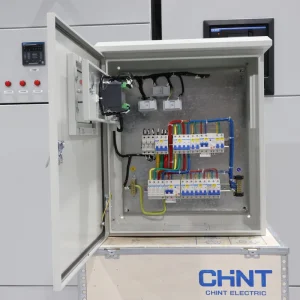
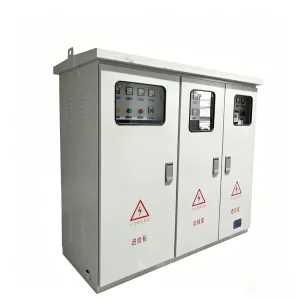
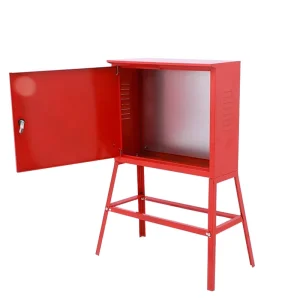
  • Factory Automation Workshops and Fire-Rated Zones: Heavy fabrication zones present high concentrations of airborne particulates, conductive dust, metal shavings, and chemical vapors. In case of localized power surges, fire-rated IP55/IP66 steel boxes prevent thermal runaway from spreading out of the enclosure. These units are built with modular partition design and integrated heat sinks to separate high-current components from sensitive monitoring circuits.
  • Municipal Public Infrastructure & EV Charging Stations: Enclosures installed in public areas must offer robust vandal resistance, structural durability (IK10 impact rating), and absolute safety for pedestrians. This is particularly crucial for EV charging wall boxes and street-level distribution hubs. These enclosures feature anti-climbing structures, rain shields, smart lock interfaces, and specialized internal ventilation configurations that block liquid ingress while keeping cooling channels active.
  • Renewable Energy Systems (Solar & Wind): Solar combiner boxes and wind farm cabinets are exposed to high UV exposure, wide daily temperature fluctuations, and extreme dust. Over time, plastic structures can degrade, and gaskets can lose elasticity. The SN Electrical solution utilizes UV-stabilized polycarbonate, high-durability PA66 enclosures, and polyurethane foam-in-place gaskets (FIPFG) to maintain a hermetic seal over decades of operation.

Uncompromised Manufacturing Quality & Advanced Infrastructure

How Hangzhou SN Electrical Co., Ltd. integrates state-of-the-art automation and strict quality management systems to serve global markets.

Hangzhou SN Electrical Co., Ltd.

Established in 2011, Hangzhou SN Electrical Co., Ltd. is a premier manufacturer specializing in low-voltage electrical distribution systems, industrial power management equipment, and smart electrical solutions. Based in Hangzhou, Zhejiang Province, China, the company benefits from a robust regional supply chain and convenient access to major international shipping hubs like Ningbo and Shanghai ports.

With a massive facility spanning over 18,000 square meters and powered by more than 250 skilled technicians and engineers, we manage the entire value chain in-house. Our operation spans initial industrial design, automated sheet metal fabrication (laser cutting, CNC punching, precision bending), structural assembly, circuit integration, quality control, and rigorous physical testing.

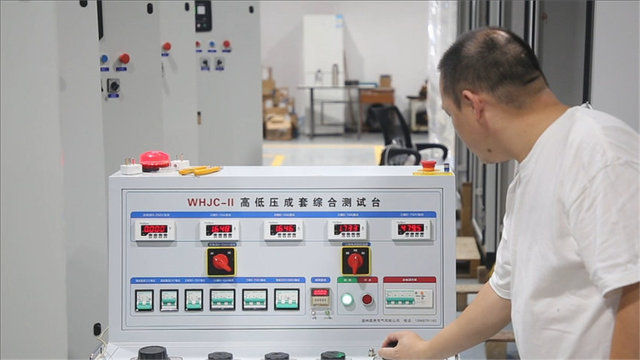
This high degree of integration translates to unmatched China factory efficiency. By eliminating third-party component sourcing delays and utilizing advanced production workflows, we can scale from rapid custom prototypes to volume manufacturing in weeks, whereas western counterparts often take months. Our in-house testing labs conduct strict IP ingress validation, salt spray testing, dielectric strength checking, and thermal stress profiling.
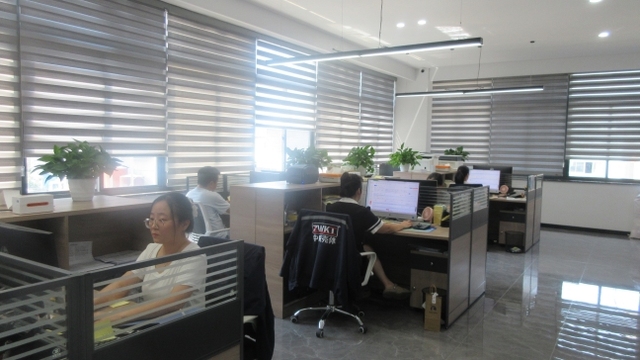
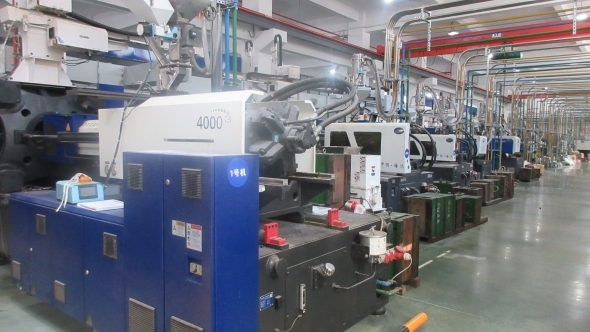
Advanced sheet metal laser cutting machine

Production Facility Tour & Advanced Processing Center

Industry Development Trends: The Age of Smart, Connective Enclosures

The traditional electrical box is transitioning from a passive structural shield into a smart node of the industrial IoT (IIoT) ecosystem. We identified three dominant trends that are defining the future of waterproof power distribution solutions:

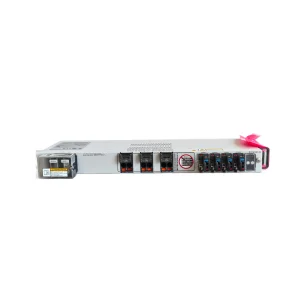
  • Telemetry Integration & Remote Diagnostics: Global operations managers demand visibility into their systems without having to send technicians to remote fields. Integrating GSM 4G connectivity directly into outdoor enclosures (like the DCDU16D) allows operators to monitor load balance, inner cabin temperature, relative humidity, and surge protection device (SPD) status remotely.
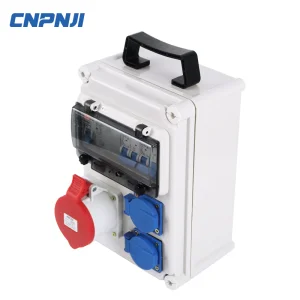
  • Modular Customization (OEM/ODM): Rather than purchasing oversized standard enclosures and modifying them on-site (which compromises the original IP rating), clients prefer application-specific modular enclosures configured straight from the factory. Integrated smart mounting systems, DIN-rails, and pre-punched connector ports ensure quick field deployment and consistent sealing.
  • Extreme Weather Resistance: Global warming has increased the frequency of severe weather events. Power distribution components must operate reliably through heatwaves, flash flooding, and extreme sub-zero winters. This shift requires the use of specialized polyurethanes for gasket sealing, combined with dual-wall thermal isolation sheet metal techniques to mitigate internal condensation.

Global Procurement Decision Matrix

When procuring distribution boards and enclosures, global procurement teams must analyze the total cost of ownership (TCO) instead of just the initial unit price. The critical procurement factors include:

Standard Compliance Ensure the manufacturer complies with internationally recognized electrical standards (IEC 61439, IEC 60529, ISO 9001:2015, CE, RoHS). Standard certification simplifies local engineering sign-off and safety inspection approvals.
Environmental Performance Examine the testing procedures. Check if the manufacturer conducts rigorous water ingress, anti-corrosion salt-mist, mechanical impact (IK code), and thermal deformation testing within their manufacturing facilities.
Engineering Capabilities Verify that the OEM/ODM vendor can offer bespoke mechanical design support, including customized internal busbars, hybrid locking configurations, and high-performance paint systems suited for specific harsh environments.

Frequently Asked Questions

Get answers to common technical queries about industrial waterproof electrical distribution solutions, material specifications, and customization possibilities.

What is the difference between IP65, IP66, and IP67 ratings for electrical distribution boxes?
These ratings specify the protection levels against solids and liquids under IEC 60529:
  • IP65: Complete protection against dust ingress and low-pressure water jets from any direction. Suitable for typical industrial environments and mild outdoor settings.
  • IP66: Complete protection against dust and high-pressure water jets (e.g., heavy seas or powerful washdowns). Ideal for marine decks and heavy industrial workshops.
  • IP67: Complete dust protection and resistance to immersion in water up to 1 meter depth for 30 minutes. Recommended for flood-prone locations or temporary submersion.
Why should I choose 304 or 316 Stainless Steel over standard mild steel?
Stainless steel contains chromium, which forms a passive protective layer of chromium oxide that self-heals when scratched, preventing red rust. Grade 304 provides excellent resistance to atmospheric moisture and mild industrial acids. Grade 316 contains 2-3% molybdenum, which dramatically improves resistance to pitting and crevice corrosion in high-salinity marine environments and chemical treatment facilities.
How does Hangzhou SN Electrical ensure the reliability of custom OEM products?
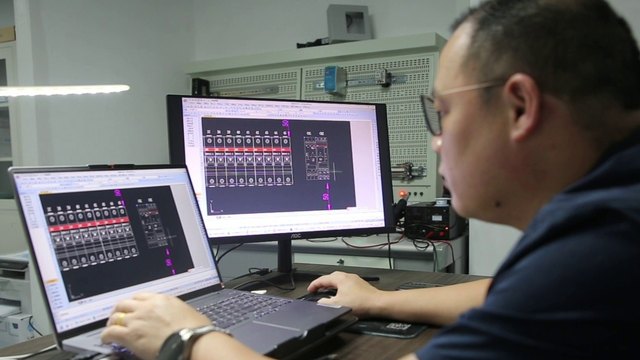
We follow a rigorous APQP (Advanced Product Quality Planning) process. Once a custom CAD drawing is approved by the client, we create a prototype, evaluate it with precision testing gear (such as environmental test chambers, digital thickness meters, and IPX6/IPX7 water spray tests). Production starts only after physical verification, utilizing automated equipment like CNC lasers, FIPFG liquid gasket dispensers, and robotic welders to guarantee zero deviation from the design model.
What smart integrations can be added to your power distribution units?
We offer multiple advanced integrations, including 4G/3G GSM connectivity modules (as featured in our DCDU16D model), multi-channel smart MCBs for remote trip management, temperature/humidity sensors to control active cooling fans or space heaters, and surge protective devices (SPD) linked to central SCADA systems.
How do you prevent internal condensation inside fully sealed waterproof enclosures?
Fully sealed enclosures are susceptible to internal condensation due to temperature swings that pull warm, humid air past its dew point inside the cool cabinet. To mitigate this, we install specialized IP67-rated pressure compensation breathers, which allow air to flow while blocking liquid water, or integrate internal anti-condensation space heaters controlled by thermostats.