Engineered for absolute reliability, safety compliance, and robust environmental protection.
In modern industrial, utility, and renewable energy settings, electrical stability is paramount. The integration of high-density solar arrays (PV networks), massive wind generation, and electric vehicle charging infrastructure has introduced unprecedented volatility into the global power grid. Voltage fluctuations, transients, phase imbalances, and harmonic distortion can cause irreparable damage to sensitive automated control systems, data centers, and manufacturing machinery.
To mitigate these risks, high-performance voltage monitoring devices and integrated power distribution solutions act as the first line of defense. By continuously reading electrical metrics and communicating in real-time with centralized SCADA systems, smart distribution units ensure localized control, rapid load-shedding, and isolation of anomalies before they cascade into system-wide blackouts.
Traditional passive distribution boxes are no longer sufficient for contemporary operational demands. Industry 4.0 dictates a migration toward active monitoring. Active devices analyze electrical waves, tracking voltage fluctuations (overvoltage, undervoltage), current overloads, thermal trends, and phase sequence anomalies. An abrupt change in voltage signals an impending failure; recognizing this in milliseconds saves millions in lost productivity and machinery replacements.
The technological trajectory of voltage monitoring devices is rapidly evolving toward intelligent edge computing and predictive diagnostics.
Future systems process power quality metrics at the device level, allowing instantaneous microsecond trip decisions without relying on delayed cloud-based computational processing.
Transitioning to wireless sensor arrays powered by cellular (5G/NB-IoT) or LoRaWAN networks, facilitating decentralized installation across wide-area solar farms and power distribution grids.
By monitoring micro-arcs and transient spikes over time, machine learning algorithms can predict component failure weeks before a catastrophic fault takes place.
Different environments present unique operational challenges requiring dedicated engineering responses.
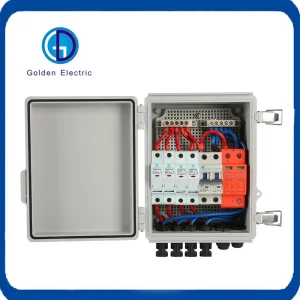
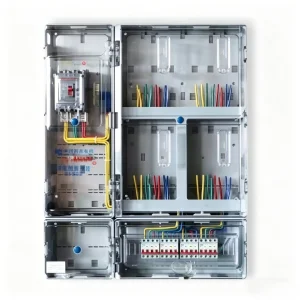
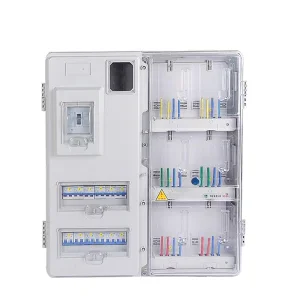
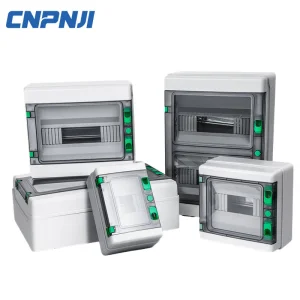
In high-voltage solar fields, combiner boxes and distribution panels face extreme heat and UV exposure. Integrated voltage monitoring protects the grid connection from back-feeding and DC-AC conversion instability. Dustproof, waterproof IP65 designs prevent moisture ingress in coastal or humid locations.
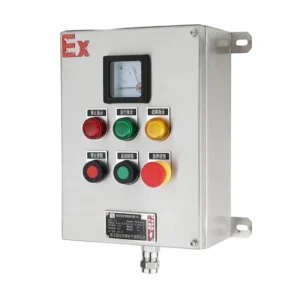
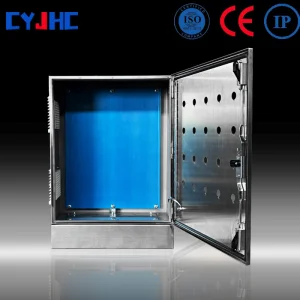
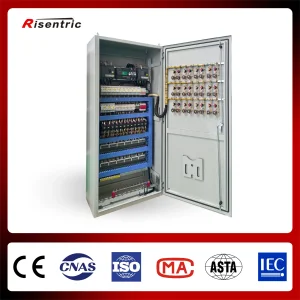
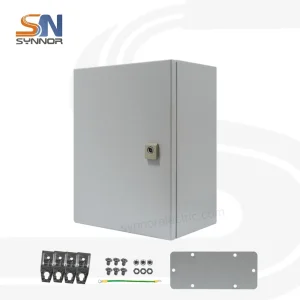
In hazardous industrial operations (petrochemical, grain milling, gas processing), explosive atmospheres demand specialized sparkless controls. Heavy-duty stainless steel explosion-proof cabinets isolate electrical monitoring systems, containing any internal arc fault to prevent external ignition.
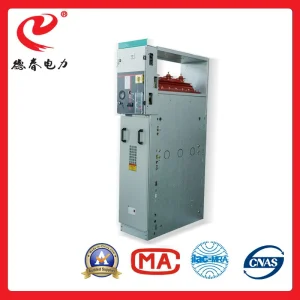
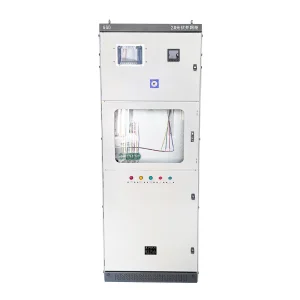
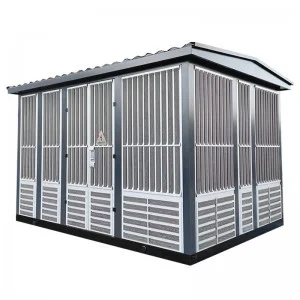
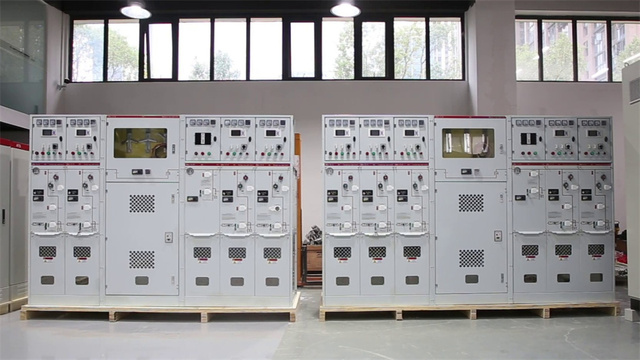
For municipal grids and large-scale industrial complexes, switchgear installations like the Xgn15-12 SF6 Ring Main Unit must monitor distribution conditions constantly. Safe, hermetically sealed gas chambers isolate high-voltage systems while advanced auxiliary modules record voltage telemetry.
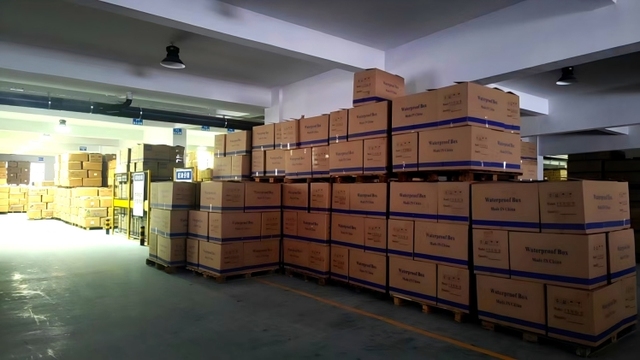
At Hangzhou SN Electrical Co., Ltd., we understand that supply chain resilience is critical. Strategically situated in Hangzhou, Zhejiang Province, our facility benefits from China's primary industrial cluster for electrical and electronic component manufacturing. This integration permits rapid sourcing of high-grade raw materials, advanced sheet metal alloys, and high-precision electronic control elements.
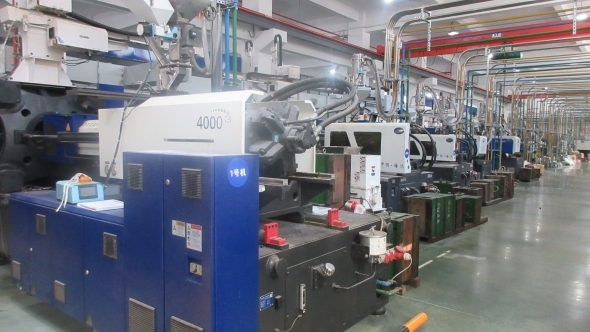
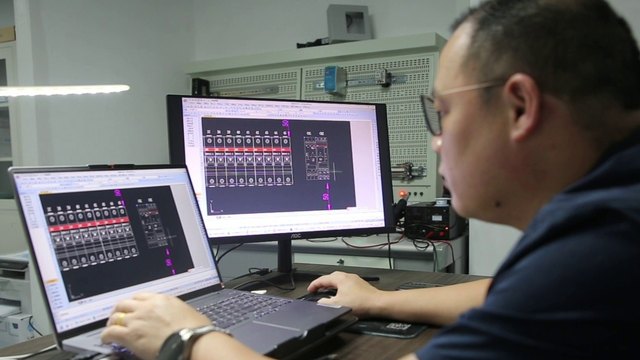
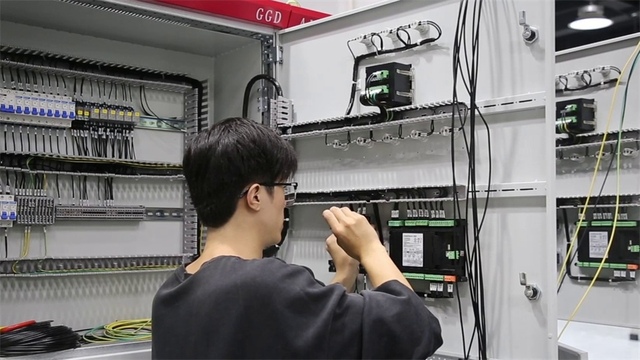
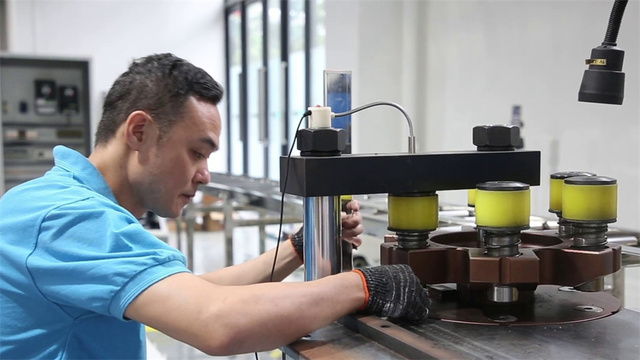
Spanning over 18,000 square meters, our facility integrates complete manufacturing cycles under one roof: design, laser cutting, sheet metal bending, precision robotic welding, automated powder coating, assembly, component integration, and final testing. By keeping these steps in-house, we eliminate external logistical bottlenecks, reduce lead times, and maintain control over build quality.
As a global OEM and ODM partner, our processes accommodate customized modifications with ease, supporting electrical projects in North America, Europe, South America, Southeast Asia, the Middle East, and Africa.
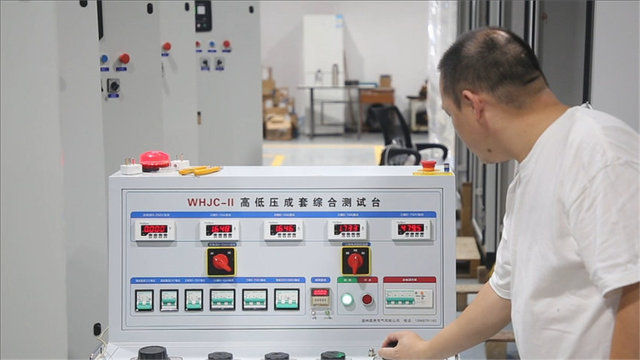
Every device we manufacture undergoes rigid testing to confirm compliance with global safety codes.
Ingress Protection (IP65, IP66) and Impact Protection (IK10) ratings ensure enclosures withstand dust, heavy water jets, and external mechanical impacts in harsh outdoor environments.
Our entire design, manufacturing, and assembly process is ISO 9001 certified. Rigorous quality control checks are performed at every step of production.
Designed and built in alignment with CE, IEC, and other international safety criteria, enabling smooth project approvals and regulatory compliance globally.
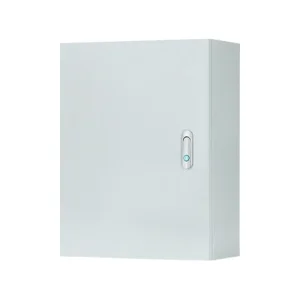
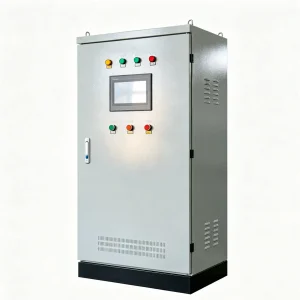
Browse our selection of heavy-duty power distribution panels and control cabinets.
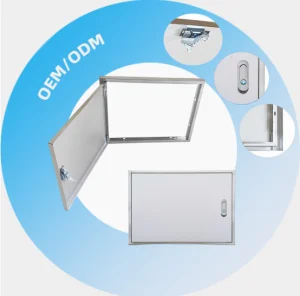
Expert technical answers regarding voltage monitoring devices, customization, and factory operations.
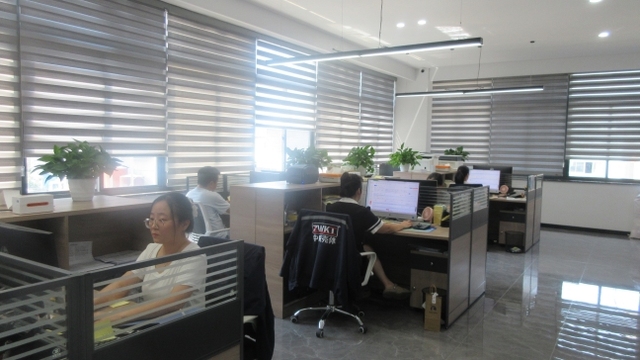
Take a virtual tour of our 18,000 square meter factory in Hangzhou, China.
 SN Electrical