High-performance custom enclosures and distribution setups designed for severe outdoor environments and smart power management.
Analyzing market drivers, micro-climate realities, and the structural imperatives of uninterrupted connectivity networks.
The global transition to 5G Standalone (SA) architectures, edge computing nodes, and massive Internet of Things (IoT) deployments has fundamentally changed the power requirements of modern telecom networks. Unlike previous generations, modern high-frequency telecommunication nodes draw higher peak currents and demand precise micro-climate regulation within local cabinets.
Power distribution solutions act as the defensive shield for high-value components. Without robust electrical enclosures containing advanced circuit breakers and temperature regulators, remote installations are highly vulnerable to voltage surges, harmonic interference, and mechanical failure, which directly impacts cellular network SLA uptimes.
Commercial power equipment is increasingly placed in harsh environments: shoreline ports, desert oil fields, solar generation microgrids, and highly polluted heavy manufacturing centers. The primary threat shifts from simple power delivery to robust environmental isolation.
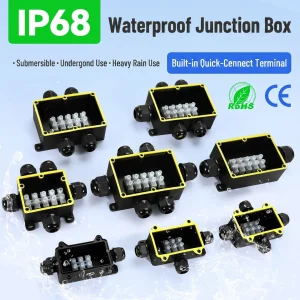
Top-tier suppliers utilize structural designs that prioritize advanced IP (Ingress Protection) ratings. These include heavy-duty IP65 and IP68 enclosures capable of preventing dust invasion and water ingress under high-pressure spray, maintaining the internal environment within strict thermal tolerances regardless of exterior ambient fluctuations.
Standard power distribution is no longer sufficient. True optimization involves integrating smart monitoring infrastructure. Built-in digital meters, smart switchgears, and automated thermal sensors feed real-time telemetry back to central Network Operation Centers (NOC). Predictive analysis allows utility managers to resolve voltage drops or component overheating hours before a system failure triggers a service outage.
"According to industrial benchmark data, transitioning from passive electrical boxes to smart, sensor-enabled distribution cabinets reduces remote site maintenance visits by 42% and decreases emergency outage resolution times by up to 60%."
Why manufacturing partnerships centered in China's industrial hubs deliver unmatched engineering quality and economic advantages.
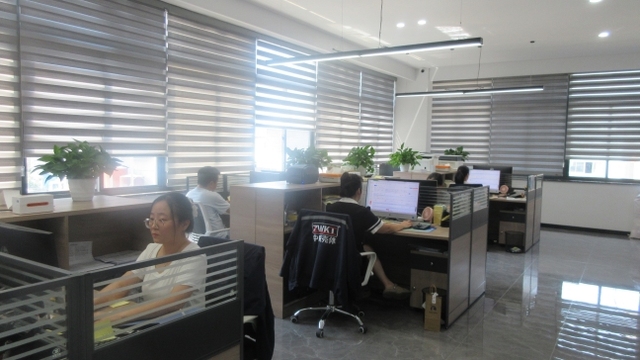
Hangzhou SN Electrical Co., Ltd. leverages Zhejiang Province's robust industrial ecosystem. Being positioned in this region grants instant access to premium raw materials (high-grade stainless steel, cold-rolled sheet metal, polyamide PA66), state-of-the-art tooling suppliers, and specialized engineers.
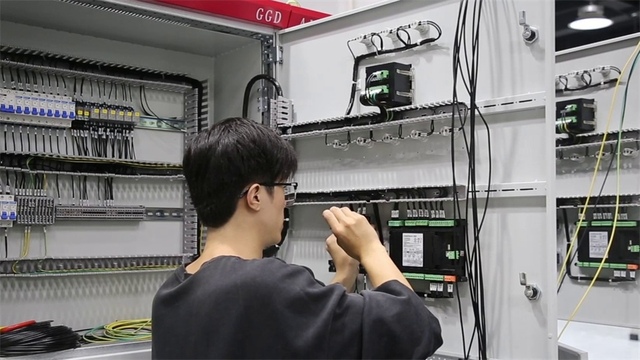
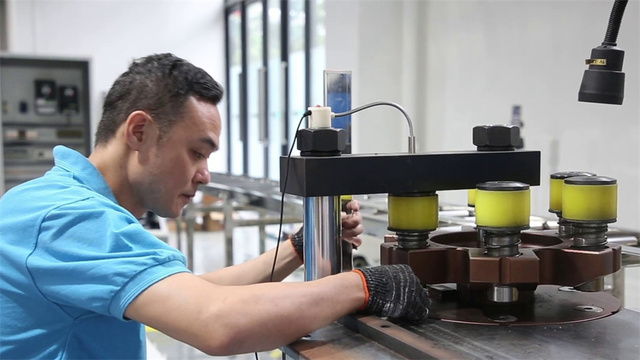
By conducting design, fabrication, and testing under a single roof, we eliminate intermediate supply chain margins and ensure that our communication power cabinets remain highly cost-competitive without compromising on material thickness or component quality.
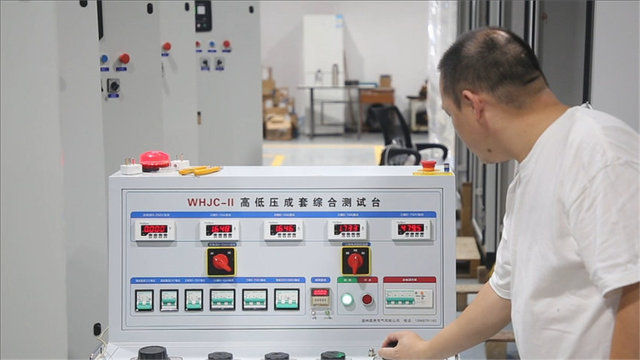
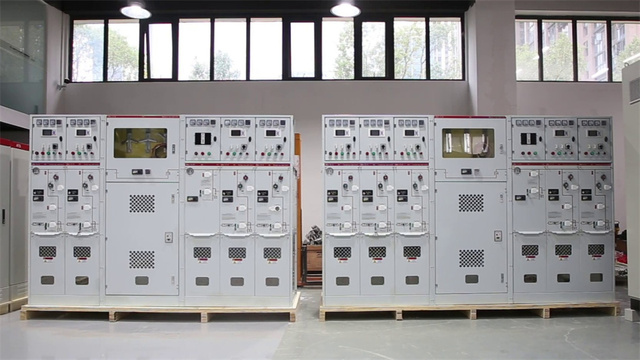
Our facility implements strict quality control processes. This includes salt spray testing for corrosion resistance, IP dust/water ingress chambers to verify environmental seals, and electrical breakdown tests up to high-voltage limits (15kv to 22kv switchgear parameters).
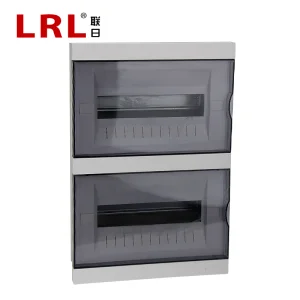
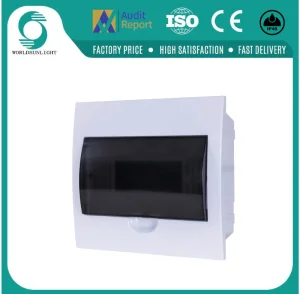
Every product, from a compact residential MCB enclosure to an advanced solar distribution station, is verified against international standards such as IEC 61439, guaranteeing safety, heat dissipation efficiency, and long-term durability in field conditions.
Examining practical deployment requirements and the technological developments shaping the future of global power distribution.
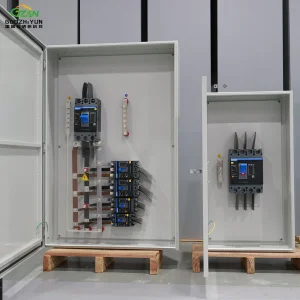
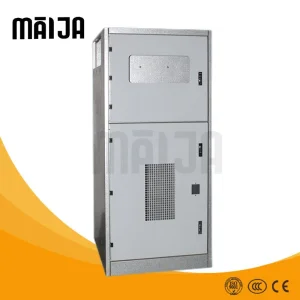
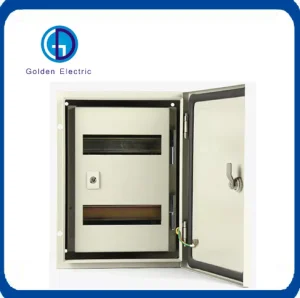
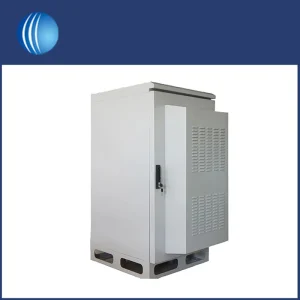
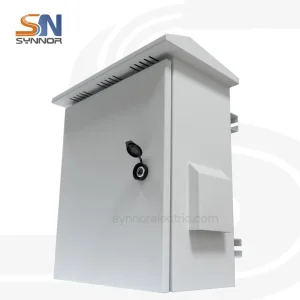
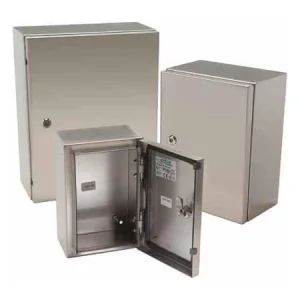
Cellular nodes located in mountainous or rural regions require autonomous power. Our IP65 stainless steel power distribution cabinets provide reliable protection for critical hardware, housing AC/DC rectifiers, uninterruptible power supplies (UPS), and network switches. Enhanced thermal design ensures that the electronic components are protected from overheating even under direct summer sunlight.
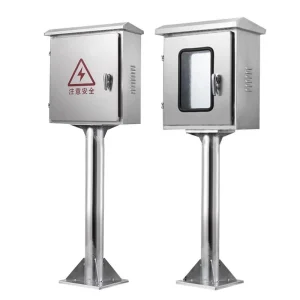
With the global increase in Electric Vehicle (EV) usage, charging infrastructure demands highly reliable local distribution. The outdoor stainless steel floor-standing distribution box, tailored for column charging stations (e.g., BYD stations), provides crucial protection for sensitive charging electronics. It shields components from dust, rain, and mechanical damage, ensuring consistent performance for users.
Commercial solar installations need to consolidate power generated by multiple rows of panels before sending it to local grid inverters. Customized 400 AMP Solar Branch Distribution Boxes manage these large currents safely. Built-in fuses, surge protection devices (SPDs), and isolate switches ensure that faults remain isolated, protecting downstream system components from damage.
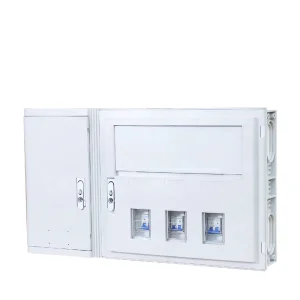
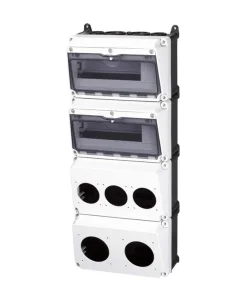
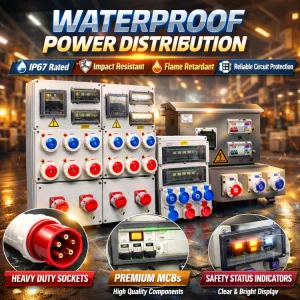
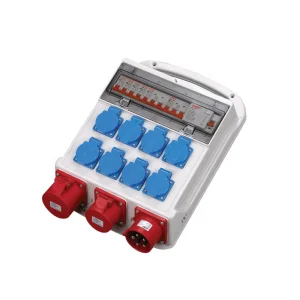
Mining operations, tunnel constructions, and large outdoor events require portable, robust power setups. Heavy-duty socket boxes with built-in miniature circuit breakers (MCB) and residual current devices (RCD) allow engineers to quickly deploy power outlets. The combination of PA66 housings and industrial waterproof connectors ensures safe operation even under heavy use.
Modern distribution boards are increasingly designed to handle bidirectional power flows, integrating local energy storage (BESS) and PV inputs to reduce reliance on the utility grid.
Smart sensors are being integrated into standard enclosures, monitoring real-time cable temperature, relative humidity, and contact wear to help prevent electrical fires.
Leading manufacturers are moving away from materials that are difficult to recycle, adopting instead sustainable aluminum alloys and highly recyclable PA66 plastics.
Key considerations for procurement managers seeking reliable, long-term partnerships for electrical equipment.
When sourcing power distribution components globally, verify that the supplier has certified test reports from accredited third-party laboratories. Common issues stem from incorrect rating classifications, where indoor-rated panels are incorrectly modified for outdoor use. Always check for certified ratings like IP65 or NEMA 4X to ensure the equipment can withstand harsh field conditions.
Standard enclosures rarely fit custom projects perfectly. A reliable manufacturing partner should offer comprehensive sheet metal design services. This includes adjusting gland plate positions, configuring custom busbar orientations, and integrating specific terminal blocks or control modules directly during the assembly phase.
Coastal and maritime installations require marine-grade 316 stainless steel or thick aluminum alloys with specialized anti-corrosion powder coatings. In contrast, residential indoor applications can utilize lightweight, cost-effective cold-rolled steel or fire-retardant plastics. Selecting the appropriate material for the environment helps avoid premature equipment failure.
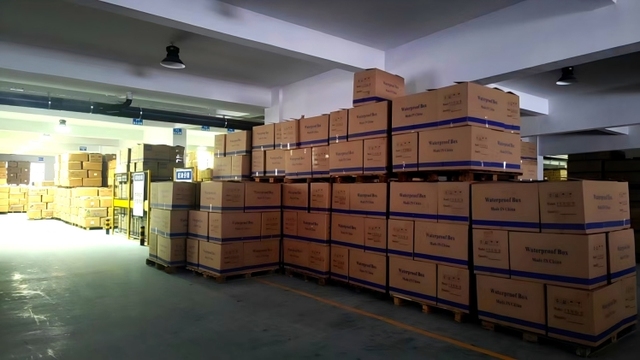
Delays in receiving electrical enclosures can halt large-scale infrastructure projects. Sourcing from manufacturers located near major logistics hubs, such as Hangzhou's proximity to Ningbo and Shanghai ports, helps ensure reliable shipping schedules and lower transport costs for international shipments.
Clear answers to common questions about specifications, lead times, and manufacturing processes.
IP65 enclosures are designed to resist dust and low-pressure water jets from any angle, making them ideal for standard outdoor installations. IP68 enclosures provide a higher level of protection, sealing components against dust ingress and long-term submersion under water, which is essential for low-lying areas or heavy maritime conditions.
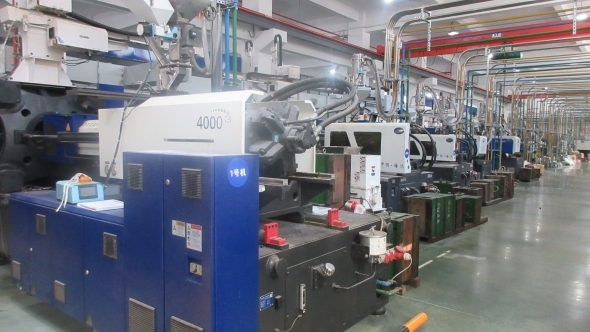
We use automated CNC machinery for precise laser cutting and bending, keeping manufacturing tolerances within 0.1mm. After fabrication, our panels undergo a multi-stage cleaning and powder-coating process to ensure excellent adhesion and weather resistance. Every batch is visually and dimensionally checked before moving to final assembly.
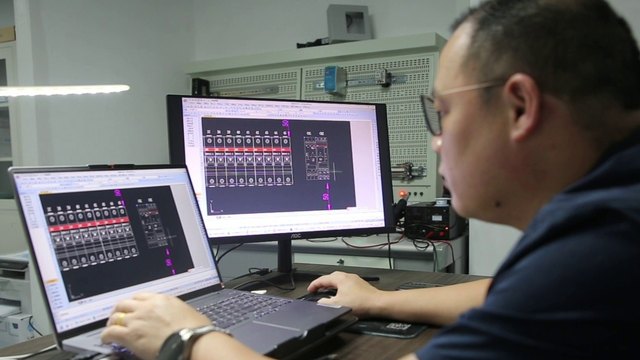
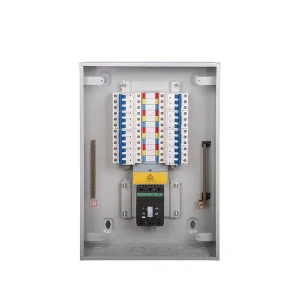
Yes, we offer comprehensive ODM services. Customers can provide their schematic diagrams, and we will source, assemble, and wire components such as MCBs, RCDs, busbars, and terminal blocks. The complete assembly is tested in our facility, allowing for quick plug-and-play installation on-site.
PA66 (Polyamide 66) offers significantly higher mechanical strength, impact resistance, and thermal stability than standard ABS. It is highly resistant to chemical exposure, UV rays, and physical impacts, making it the preferred material for harsh industrial environments and temporary site power distribution.
Standard production lead times typically range from 20 to 35 days, depending on the design complexity and material availability. Prototyping and custom design approvals can usually be completed within 7 to 10 days, helping keep your project timeline on schedule.
Explore our range of durable, weather-resistant boxes, socket boards, and custom cabinets built to meet global electrical safety standards.
 SN Electrical