Advanced solar combiners, smart PDUs, and robust electrical distribution enclosures engineered for global commercial networks.
Modern electrical grids and telemetry demands require seamless coordination between electricity transport and data propagation. Power Line Communication (PLC) acts as a fundamental bridge, utilising existing copper or aluminum power conductors to transmit high-frequency telemetry data alongside standard alternating current (AC) or direct current (DC) power. By doing so, operators bypass the heavy capital expenditures associated with dedicated Ethernet, fiber optic, or wireless networks, particularly in shielded industrial settings, underground installations, and remote solar fields.
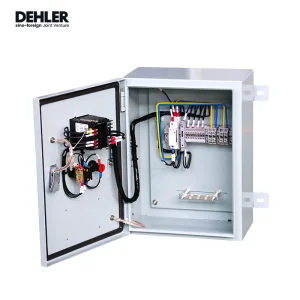
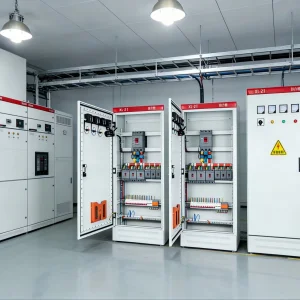
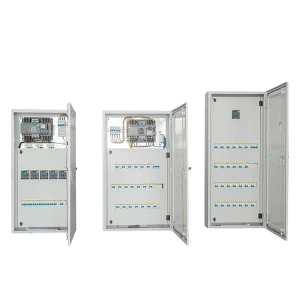
As smart systems evolve, the enclosing hardware—namely distribution boards, combiner cabinets, and smart PDUs—has shifted from static terminal blocks to dynamic grid endpoints. The integration of PLC protocols (such as G3-PLC, PRIME, and Broadband over Power Lines) inside protective structures ensures real-time feedback loops. These loops monitor solar output, control localized branch lines, limit overvoltages, and track active loads. For modern industrial operators, selecting a qualified manufacturing partner capable of delivering heavy-duty enclosures that accommodate both high-frequency logic components and high-amperage hardware is paramount.
Smart meters and secondary substations require cost-effective bi-directional communication channels. Narrowband PLC provides the ideal vehicle to monitor load demand, automate fault isolation, and improve overall system reliability without additional cabling.
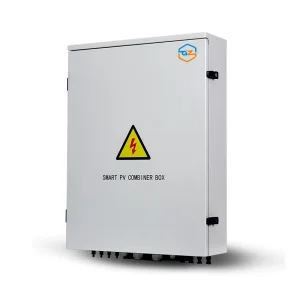
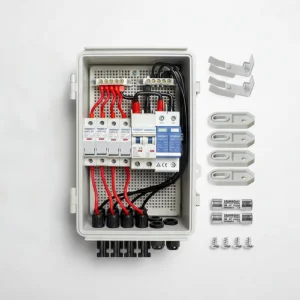
Photovoltaic systems utilize PLC technology for module-level rapid shutdown and real-time solar string diagnostic feedback. High-performance combiner boxes act as physical interface nodes where high-voltage generation meets smart automation.
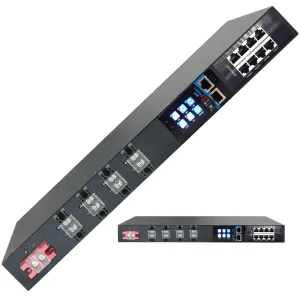
Modern factories deploy Modbus- and MQTT-enabled Smart PDUs. Running on IP networks or serial PLC architectures, these devices coordinate power monitoring, enabling predictive maintenance schedules and minimizing runtime disruptions.
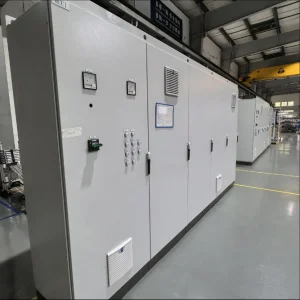
Established in 2011 and based in Hangzhou, Zhejiang Province, Hangzhou SN Electrical Co., Ltd. has evolved to address the demanding performance profiles required by global electrical infrastructure. Standard industrial distribution panels require exact sheet metal tolerance, specialized outdoor anti-corrosion chemical applications, and reliable component layout to handle heat buildup, electromagnetic interference (EMI), and potential water ingress.
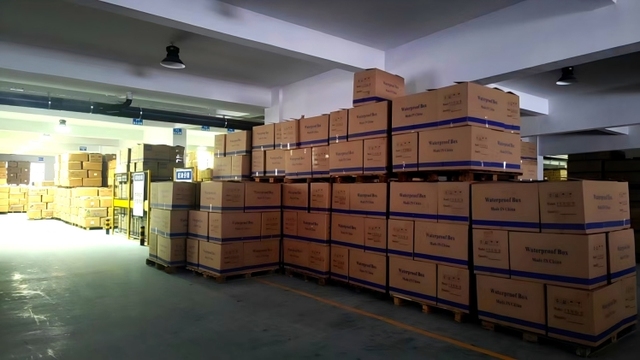
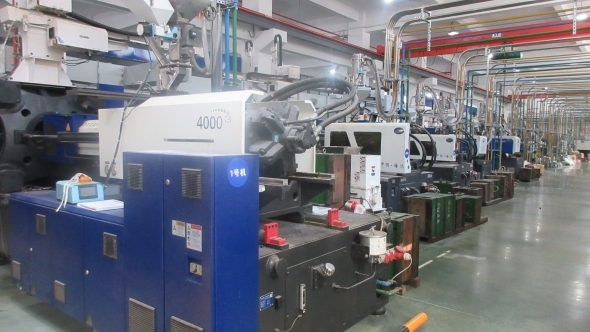
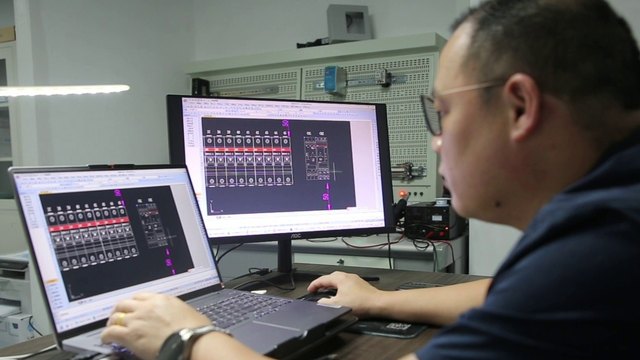
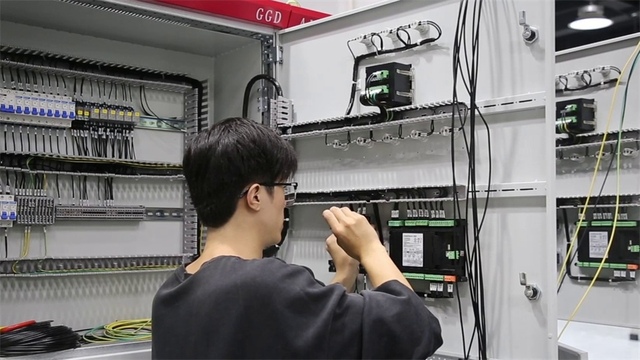
With an production facility exceeding 18,000 square meters and a dedicated workforce of over 250 personnel, the company exercises total oversight of the design and production cycle. This vertical integration includes advanced metal fabrication, specialized component assembly, and quality control. Operating near critical logistical corridors in the Yangtze River Delta, the facility maintains rapid, cost-efficient transit options to Shanghai and Ningbo ports, reducing international lead times.
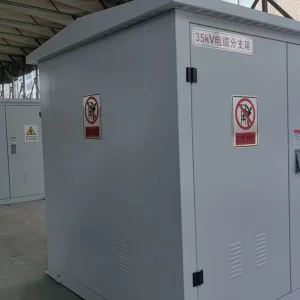
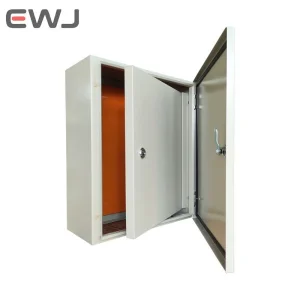
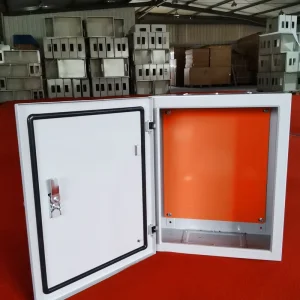
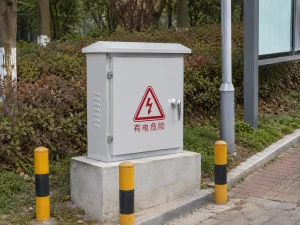
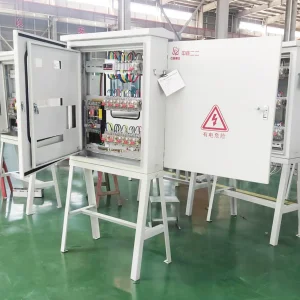
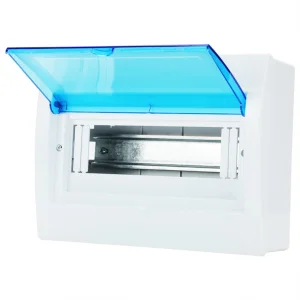
The structural integrity of outdoor distribution cabinets begins with premium cold-rolled steel, galvanized steel sheets, or robust engineering plastics (such as polycarbonate and ABS). For harsh environments, such as solar fields exposed to UV radiation and heavy salt mist, SN Electrical coats enclosures with specialized anti-UV, electrostatic powder paint. This maintains the structural stability of the box and prevents rust or mechanical wear for decades.
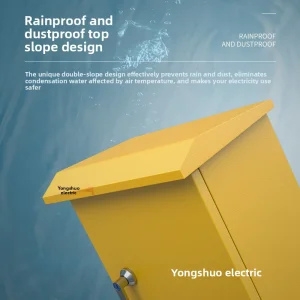
In addition, advanced sheet metal fabrication requires laser cutting systems, multi-axis CNC bending machines, and automatic spot-welding units. By automating these processing steps, cabinets are fabricated with precise door alignments and reliable continuous gasket seals. This engineering quality guarantees IP54, IP65, or IP66 performance ratings, protecting sensitive internal electronics from water and dust ingress.
Analyzing how modern distribution enclosures and PLC technologies perform in specific industrial applications.
Deploying outdoor combiner boxes with built-in DC surge protection, fuses, and smart micro-controllers. In these systems, PLC protocols are modulated onto the DC power lines to relay individual string health, eliminating separate data line installations.
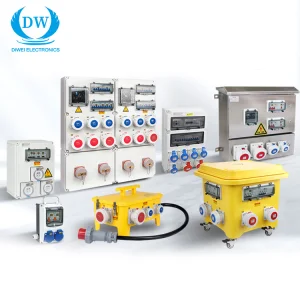
Deploying portable yellow IP30, IP65, or IP67 power distribution enclosures on heavy construction sites. These systems require shock-resistant properties, high impact protection (IK08/IK10), and visible, weather-proof safety switches to guarantee worker protection.
Smart PDUs running telemetry protocols (such as MODBUS, MQTT, or TELNET) are mounted directly in server cabinets. They record voltage sag, current draw, and power quality metrics, helping data center operations track PUE metrics in real time.
When selecting a Chinese factory partner, procurement departments and engineering leads evaluate manufacturers on several key areas to guarantee long-term stability and product performance:
Technical clarifications regarding smart power distribution boxes, material options, and customization processes.
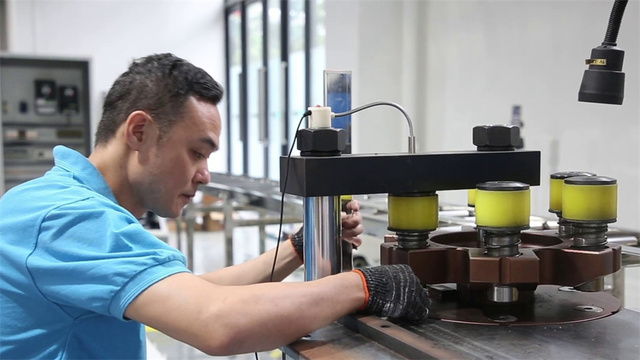
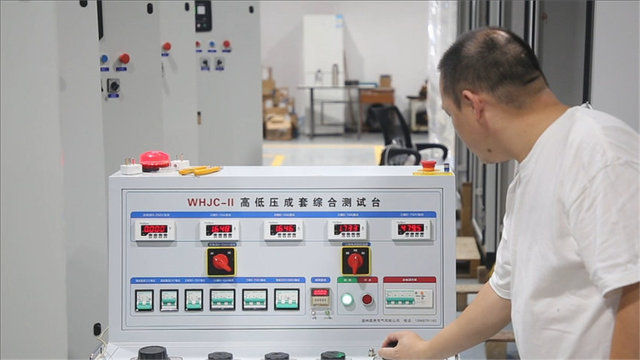
Take a look inside our production areas, metal fabrication shops, assembly floors, and quality control departments.

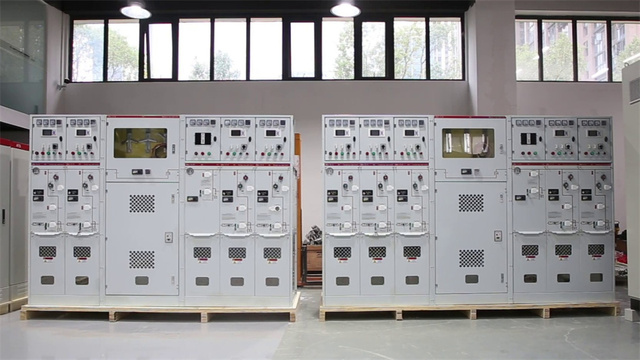
Explore our full line of indoor cabinets, commercial panels, wall-mounted boxes, and high-capacity equipment.
 SN Electrical