Engineered for extreme environments, IP-rated protection, and modular compliance with IEC and UL standards.
Analysing macroeconomic shifts, grid modernization programs, and the demand profile for low-voltage equipment.
The global power distribution equipment market is undergoing its most profound structural shift in a generation. Driven by the twin imperatives of decarbonization and grid modernization, municipal authorities, industrial conglomerates, and commercial property developers are rapidly upgrading legacy low-voltage (LV) systems. The market, estimated to reach over USD 140 billion by 2030, is transitioning from passive containment solutions to intelligent, resilient, and highly secure electrical enclosures.
In this environment, sourcing managers and EPC (Engineering, Procurement, and Construction) contractors are looking beyond simple steel structures. The modern standard demands extreme protection capabilities, including IP67 and IP68 ingress protection ratings, robust corrosion resistance, and total electromagnetic compatibility. Procurement dynamics have shifted from local sourcing to globalized supply hubs that offer specialized, certifiable engineering capabilities. High-frequency digital applications, data center expansions, and microgrid integrations require highly tailored enclosures capable of thermal regulation and smart metering.
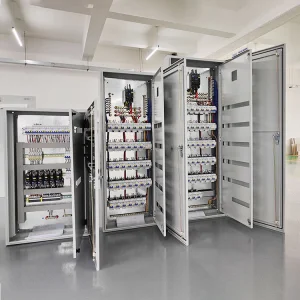
Integration of renewable generation assets requires modular combiner boxes and robust low-voltage distribution stations to handle fluctuating supply metrics safely.
Equipping classical power distribution panels with smart meters, communications relays, and thermal sensors turns passive panels into active edge computing nodes.
The exponential growth of AI computation demands zero-downtime high-frequency online UPS cabinets and advanced Intelligent Rack PDUs for load balancing.
Evaluating technical expertise, manufacturing scale, and compliance frameworks to mitigate project risk.
Evaluating potential exporters on global lists requires a systematic verification of engineering competencies. A premier manufacturer must demonstrate profound capability in key parameters:
The global leadership of Chinese manufacturing in the power distribution sector is exemplified by companies operating at the pinnacle of efficiency and automation, such as Hangzhou SN Electrical Co., Ltd. (established in 2011). Located in the industrial heart of Zhejiang Province, the company leverage an integrated ecosystem to deliver rapid lead times, extreme quality control, and competitive unit economics.
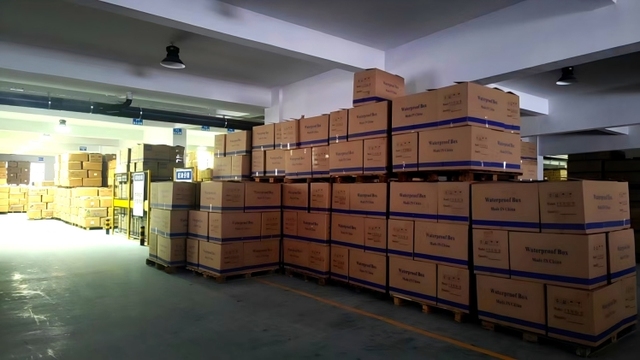
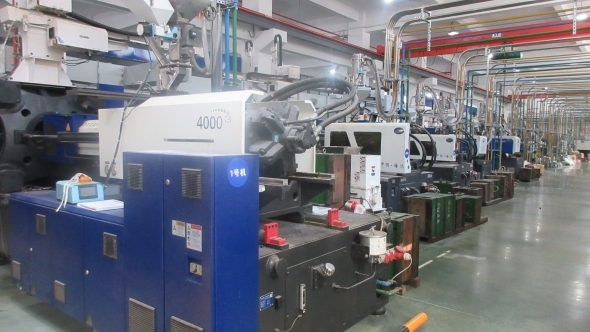
Spanning a state-of-the-art facility of over 18,000 square meters and employing over 250 skilled engineers and fabrication specialists, Hangzhou SN Electrical Co., Ltd. represents the peak of modern electrical infrastructure manufacturing. By integrating sheet metal fabrication, precision assembly, environmental simulation testing, and multi-stage QA protocols under one roof, they bypass traditional supply chain bottlenecks.
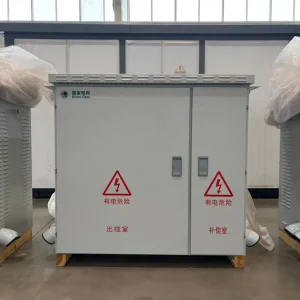
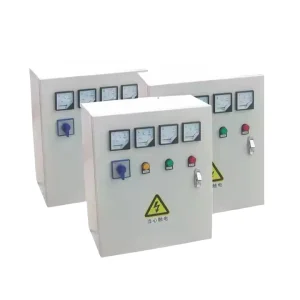
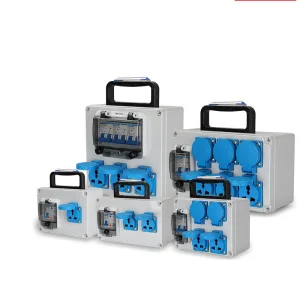
From rural network modernizations to complex urban infrastructure and industrial distribution panels, SN Electrical offers high-efficiency low-voltage power distribution boxes, outdoor utility JP cabinets, IP-rated junction boxes, and smart metering solutions designed for rapid global export.

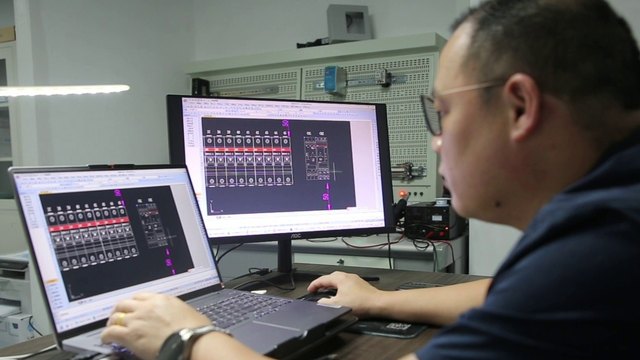
Quantifiable metrics proving institutional capability and global supply chain readiness.
Understanding the engineering decisions behind high-performance low-voltage distribution enclosures.
Electrical enclosures must withstand diverse physical, environmental, and thermal stresses. The selection of materials and protection methods directly dictates the operational life of the internal components.
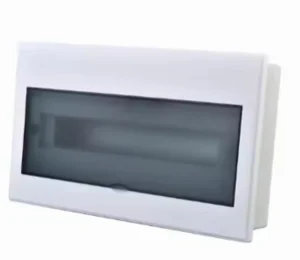
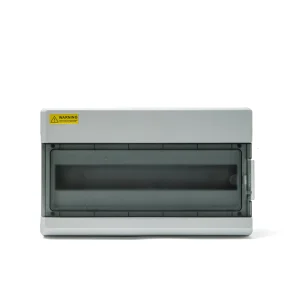
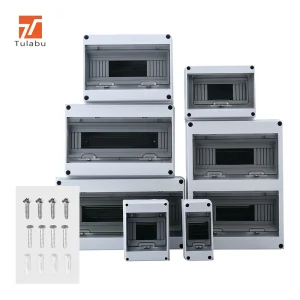
Acrylonitrile Butadiene Styrene (ABS) offers extreme impact resistance, high tensile strength, and excellent chemical insulation. Combined with Polycarbonate (PC), these boxes prevent UV degradation, maintain form stability under extreme sunlight, and achieve up to IP67-IP68 ingress ratings for harsh offshore and mining sites.
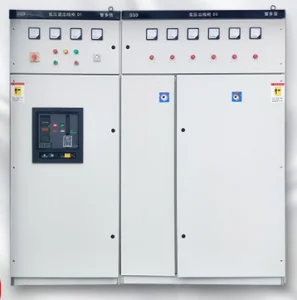
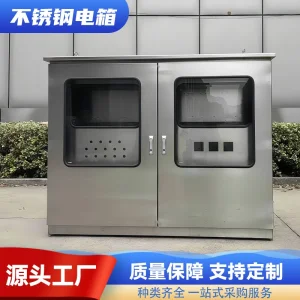
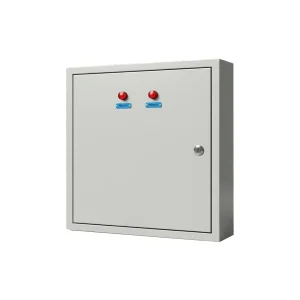
For rural network transformation and large-scale industrial distribution, integrated three-in-one JP cabinets utilize cold-rolled steel plates or stainless steel sheets. Precision powder coatings and pickling passivation ensure high resistance to corrosion, rust, and structural stress under fluctuating grid loads (220V/380V/400V systems).
As micro-grid architectures integrate with data networks, smart power distribution units (iPDUs) and UPS cabinets feature real-time electrical metering, hot-swappable circuit breakers, and network interfaces. This enables predictive maintenance, remote load-shedding, and automated failover capabilities.
How different configurations of distribution boxes solve site-specific engineering challenges.
Engineering safety demands that power distribution units match the thermal, mechanical, and ambient characteristics of their environment:
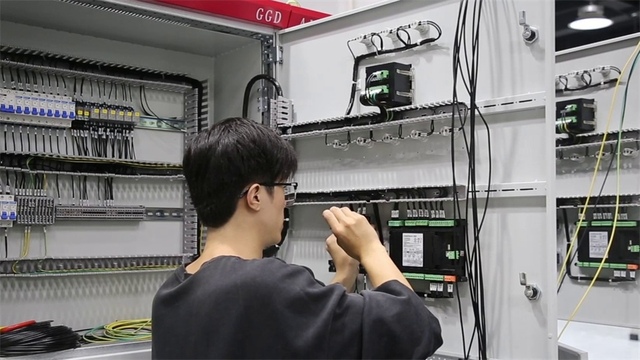
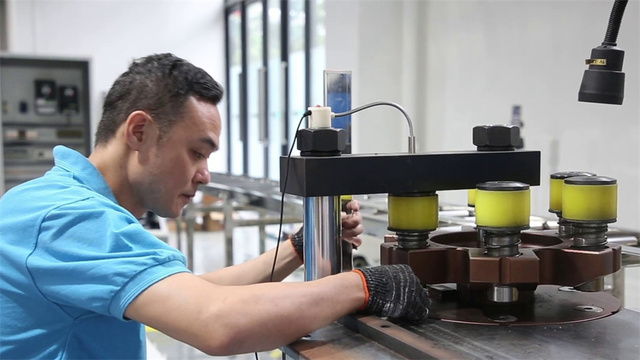
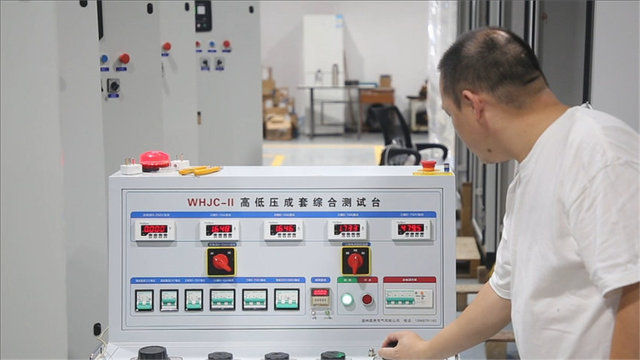
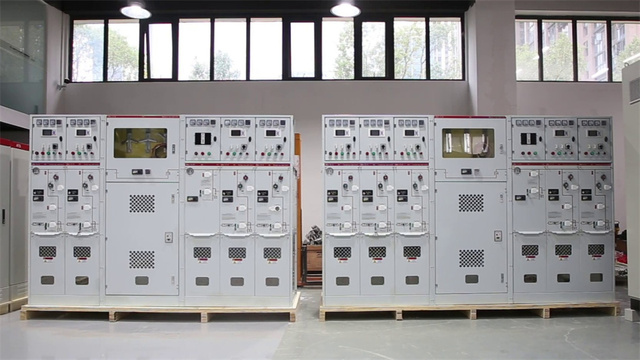
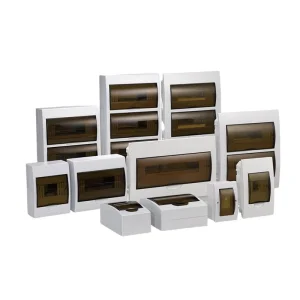
Exhaustive range of wall-mounted, floor-standing, and portable distribution equipment from our automated plant.
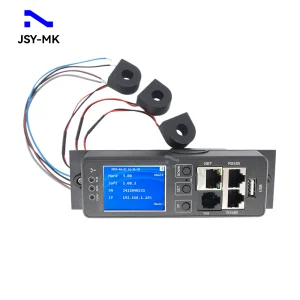
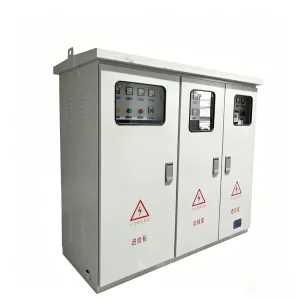
Expert technical insights regarding international procurement, standards compliance, and configuration.
 SN Electrical