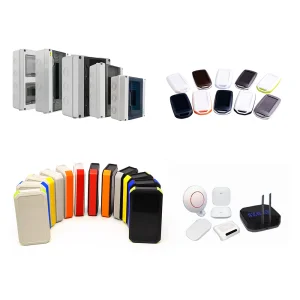
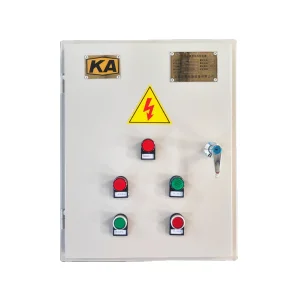
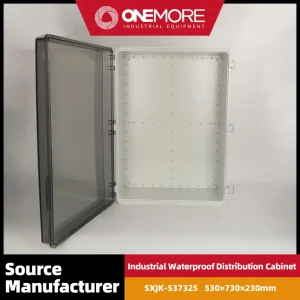
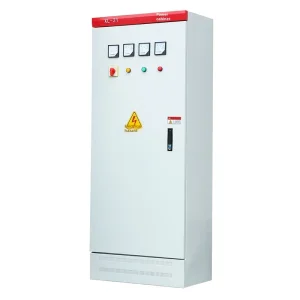
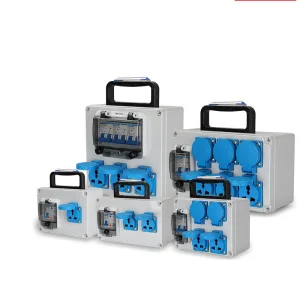
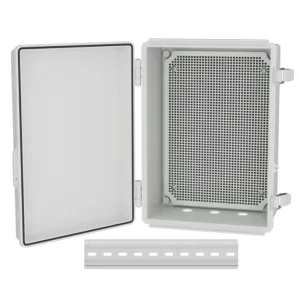
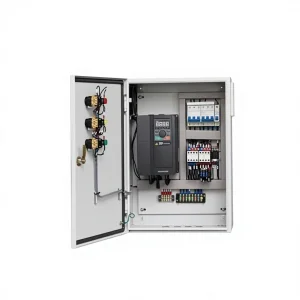
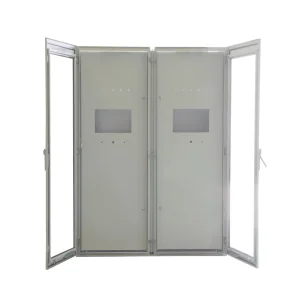
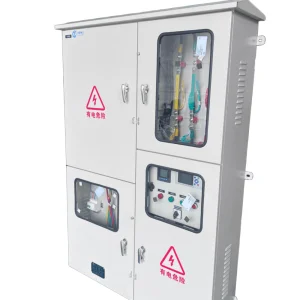
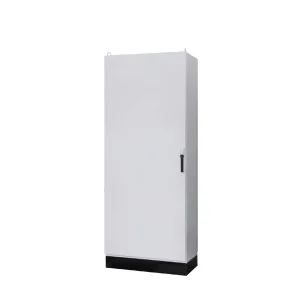
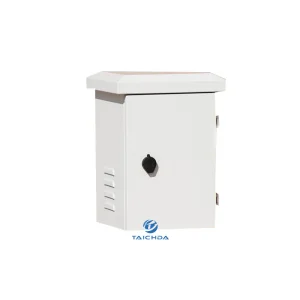
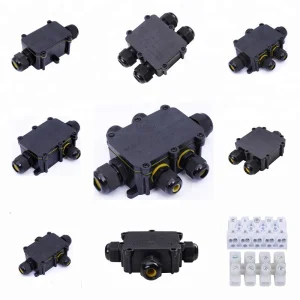
Explore our premium electrical enclosures, low-voltage control cabinets, and junction systems built for resilient infrastructure applications.
Analyzing key shifts in modern electrical distribution architecture, smart grid integration, and the rising demand for continuous supply security.
The global energy landscape is undergoing a structural transition. Commercial, industrial, and infrastructure systems are increasingly reliant on highly stable power supplies to prevent costly downtime. The integration of backup power systems has evolved from basic standalone diesel generators and uninterruptible power supplies (UPS) to highly integrated, intelligent distribution ecosystems. These modern architectures utilize smart switchgear, low-voltage power cabinets, and solar PV combiners to seamlessly manage grid-to-backup transitions.
Key drivers behind this evolutionary shift include the massive expansion of hyperscale data centers, the electrification of industrial manufacturing, and the integration of volatile renewable energy sources like wind and solar. Modern backup power solutions must not only offer raw power capacity but also ensure microsecond-level fault isolation, automatic transfer switching (ATS) efficiency, and robust protection against environmental hazards. Consequently, selecting the right backup power manufacturers and exporters has become a critical strategic decision for engineering procurement teams globally.
Engineering procurement managers do not buy equipment in a vacuum; they purchase reliability, regulatory alignment, and customized design compliance. Today’s industrial landscape demands custom enclosures and low-voltage power cabinets that meet distinct regional standards. In North America and Europe, buyers look for compliance with IEC 61439, UL 508A, and specific NEMA/IP ingress ratings to guarantee performance under harsh operating parameters.
Key components of global procurement strategies include:
Analyzing how automated sheet metal fabrication, standardized Quality Control, and deep ecosystem integration yield unmatched competitive advantages.
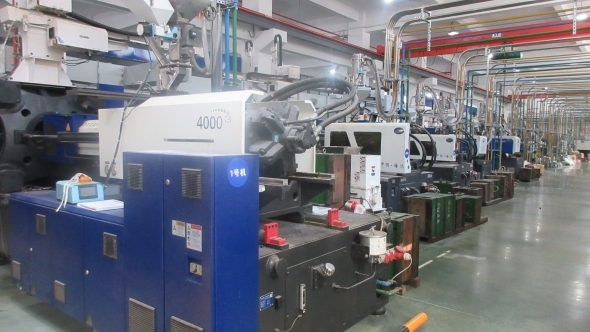
In the global market for electrical distribution hardware, Chinese manufacturers representing the Factory 4.0 paradigm have set new benchmarks for speed, cost efficiency, and technical accuracy. Modern manufacturing in provinces like Zhejiang has evolved from simple assembly lines to highly synchronized, digitized ecosystems. Automated CNC sheet metal laser cutting, precision robotic welding, and automated powder coating processes ensure that every distribution cabinet, junction box, and control cabinet is fabricated to sub-millimeter tolerances.
This level of precision directly translates to supply chain resilience. During periods of volatile raw material prices, China's vast industrial clusters enable manufacturers to source premium grade steel, high-performance polymers, and international-standard electrical components without suffering long delays. Additionally, integrated shipping and logistical hubs in cities like Hangzhou and Ningbo guarantee seamless global distribution, ensuring project deadlines are met with absolute predictability.
An Industry-Leading OEM/ODM Partner for Global Power Distribution and Backup Systems
Established in 2011, Hangzhou SN Electrical Co., Ltd. is a professional power distribution box manufacturer specializing in low-voltage electrical distribution systems, industrial power management equipment, and smart electrical solutions. Located in Hangzhou, Zhejiang Province, China, the company benefits from a strong industrial ecosystem and convenient international transportation networks. This location enables rapid sourcing, continuous testing, and direct shipping to major international maritime ports.
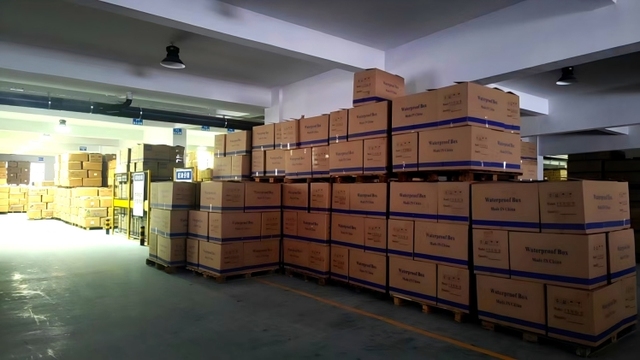
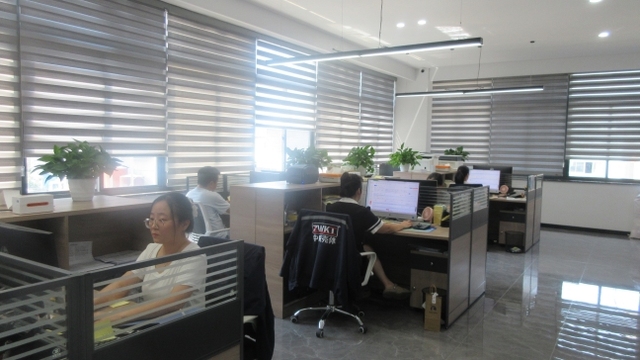
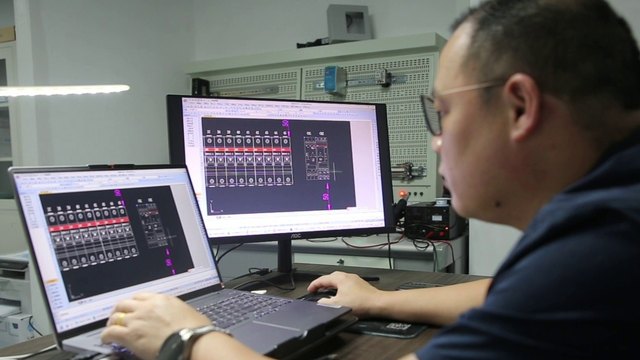
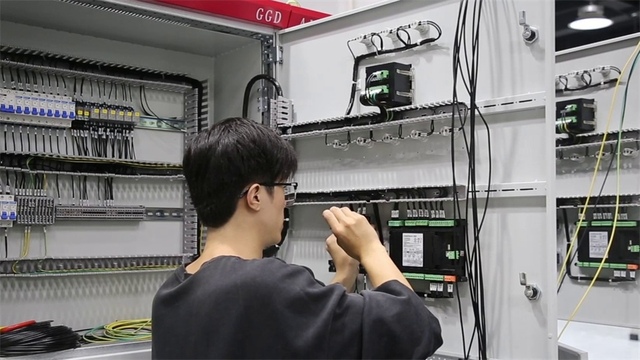
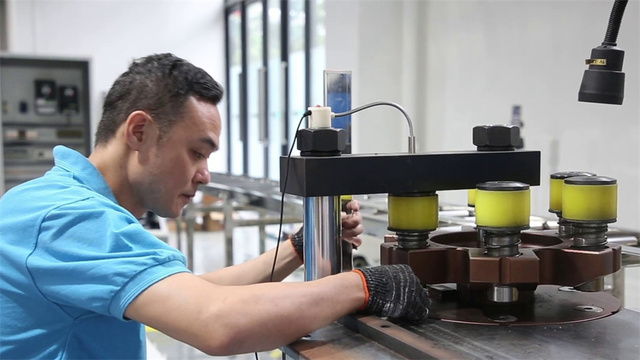
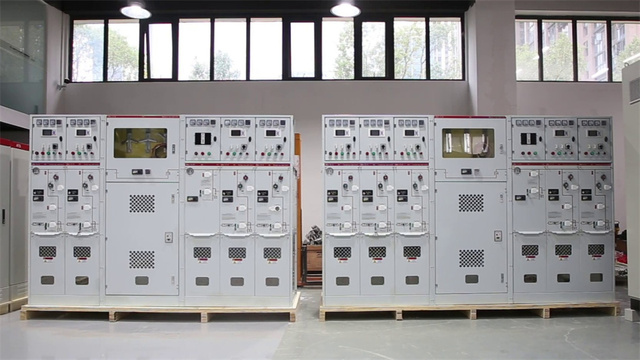
Operating a state-of-the-art manufacturing facility covering over 18,000 square meters and employing a workforce of more than 250 skilled specialists, SN Electrical integrates product design, sheet metal fabrication, assembly, testing, and strict quality control into a single unified production ecosystem. The company utilizes advanced manufacturing machinery and implements rigorous inspection procedures to ensure product safety, durability, and compliance with global electrical certifications.
As a seasoned OEM and ODM partner, SN Electrical provides tailored engineering services, structural enclosure design, electrical component integration, private labeling, and project-based manufacturing solutions for customers worldwide. Their extensive export network spans across Europe, North America, South America, Southeast Asia, the Middle East, and Africa, cementing their reputation as a premier supplier of critical power infrastructure components.
How specific distribution configurations resolve localized environmental, mechanical, and electrical grid challenges.
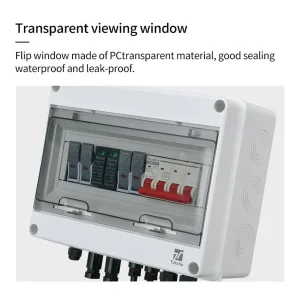
Photovoltaic installations require robust DC Combiner Boxes to consolidate multiple solar panel strings before routing to inversion stages. Operating in remote, unshaded desert environments means these enclosures must withstand high UV indexes and ambient temperatures exceeding 50°C. By deploying double-insulated, dust-tight, and waterproof cabinets with optimized thermal venting, engineers protect sensitive circuit breakers and surge protection devices (SPDs) from catastrophic failure.
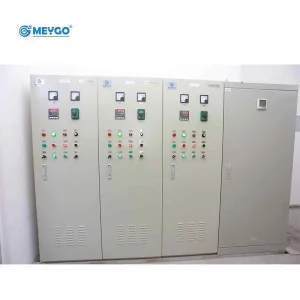
Factory floors running heavy CNC machinery, packaging lines, and conveyor networks depend on steady, high-current three-phase power. Fluctuations or overload conditions can damage tooling and disrupt tight production schedules. Heavy-duty 3-Phase metal distribution boxes featuring integrated overload relays, clean busbar organization, and physical isolation plates ensure maximum system safety and quick diagnostic access for maintenance crews.
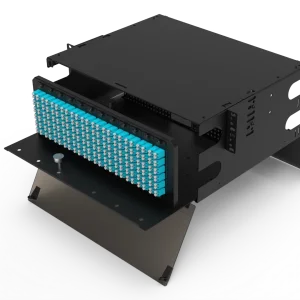
With the rapid roll-out of 5G micro-cells and edge-computing boxes, the need for localized DC distribution column cabinets and optical fiber patch panels (ODF) has spiked. These systems must be weatherproof, highly secure, and vandal-resistant. Integrated low-voltage cabinets protect fiber optic terminations and DC rectifiers from extreme cold, humidity, and atmospheric pollution while providing reliable backup power connection points.
A technical matrix to qualify manufacturers based on quality systems, engineering processes, and product reliability.
Ensure the manufacturer uses verified grades of cold-rolled steel, high-impact polycarbonate, or corrosion-resistant aluminum to suit the application environment.
Verify third-party certification of IP ratings (IP54 to IP68) under strict conditions, ensuring reliability against dust penetration and liquid submersion.
Select manufacturers that perform computational fluid dynamics (CFD) simulation to test heat dissipation before physical fabrication.
A rigorous quality control program backed by ISO 9001, CE, and TUV certifications ensures consistency across high-volume production batches.
Evaluate the factory's design office capacity to review CAD designs, construct prototypes, and integrate specialized switchgear.
Ensure the internal busbars, DIN rails, terminals, and breakers are sourced from trusted brands or meet strict electrical parameters.
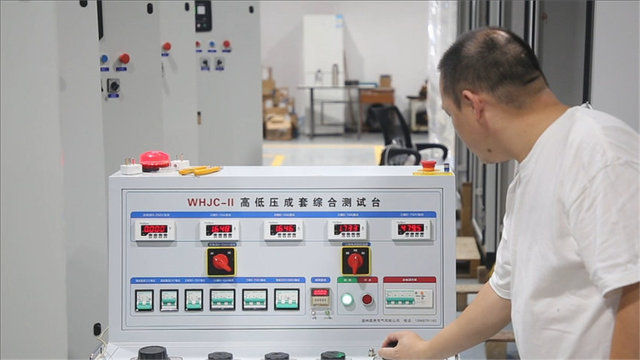
Verify that every distribution panel undergoes insulation resistance testing, dielectric strength testing, and continuity verification before shipment.
Choose manufacturers with stable local sourcing of raw materials, ensuring shield-like resilience against global logistics disruptions.
Export packaging must protect heavy metal cabinets from moisture and physical shocks during international maritime transit.
Confirm the availability of detailed wiring diagrams, replacement parts, and engineering consultancies throughout the system's operational lifespan.
Explore the remainder of our specialized product offerings, including optical fiber management and heavy-duty switchboard equipment.
Addressing core technical questions often encountered during the design, procurement, and deployment of power distribution components.
An IP67 rating signifies that the enclosure prevents any dust ingress (6) and offers protection against temporary water immersion up to 1 meter for 30 minutes (7). An IP68 rating guarantees protection against dust ingress and continuous submersion under deeper, specified pressures (typically 1.5 to 3 meters for extended durations), making it ideal for deep underground junction points or marine installations.
ABS (Acrylonitrile Butadiene Styrene) is cost-effective, offers good structural rigidity, and features excellent chemical resistance. However, under direct solar exposure, ABS degrade without UV-stabilizers. Polycarbonate (PC) provides superior impact strength, has a wider operating temperature range, and exhibits excellent inherent UV resistance, making it the preferred choice for heavy-duty outdoor applications, solar PV combiners, and mobile power hubs.
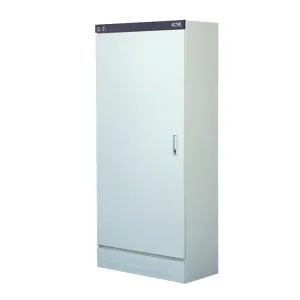
Three-phase cabinets, like the XL-21 or custom 30A-300A metal power distribution boxes, incorporate structured circuit protection including MCCBs (Molded Case Circuit Breakers), overload relays, and fuses. Heat distribution is minimized via heavy copper busbars rated for the maximum continuous load, preventing local hotspots and protecting upstream generators and transformer networks.
For power distribution systems, customization options include metal thickness (typically 1.2mm to 2.0mm for steel cabinets), bespoke mounting bracket configurations, specific knockouts for PG glands or conduit entries, color-coded powder coating, silk-screened circuit schematics, custom ventilation vents, and pre-integrated internal equipment like DIN rails, terminal blocks, or PLC components.
Telecommunication server networks operate primarily on DC power to directly feed rectifier circuits. DC distribution columns consolidate the input from centralized rectifier plants and battery backup units, dividing it into discrete circuits with specialized circuit breakers. This configuration minimizes conversion steps (AC to DC and back), resulting in significantly reduced heat generation and optimal power conversion efficiency.
 SN Electrical