Explore our top-tier catalog of customized distribution boards, high-voltage Switchgear, waterproof junction enclosures, and smart utility cabinets built for rigorous performance.
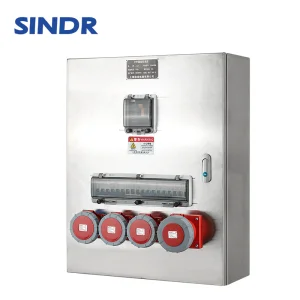
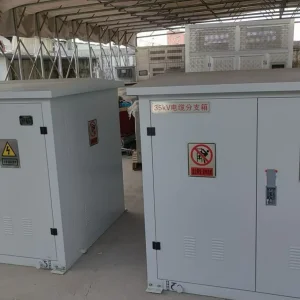
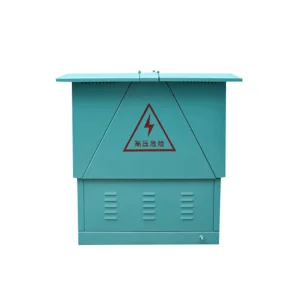
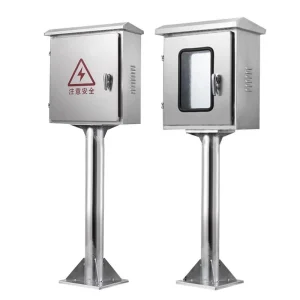
Founded in 2011 in Hangzhou, Zhejiang Province, Hangzhou SN Electrical Co., Ltd. has grown to become a benchmark manufacturer specializing in low-voltage electrical distribution systems, industrial power handling equipment, and smart grid connection solutions. Positioned strategically within East China's dominant industrial cluster, the company benefits from a world-class manufacturing ecosystem and direct proximity to global shipping logistics.
Operating a heavy-duty production facility spanning over 18,000 square meters, SN Electrical is home to over 250 skilled technicians, sheet-metal engineers, and automation professionals. By combining in-house research, advanced fabrication centers, modular switchgear assembly lines, and rigorous ISO-certified testing facilities, we deliver dependable end-to-end OEM and ODM services that satisfy the stringent engineering requirements of the global market.
Procurement directors, EPC (Engineering, Procurement, and Construction) contractors, and systems integrators face multi-layered challenges when source-selecting custom industrial distribution boxes and control systems. Power handling equipment is not merely a sheet-metal envelope; it is the critical nexus protecting sensitive automation controls, managing thermal dissipation, and securing human lives from catastrophic arc flashes.
To survive in harsh industrial environments—ranging from marine desalination plants to desert solar arrays—enclosures must feature specialized structural attributes. Material formulation is the first line of defense. High-performance distribution units rely on marine-grade 316 stainless steel, heavy powder-coated cold-rolled steel, or UV-stabilized polycarbonate materials to resist salt spray, high humidity, and extreme solar radiation. At SN Electrical, we conduct thermal-rise modeling and finite element analysis (FEA) to ensure that the physical footprint of the enclosure can naturally dissipate heat generated by dense internal componentry, minimizing the risk of early contactor wear and component failures.
"Modern power handling goes beyond basic enclosure design. It demands a holistic mechanical-electrical envelope engineered to mitigate dynamic short-circuit forces, preserve dielectric integrity under high voltage, and withstand aggressive ambient chemicals."
Additionally, modern grid integration requires strict attention to ingress protection (IP ratings). Whether configuring portable construction site panels with IP67 sockets or heavy-duty outdoor BYD car column charging enclosures, maintaining the structural seal is critical. Proper polyurethane gasket casting, water-shedding drip caps, and mechanical interlocking mechanisms are designed-in systematically. This engineering precision guarantees that dust, jet-sprayed water, and manual tampering will not breach the high-voltage interior, assuring stable operations and uninterrupted uptime.
How SN Electrical integrates high-volume sheet metal automation, lean operations, and global quality control to drive down lead times and operational risks.
Utilizing CNC fiber-laser cutting stations, automatic multi-bend press brakes, and robotic welding cells, our factory achieves micron-level repeatability for all sheet-metal cutouts and seams, ensuring flawless component fitment.
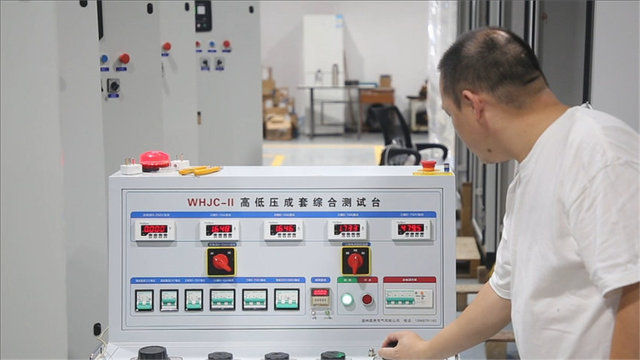
Every panel undergoes physical inspections including dielectric insulation testing, salt-spray chamber testing for corrosion resistance, continuous IP-rating verification, and electrical loop testing prior to shipment.
Located in Hangzhou, Zhejiang, we leverage East China's massive supply chain and deep-water ports (Ningbo/Shanghai) to dramatically compress design-to-shipment lead times for projects worldwide.
Modern industrial facilities require tailored solutions that match their unique operating environment. Standard, off-the-shelf catalog products are often insufficient to address regional electrical codes, spatial restrictions, or chemical exposures. SN Electrical addresses these macro-industry demands via highly customized engineering frameworks:
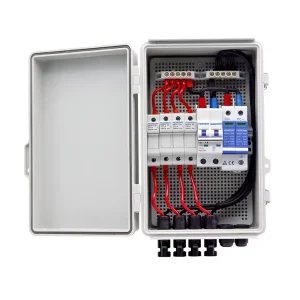
Utility-scale photovoltaic fields and wind farms operate under demanding environmental conditions. To protect vital string combiners, our **MOREDAY DC MCCB Waterproof Combiner Boxes** utilize reinforced steel and highly durable polycarbonates. These materials handle severe solar loading, extreme thermal fluctuations, and high DC voltages up to 1500V, keeping the internal surge protection devices (SPDs) and fuse-links safe from dust and water egress.
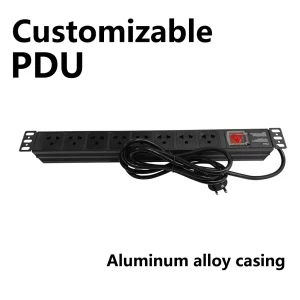
Hyperscale data centers require high-density power distribution systems that guarantee zero downtime. Our rack cabinet **PDU sockets** and custom indoor AC control boards are built to handle continuous current draw, featuring low resistance contacts, integrated overcurrent protections, and option-ready digital energy monitoring meters for real-time remote telemetry.
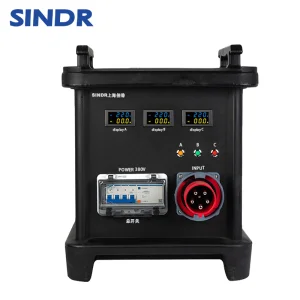
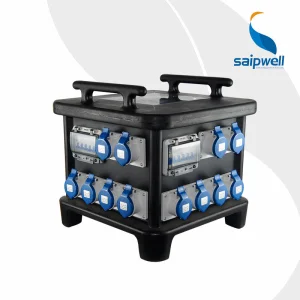
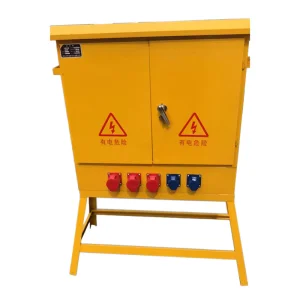
Temporary construction power demands rugged mobilised hardware that can survive drop impacts, dust, and rain. The **IP67 Portable Mobile Power Socket Distribution Board** is designed for extreme site environments. Using heavy-duty PVC enclosures or impact-resistant metals, these systems ensure safety for tower cranes and heavy machinery on site, preventing electrical faults even under high-load cycles.
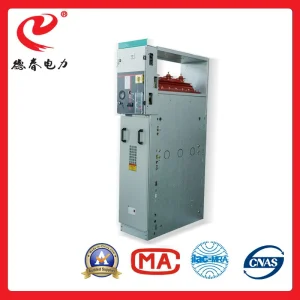
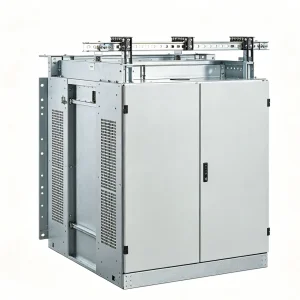
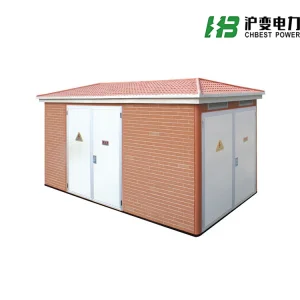
Urban development programs depend on robust, aesthetic, and tamper-proof power structures. The **Low-Voltage Complete Three-Phase Meter Socket Box** and **Xgn15-12 High-Voltage Ring Main Unit** provide utilities with secure, modular, and long-lasting platforms. These solutions are optimized for city grid distribution, minimizing manual maintenance while boosting resilience against localized faults.
The power distribution sector is transitioning from passive protection shells to active, intelligent nodes. At SN Electrical, our developmental roadmap centers around this smart paradigm. Traditional distribution boxes are being refitted with IoT sensors that measure internal relative humidity, busbar temperature differentials, and high-frequency vibrations. By utilizing edge-computing micro-controllers within the distribution box itself, these systems identify subtle anomalies—such as a loosening busbar connection or a micro-leak in a gasket—before it results in an arc flash or an unscheduled system shutdown.
On the environmental front, the transition away from SF6 (Sulfur Hexafluoride) in high-voltage switchgear is accelerating. We are investing heavily in eco-gas ring main units and vacuum interrupters to minimize greenhouse potential, ensuring our clients comply with the world's most aggressive decarbonization targets. Simultaneously, we are incorporating eco-friendly, fully recyclable sheet-metal prep treatments and low-VOC powder coatings to minimize our industrial carbon footprint from the raw-metal stage onward.
Additionally, modularity is a critical driver. The future of commercial construction belongs to standardized plug-and-play distribution modules. Our engineering teams are refining our GCK modular switchgear lines to feature rapid-insertion drawers. This design allows operators to replace or upgrade internal switch modules in minutes without de-energizing the entire plant board, ensuring maximum operational continuity for automated factories and modern high-density warehouses.
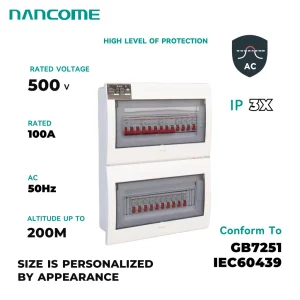
One of the primary friction points in sourcing foreign electrical equipment is compliance with national and regional grid standards. Electrical panels must align with different regulations across territories. For example, North America relies heavily on **UL 508A and NEMA standards**, Europe operates under **IEC 61439-1/-2 frameworks**, and China enforces strict **GB standards and CCC certifications**.
SN Electrical eliminates these friction points by providing comprehensive engineering compliance reviews. When a foreign customer submits an OEM draft, our engineering division evaluates parameters like clearance distances, creepage paths, wire color coding, and component labels to ensure conformity with target region guidelines. This meticulous process helps our clients clear customs and secure building permits without costly delays.
• Dielectric Testing: Tested to 2.5kV to verify insulation stability.
• Salt Spray Chamber: Up to 500 hours to ensure paint/metal longevity.
• Ingress Protection: IP55, IP65, and IP67 certified seal testing.
• Thermal Expansion Model: Internal thermal rise mapping for high-load arrays.
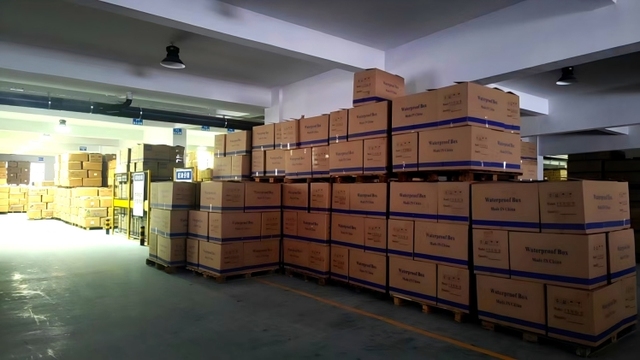
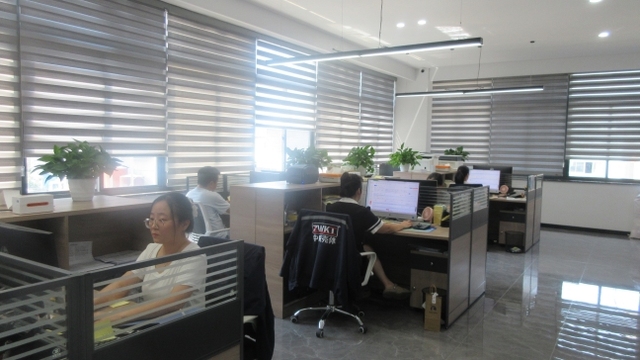
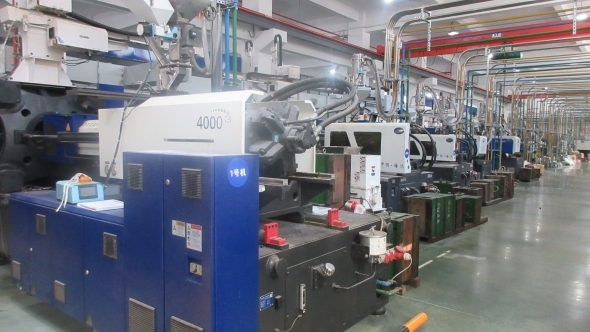
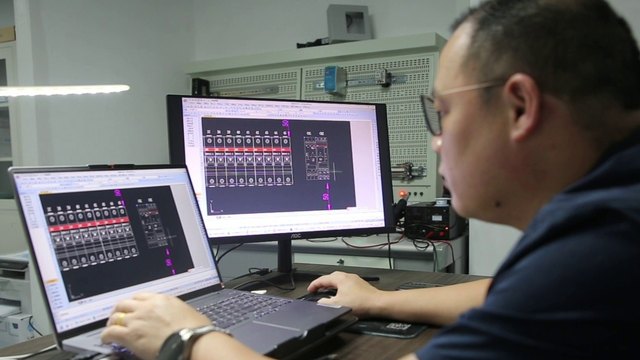
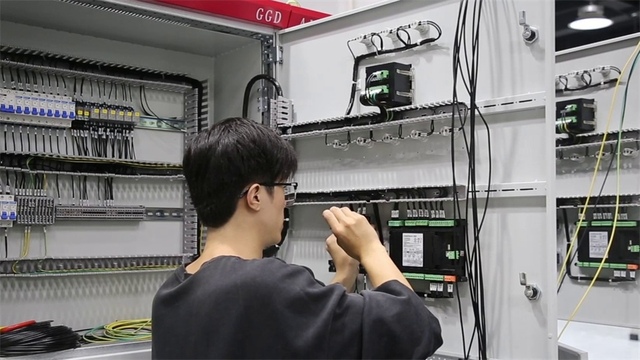
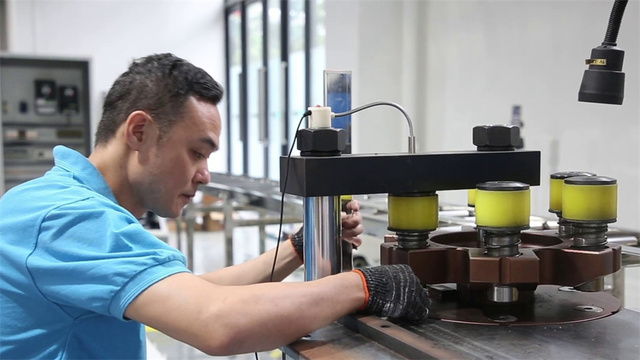
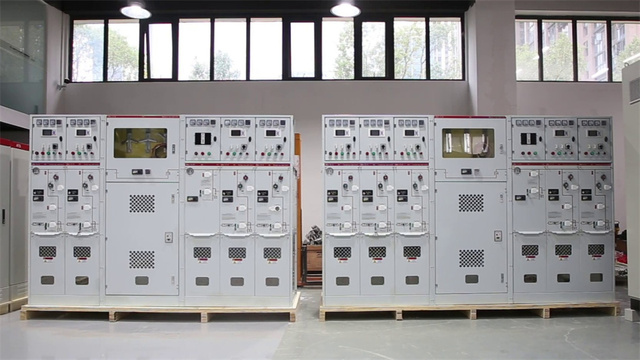
Take a look inside our 18,000 square meter factory floor, featuring automated metal fabrication, precision assembly, and rigorous testing lines.
Answers to common queries regarding customization capabilities, material performance, compliance standards, and order processing.
We perform thermal-rise calculations during the initial CAD modeling stage, matching internal heat generation (in Watts) against the surface area and thermal conductivity of the selected metal. If required, we integrate passive ventilation louvers, heat-conducting plates, or forced-air cooling systems, ensuring internal temperatures stay within the safe operating parameters of the components.
For coastal or offshore applications, we recommend marine-grade 316 stainless steel or glass-reinforced polyester (GRP/polycarbonate). These materials provide superior resistance to chloride-induced pitting and crevice corrosion. They are paired with premium EPDM or polyurethane gaskets to prevent moisture ingress.
Standard custom projects take 2 to 3 weeks for mechanical and electrical design approvals. Once the design is approved, manufacturing typically spans 3 to 5 weeks depending on the order volume, component lead times, and fabrication complexity. We also offer expedited pathways for urgent project shutdowns.
Yes, we support both complete turnkey manufacturing (sourcing all breakers, terminal blocks, and switches) and partial-consignment projects. We regularly integrate premium global brands like Schneider, ABB, Siemens, and Eaton, or direct client-furnished components into our custom sheet metal enclosures.
Every switchgear unit undergoes routine testing in accordance with IEC standards, including dielectric tests, primary and secondary injection tests, gas leak detection, mechanical operational checks, and main circuit resistance measurements. Test reports are documented and provided to the client for validation before shipping.
Explore more of our highly customized solutions, engineered for solar arrays, telecommunication hubs, and mobile construction fields.
 SN Electrical