High-performance low-voltage cabinets, intelligent waterproof boxes, and solar integration hubs engineered for harsh environments.
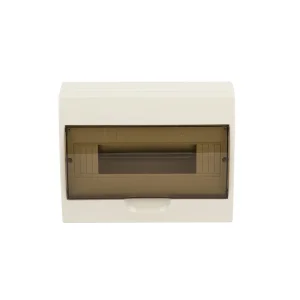
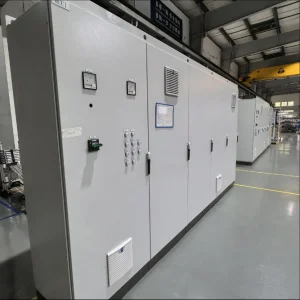
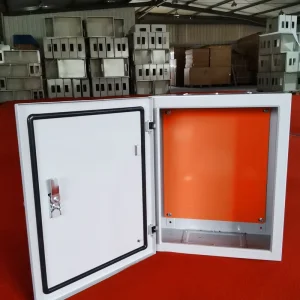
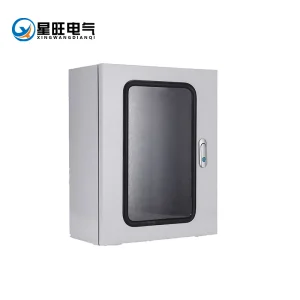
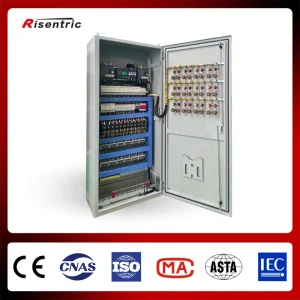
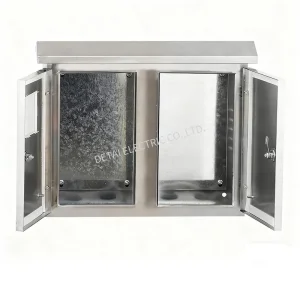
Modern outdoor power systems are transitioning through a significant technological epoch. Driven by global decarbonization mandates, the rapid proliferation of distributed energy resources (DERs) like solar photovoltaics and wind, and the exponential expansion of utility-scale electric vehicle (EV) charging grids, outdoor electrical enclosures are no longer mere static protective shells. Today, they serve as the highly active, intelligent nerve centers of modern microgrids.
Operating in outdoor environments exposes electrical switchgear and distribution systems to dynamic, severe weather cycles. Engineers face multi-dimensional design challenges, including cyclic thermal expansion, moisture ingress, ultraviolet degradation, saline-induced atmospheric corrosion, and mechanical impacts. As global grid operators transition to digital substation models, outdoor distribution equipment must integrate advanced electronics—such as remote monitoring gateways, smart meters, and solid-state surge protection devices (SPDs)—which require precise thermal management and robust, zero-fail environmental shielding.
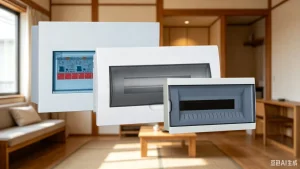
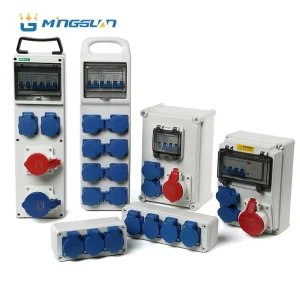
In high-rise residential construction, dense urban areas, and heavy industrial facilities, space constraints require modular, high-density low-voltage distribution boards. Modern standards require these enclosures to feature partition-isolated architectures (Form 4a/4b) to secure internal components and protect maintenance personnel from flashover incidents. For temporary sites like mining operations or construction zones, portable, high-impact distribution systems with heavy-duty socket connections are necessary to handle shifting, harsh environments.
02. Procurement MetricsEngineering, Procurement, and Construction (EPC) firms, global grid utilities, and large-scale industrial buyers look beyond initial capital expenditure (CAPEX) when sourcing outdoor power systems. They prioritize Total Cost of Ownership (TCO), focusing on factors like corrosion resistance, ease of field wiring, modular scalability, and long-term durability. A minor savings in purchase cost can be quickly erased by field maintenance fees, corrosion-related downtime, or early component replacement.
“Strategic sourcing managers must look for manufacturing partners capable of balancing advanced automated sheet metal fabrication with comprehensive electrical design validation. True value lies in a factory's ability to customize internal layouts, pre-install smart monitoring devices, and ensure international safety certifications under one roof.”
Furthermore, international supply chain dynamics demand agile OEM and ODM partnerships. Leading manufacturers must offer full engineering transparency, providing 3D CAD modeling, structural finite element analysis (FEA), and thermal simulation models before producing physical prototypes. This collaborative design approach ensures enclosure layouts align with complex field cabling designs, preventing costly field modifications during critical installation phases.
03. Engineering & StandardsChoosing the right enclosure material is critical for long-term outdoor reliability. The table below details the performance trade-offs between key materials used in the industry today:
Stainless Steel (Grade 304 / 316): Offers exceptional mechanical strength, resistance to impact, and protection against chemical environments. Grade 316, containing molybdenum, is the standard for marine coastal locations due to its resistance to chloride-induced pitting.
Engineered Polymers (Polycarbonate & ABS): Provide high dielectric strength, light weight, and complete resistance to rust. They are ideal for high-frequency telecommunications equipment, smart meters, and solar combiner boxes where wireless signals must pass through the enclosure.
Powder-Coated Mild Steel (Carbon Steel): A cost-effective solution for standard outdoor settings. It relies on advanced electrostatic powder coatings (such as polyester coatings with high UV resistance) to protect the underlying steel from oxidation.
Ingress protection is quantified by the IP rating system (IEC 60529). For outdoor electrical boxes, IP54 represents the baseline protection against windblown dust and splashing water. IP65 increases protection to withstand low-pressure water jets from any direction, making it ideal for standard weather conditions. IP67 represents a higher class of defense, sealing the internal components against temporary immersion in water, which is essential for temporary construction connections, marine docks, and flood-prone infrastructure.
04. Corporate CapabilityHangzhou SN Electrical Co., Ltd. is a professional power distribution box manufacturer specializing in low-voltage electrical distribution systems, industrial power management equipment, and smart electrical solutions. Established in 2011, the company is located in Hangzhou, Zhejiang Province, China, benefiting from a strong regional industrial ecosystem and convenient access to international logistics networks.
Operating a manufacturing facility that covers over 18,000 square meters and employing a workforce of more than 250 skilled professionals, SN Electrical integrates the entire production cycle. The factory handles product design, high-precision sheet metal fabrication, structural welding, automated surface preparation and powder coating, system assembly, electrical testing, and quality control within a single, unified workflow.
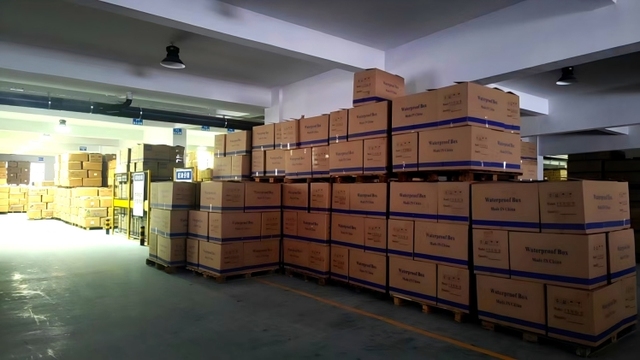
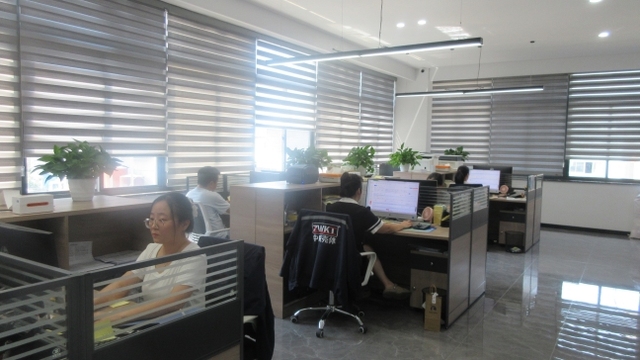
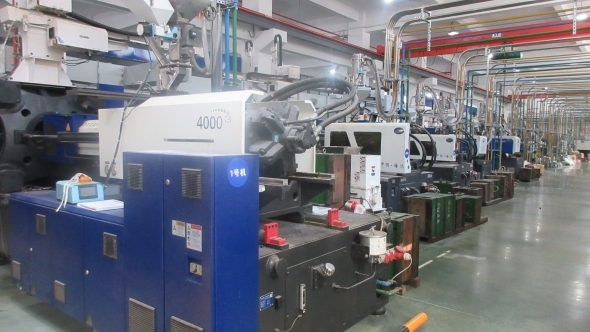
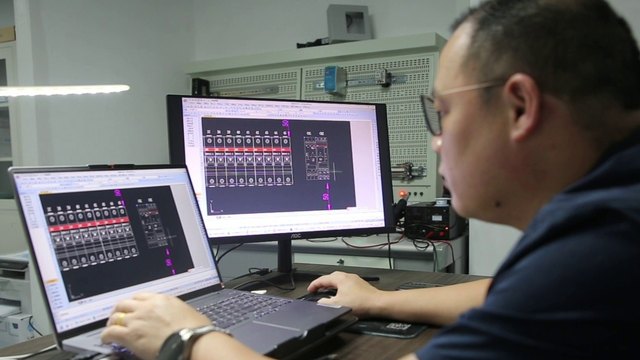
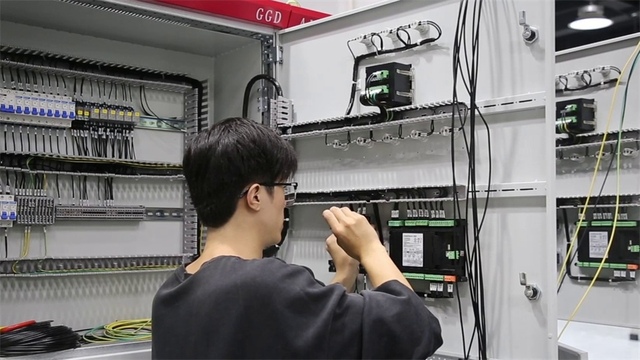
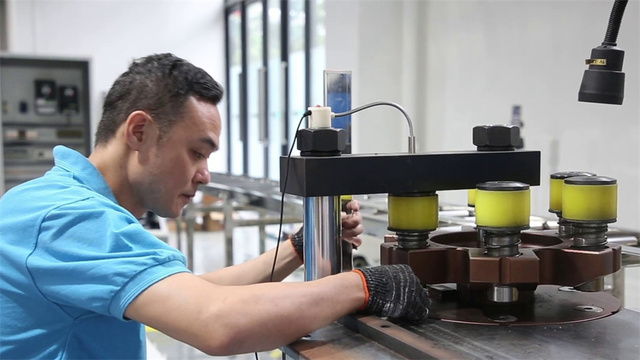
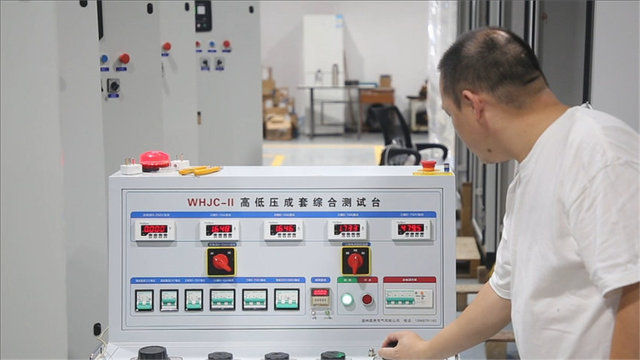
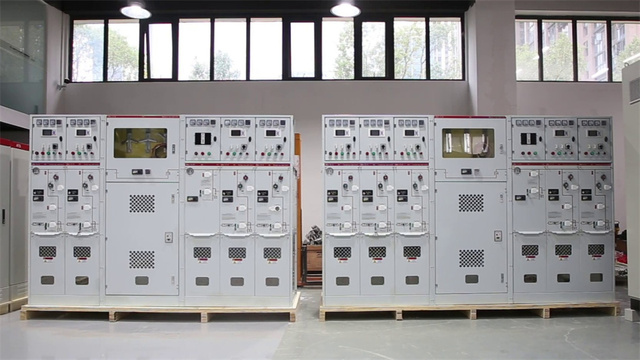
SN Electrical offers an extensive catalog of distribution solutions, including low-voltage distribution boards, industrial control panels, customized electrical enclosures, smart utility meter boxes, heavy-duty industrial switchgear, and IP67 waterproof utility boxes. The company invests in product innovation, integrating smart monitoring technologies, digital metering, and energy-management features to meet the requirements of industrial complexes, utility networks, and solar energy installations.
As an OEM and ODM partner, SN Electrical provides tailored engineering services, enclosure design modifications, electrical component integration, and customized production. Its products are exported globally, serving critical markets in Europe, North America, South America, Southeast Asia, the Middle East, and Africa.
05. Solutions ArchitectureDeploying outdoor electrical equipment globally requires strict compliance with regional safety codes and standards. Every market presents a unique regulatory landscape, requiring manufacturers to adapt design practices to match local rules.
In the European market, distribution equipment must comply with the IEC/EN 61439 series, which defines low-voltage switchgear and controlgear assemblies. In addition to IP ratings, these standards require strict verification of temperature rise limits, dielectric properties, short-circuit withstand strength, and mechanical operation. For North America, enclosures must meet UL 508A standards for industrial control panels and NEMA ratings (such as NEMA 3R, 4, or 4X), which dictate testing protocols for rain resistance, windblown dust, and ice formation.
By partnering with a manufacturer that understands these compliance details, international buyers can reduce verification delays and ensure smooth local inspections. Whether designing fire-rated distribution boards for industrial workshops or corrosion-resistant cabinets for coastal environments, aligning designs with local regulatory frameworks is essential for project success.
06. Future OutlookThe outdoor electrical industry is moving toward smart, connected, and eco-friendly solutions. Future distribution networks will require real-time system visibility to prevent failures, balance loads, and optimize maintenance schedules.
Integrating smart sensors inside cabinets to continuously monitor internal temperature, humidity levels, and current leakage. This data helps operators identify problems before they lead to system failure.
Developing chrome-free surface treatments and high-durability powder coatings with low VOC emissions, enhancing corrosion resistance while reducing environmental impact.
Implementing edge computing modules in distribution boards to enable real-time grid balancing, automated load shedding, and smart integration with solar battery storage systems.
High-strength stainless steel cabinets, wall-mount enclosures, and industrial control switchboards engineered for heavy-duty operational reliability.
 SN Electrical