Engineered to meet rigorous CE compliance and international standards for industrial and residential systems.
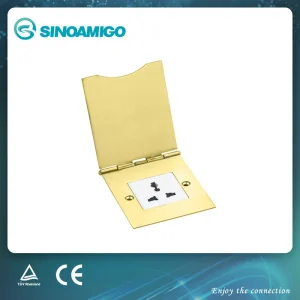
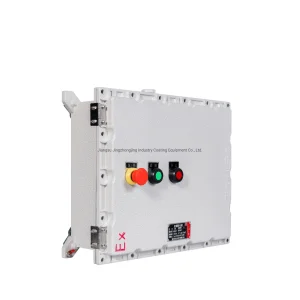
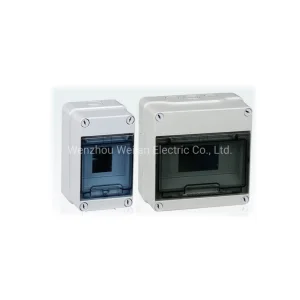
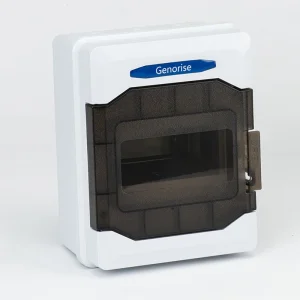
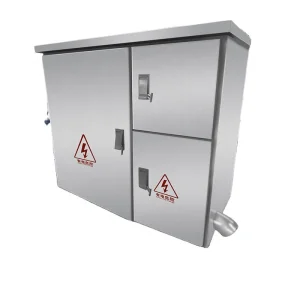
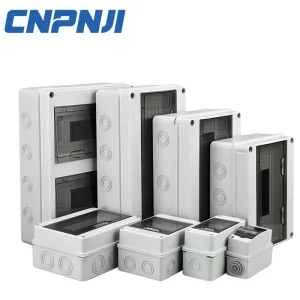
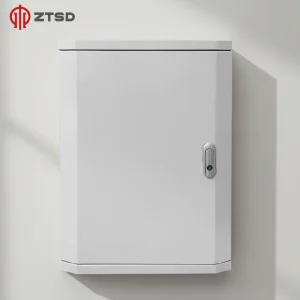
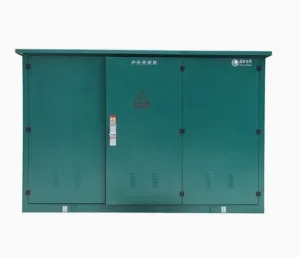
As modern commercial structures, cleanrooms, hyperscale data centers, and advanced automation factories increase in complexity, the demand for highly reliable floor-standing electrical solutions has scaled exponentially. Unlike wall-mounted boxes that are constrained by size and load limits, floor-standing power distribution cabinets and switchboards provide the necessary physical volume and structural integrity to house critical low-voltage and medium-voltage assets. They are the neural nodes of heavy machinery, smart control units, and industrial facilities globally.
In the current industrial landscape, electrical designers face strict compliance demands. The European Union's CE Marking acts as a fundamental baseline, ensuring equipment complies with directives covering low-voltage safety (LVD 2014/35/EU) and electromagnetic compatibility (EMC 2014/30/EU). From managing dynamic thermal loads inside high-density server halls to sustaining ingress protection levels (IP54 to IP66) under heavy rain, industrial engineers require enclosures capable of operating 24/7 without service interruption.
Additionally, with the rise of renewable energy systems, these cabinets are increasingly deployed outdoors as junction boxes, PV combiners, and battery energy storage system (BESS) switchboards. Meeting the challenges of UV exposure, salt spray, and extreme heat requires specialized manufacturing. This involves high-grade sheet metal work, thermal modeling, and automated gasket application—standard practices among top-tier manufacturers like Hangzhou SN Electrical Co., Ltd.
Established in 2011, Hangzhou SN Electrical Co., Ltd. has developed into a professional manufacturer of low-voltage electrical distribution systems, industrial power management equipment, and smart electrical enclosures. Strategically situated in Hangzhou, Zhejiang Province, China, the company operates within an industrial ecosystem that provides access to premium raw materials, specialized components, and international deep-water logistics networks.
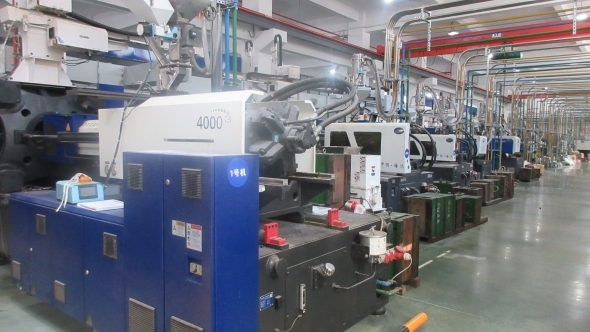
The core of SN Electrical's operations is a modern manufacturing facility covering over 18,000 square meters. Backed by a workforce of more than 250 experienced professionals, the facility integrates every phase of the manufacturing process under one roof: product design, structural engineering, precision sheet metal fabrication, assembly, electrical wiring, and strict testing protocols. The company uses advanced machinery, including high-power CNC fiber laser cutters, high-precision hydraulic CNC press brakes, automatic polyurethane foaming gasket machines, and electrostatic thermosetting powder coating lines, to ensure high repeatability and consistent quality.
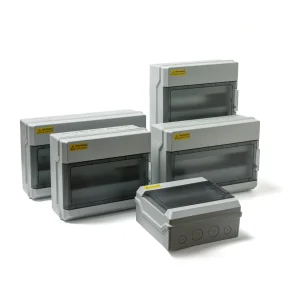
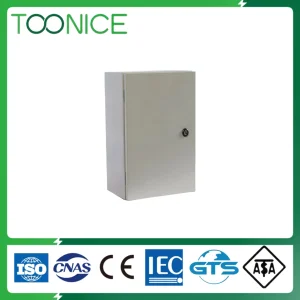
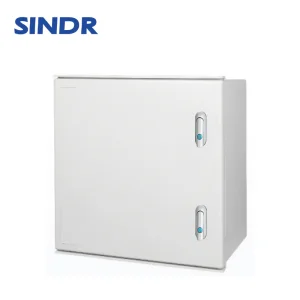
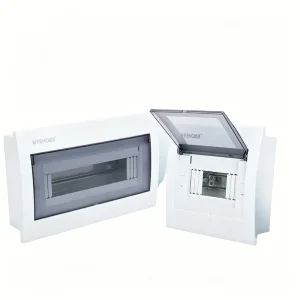
SN Electrical offers a diverse product portfolio designed for various applications, including low-voltage distribution boards, industrial panel boards, wall-mounted switch boxes, heavy-duty floor-standing control cabinets, outdoor IP65/IP66 enclosures, stainless steel JP cabinets, and custom electrical enclosures. Leveraging its strong engineering capability, the company serves as an OEM and ODM partner for global electrical brands, engineering firms, and utilities across Europe, North America, South America, Southeast Asia, the Middle East, and Africa.
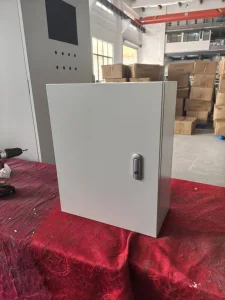
Heavy-duty floor-standing electrical cabinets must be engineered to withstand internal dynamic forces and external environmental conditions. The structural design of these enclosures must maintain electrical insulation, thermal control, and structural stability. The typical construction includes a cold-rolled steel frame or a welded stainless steel skeleton, with material thicknesses ranging from 1.5mm up to 3.0mm to support heavy internal busbar systems, air circuit breakers (ACBs), and variable frequency drives (VFDs).
Features a flexible 25mm pitch pattern hole system, enabling multi-dimensional internal modifications. Allows installation of mounting plates and partition plates without requiring on-site drilling or cutting.
Uses computational fluid dynamics (CFD) to design natural convection channels, louvers, and active exhaust fans. Maintains temperature rises within the limits specified by IEC 61439-1/2.
Automated CNC liquid polyurethane dispenser systems apply seamless, poured-in-place foam gaskets directly onto door panels. Provides reliable IP65/IP66 environmental seals that resist degradation.
Looking ahead, the engineering roadmap focuses on integrating structural components with digital monitoring. Smart floor-standing enclosures now feature thermal imaging sensors, digital humidity controllers, automatic internal arc-flash detectors, and IoT communication hubs. These elements transition the traditional enclosure into a digital system, providing real-time telemetry on cable connections, busbar temperatures, and switch status to control centers.
The manufacturing facility in Hangzhou, Zhejiang, benefits from China's dense supply chain ecosystems. This location provides access to premium cold-rolled steel mills, domestic copper refineries, and specialized component manufacturers (such as circuit breakers, terminal blocks, indicators, and cables) within a 100-kilometer radius.
This clustering reduces material logistics costs and shortens production lead times. Combined with high automation—such as robotic laser welding and automated coating lines—our facility minimizes manual assembly time while maintaining dimensional accuracy. Additionally, proximity to major deep-water shipping centers like Ningbo and Shanghai ports ensures reliable global delivery routes, helping protect international buyers from supply chain delays.
For international EPC contractors, grid administrators, and major industrial buyers, purchasing decisions are influenced by product cost, supply chain reliability, and lead times. The global electrical enclosure market has faced raw material cost fluctuations and supply disruptions, highlighting the value of structured supply networks.
Hangzhou SN Electrical Co., Ltd. addresses these challenges by sourcing raw materials through long-term volume agreements, hedging against steel and copper market volatility. The integration of advanced sheet metal manufacturing and final electrical assembly under one roof eliminates outsourcing delays, enabling tight quality control across all production phases.
Global environmental diversities and regulatory variations require localized engineering adaptations. A floor-standing cabinet deployed in the coastal salt plains of South Africa has different design requirements than one installed in a sub-zero commercial facility in Northern Europe.
In solar photovoltaic installations across South Africa and South America, combiners and utility-scale inverter cabinets are exposed to high UV radiation and extreme ambient heat. We engineer cabinets with double-walled, ventilated structures using stainless steel or SMC fiberglass, coupled with IP65-rated breather valves. These design choices prevent internal condensation while blocking fine dust and sand from entering the system.
For rural power network retrofits and urban municipal upgrades, we manufacture three-in-one JP cabinets. These units integrate power measurement, incoming/outgoing distribution circuits, and reactive power compensation within a single outdoor unit. Built with rainproof canopies, anti-corrosive powder finishes, and three-point security locks, they help municipal systems resist vandalism and environmental wear.
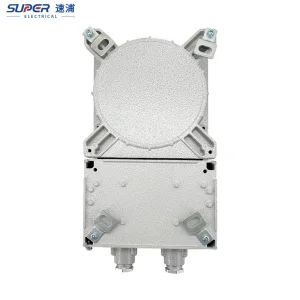
In chemical processing, marine, and pulp industries, atmospheres are loaded with acidic and alkaline vapors. For these environments, we produce stainless steel cabinets (304 or 316L grades) and modular cast aluminum alloy explosion-proof units. They feature electrostatic thermosetting powder coatings to resist chemical attack and mechanical stress.
Modern urban developments require electric vehicle (EV) charging switchboards capable of managing high-amperage continuous loads. We design these switchboards with multi-circuit sub-metering systems and dedicated electromagnetic shields. This separation protects sensitive data acquisition modules from interference caused by heavy switching actions.
Reliability in electrical distribution requires strict adherence to international safety standards. At Hangzhou SN Electrical Co., Ltd., quality assurance starts with incoming raw materials. Mill test certificates are verified for all steel batches, and purity ratings are confirmed for copper conductors. Our sheet metal processes are monitored to ensure dimensional tolerances remain within 0.5mm, maintaining alignment across modular frames.
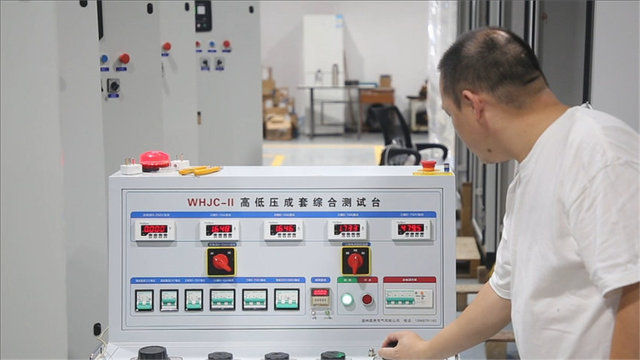
Our quality management system is certified to ISO 9001:2015, ISO 14001:2015, and ISO 45001:2018. Before shipment, all custom assemblies undergo electrical testing, including insulation resistance measurements, dielectric tests, ground continuity verification, and functional validation of control circuits. This process ensures that every floor-standing cabinet arrives ready for field installation and commissioning.
Establishes design and verification requirements for low-voltage switchgear and controlgear assemblies, confirming thermal stability, short-circuit resistance, and dielectric properties.
Ensures compliance with European safety regulations. Products are tested for electrical hazards, insulation layout, and electromagnetic compatibility under load.
Verifies the enclosure's ingress protection level against solids and liquids, and confirms mechanical impact resistance (up to IK10) under harsh field conditions.
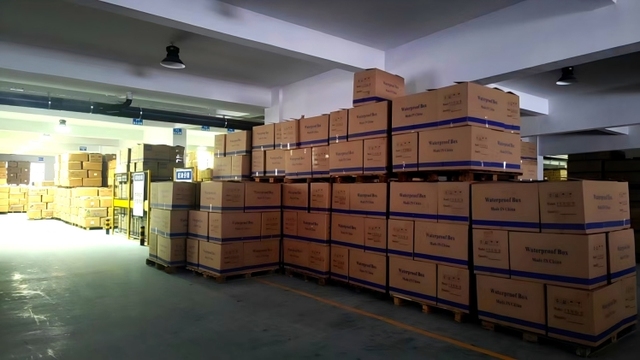
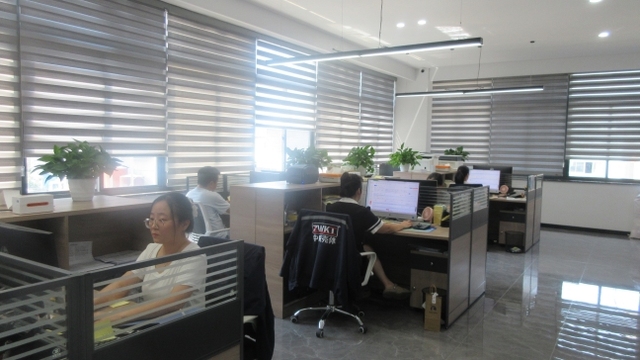
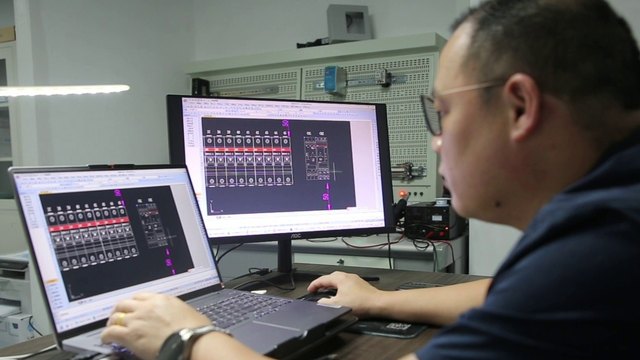
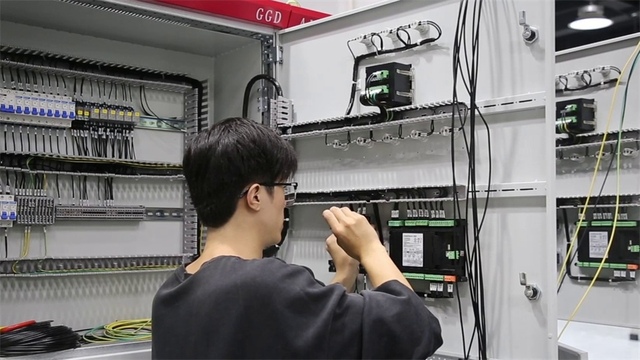
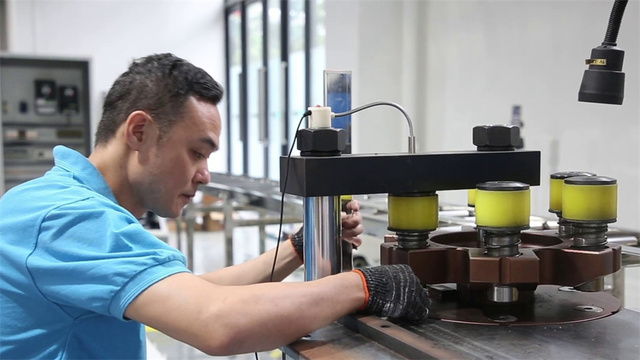
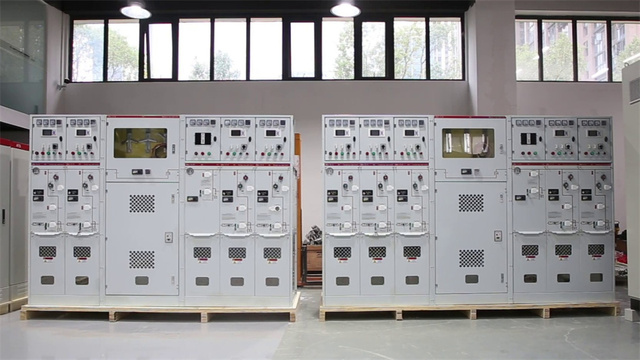
Touring Hangzhou SN Electrical's 18,000+ sqm state-of-the-art production lines.
Detailed answers to critical technical questions from procurement officers, engineering departments, and project installers.
Depending on the size, installation type, and weight of internal equipment, sheet metal thickness ranges from 1.5mm to 3.0mm. Modular frameworks and mounting plates are made from 2.0mm to 2.5mm cold-rolled or galvanized steel to ensure structural integrity and support heavy components, while external panels are typically constructed from 1.5mm to 2.0mm steel to optimize weight and strength.
We carry out conformity assessments that align with European Low Voltage Directive (LVD) 2014/35/EU and Electromagnetic Compatibility (EMC) Directive 2014/30/EU. Design validation and test procedures are conducted under the IEC 61439-1 & 2 standards. This includes testing dielectric properties, verifying creepage distances, analyzing thermal performance limits, and checking grounding circuit integrity.
For outdoor and corrosive environments, we offer stainless steel enclosures (grades 304 and 316L) as well as modular SMC fiberglass options. The metal enclosures undergo multi-stage pretreatments, including zinc phosphating, followed by an electrostatic thermosetting epoxy polyester powder coating (typically RAL 7035). This treatment is verified for UV stability and provides salt-spray resistance suited for coastal and industrial environments.
Yes, we provide full OEM and ODM services. Our engineering team can work from your 3D CAD files or electrical single-line diagrams to design custom configurations, cutout arrangements, internal busbar pathways, and custom branding profiles. All custom projects undergo initial structural verification before production begins.
Standard enclosures and standard configurations are usually processed within 20 to 30 days. Complex custom systems or orders requiring unique component sourcing may take 35 to 45 days. Our proximity to major shipping ports like Shanghai and Ningbo helps minimize international transit delays.
We use automated CNC liquid polyurethane dispensing systems to apply seamless, poured-in-place foam gaskets directly onto door panels. These gaskets form a durable bond with the metal surface and offer high elasticity, helping the enclosure maintain its IP65/IP66 ingress protection rating even after repeated door operations.
Designed for hazardous areas, smart energy grids, and custom power networks.
 SN Electrical