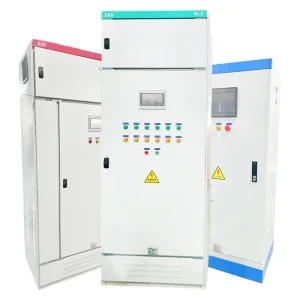
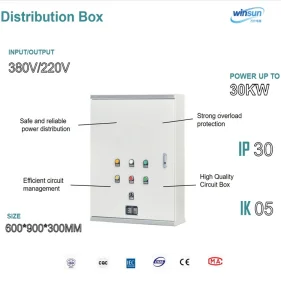
High-specification temporary power hubs designed for swift deployment, extreme water protection, and complete electrical safety compliance.
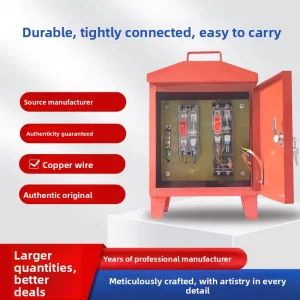
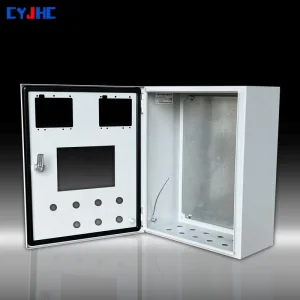
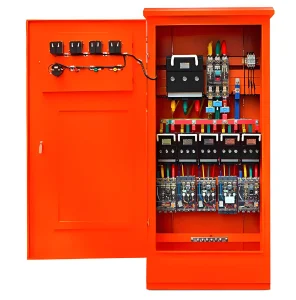
Boston's construction and industrial sectors are characterized by a unique collision of historic infrastructure preservation and rapid high-tech expansion. Across the Seaport District, Kendall Square, and the inner-city medical corridors, developers face demanding environments where temporary site utilities must perform under strict scrutiny. Temporary power distribution boxes are not merely auxiliary hardware; they are critical lifelines that govern site safety, project timelines, and local compliance metrics.
In Boston, temporary electrical systems must operate reliably in challenging coastal and seasonal conditions. High ambient salinity, heavy snow loads during New England winters, and rapid freeze-thaw cycles subject electrical components to continuous thermal and mechanical stress. Standard off-the-shelf enclosures fail to prevent condensation, leading to early breaker failure or ground fault tripping that causes costly downtime.
Furthermore, local regulatory bodies, including the Boston Fire Department, the Inspectional Services Department (ISD), and OSHA Region I inspectors, mandate strict compliance with NFPA 70 (National Electrical Code - NEC) and UL 508A specifications. This standard demands robust grounding, clear hazard markings, and advanced earth leakage protection (GFCI) system integrations. Standard designs must be adapted to meet these specific regional parameters to ensure safety and prevent project delays.
The global temporary power sector is undergoing a technology-driven evolution. The days of simple sheet metal boxes with direct-wired terminal blocks are fading. Modern sites require intelligent, resilient, and highly adaptable power distribution systems.
For international contractors, developers, and industrial procurement agents, sourcing temporary electrical hardware involves balancing cost, lead times, customization capabilities, and compliance certificates. Navigating import tariffs, compliance with local port standards, and shipping lead times require manufacturers to offer comprehensive support from design validation through to final container delivery.
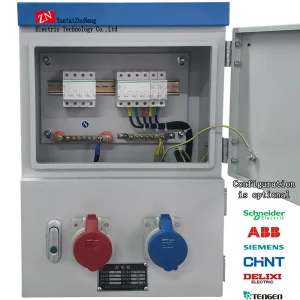
Modern procurement strategies prioritize manufacturers capable of providing OEM/ODM services at scale. The ability to modify standard blueprints to fit regional grid parameters (e.g., configuring systems for split-phase 120/240V or three-phase 120/208V, 277/480V systems standard in the US, compared to European 230/400V setups) determines vendor compatibility. Suppliers must be able to adapt their assembly lines to install client-specified components—such as Eaton, Schneider, or ABB circuit breakers—ensuring that the temporary distribution units align with existing spare parts inventories on local job sites.
Combining advanced automated fabrication, rigorous validation, and supply chain control to deliver reliable power distribution solutions globally.
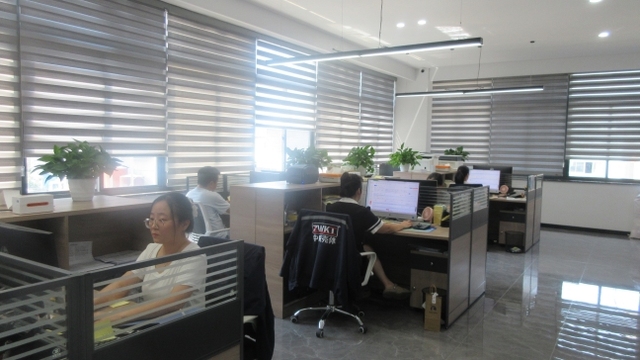
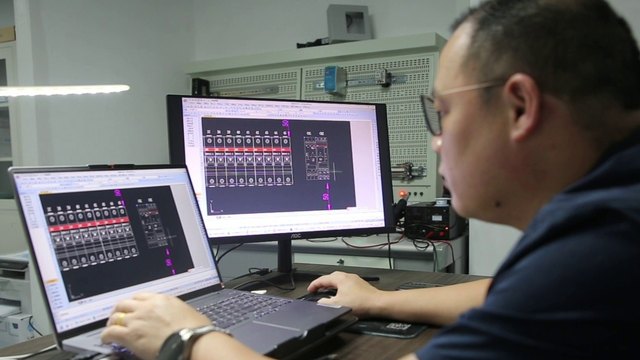
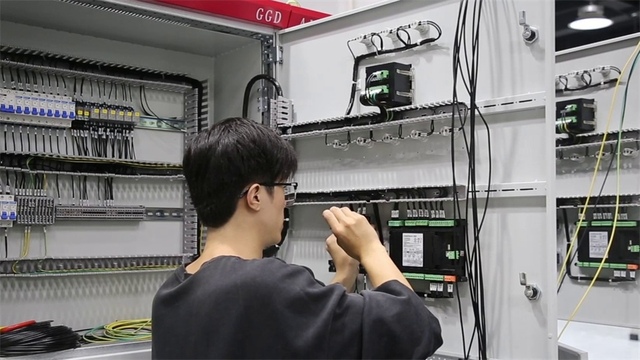
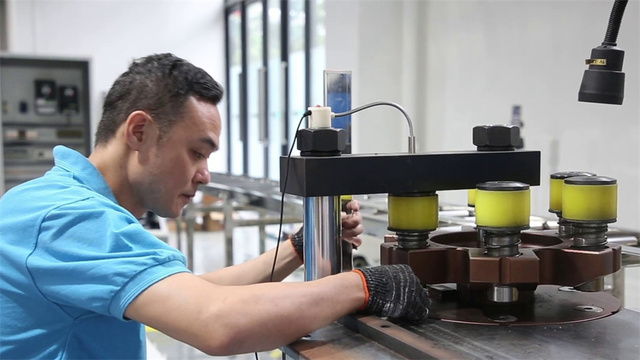
Located in Hangzhou, Zhejiang Province, Hangzhou SN Electrical Co., Ltd. has established itself as an industry leader in low-voltage electrical distribution and smart power solutions since 2011. Operating from a state-of-the-art 18,000 square meter facility, the company integrates design, sheet metal fabrication, precision assembly, and testing under one unified quality system.
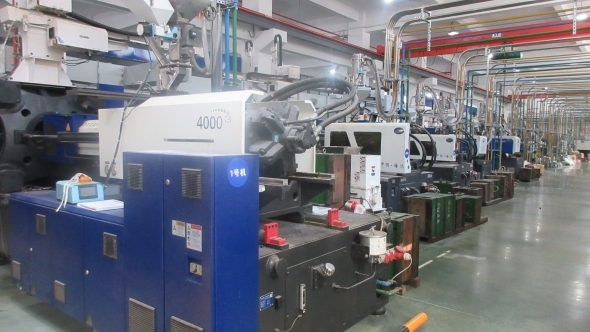
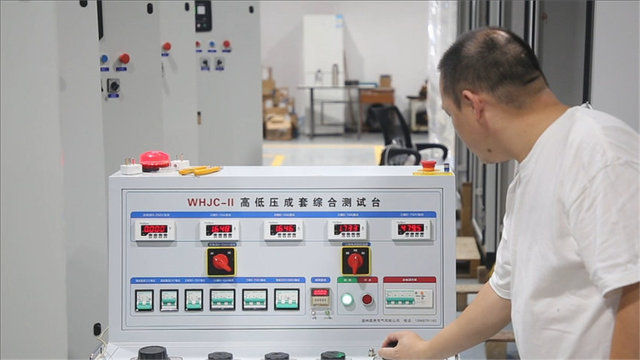
Through our Factory 4.0 initiative, SN Electrical utilizes advanced manufacturing processes to ensure precision and consistent quality: Automated fiber laser cutting systems ensure tight tolerances for all sheet metal enclosures. CNC bending centers enable complex structural forms that improve cabinet rigidity, while robot-dispensed polyurethane gasketing ensures reliable IP65 and IP67 ingress protection ratings. Every distribution board undergoes rigorous testing—including insulation testing, dielectric resistance verification, and high-load test runs—prior to container sealing and transport.
Our OEM and ODM capabilities allow us to meet specific requirements for the North American market, including customizing components to meet UL and NEMA standards. By managing the entire supply chain—from raw steel processing to final component population—we protect clients from supply disruptions, ensuring reliable project delivery timelines in Boston and throughout the United States.
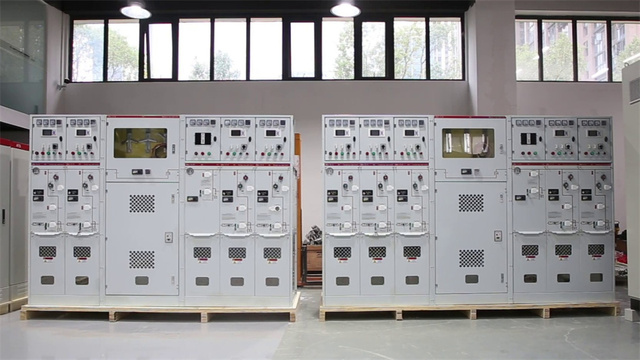
Tailored configurations engineered to perform in the specific environments of New England's urban and coastal projects.
High relative humidity and salt air require IP67 thermoplastic or heavy 316-grade stainless steel distribution boxes. Gaskets must withstand corrosive atmospheric conditions to prevent internal arc faults.
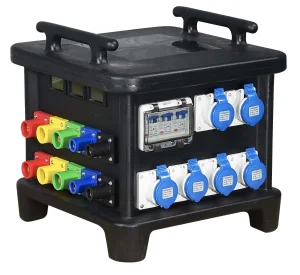
Space-constrained masonry sites require compact, highly portable wheel-mounted sub-distribution boxes. Units must navigate narrow pathways while providing multi-stage breaker layouts to support construction crews.
Boston's freezing winter storms demand enclosures with cold-impact performance down to -40°C. Standard PVC becomes brittle, making our structural steel and custom polyurethane formulations the preferred choice for winter reliability.
Answers to common engineering and compliance questions regarding temporary power installation in the US and international markets.
Our temporary distribution cabinets can be configured to meet NEC Article 590 requirements, which govern temporary installations. We supply units with pre-installed GFCI (Ground Fault Circuit Interrupter) protection for all 125V single-phase 15A, 20A, and 30A receptacle outlets. Enclosures are designed with dedicated equipment grounding busbars and isolation for the neutral block, complying with system grounding requirements.
For sites near coastal areas like the Boston Harbor, we recommend a minimum rating of IP65, with IP66 or IP67 preferred for highly exposed locations. These ratings prevent salt-spray intrusion and protect internal components from moisture-accelerated corrosion. Standardizing on corrosion-resistant materials (such as high-grade ABS or stainless steel) helps extend the lifespan of the equipment.
Yes. As an OEM and ODM specialist, we routinely customize internal configurations. We can build panels utilizing specific US brands (e.g., Eaton, Square D, Siemens) or European components, ensuring compatibility with your existing on-site maintenance parts stock.
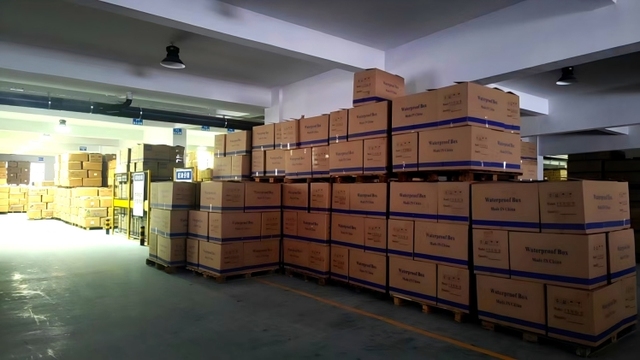
We handle export logistics, including complete customs documentation, ISF filings for US ports, and coordinated ocean or air freight. Our packaging uses heavy-duty, moisture-sealed shipping crates to ensure equipment arrives undamaged and ready for deployment.
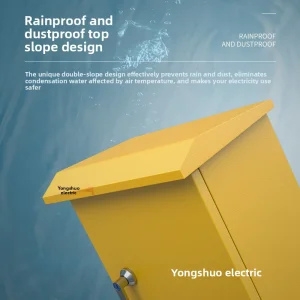
For units subjected to large temperature swings, we can install integrated breather valves or anti-condensation heaters. These components equalize pressure differences and prevent humidity accumulation without compromising the enclosure's overall IP rating.
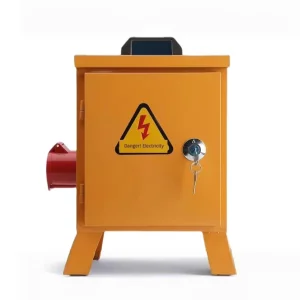
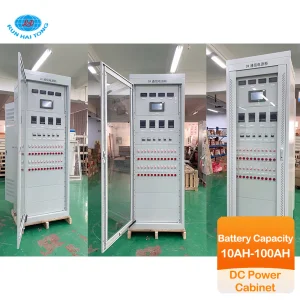
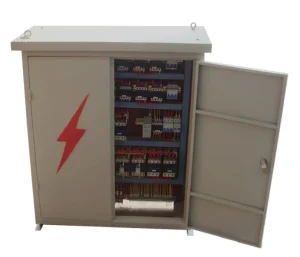
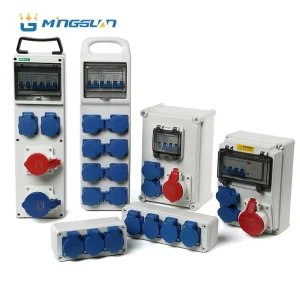
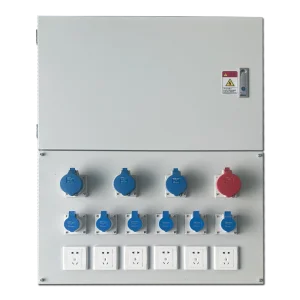
Explore our full line of temporary and industrial distribution units. Robust, waterproof, and built to withstand harsh working conditions.
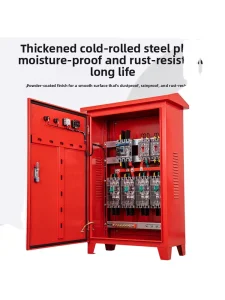
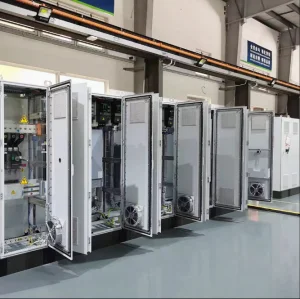
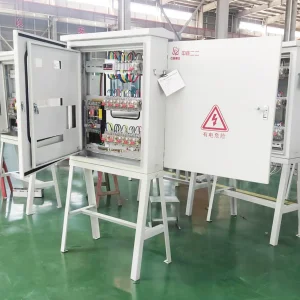
Partner with Hangzhou SN Electrical to design and manufacture distribution systems tailored to your site's specific mechanical and safety requirements.
Send Inquiry Now SN Electrical