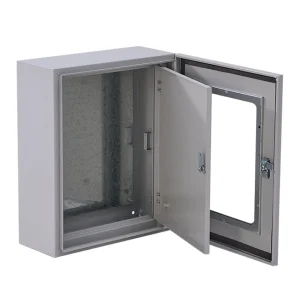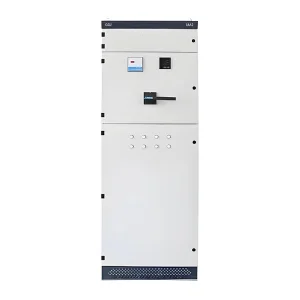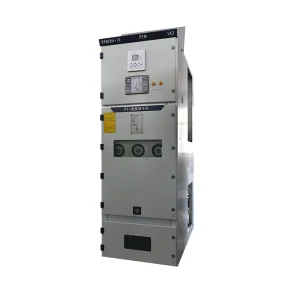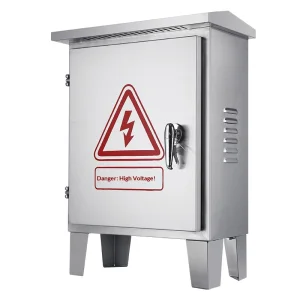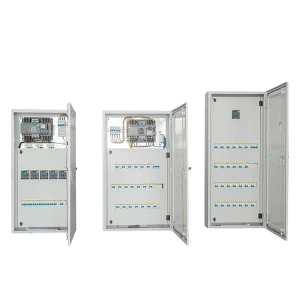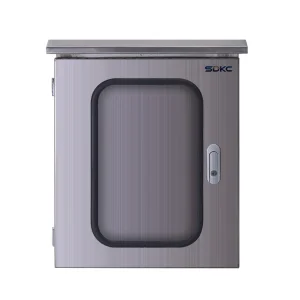
In the modern industrial landscape, energy efficiency, structural reliability, and intelligent grid integration drive the demands for advanced power systems. The global market for Power Distribution Boards (PDBs) and switchgear is witnessing unparalleled transformation. Accelerated by electrification initiatives, grid modernization, and the transition toward decentralized green energy sources, industrial distribution panels have become much more than passive metal enclosures. They are active command centers, safeguarding automated plant floors, high-capacity server systems, and solar arrays.
Stringent regional compliance codes—ranging from standard IEC 61439 structures in the European Union to strict UL 508A and UL 891 safety practices throughout North American markets—have pushed custom OEM manufacturing to the forefront. Infrastructure developers, heavy manufacturing sectors, and municipal utilities no longer purchase generic off-the-shelf enclosures. Instead, project engineers require tailor-made, thermally optimized, and highly reliable electrical boards to endure harsh elements while managing multi-megawatt configurations.
The electrical hardware domain is pivoting rapidly toward smart automation. The integration of the Internet of Things (IoT) inside low-voltage boards permits asset managers to run predictive diagnostics and real-time current tracking. Modern manufacturing paradigms emphasize several technological developments that shape how OEMs build current-carrying components:
Embedding wireless thermal sensors near high-power busbars permits monitoring of thermal creep before critical structural failure occurs, decreasing unexpected maintenance outages by up to 45%.
Utilizing recyclable engineering thermoplastics and eco-efficient sheet metals reduces initial manufacturing carbon footprints, satisfying international green building standards.
Modern high-performance panels integrate AFDDs (Arc Fault Detection Devices) to protect downstream machinery and workers from low-intensity arcing currents that standard breakers bypass.
Achieving superior operational standards requires dedicated design, rigorous stress analysis, and tight process controls. The journey of custom distribution panel production demands technical synchronization at every lifecycle step:
Utilizing finite element analysis (FEA), engineering teams simulate thermal dissipation under full-load currents and evaluate structural integrity under seismic forces.
Advanced high-power fiber laser systems cut marine-grade 316 stainless steel, heavy structural aluminum, or carbon steel sheets with sub-millimeter tolerances to ensure ideal sealing margins.
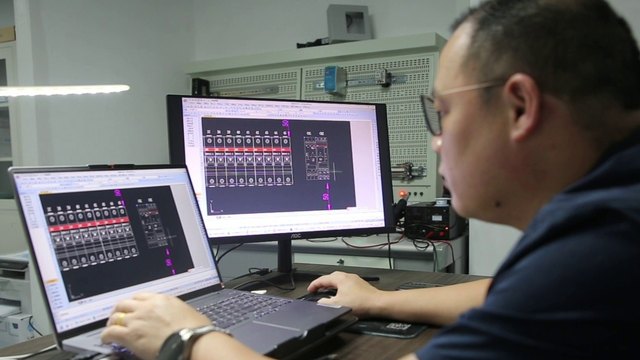
Engineers optimize layouts for surge suppressors, busbar sizing, and terminal blocks, ensuring minimal internal inductive interference and strict alignment with safety requirements.
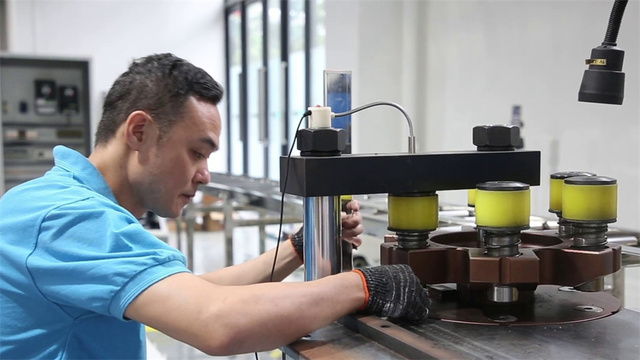
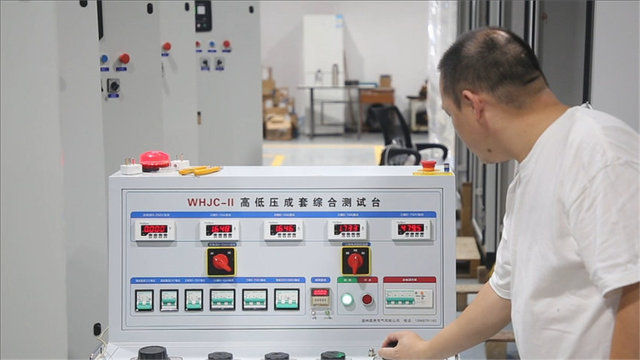
Enclosures undergo tests inside specialized pressure chambers to verify their dust and moisture ingress protection (IP ratings). Simultaneously, dielectric testers run insulation resistance analysis.
Modern commercial installations demand rugged structural setups tailored to their environment. Below, we look at several environments where custom OEM Power Distribution Boards operate globally:
High-exposure solar farms and wind turbine columns require IP65 or IP66 enclosures to house delicate DC-to-AC combining circuits, withstanding extreme UV radiation, severe sandstorms, and dramatic thermal swings.
Server centers necessitate ultra-stable, high-density distribution units (PDUs) with dual-feed hot-swappable busways to assure uninterrupted power supply (UPS) and protect microprocessors from grid harmonics.
Salt mist corrosion poses an ongoing threat to electrical switchgear. Custom 314/316 grade stainless steel distribution structures provide long-term resistance against moisture ingress in coastal industrial ports and offshore drilling setups.
Hangzhou SN Electrical Co., Ltd. is a professional power distribution box manufacturer specializing in low-voltage electrical distribution systems, industrial power management equipment, and smart electrical solutions. Established in 2011, the company is located in Hangzhou, Zhejiang Province, China, benefiting from a strong industrial ecosystem and convenient international transportation networks.
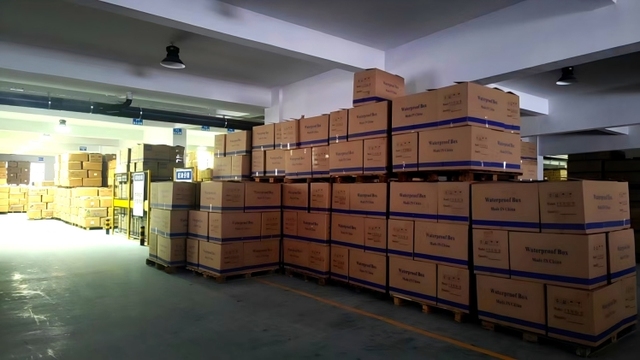
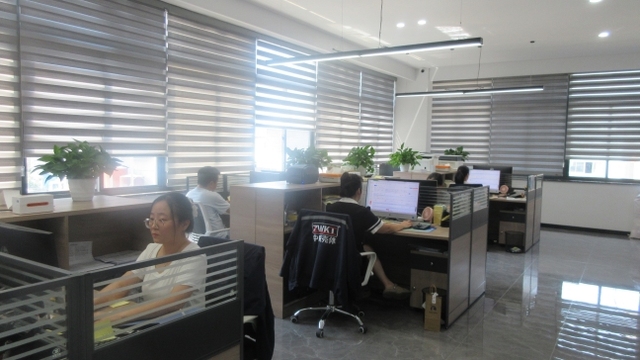
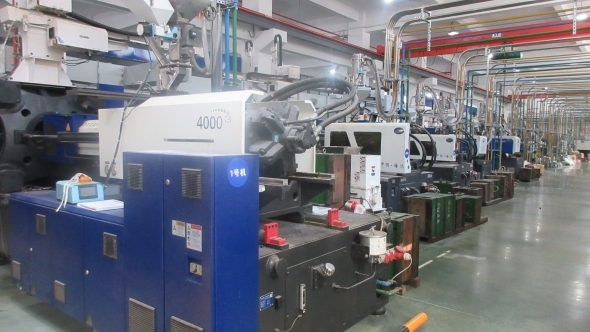
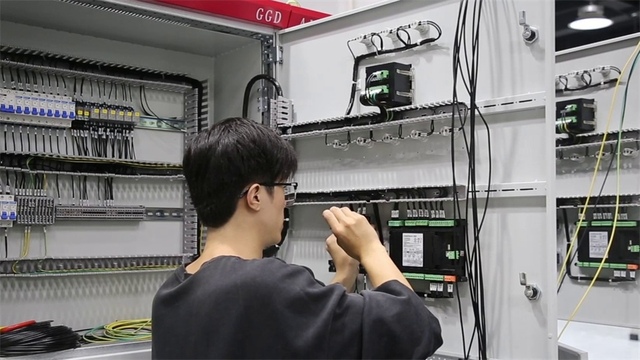
With a manufacturing facility covering over 18,000 square meters and a workforce of more than 250 employees, SN Electrical integrates product design, sheet metal fabrication, assembly, testing, and quality control into a comprehensive production system. The company operates advanced manufacturing equipment and rigorous inspection procedures to ensure product reliability, safety, and compliance with international electrical standards.
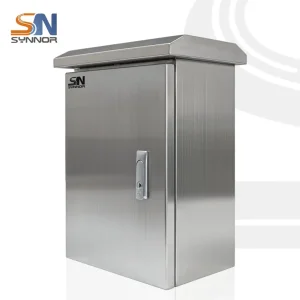
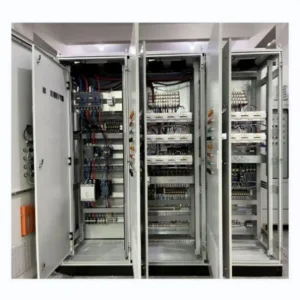
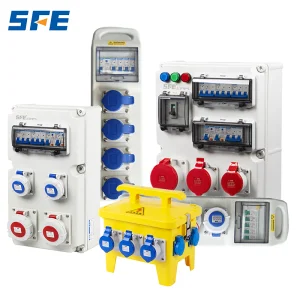
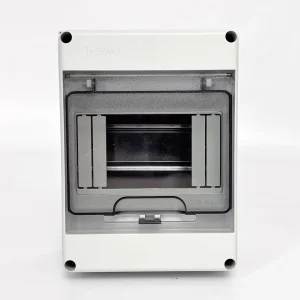
SN Electrical offers a wide range of electrical distribution products, including low-voltage power distribution boxes, industrial distribution panels, electrical enclosures, meter boxes, control cabinets, waterproof distribution boxes, outdoor electrical cabinets, and customized power management systems. The company continuously invests in product innovation, intelligent monitoring technologies, and energy-efficient electrical solutions to meet the evolving requirements of industrial, commercial, infrastructure, renewable energy, and utility projects.
As an experienced OEM and ODM partner, SN Electrical provides customized engineering services, enclosure design, component integration, private labeling, and project-based manufacturing solutions for customers worldwide. Its products are exported to Europe, North America, South America, Southeast Asia, the Middle East, and Africa.
Committed to quality, innovation, and customer satisfaction, Hangzhou SN Electrical Co., Ltd. focuses on delivering dependable power distribution solutions that enhance electrical safety, operational efficiency, and long-term system performance. Through continuous technological development and manufacturing excellence, the company supports customers in building reliable and efficient electrical infrastructure across global markets.
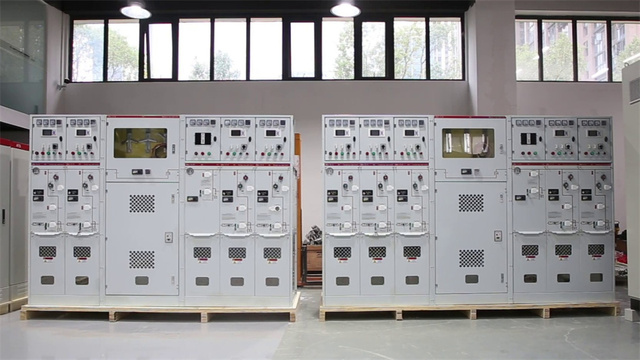
Browse this comprehensive guide curated by SN Electrical engineers to answer key procurement queries, technical specification standards, and configuration questions.
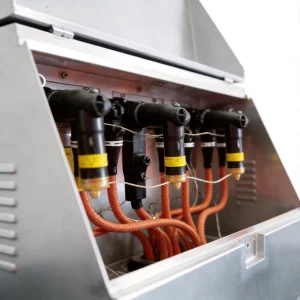
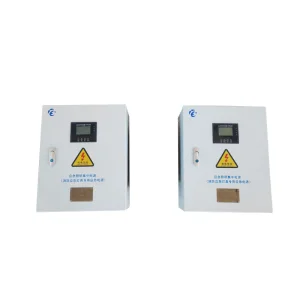
 SN Electrical