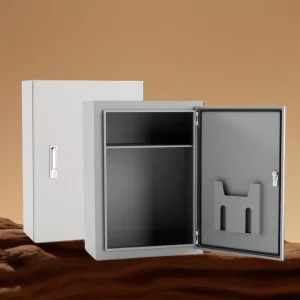
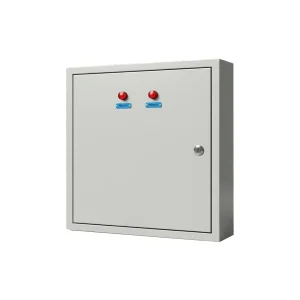
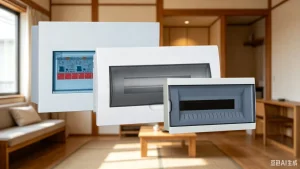
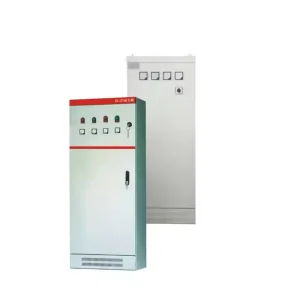
Explore our premium segment of low-voltage and intelligent cabinet solutions, custom-configured for heavy industrial, outdoor, and high-performance power filtration interfaces.
In the contemporary industrial and commercial sectors, the proliferation of non-linear loads has drastically changed the electrical power landscape. Variables frequency drives (VFDs), switch-mode power supplies (SMPS), LED lighting systems, battery chargers, and massive industrial rectifiers generate significant harmonic currents. These harmonics distort the fundamental voltage waveform, causing severe degradation of power quality across electrical distribution systems.
Without targeted mitigation, total harmonic distortion (THD) causes severe operational disruptions. Overheated neutral conductors, transformer insulation breakdown, nuisance tripping of protective circuit breakers, and accelerated motor wear are typical symptoms of poor power factor and heavy harmonic loads. For modern manufacturing plants, utility operators, and data centers, implementing resilient and robust Harmonic Filter Solutions is no longer optional—it is a critical requirement to safeguard capital equipment and ensure operational uptime.
Global standards, such as IEEE 519-2022, dictate strict limits on voltage and current distortion levels at the Point of Common Coupling (PCC). Failing to meet these guidelines invites utility penalties and risks critical facility shut-downs. Integrating dedicated active and passive filter topologies within high-grade enclosures is the standard method for meeting global harmonic specifications.
By dampening electrical noise and phase-angle displacement, modern filtration systems protect high-performance PLC components, high-rise building distribution systems, and sensitive networking setups. Selecting a premium manufacturing partner in China capable of exporting fully certified, customized distribution panels with harmonic control integration represents a highly efficient engineering path for global contractors.
Choosing the correct architectural approach depends on the nature of the load, the required speed of response, and the budget constraints of the facility.
Active filters utilize advanced digital signal processing (DSP) and high-speed insulated gate bipolar transistors (IGBTs) to inject counter-phase currents that cancel out harmonic frequencies in real time. They act as dynamic current sources, constantly monitoring the grid and adapting to changing load profiles. AHFs are ideal for facilities with highly dynamic, unpredictable load variations like modern data centers, automotive manufacturing lines, and automated packaging warehouses.
Passive filters comprise calculated arrangements of inductors (reactors) and capacitors designed to create a low-impedance path for specific harmonic frequencies (e.g., 5th, 7th, 11th). While highly reliable and cost-effective for constant, predictable loads like large fixed-speed motor pumps or standard compressors, they are susceptible to system resonance and changes in grid impedance.
| Parameters | Active Harmonic Filter (AHF) | Passive Harmonic Filter (PHF) |
|---|---|---|
| Mitigation Range | 2nd to 50th harmonics (Selectable) | Tuned specific frequencies (e.g., 5th, 7th) |
| Response Time | < 1 millisecond (Dynamic) | Fixed response (Static) |
| Target Power Factor | Stepless correction (Cap/Ind) | Fixed capacitive boost |
| Risk of Resonance | None (Active cancellation) | Possible with grid variations |
| Space Footprint | Compact, integrated module | Larger inductors/capacitors required |
Power quality solutions must be tailored to the harsh realities of their operation environments. Here is how our hardware integrates into specialized local environments.
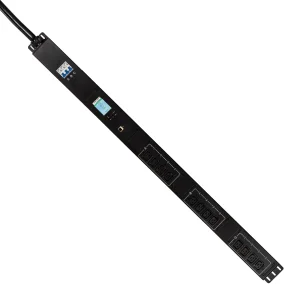
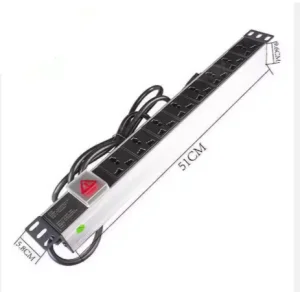
Non-linear servers and PDU infrastructures require precise 3-phase, 4-wire harmonic filtration. Implementing custom-engineered power distribution cabinets (like our Feiboer Network Cabinets or custom PDU units) stops neutral-line overheating and maintains logic-level signaling purity for crucial switches.
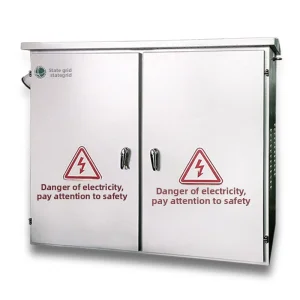
Large-scale solar parks generate harmonic ripples due to multiple fast-switching grid-tied inverters. Sturdy enclosures, such as our Durable Metal Solar Combiner Box and outdoor low-voltage JP distribution cabinets, housing passive filter components, ensure localized power flows cleanly to the high-voltage step-up transformers.
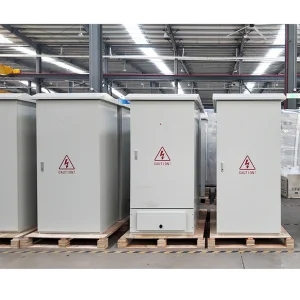
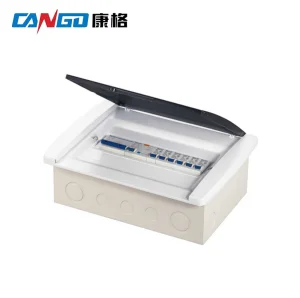
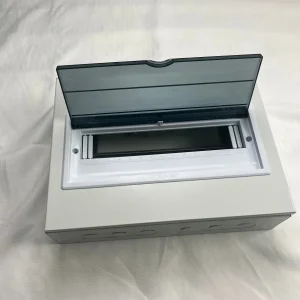
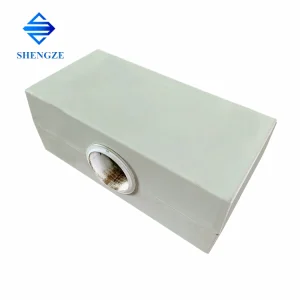
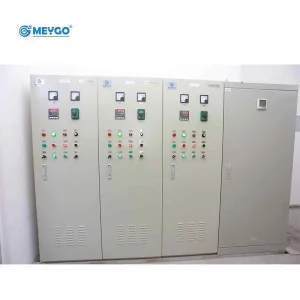
Arc furnaces, plastic extrusion lines, and heavy-duty motor controllers inject extreme, erratic current harmonics. Our robust industrial distribution boxes, designed for large current capacities, deliver the mechanical strength and thermal cooling ventilation needed to handle heavy harmonic filters.
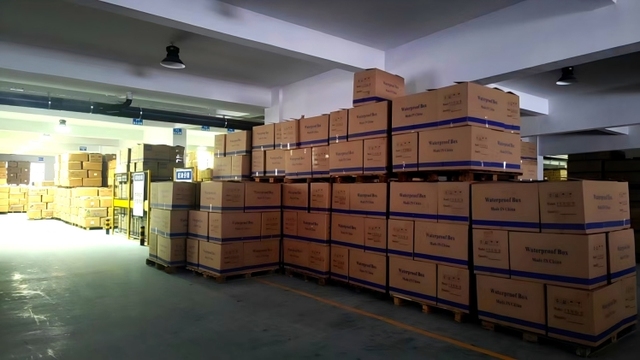
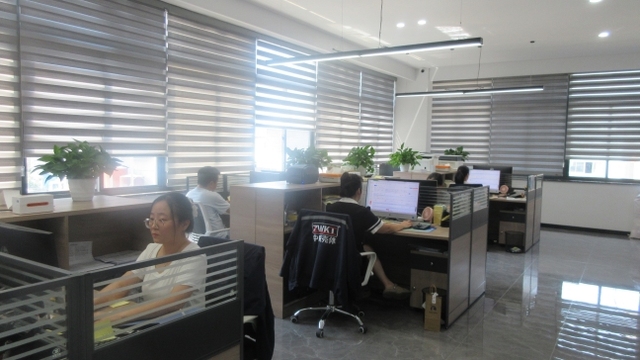
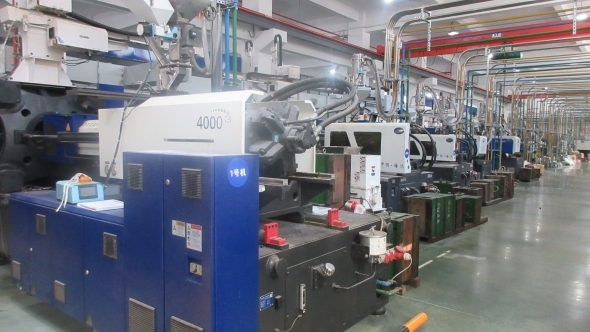
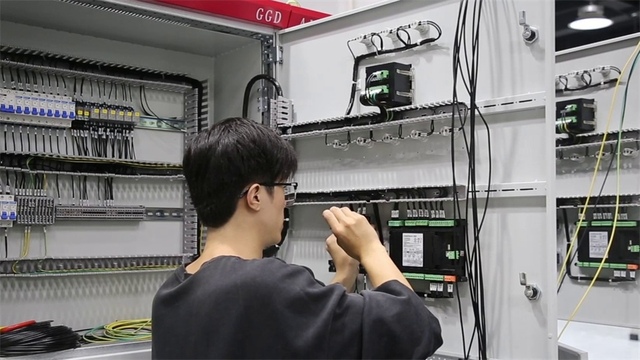
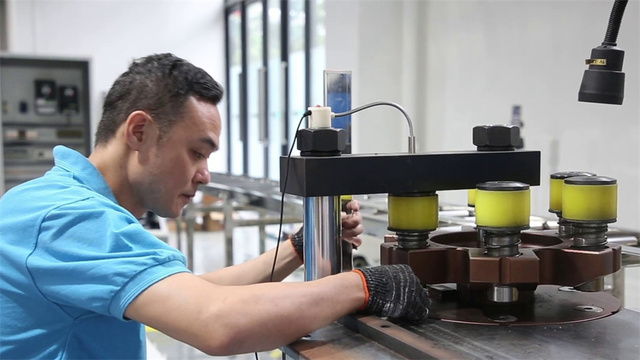
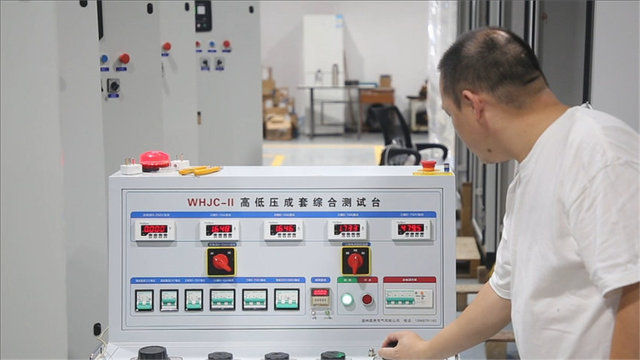
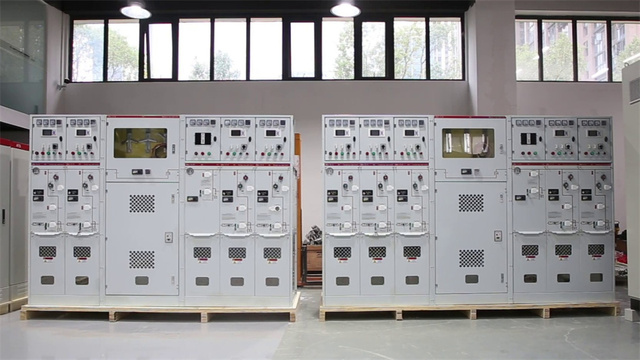
Located strategically in Hangzhou, Zhejiang Province, Hangzhou SN Electrical Co., Ltd. (est. 2011) leverage China's premier electrical ecosystem to deliver high-quality, cost-competitive OEM and ODM products globally. Spanning over 18,000 square meters of modern manufacturing space, our facility integrates high-precision sheet metal fabrication, laser cutting, automated punching, assembly, testing, and surface treatments under one unified quality management standard.
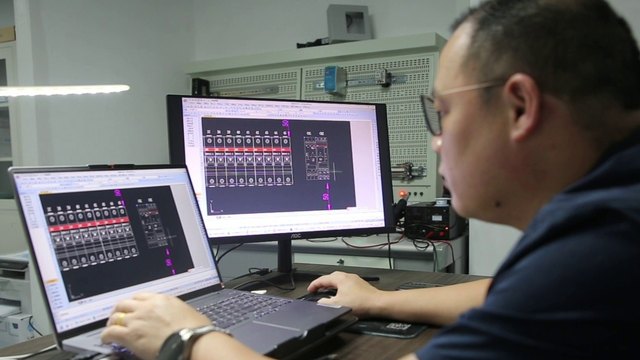
Our workforce of over 250 highly skilled specialists oversees strict testing protocols, making sure every distribution board, meter box, outdoor rainproof control cabinet, and PLC-integrated column satisfies international ratings like CE, IP65, and ISO 9001. By combining structural enclosure customization with the capacity to house advanced internal harmonic components, we serve as a vital manufacturing bridge for international design houses, contractors, and global power quality component suppliers.
Our close proximity to key global shipping hubs (Ningbo and Shanghai ports) facilitates rapid transit times, safe transit packing, and reliable logistical schedules. This guarantees that whether you are installing sub-distribution networks in high-rise buildings in the Americas, or deploying critical energy-storage systems in the Middle East, our cabinets protect your active filtration units from dust, moisture, and extreme thermal conditions.
As modern power grids incorporate more decentralized renewables, the role of structural enclosures and intelligent distribution boxes is evolving rapidly.
Next-generation Active Harmonic Filters are shifting from traditional Silicon IGBTs to Silicon Carbide (SiC) and Gallium Nitride (GaN) components. This allows for significantly higher switching frequencies, lower thermal losses, and more compact internal component dimensions. Enclosure designs must adapt by offering highly customized internal mount points and optimized air ducts for high-velocity cooling.
Modern distribution boxes are no longer just passive steel shells. By integrating micro-PLC controllers, multi-channel energy meters, and cloud communication modules, they monitor total harmonic distortion (THD-I/V) and transmit power quality data in real-time to centralized building management systems (BMS).
Modern commercial infrastructure demands zero downtime. Modular AHF systems housed inside precision-built modular distribution units enable engineers to slide active filter cards in and out under load conditions (hot-swap). This minimizes repair windows and ensures continuous, clean power without circuit interruptions.
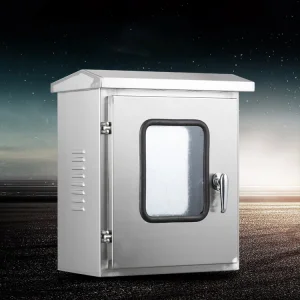
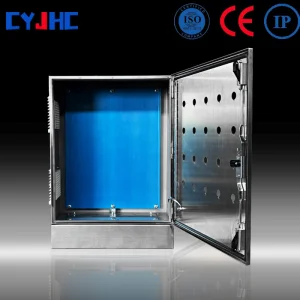
We are constantly refining our sheet metal fabrication techniques and upgrading our IP65 plastic and outdoor stainless steel cabinet options. This accommodates the precise mechanical requirements and thermal configurations necessary for advanced microgrid and smart-grid installations worldwide.
Exporting key power equipment to markets such as North America, Europe, South America, and the Middle East requires strict compliance with international grid connection standards. Our enclosures and distribution modules undergo complete internal evaluation procedures to ensure reliability under extreme field conditions.
Our support system includes comprehensive mechanical drawing reviews, full physical structure tests, and thermal heat load simulation. This provides foreign engineering, procurement, and construction (EPC) companies absolute peace of mind during execution phases.
Expert insights into common engineering questions regarding the integration, selection, and application of harmonic filtration equipment.
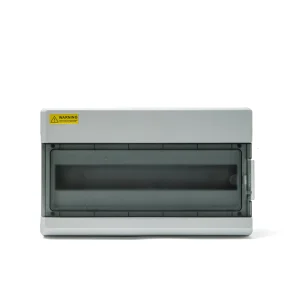
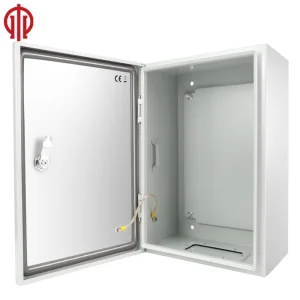
Complete your power grid configuration with our robust low-voltage control cabinets, terminal switch boxes, and smart outdoor distribution cabinets.
 SN Electrical