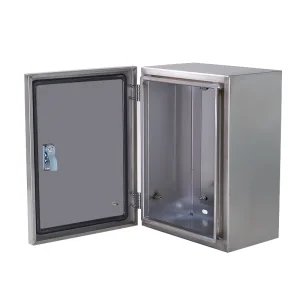
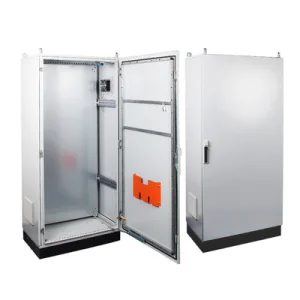
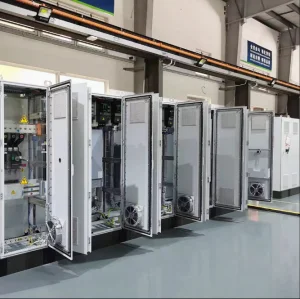
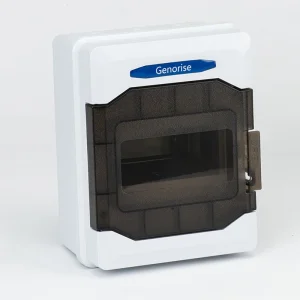
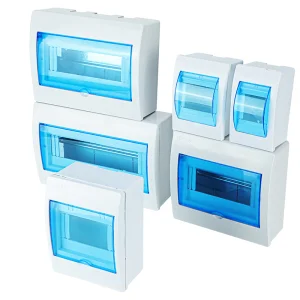
Explore our first selection of advanced, weather-protected, and rugged distribution cabinets engineered to handle volatile environmental factors in on-water and coastal grid installations.
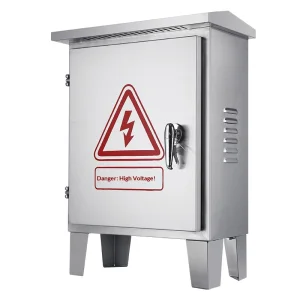
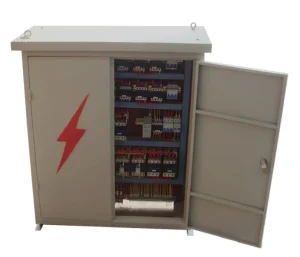
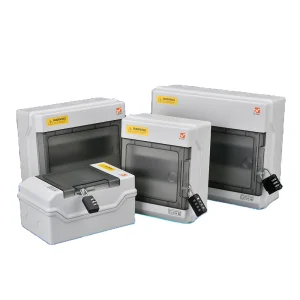
Over the past decade, the deployment of marine infrastructure has witnessed a massive paradigm shift. As terrestrial space becomes increasingly scarce and expensive, industries are looking to water bodies—lakes, reservoirs, industrial ponds, and nearshore coastal bays—to install critical power generation systems. The most notable driver of this trend is the rise of Floating Photovoltaic (FPV) Power Systems, alongside floating offshore wind and temporary marine floating construction platforms.
According to international renewable energy market analyses, the global market for floating solar panels is expected to sustain a compound annual growth rate (CAGR) exceeding 15% through 2030. Floating systems offer unique mechanical and ecological synergies. Placing solar grids on water reduces evaporation rates, lowers ambient operational temperatures of photovoltaic panels (which improves overall generation efficiency by up to 10%), and bypasses high land acquisition costs. However, these dynamic on-water conditions introduce unprecedented engineering challenges for power transmission, conversion, and distribution components.
Operating a power system on a floating platform means exposing high-voltage and low-voltage electrical components to continuous mechanical sway, wave impacts, high humidity, salt-mist corrosion, and intense UV degradation. Consequently, the core link of these installations—the Combiner Boxes and Low-Voltage Distribution Cabinets—must be manufactured to meet strict marine certifications. This is why certified hardware, meeting standards such as CE (Conformité Européenne), is no longer optional; it is the baseline requirement to guarantee asset longevity, operational reliability, and human safety over a standard 25-year system lifespan.
To withstand the harsh environmental parameters of floating solar and marine operations, electrical enclosures must be constructed with advanced metallurgy and polymer chemistry. Standard sheet metal or simple galvanized steel cabinets will quickly succumb to rust, leading to short circuits, arc faults, and catastrophic system failures. Below is an engineering overview of the critical material and design specifications deployed in modern CE-certified floating power boxes:
Utilizing high-grade 304 or marine-grade 316L stainless steel alongside heavy-duty aluminum alloys. Finished with electrostatically applied epoxy-polyester powder coatings (C5-M marine standard) to endure high-salinity marine environments.
Designed with continuous polyurethane or neoprene gaskets formed via automated CNC foaming machines. These provide absolute protection against pressurized water jets, tidal splashing, and dense morning dew.
Integrated Type 1 and Type 2 Surge Protective Devices (SPDs). Since water bodies are highly conductive and prime targets for lightning strikes, advanced grounding mechanisms are integrated into all metal structures.
Beyond material resilience, the physical architecture of these power boxes must address thermal management. A combiner box or distribution cabinet sitting in the middle of a reservoir receives direct solar radiation from above and reflective radiation from the water surface. Our enclosures incorporate venting systems with integrated semi-permeable membranes (like GORE-tex vents) that equalize pressure and repel water, actively mitigating the risk of interior condensation—a primary cause of electronic degradation.
Established in 2011, Hangzhou SN Electrical Co., Ltd. has evolved into a premier designer, manufacturer, and global supplier of high-quality low-voltage electrical distribution systems, smart industrial control panels, and custom power management enclosures. Situated in the high-tech hub of Hangzhou, Zhejiang Province, China, our company utilizes a robust industrial supply chain and advanced shipping access to supply components to developers globally.
Our expansive 18,000 square meter facility houses fully integrated production stages—including high-precision sheet metal fabrication, CNC laser cutting, automated bending, structural welding, powder coating, assembly, and exhaustive quality assurance testing. Backed by a dedicated team of over 250 electrical engineering and manufacturing specialists, we provide robust, reliable, and standardized solutions to support infrastructure projects worldwide.
As a key OEM and ODM partner, SN Electrical specializes in custom structural designs, customized component layouts, private labeling, and turnkey solutions for challenging installations. Our certifications, including CE, RoHS, and CCC, confirm that our systems conform to safety and performance benchmarks across Europe, North America, South America, Asia, and Africa.
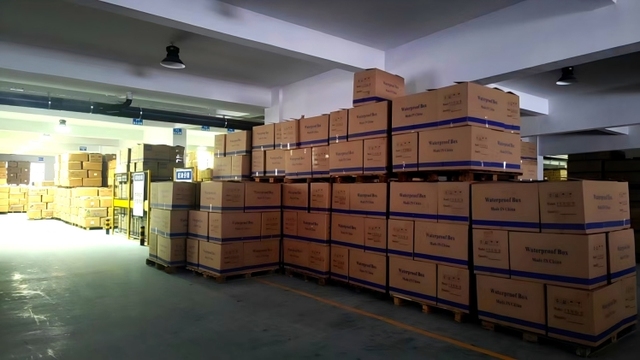
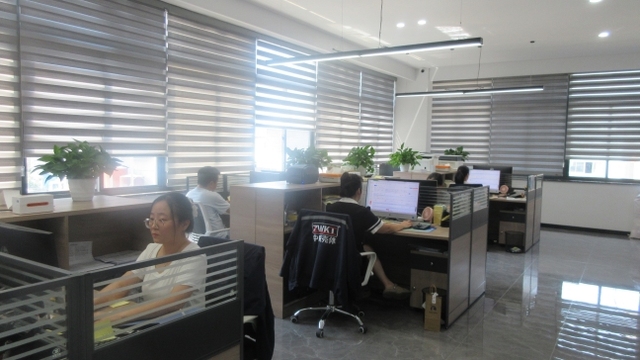
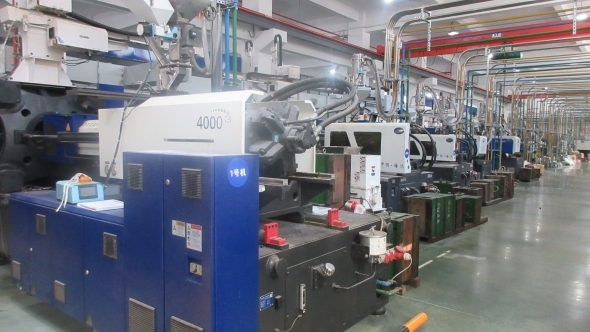
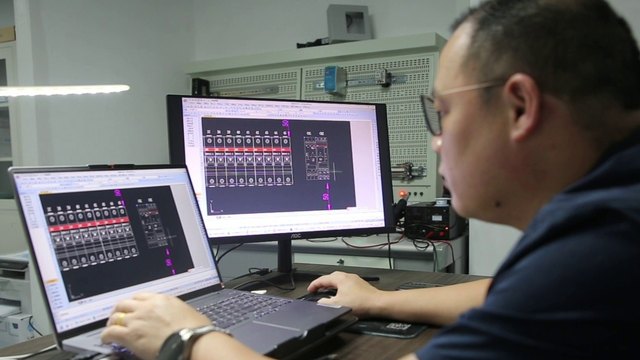
Our Hangzhou facility embodies China's Factory 4.0 manufacturing evolution. Modern power grid infrastructure calls for high volumes of highly customized units, rendering older, manual assembly methods obsolete. At SN Electrical, we have transitioned our factory lines into automated, data-driven systems designed to shorten lead times and eliminate assembly errors.
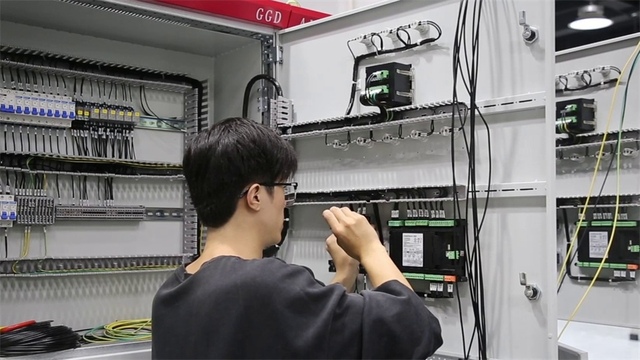
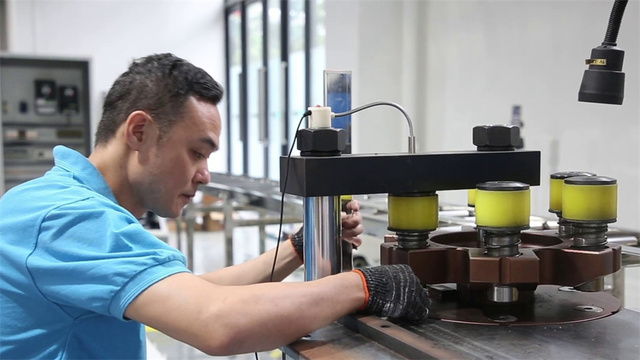
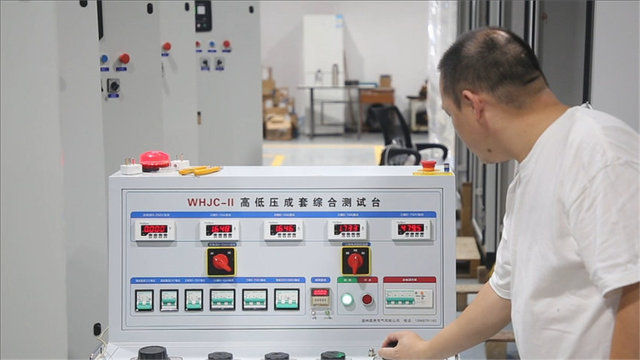
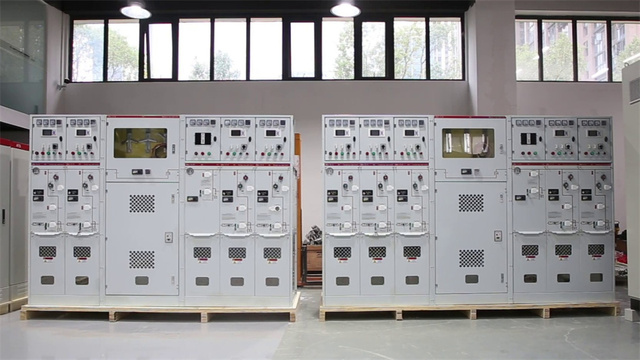
Our automation integration includes the following key production phases:
By localizing design, raw fabrication, copper busbar machining, powder coating, and electronic wiring under one roof, we limit exposure to external supply disruptions. This vertical integration makes us highly responsive, enabling us to deliver custom-engineered components in a fraction of the time required by traditional, fragmented sourcing routes.
Procuring low-voltage electrical systems for floating solar or offshore facilities requires strict adherence to international safety and performance criteria. Global Engineering, Procurement, and Construction (EPC) firms prioritize four main criteria during technical reviews:
CE certification confirms that power systems comply with the Low Voltage Directive (LVD) 2014/35/EU and the Electromagnetic Compatibility (EMC) Directive 2014/30/EU. In addition, certifications such as RoHS ensure that environmental hazards are minimized throughout the manufacturing phase. Compliance with relevant parts of the IEC 61439 and IEC 60529 standards is essential, assuring project developers that the systems have passed testing for short-circuit ratings, temperature rises, and ingress protection.
Floating power systems are subjected to constant mechanical motion due to wind, currents, and wave activity. Electrical distribution boxes mounted on floating pontoons must withstand structural vibration without compromising terminal connections. We design our interior components with vibration-resistant spring-clamp terminals (rather than standard screw terminals) and utilize reinforced mechanical frames to prevent structural fatigue over time.
For installations in nearshore bays or salt-water lakes, standard paint finishes will quickly blister and fail. EPC contractors require proof of salt spray testing (such as ASTM B117) exceeding 1,000 hours. Our enclosures feature specialized thermosetting powder coatings applied over zinc-rich primers, protecting the underlying steel against highly corrosive environments.
Excessive heat within a combiner box reduces the lifespan of critical components like fuses, surge protectors, and monitoring modules. Our design process utilizes thermal simulation models to optimize internal layouts, using passive heat dissipation paths and specialized solar radiation shields to keep internal temperatures within safe limits without needing external power-hungry cooling fans.
Our range of low-voltage distribution enclosures and smart control systems is deployed across several demanding, high-exposure environments:
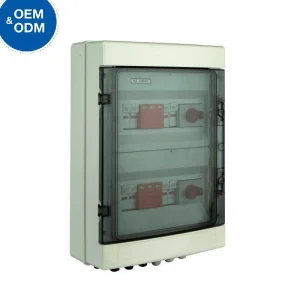
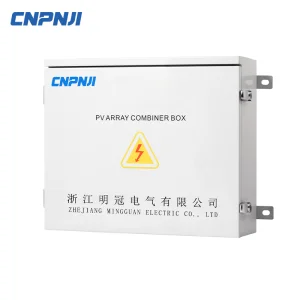
Installed on floating solar arrays, our AC/DC combiner boxes aggregate multiple strings of DC power from solar modules. They integrate DC fuses, surge protection devices, and DC disconnect switches within compact, high-IP-rated housings designed to withstand constant ambient moisture.
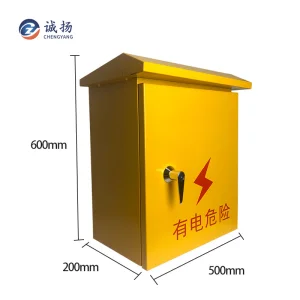
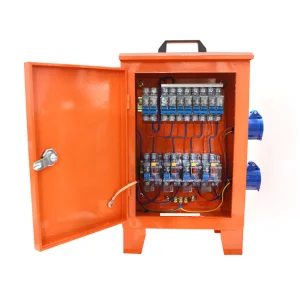
Designed for dredging operations, offshore piling, and floating dry-docks. Our heavy-duty mobile distribution cabinets (such as our IP65 smart lock units) provide reliable, temporary power to heavy construction machinery in damp coastal environments.
Used to power commercial fish farming platforms, offshore cages, and aeration systems. Enclosures housing automated feeding controls and water quality monitoring electronics are exposed to constant salt spray and biological weathering, making marine-grade construction essential.
Below are the most common questions raised by site engineers and procurement officers regarding floating power configurations, structural specifications, and safety guidelines.
CE certification serves as confirmation that electrical products conform to European Union health, safety, and environmental protection standards. For floating power platforms, which fall under low-voltage directives (LVD 2014/35/EU) and EMC requirements (2014/30/EU), CE certification indicates that the design has undergone testing for insulation reliability, thermal thresholds, and physical hazard mitigation, minimizing risk in hazardous environments.
Our marine-use products are fabricated using 304 or 316L stainless steel, or specialized aluminum alloys. The surface receives a multi-step pre-treatment, including zinc phosphate cleaning, followed by a heavy coat of C5-M marine-grade epoxy powder. This process ensures the structural steel remains isolated from corrosive chloride ions, preventing localized pitting and rust creep around hinges, welds, and fasteners.
For outdoor combiner and power distribution boxes on floating platforms, a rating of IP65 is the minimum requirement to protect against rain and splashing water. However, for systems close to the water surface that may be exposed to wave washing or high-pressure spray, IP66 or IP67 ratings are recommended. Our designs utilize robotic continuous polyurethane gasket systems to maintain consistent, reliable seals under these conditions.
Continuous movement and vibration from wave action can cause traditional screw terminals to work loose over time, potentially leading to high-resistance connections and arc-flash failures. To address this, we use spring-clamp connections in our internal wiring structures. Additionally, all heavy components are securely anchored to the frame, and flexible conduits are used for cable entry points to allow for movement.
We use physical thermal modeling to optimize passive heat transfer. Key design elements include external sun shields to reduce solar heat gain, internal ventilation paths, and integrated pressure-equalizing breathers (like GORE-tex vents) that allow heat and humidity to escape while preventing liquid water and dust from entering the enclosure.
As a vertically integrated manufacturer, we offer complete OEM and ODM services. This includes custom structural sizing, specialized knockouts for cable routing, integrated window panels for monitoring, internal mounting plates, custom busbars, and specific paint finishes. We work directly with client engineering teams to build cabinets that match their project's technical specifications.
Floating solar arrays on open water are highly susceptible to lightning strikes. Our combiner boxes feature high-capacity Surge Protective Devices (SPDs) and structured grounding paths. The metal enclosures are bonded to the primary grounding network, ensuring lightning energy is safely routed into the water body without damaging the solar panels or distribution systems.
Our factory operates under ISO 9001:2015 quality standards. Every distribution cabinet is subjected to tests for insulation resistance, earth continuity, and circuit operation. We also perform regular batch testing for salt spray resistance, IP seal effectiveness, and thermal performance, ensuring that every shipped unit meets design specifications.
Explore our second selection of advanced distribution panels, low-voltage cabinets, and smart energy hubs designed to optimize power distribution in commercial and industrial settings.
 SN Electrical