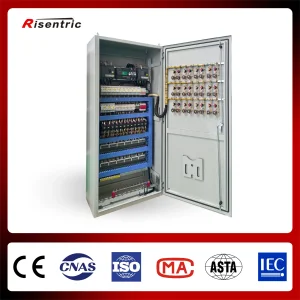
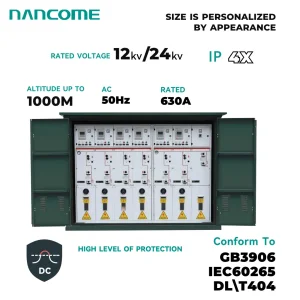
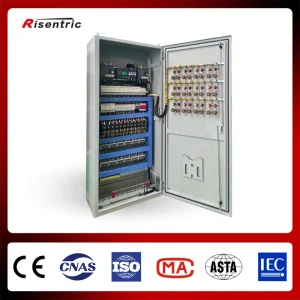
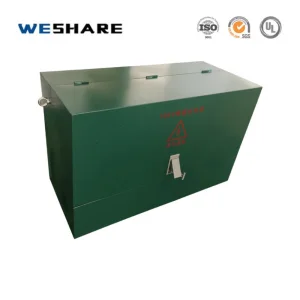
High-performance custom enclosures, combiners, and smart power modules engineered to optimize system reliability and safety.
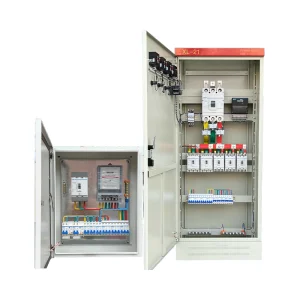
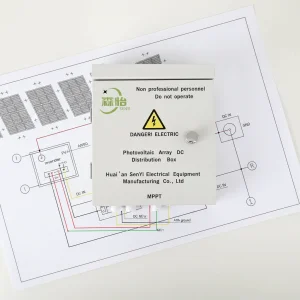
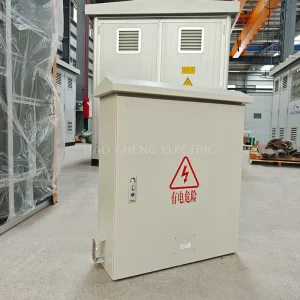
Modern energy landscapes are experiencing a structural paradigm shift from alternating current (AC) grids to highly efficient Direct Current (DC) networks. This evolution is driven by the rapid growth of distributed energy resources (DERs), utility-scale solar photovoltaic (PV) generation, battery energy storage systems (BESS), and electric vehicle (EV) charging facilities. In traditional power configurations, converting DC from generation sources (such as solar cells and batteries) into AC for local distribution, and then back into DC for consumer devices, introduces substantial transmission losses. By optimizing local DC power distribution networks, commercial plants, and microgrids, operators can reduce energy dissipation by up to 15%, significantly lowering operational costs and total carbon footprints.
However, designing, manufacturing, and deploying reliable DC power distribution equipment introduces unique challenges. Unlike AC networks, where the current periodic waveform crosses the zero-voltage point (allowing electrical arcs to naturally extinguish during breaker operations), DC systems maintain a continuous current vector. Under load conditions, this continuous flow produces high-energy electric arcs when switches or isolators are disengaged. Consequently, industrial DC cabinets must feature robust arc-quenching mechanisms, precise magnetic blowouts, high-grade insulation barriers, and specialized thermal management systems. Partnering with a recognized, CE-certified DC distribution supplier ensures that equipment is configured to withstand these demanding conditions while complying with international safety standards.
Minimizes double-conversion losses across microgrids, commercial PV facilities, and high-density data systems by directly routing raw DC output to critical storage and load centers.
Features specialized DC surge protective devices (SPDs), quick-breaking fuses, and arc-flash boundaries designed specifically to handle continuous voltage paths.
Equipped with communication interfaces (Modbus RTU, Ethernet TCP/IP) for remote tracking, insulation monitoring, and real-time power analytics.
In the European Economic Area (EEA), the CE (Conformité Européenne) mark is a mandatory conformity marking for electrical equipment. For low-voltage DC distribution cabinets and combiner boxes, compliance ensures safe operation under standard electrical loads and fault conditions. CE certification is not a single test, but a comprehensive compliance process involving multiple directives and standardized testing frameworks:
Covers health and safety risks for electrical equipment operating within voltage ratings of 75V to 1500V for direct current. This directive ensures the structural integrity of the housing, prevention of direct or indirect touch hazards, and thermal isolation of components.
Directs electromagnetic compatibility regulations. In systems utilizing Maximum Power Point Tracking (MPPT) or smart monitoring, the distribution cabinet must not emit excessive electromagnetic interference, nor be susceptible to interference from surrounding industrial processes.
These standards define the design requirements and verification methods for low-voltage switchgear and controlgear assemblies. Testing includes verification of temperature rise limits, dielectric properties, short-circuit withstand strength, and mechanical operation.
When evaluating CE-certified DC distribution cabinets, engineering teams should request the complete Technical Construction File (TCF) from the manufacturer. This documentation includes declaration of conformity certificates, comprehensive test reports from accredited third-party laboratories (such as TÜV, SGS, or Intertek), and detailed component lists highlighting the individual certifications of critical sub-components like DC circuit breakers, disconnectors, surge protectors, and terminals.
Designing power distribution hardware that performs reliably under diverse global environmental conditions and localized utility rules.
From arid desert solar farms to humid offshore platforms, distribution enclosures must withstand dust, water ingress, and chemical exposure. Selecting the correct rating is critical:
Global power distribution equipment must align with local installation standards and electrical traditions. Sourcing equipment that bridges these regional requirements reduces integration hurdles:
DC systems generate significant heat, especially under high-voltage configurations. Effective thermal design prevents component degradation and safety hazards:
Hangzhou SN Electrical Co., Ltd. is a professional power distribution box manufacturer specializing in low-voltage electrical distribution systems, industrial power management equipment, and smart electrical solutions. Established in 2011, the company is located in Hangzhou, Zhejiang Province, China, benefiting from a strong industrial ecosystem and convenient international transportation networks.
With a manufacturing facility covering over 18,000 square meters and a workforce of more than 250 employees, SN Electrical integrates product design, sheet metal fabrication, assembly, testing, and quality control into a comprehensive production system. The company operates advanced manufacturing equipment and rigorous inspection procedures to ensure product reliability, safety, and compliance with international electrical standards.
SN Electrical offers a wide range of electrical distribution products, including low-voltage power distribution boxes, industrial distribution panels, electrical enclosures, meter boxes, control cabinets, waterproof distribution boxes, outdoor electrical cabinets, and customized power management systems. The company continuously invests in product innovation, intelligent monitoring technologies, and energy-efficient electrical solutions to meet the evolving requirements of industrial, commercial, infrastructure, renewable energy, and utility projects.
As an experienced OEM and ODM partner, SN Electrical provides customized engineering services, enclosure design, component integration, private labeling, and project-based manufacturing solutions for customers worldwide. Its products are exported to Europe, North America, South America, Southeast Asia, the Middle East, and Africa.
Committed to quality, innovation, and customer satisfaction, Hangzhou SN Electrical Co., Ltd. focuses on delivering dependable power distribution solutions that enhance electrical safety, operational efficiency, and long-term system performance. Through continuous technological development and manufacturing excellence, the company supports customers in building reliable and efficient electrical infrastructure across global markets.
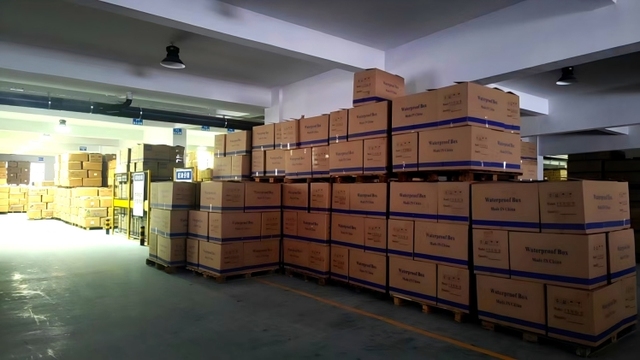

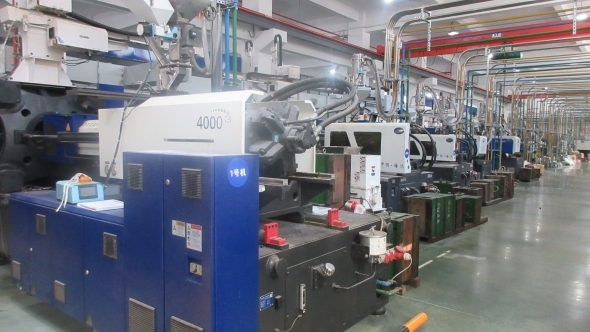
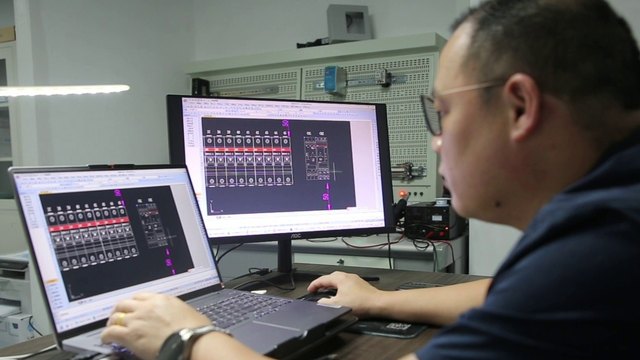
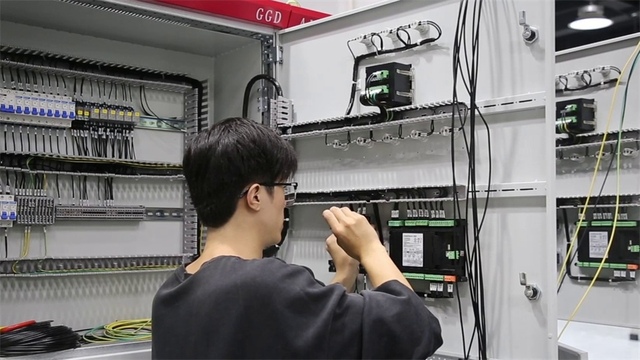
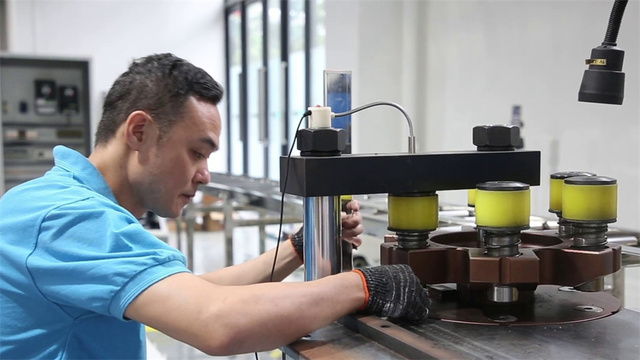
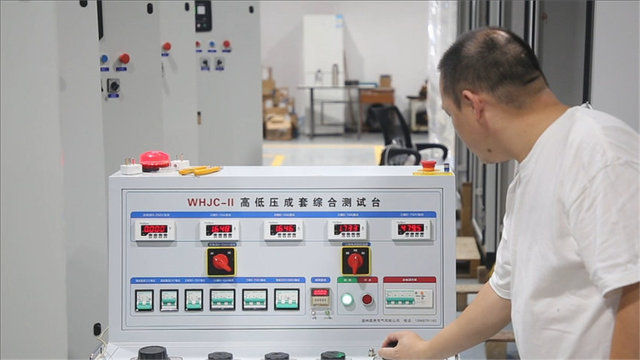
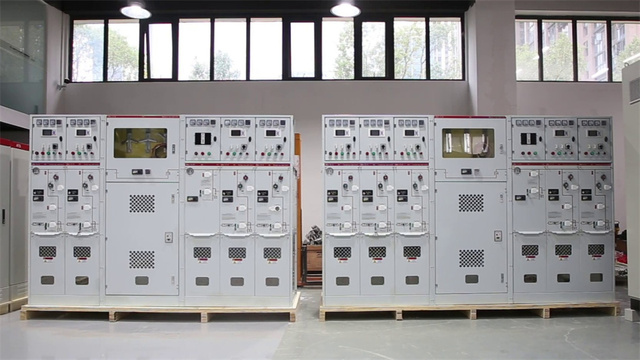
Procuring custom-engineered DC power distribution cabinets from China offers significant structural advantages for global projects. The Zhejiang electrical manufacturing cluster provides a comprehensive supply chain that integrates raw material suppliers, component manufacturers, and design engineers. This clustering minimizes internal logistical lead times and allows manufacturers to source certified sub-components—such as specialized terminal blocks, surge arresters, and copper busbars—rapidly and cost-effectively.
By housing sheet metal fabrication, laser cutting, powder coating, busbar processing, and terminal wiring within a single facility, we eliminate external logistical delays and ensure consistent quality control across all production phases.
Located in Hangzhou, Zhejiang, our facility offers direct access to the deepwater ports of Ningbo and Shanghai. This proximity reduces overland transit times, simplifies customs procedures, and helps lower international shipping costs for global buyers.
Advanced CAD/CAM workflows and flexible CNC tooling allow our engineering teams to quickly turn customer schematics into functional prototypes. This agility helps keep project schedules on track, even when design parameters change.
As the electrical industry evolves, several key trends are shaping the future of DC power distribution:
Large-scale solar and energy storage systems are increasingly shifting from 1000V DC to 1500V DC designs. This higher voltage limit allows for longer source circuits and fewer combiner boxes, reducing balance-of-system (BOS) costs while requiring robust insulation and safety clearances within distribution cabinets.
Modern distribution cabinets are evolving into smart grid nodes. By integrating intelligent controllers, micro-CTs, and temperature sensors, operators can remotely monitor current levels, voltage dips, insulation health, and thermal trends to help prevent failures before they occur.
Traditional mechanical breakers can take milliseconds to clear a fault, during which high DC fault currents can rise rapidly. Solid-State Circuit Breakers (SSCBs) use semiconductor components to interrupt fault currents in microseconds, providing fast, wear-free protection.
A strategic checklist to verify compliance, build quality, and factory capabilities during technical audits.
Ensure the internal components (breakers, disconnectors, SPDs) are specifically rated for DC operation at the system's maximum voltage. Request documentation verifying compliance with relevant standards like EN 60947-2 or IEC 61643-31.
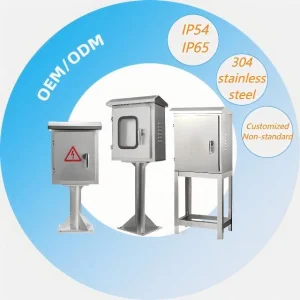
Confirm the enclosure material and thickness match the project environment. For harsh outdoor installations, grade 304 or 316 stainless steel with an IP65 or IP66 rating helps ensure long-term corrosion resistance and durability.
Look for manufacturers operating under ISO 9001 quality management systems. Verify that the factory performs essential routine tests on every shipped assembly, including dielectric testing, continuity of the protective circuit, and insulation resistance checks.
Expert answers to common engineering questions regarding CE-certified DC distribution boards and compliance standards.
Standard AC circuit breakers rely on the natural zero-crossing of the AC waveform to extinguish the electrical arc generated during interruption. Because DC voltage is continuous and does not have a zero-crossing point, an arc generated in a DC circuit is much more difficult to extinguish. Using an AC-rated breaker in a DC circuit can result in a sustained arc, leading to contact damage, fire hazards, or total component failure. DC-rated circuit breakers are engineered with specialized arc-extinguishing features, such as internal magnets that pull the arc into cooling chutes, to safely interrupt DC currents.
The primary standard is the EN 61439 series. Specifically, EN 61439-1 defines the general requirements for low-voltage switchgear and controlgear assemblies, while EN 61439-2 covers power switchgear and controlgear assemblies. For solar PV installations, EN 61439-2 is often applied alongside local standards to ensure the assemblies can withstand continuous thermal loads and environmental conditions. Additionally, EN 50539-11 or IEC 61643-31 applies to surge protective devices used in PV applications.
Integrating ventilation grilles or active fans can compromise an enclosure's ingress protection (IP) rating by creating paths for dust or water. To maintain high protection ratings (such as IP65) while allowing the enclosure to breathe, designers use specialized pressure-equalizing venting valves. These valves feature breathable, hydrophobic membranes that allow air and moisture vapor to pass through while blocking liquid water and dust, helping prevent internal condensation without lowering the IP rating.
OEM (Original Equipment Manufacturer) services involve manufacturing products based on technical designs, drawings, and component specifications provided by the customer. ODM (Original Design Manufacturer) services involve the manufacturer designing and engineering the product based on performance and functional requirements specified by the customer. Both pathways allow global buyers to obtain customized, branded distribution systems that comply with local standards.
Many industrial DC microgrids and utility-scale PV plants are designed as ungrounded (IT) systems to ensure high operational availability. In an IT system, a single ground fault does not trip the circuit breaker, allowing the system to continue operating safely. However, a second ground fault on a different conductor would create a short circuit. An insulation monitoring device (IMD) continuously measures the electrical isolation between the DC conductors and ground, alerting operators to the first ground fault so it can be resolved before a second fault causes a system shutdown.
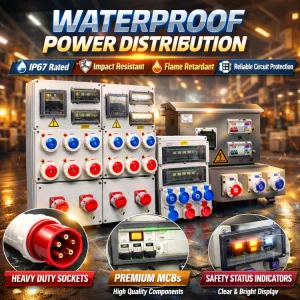
Discover our range of weatherproof industrial sockets, UPS cabinets, and custom smart distribution panels.
 SN Electrical