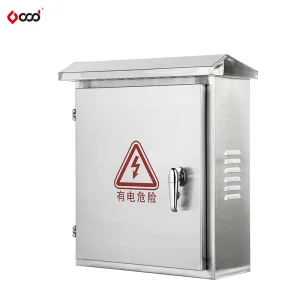
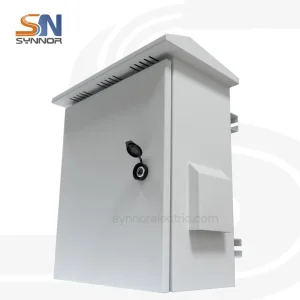
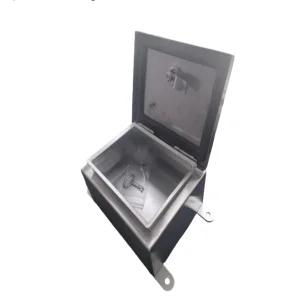
Engineered to withstand the demanding conditions of Canadian winters and industrial sectors, these premium stainless steel solutions deliver safety and durability.
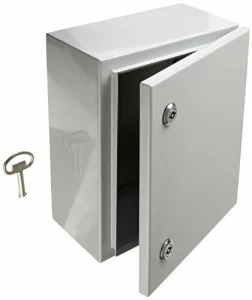
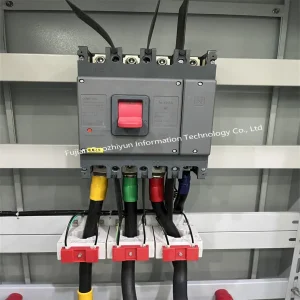
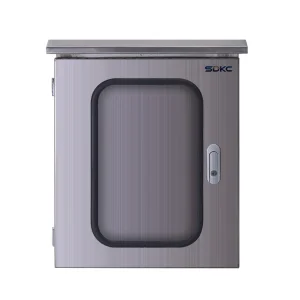
In the context of the modern Canadian industrial framework, electrical distribution systems operate as the foundational nervous system of resource extraction, manufacturing, and municipal infrastructure. Standard commercial-grade enclosures are systematically insufficient when subjected to the extreme climatic and corrosive challenges inherent to Canada's geographic layout.
For operations located in coastal regions such as British Columbia, Nova Scotia, or Newfoundland, high saline concentrations in the air induce rapid oxidation on sub-optimal materials. Conversely, inland provinces like Alberta, Saskatchewan, and Manitoba exhibit severe temperature swings, fluctuating from -40°C in winter to over +35°C in summer. These thermal shifts create internal condensation risks, requiring robust ingress prevention coupled with advanced breathing/ventilation designs.
Standard carbon steel enclosures, even when powder-coated, will eventually chip and oxidize. Stainless steel (particularly Grades 304 and 316) serves as the industry-standard mitigation strategy against chemical exposure, physical impacts, and severe precipitation. To align with the Canadian Electrical Code (CEC) Part I, distribution boxes must maintain structural and electrical integrity under continuous mechanical and thermal stresses.
In Canada, electrical equipment safety is strictly governed. Municipal and provincial inspectors require enclosures to adhere to standards established by the Canadian Standards Association (CSA Group), specifically CSA C22.2 No. 94.1 and No. 94.2 (Special Purpose Enclosures). Key target certifications include:
The contemporary global supply chain leverages the highly optimized industrial ecosystem of Chinese manufacturing to meet the demanding requirements of Canadian infrastructure projects.
Located in the heart of China's advanced manufacturing zone, Zhejiang province offers deep integration of raw material supply, precision laser cutting, CNC bending, and robotic welding technologies. This density of supply chain partners drastically reduces transport delays for sub-assemblies, lowers material overheads, and facilitates rigorous quality control procedures.
Established in 2011, Hangzhou SN Electrical Co., Ltd. stands as a premier manufacturer specializing in low-voltage electrical distribution systems and smart electrical enclosures. Operating an expansive facility of over 18,000 square meters and housing a dedicated workforce of over 250 skilled employees, the company merges precision design, sheet metal fabrication, and comprehensive QA testing into a unified manufacturing pipeline.
By leveraging Zhejiang's proximity to major international ports like Ningbo and Shanghai, products can be efficiently loaded and dispatched. For Canadian buyers, this means smooth transit times to the Port of Vancouver or the Port of Montreal, followed by direct rail access to distribution hubs in Toronto, Calgary, and Winnipeg. Reliable shipping coordinates with your critical project milestones.
| Material Feature | Grade 304 Stainless Steel | Grade 316 Stainless Steel | Standard Carbon Steel (Powder Coated) |
|---|---|---|---|
| Chemical Composition | 18% Cr, 8% Ni | 16% Cr, 10% Ni, 2% Mo | Iron, <0.3% Carbon |
| Pitting Resistance (Chloride environments) | Moderate | Excellent (due to Molybdenum) | Poor (depends entirely on coating integrity) |
| Recommended Applications | Inland industries, food processing, municipal water | Marine coasts, chemical plants, pulp & paper, mining | Climate-controlled indoor zones, temporary setups |
| Cost-to-Lifespan Ratio | Balanced / Cost-Effective | Premium initial cost / Extremely long lifespan | Low initial cost / High long-term maintenance cost |
Specifically configured for heavy-duty process control, smart municipal networks, and critical power switching loops.
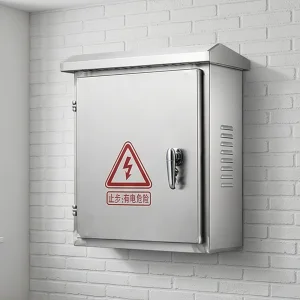
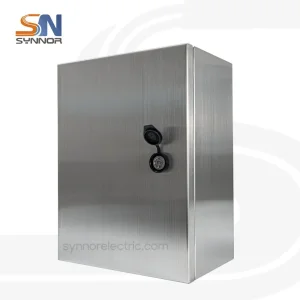
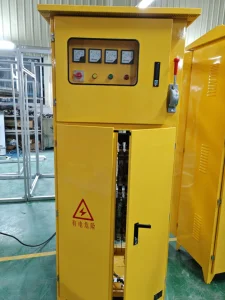
Deploying electrical systems in Canadian provinces requires deep consideration of the localized environment and mechanical stresses unique to each sector.
From the oil fields of Northern Alberta to the hard-rock mines of Northern Ontario, electrical equipment faces constant vibrations, flying debris, and abrasive dust. Explosion-proof junction boxes and heavily reinforced dual-door enclosures ensure that continuous power loops remain safe from external ignition and catastrophic damage.
Food processing facilities in Ontario and Quebec demand strict sanitary controls. Enclosures must undergo high-pressure, chemical washdowns daily. Stainless steel 304 or 316 with sloped roofs prevents water pooling and bacterial growth, exceeding food safety inspection standards.
Solar arrays in Saskatchewan and offshore wind projects in the Maritimes expose combiner boxes to constant UV radiation and harsh weather. High-ingress enclosures maintain internal temperatures with specialized cooling or heating elements to protect delicate modern electronics.
As electrical infrastructure becomes smarter, the demand for Smart Enclosures has surged. Modern distribution boxes are no longer just passive sheet metal boxes; they now incorporate IoT sensors for thermal monitoring, remote locking mechanisms for physical security, and integrated cable management systems that reduce field installation times. By sourcing modular enclosures, engineering firms can adapt on-site components without completely re-drilling the main structure, significantly saving labor costs in high-wage markets like Canada.
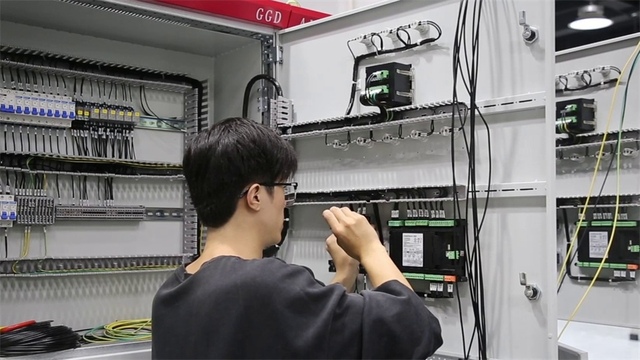
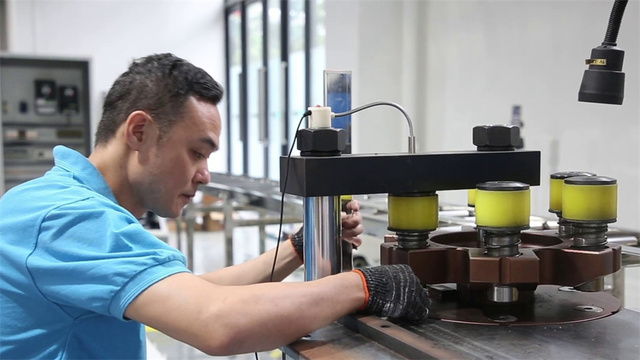
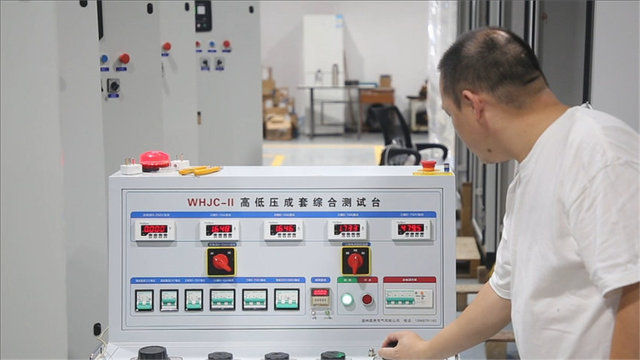
Operating over 18,000 square meters of specialized production space, Hangzhou SN Electrical Co., Ltd. combines precision sheet metal manufacturing with rigorous Quality Assurance.
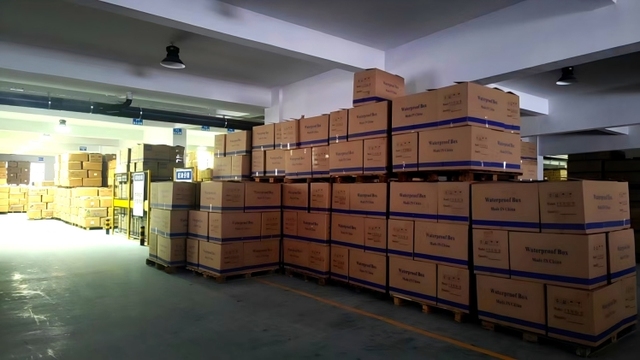
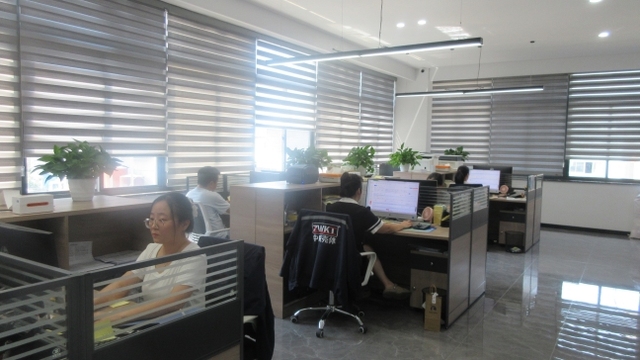
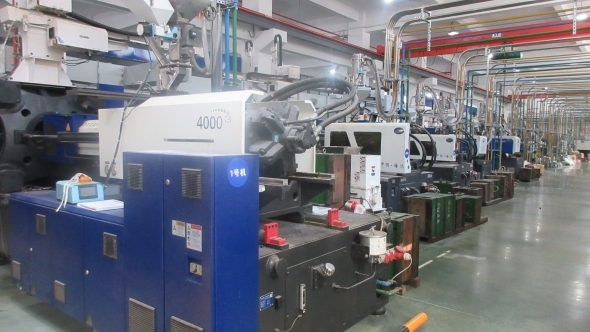
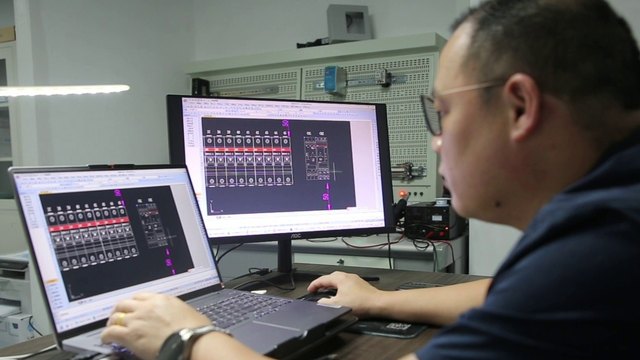
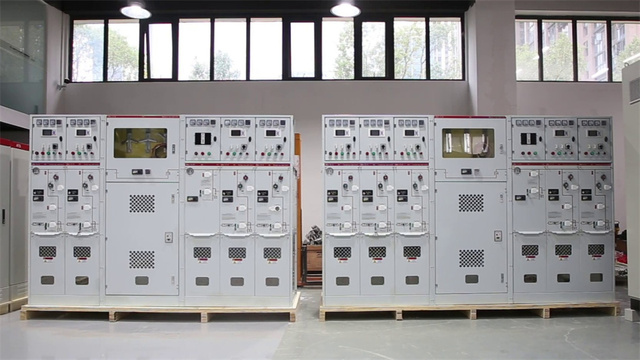
With an experienced design and engineering staff, we support complex **OEM and ODM services** for custom layout requests from Canadian engineers. Whether you require specific knockout patterns, gland plates, localized window mounts, or custom paint finishes over 304/316 stainless steel, our engineering division processes CAD drawings swiftly to minimize prototyping lead times.
Engineered to deliver exceptional protection and reliable connectivity for challenging industrial environments across Canada.
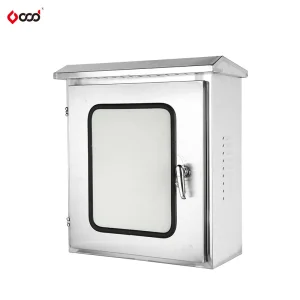
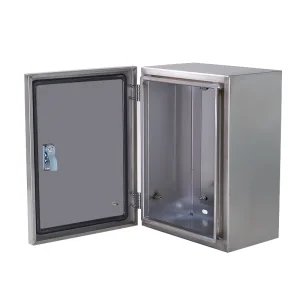
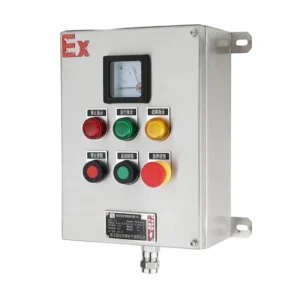
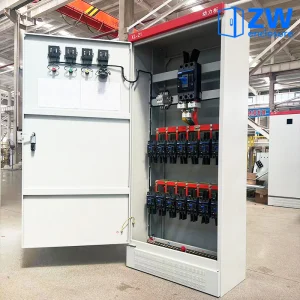
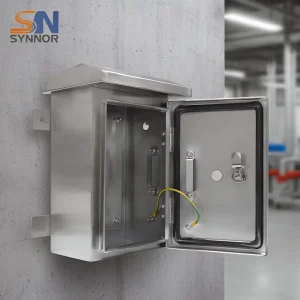
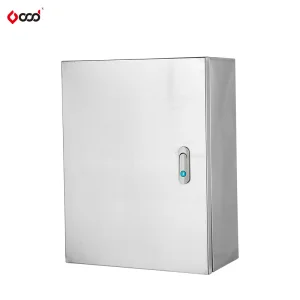
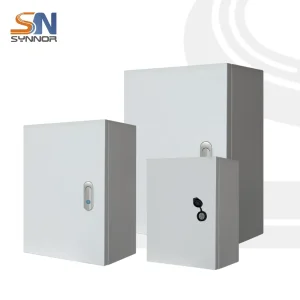
Maximizing cost-efficiencies while adhering to local electrical safety standards requires a structured approach to global purchasing.
Before issuing requests for quotes (RFQs), determine whether the installation area exhibits high salt fog, acidic runoff (such as in mines), or extreme solar heating. If salt fog is present, specify 316L Stainless Steel rather than standard 304. For high-temperature solar applications, request active venting or sun-shields to mitigate solar heat load.
Verify that the enclosures conform to safety guidelines like UL 508A and CSA C22.2. These standards ensure the sheet metal thickness, grounding studs, latching mechanisms, and polyurethane gaskets have passed structural tests, protecting the installer from safety liability.
Optimize your project scheduling by factoring in ocean freight transit times. A typical shipment from Ningbo to Vancouver takes 14-21 days, followed by rail transit to central cities like Toronto. By placing orders early, you can leverage economical sea freight over premium air cargo options.
Custom laser cutouts done during the factory fabrication stage cost a fraction of what field modification costs in Canada. Provide clear mechanical drawings with knockouts, push-button holes, and viewing window dimensions to receive ready-to-wire enclosures on-site.
Get immediate answers to standard design queries related to installing stainless steel distribution cabinets in Canada.
A: Grade 304 contains 18% chromium and 8% nickel, which provides excellent general corrosion protection for most inland Canadian environments. Grade 316 includes 2% molybdenum, making it significantly more resistant to chloride-induced corrosion (pitting and crevice cracking) from sea salt or de-icing agents used on winter roads. If your site is near the coast or faces heavy road-salt exposure, 316 stainless steel is highly recommended.
A: While NEMA and IP ratings are not directly interchangeable because of different testing parameters, NEMA 4 and 4X correspond closely to IP66. NEMA classifications include additional tests for corrosion resistance (for 4X), oil ingress, and protection against structural damage from external ice formation, which is crucial for northern Canadian installations.
A: Severe temperature drops down to -40°C create a risk of internal condensation, which can damage electrical contacts. To prevent this, we integrate anti-condensation heaters (strip heaters) controlled by thermostats, and install dual-way breather valves that allow pressure equalization without compromising the IP66 ingress protection.
A: Yes. Our fabrication techniques match the strict structural and grounding specifications outlined by the CSA C22.2 standard. We ensure clear grounding stud paths, door bonding straps, and specific sheet metal gauges that satisfy Canadian safety inspectors.
A: We offer complete design modification options. This includes custom dimensions, localized knockouts, mounting brackets, viewing windows made of tempered glass or polycarbonate, integrated ventilation hoods, internal swing-out panels, and specialized multi-lock hardware for added security.
A: Custom manufacturing usually takes 15 to 25 days depending on layout complexity and order volume. Shipping times take approximately 15 days to the West Coast (Vancouver) and 25-30 days to the East Coast (Montreal/Halifax), followed by intermodal rail transfer to your local facility.
 SN Electrical