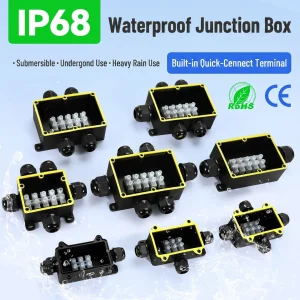
Specifically engineered to meet industrial demand for high weatherproofing, shock resistance, and thermal efficiency.
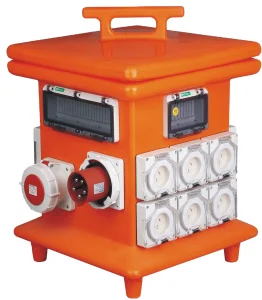
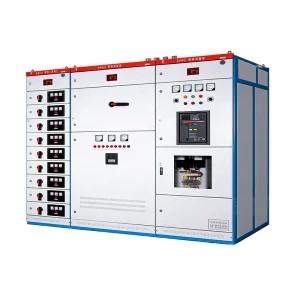
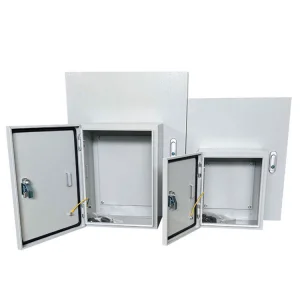
A technical deep-dive into the regulatory, climate, and structural specifications that define electrical infrastructure in Japan.
Operating outdoor power distribution boxes in Japan involves dealing with one of the world's most demanding physical environments. From the heavy snow accumulations of Hokkaido to the salt-laden air and strong typhoons of the Okinawa archipelago, enclosures must maintain absolute integrity. Standard sheet metal solutions often fail prematurely due to high humidity and atmospheric salt content, leading to corrosion and critical electrical faults.
Note on Material Grade: Standard outdoor environments in Japan require at least SUS304 stainless steel or UV-stabilized high-grade PVC / Polycarbonate (PC) materials. For coastal areas within 1km of the sea, marine-grade SUS316 stainless steel with an electro-polished or thermal-sprayed base coat is highly recommended to resist pitting corrosion.
Our manufacturing pipeline incorporates state-of-the-art CNC metal processing, polyurethane foam sealing gaskets (foamed-in-place), and high-durability powder coatings. This guarantees that our cabinets can maintain IP65, IP67, or IP68 ratings for decades under intense UV exposure and extreme thermal shifts.
Due to frequent seismic activity in Japan, mechanical integrity is just as critical as ingress protection. Under the Building Standard Law of Japan, all electrical installations must withstand specific horizontal and vertical seismic forces. Standard mounting accessories and flimsy enclosure frames can deform, causing internal components such as MCCBs, terminal blocks, and busbars to loosen or short circuit.
Hangzhou SN Electrical designs distribution cabinets with structural reinforcements, thick-walled steel frames, and heavy-duty seismic mounting brackets. This ensures our enclosures pass rigorous shock and vibration tests equivalent to Japanese seismic protection grade requirements.
How Hangzhou SN Electrical leverages its geographic and structural advantages to deliver unparalleled value to Japanese B2B importers.
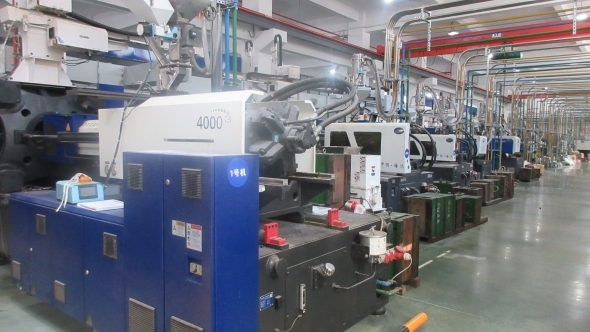
Equipped with high-precision fiber laser cutters, automated bending centers, and robotic welding arms, ensuring tolerances of less than 0.1mm for perfect fits and finishes.
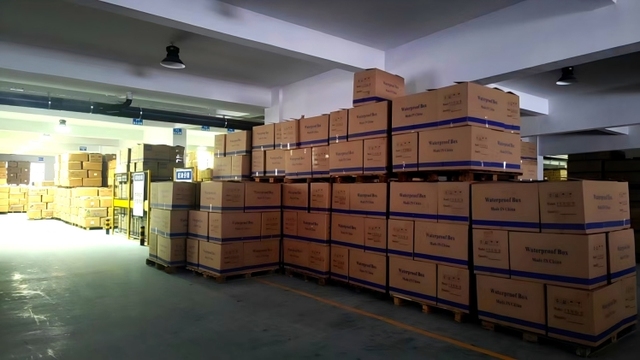
Located near Ningbo and Shanghai ports, our facility offers rapid shipping routes directly to major Japanese ports like Tokyo, Yokohama, Osaka, and Kobe, reducing lead times to 5-7 days.
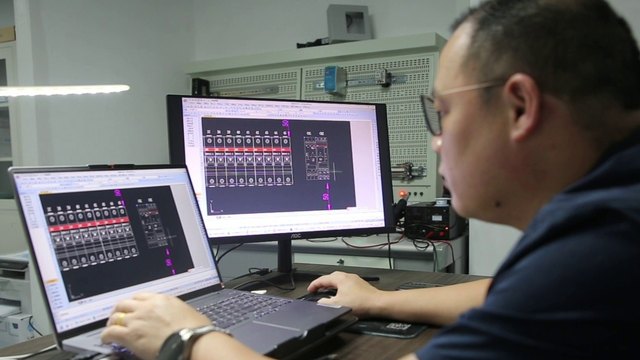
We supply customized design layouts, color variations (RAL colors), component integration (MCBs, MCCBs, SPDs, Smart meters), and custom packaging for the Japanese market.
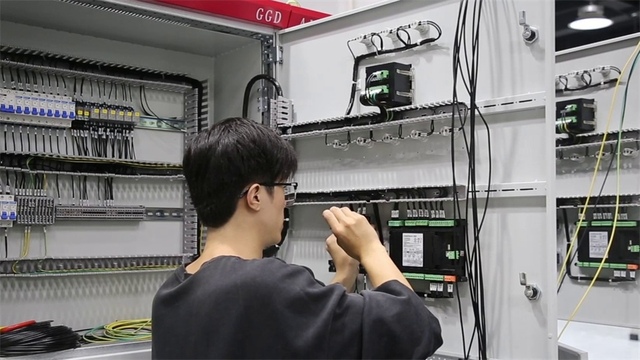
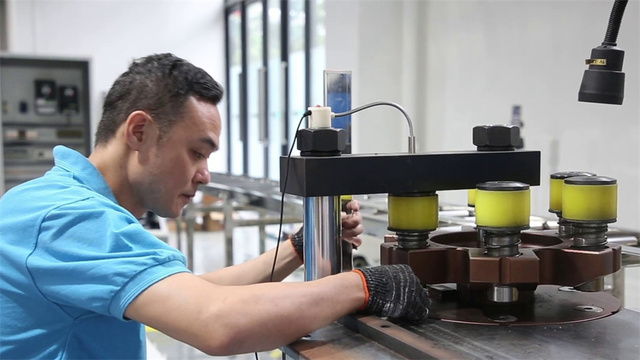
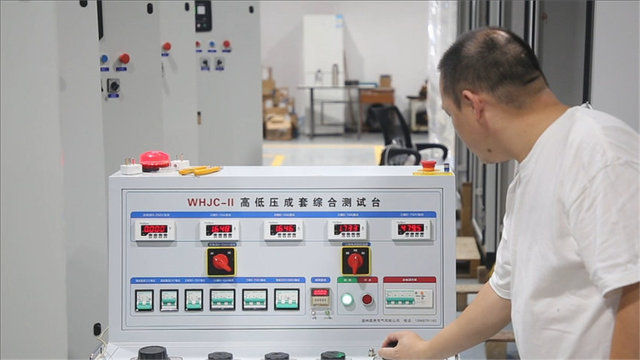
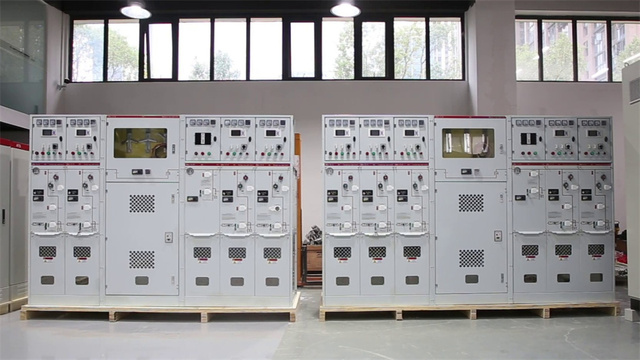
Engineered to integrate seamlessly with Japanese infrastructure projects, commercial facilities, and residential districts.
FIT/FIP solar combiner boxes featuring DC 1000V/1500V system capabilities, complete with surge protection devices (SPDs) and reliable DC circuit breakers designed for large-scale solar installations across Japan.
Marine-grade SUS304/SUS316 cabinets designed to survive extreme humidity and constant exposure to high salt content in Japanese port facilities, marine shipping terminals, and costal transport grids.
Low-voltage distribution panels customized with smart meters and IoT monitoring, matching the stringent aesthetics and reliable space limitations of Tokyo, Osaka, and Nagoya commercial properties.
How Hangzhou SN Electrical incorporates global technical transformations into our manufacturing processes.
Modern power distribution is shifting from static structures to dynamic, connected nodes in a smart grid system. Our new generation of outdoor cabinets can be integrated with smart temperature sensors, current transducers, and remote trip telemetry modules. This allows plant managers to monitor load profiles and interior temperatures in real-time, preventing grid overloads and avoiding costly downtime.
For the Japanese market, where human resources are increasingly limited due to demographic shifts, remote management and predictive maintenance systems are essential. By integrating advanced modular layouts, our distribution cabinets enable seamless integration with existing Japanese building management systems (BMS) and SCADA systems.
Global ESG regulations demand that electrical infrastructure must be produced with minimal environmental footprints and using completely non-toxic raw materials. In alignment with this goal, Hangzhou SN Electrical has switched to lead-free raw materials and eco-friendly powder coating technologies that release zero VOCs. Our steel and thermoplastic materials are fully recyclable, contributing to a circular economy model.
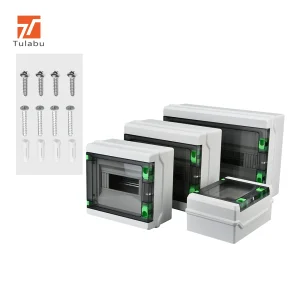
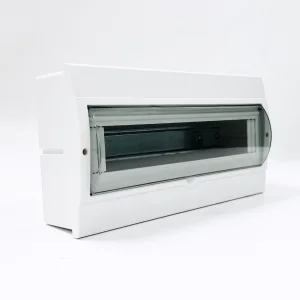
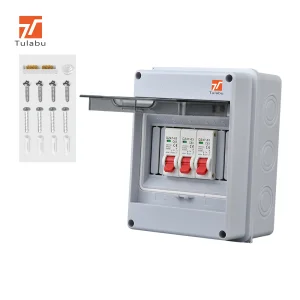
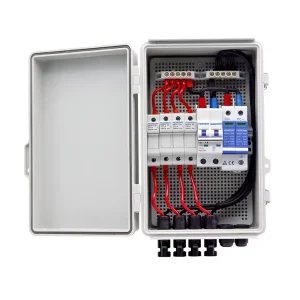
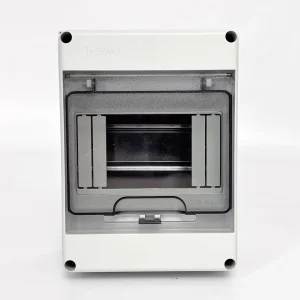
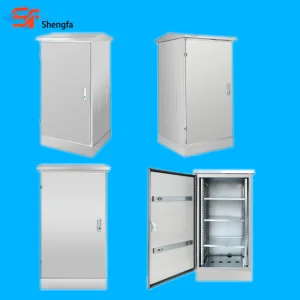
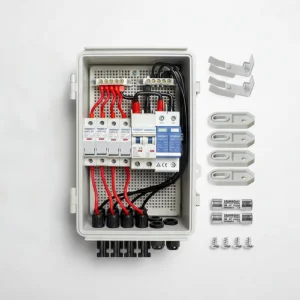
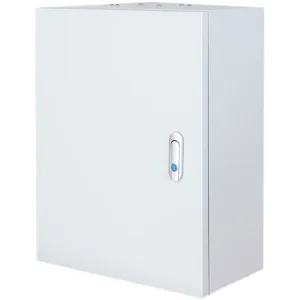
Examine our complete collection of outdoor power distribution boxes designed for international and Japanese B2B procurement specifications.
Ensure full compatibility and certification alignment before final shipment.
When purchasing power distribution boxes from overseas manufacturers, Japanese procurement managers must pay attention to key specifications to ensure seamless integration:
Answers to technical and logistics questions regarding the export of electrical distribution boxes to Japan.
 SN Electrical