SN Electrical
1. Global Market Imperatives in Electrical Circuit Protection
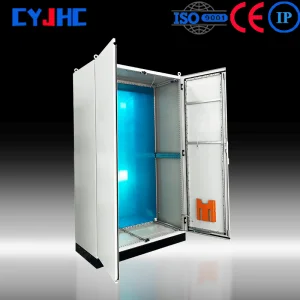
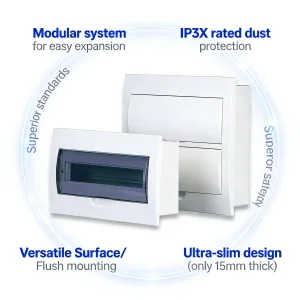
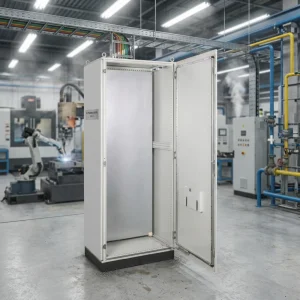
In modern industrial, commercial, and utility environments, the structural stability of the low-voltage electrical distribution network serves as the foundational backbone for overall operational continuity. Safe electricity distribution is no longer simply about holding components within basic sheet metal configurations. Today’s industrial landscape demands smart, adaptive, and highly resilient electrical circuit protection enclosures that are capable of shielding sensitive switches, circuit breakers, and control boards from increasingly severe external environments.
“As power grids evolve to integrate high-density renewable energy, EV charging complexes, and smart factory hubs, distribution equipment must be engineered for higher short-circuit limits, robust thermal dissipation, and absolute dust and moisture isolation.”
Organizations operating across Europe, North America, the Middle East, and Asia face unique environmental challenges. The selection of an enclosure and circuit protection partner must be guided by proven engineering methodologies. An electrical panel configuration must minimize down-time risk by mitigating heat buildup, avoiding galvanic corrosion, and maintaining structural rigidity against mechanical impact forces (IK ratings).
Hangzhou SN Electrical: Professional Low-Voltage Engineering
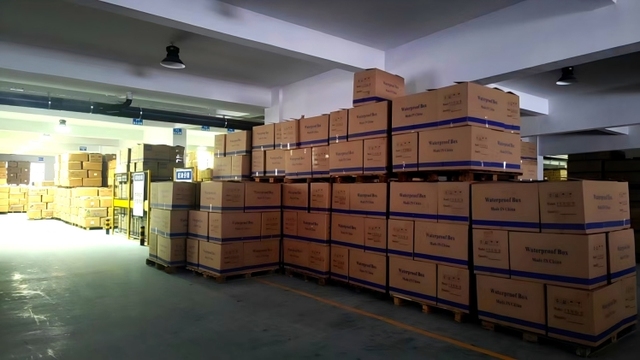
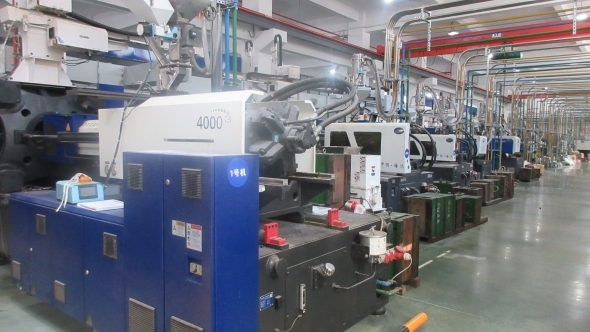
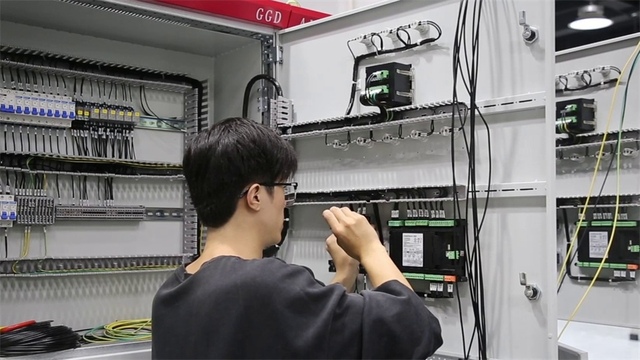
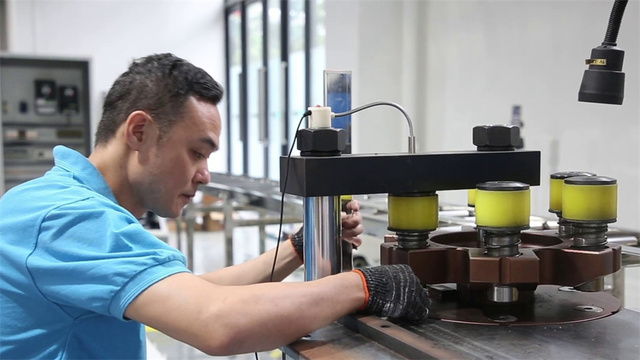
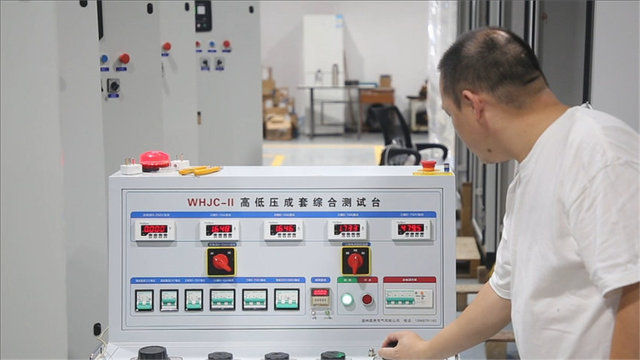
Hangzhou SN Electrical Co., Ltd. (established in 2011) has dedicated over a decade to resolving complex power management, structural sheet metal, and distribution problems. Operating out of a state-of-the-art 18,000 square meter production facility in Hangzhou, Zhejiang Province, China, SN Electrical utilizes an integrated workflow combining advanced product design, precision sheet metal fabrication, component assembly, and rigorous ISO-compliant testing procedures.
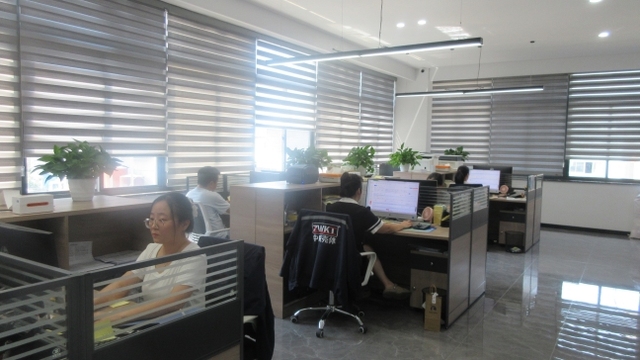
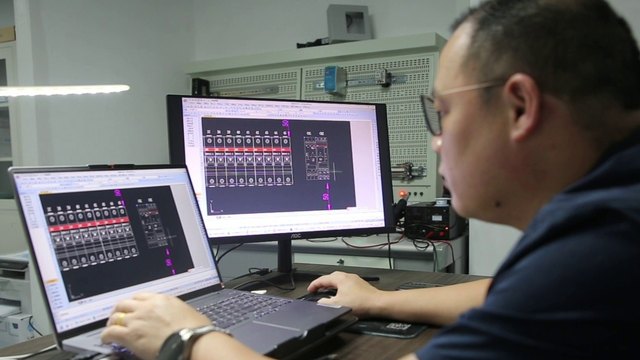
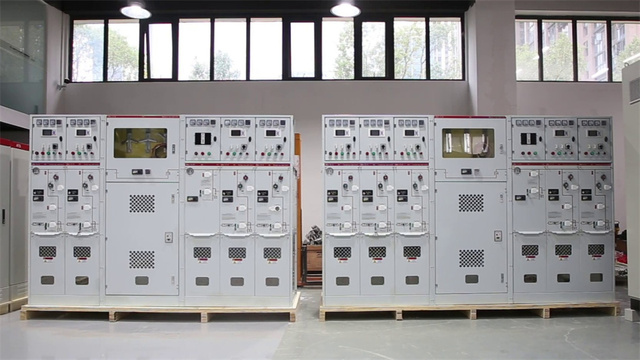
Equipped with a workforce of over 250 highly skilled operators and structural design engineers, the company provides customized OEM and ODM services. From basic low-voltage distribution boards to complex smart distribution enclosures and PV solar combiner systems, the primary focus is on maximizing protection factor, operational safety, and system lifecycle value.
2. Technical Architecture & Structural Materials Guide
Selecting the correct material type and enclosure geometry forms the base of any successful circuit protection system. Environmental challenges vary from interior factory rooms to marine coastal infrastructure. SN Electrical’s design engineering relies on a robust matrix of high-grade raw materials, designed for specific site requirements:
Thickened Galvanized Steel
Ideal for commercial building projects and low-to-medium risk industrial environments. Provides exceptional tensile strength, heavy mechanical impact resistance, and cost-efficient oxidation protection.
SUS304 & SUS316L Stainless Steel
Designed for chemical processing facilities, marine docks, offshore applications, and food processing plants. Offers high resistance to aggressive acids, chloride pitting, and chemical washdowns.
Engineered ABS & Polycarbonate
Used for lightweight installations and communication network terminals. Completely non-conductive (class II safety standard), corrosion-free, and highly resilient against UV radiation in solar farm layouts.
To ensure IP65 and IP66 ingress protection values under continuous loading conditions, we utilize high-precision CNC polyurethane foam sealing gasketing machines. This liquid-gasket application forms a seamless, resilient bond directly onto the metal enclosure margins, eliminating dry-seam leaks typical of manual rubber strip application. This ensures long-term dust-tight performance and resistance to powerful water jets.
3. Localization Applications & Environmental Engineering
Electrical circuit protection units must handle diverse environmental conditions around the world. Standard domestic cabinet designs often fail when deployed directly in foreign industrial landscapes without proper localization tuning.
Tropical and High-Humidity Operations
In regions such as Southeast Asia and Central America, ambient relative humidity can remain above 90% for months at a time. The combination of persistent heat and moisture leads to severe condensation issues inside enclosures, sparking electrical short circuits and insulation degradation. SN Electrical designs localized solutions with integrated anti-condensation heaters, precise thermodynamic ventilation paths, and specialized epoxy powder coatings that resist mold growth and metal pitting.
High-Altitude Photovoltaic Systems
Solar installations in mountainous terrains or arid desert plains encounter intense UV radiation and extreme day-to-night thermal swings. Enclosures like our *Solar Power Cable Branch Box with Anti UV Coating* and *PV Solar Combiner Panel* feature reflective, UV-stabilized exterior paints. These prevent internal temperatures from rising beyond safety thresholds, protecting sensitive fuse holders, DC isolators, and surge protection devices (SPDs) from thermal overload.
Coastal & Marine Infrastructure
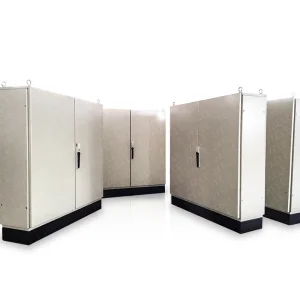
Salt aerosol deposition is highly corrosive to basic low-carbon steels. For coastal terminals and wastewater processing hubs, we supply custom-configured stainless steel wall-mounted and floor-standing cabinets. These designs use marine-grade hardware, continuous hinge welds, and sloping overhang roofs to shed corrosive salt spray and pooling rain, ensuring continuous power distribution in aggressive environments.
4. China Factory Supply Chain Resilience & Cost-Efficiency
Maintaining stable production costs and reliable delivery windows is critical in global industrial procurement. SN Electrical's operations in Hangzhou capitalize on several strategic structural advantages:
- Integrated Sheet Metal Processing Ecosystem: Located within Zhejiang’s manufacturing cluster, we have direct access to high-grade steel mills and custom component suppliers, dramatically lowering raw material shipping costs and cycle times.
- Automation & High-Precision Machinery: By utilizing automated multi-axis fiber laser cutting machines, high-speed CNC turret punches, and automated robotic bending cells, we achieve dimensional tolerances of less than 0.1 mm, ensuring structural consistency across massive production runs.
- In-house Finishing & Assembly: Our automated powder-coating lines apply uniform chemical pre-treatment and electrostatic dry-powder applications, providing scratch-resistant, durable finishes in compliance with international salt-spray testing standards.
- Geographical and Logistic Edge: With proximity to both Shanghai and Ningbo-Zhoushan ports (two of the busiest deep-water ocean terminals worldwide), we guarantee flexible, cost-effective shipping options to cover North America, Europe, the Middle East, and beyond.
| Parameters | Standard Commercial Box | SN Electrical Industrial Box | Engineering Purpose |
|---|---|---|---|
| Material Thickness | 1.0 mm - 1.2 mm | 1.5 mm - 3.0 mm (Customizable) | Structural safety under dynamic load |
| Ingress Protection | IP30 - IP44 | IP54, IP55, IP65, IP66 (Certified) | Complete protection against dust & water jets |
| Gasket Tech | Manual Rubber Strips | CNC Polyurethane Foaming | Long-term sealing durability, zero seams |
| Surface Protection | Basic spray paint | Electrostatic Epoxy Powder Coat | Corrosion resistance (Up to 720hr salt spray) |
5. Technical Roadmap & Future Outlook
The transition toward Industry 4.0, decentralized smart grids, and microgeneration calls for a shift in enclosure design philosophy. Circuit protection systems are evolving from static metal boxes into intelligent, communicative nodes within the wider factory internet-of-things (IoT) ecosystem.
SN Electrical is actively pursuing a technical roadmap defined by three core pillars:
I. Smart Sensing and Thermal Monitoring
Future high-voltage and low-voltage distribution panels are increasingly fitted with integrated thermal sensors, wireless current transformers, and busbar temperature monitoring arrays. These systems alert facilities operators via cloud interfaces before a critical connection fails or triggers a fire hazard, migrating maintenance operations from reactive to predictive.
II. Modular Structural Engineering
To reduce shipping costs and speed up onsite installations, modular assembly systems like our *Customized 9-Folded Metal Electric Control Cabinet Flat Packing Power Distribution Box* are taking center stage. Flat-pack designs allow international logistics to utilize container volume efficiently, reducing ocean freight costs, while the 9-folded profile design ensures structural rigidity when assembled on-site.
III. Eco-Friendly Sustainable Materials
In line with global decarbonization goals, we are actively implementing chrome-free surface pre-treatment methods and increasing the share of recycled steel and halogen-free thermoplastics in our ABS product lines. This reduces the embedded carbon footprint of our client systems without sacrificing mechanical strength or electrical isolation properties.
6. Localization Support, Certifications, and Compliance
Operating as a global OEM/ODM manufacturer means understanding the intricate standards and compliance certifications required for different installation sites:
- IEC 61439-1 & 2 Compliance: The global standard for low-voltage switchgear and controlgear assemblies, guaranteeing thermal, short-circuit, and mechanical reliability.
- CE Mark: Essential for EU installations, verifying that our enclosures meet strict safety and environmental standards.
- GB Standards: Ensuring full compatibility with Chinese infrastructure requirements and industrial facilities.
- NEMA / UL Classification: Customized panel enclosures designed with materials and sealing characteristics matching NEMA 3R, 4, 4X, and 12 requirements for North American clients.