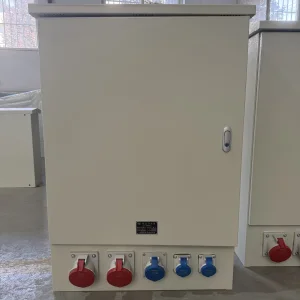
Explore our high-performance power distribution enclosures, smart cabinets, and waterproof electrical junction boards engineered to global standards.
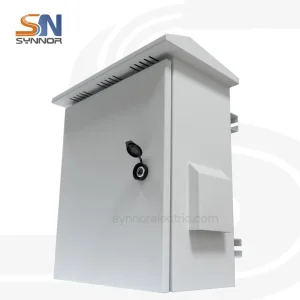
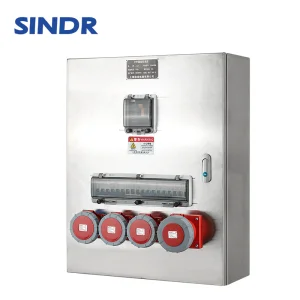
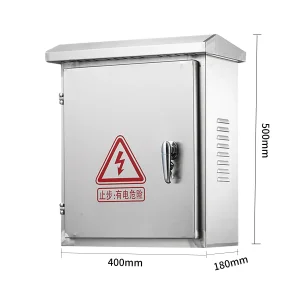
The global industrial and commercial infrastructure landscape is undergoing a massive shift towards automation, decentralized energy generation, and intelligent power management. In this environment, generic, off-the-shelf electrical distribution systems no longer meet the stringent requirements of modern engineering projects. Custom electrical solutions have transformed from a luxury service to a baseline necessity for critical installations.
Today, customized electrical switchgear, low-voltage distribution boards, and modular enclosure solutions represent a multi-billion dollar market. Manufacturers across North America, Europe, and Asia-Pacific are racing to integrate advanced hardware options that adapt to localized voltage profiles, environmental stresses, and space constraints. Heavy industries such as mining, petrochemicals, marine engineering, and urban utilities demand bespoke cabinet structures that ensure continuous system uptime while maintaining strict safety barriers for on-site personnel.
Sqm Production Facility
Skilled Technicians & Engineers
Global Safety Certifications
Exporting Destinations
Explore the technology vector pushing low-voltage equipment and switchgear systems towards smart grid compatibility.
Modern distribution boards now incorporate IoT nodes that measure thermal load, current variations, and insulation degradation to prevent outages before they happen.
High-salinity marine environments and heavy industrial zones use grade 304 or 316 stainless steel combined with electrostatic powder coatings to secure a 20+ year lifespan.
Adhering to strict low-carbon footprints, manufacturers deploy non-toxic polymers and recyclable raw steel assemblies to lower the environmental footprint of heavy electrical boards.
Established in 2011, Hangzhou SN Electrical Co., Ltd. stands as a benchmark manufacturer in the low-voltage electrical distribution system industry. Located in Hangzhou, Zhejiang Province, the enterprise enjoys excellent connectivity to major international shipping routes, helping them support custom design demands around the globe.
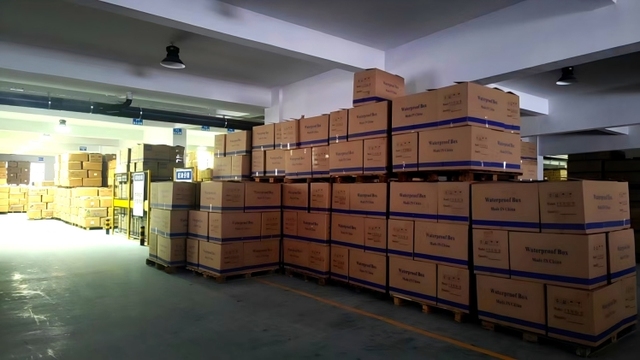
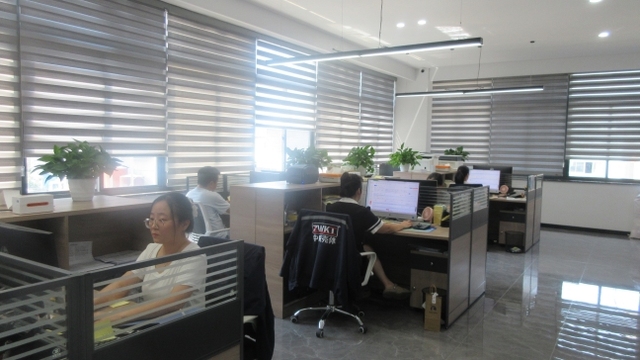
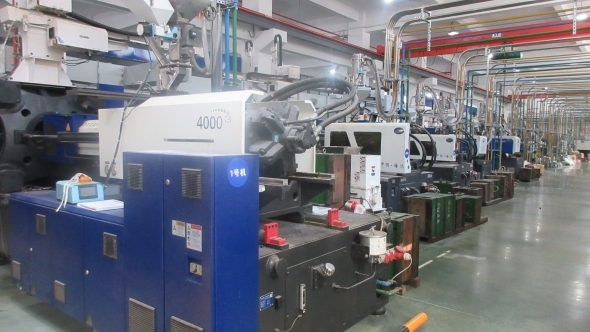
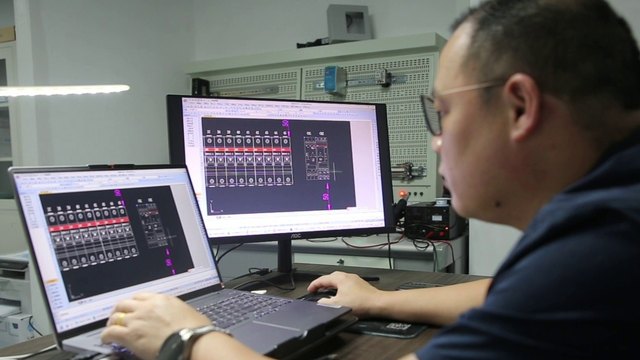
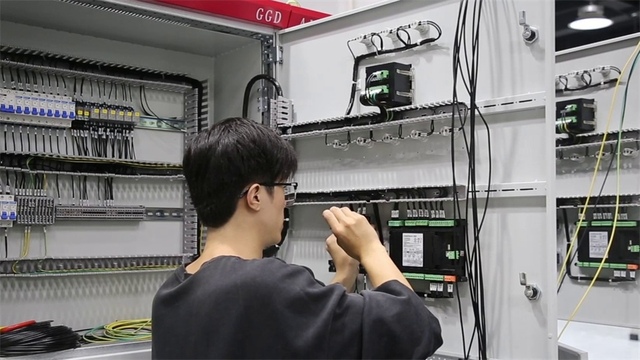
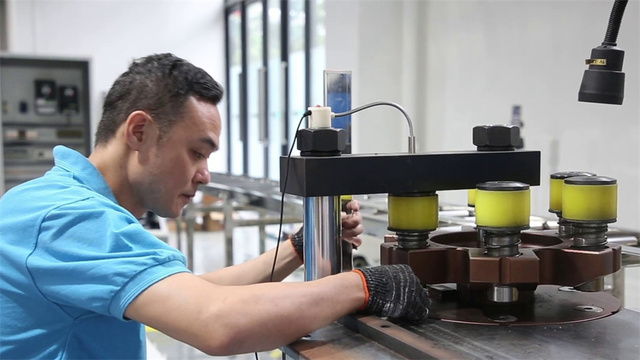
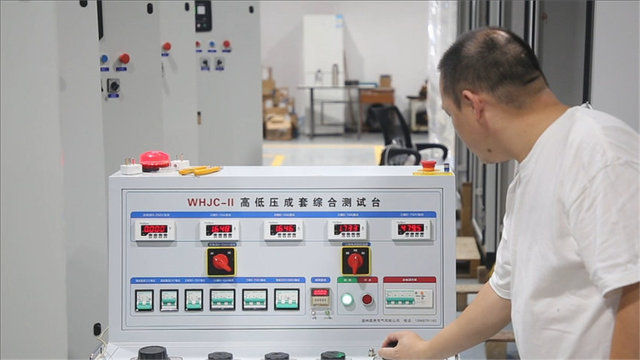
With an production facility exceeding 18,000 square meters and a workforce of 250+ dedicated production specialists, SN Electrical coordinates design, precision metal fabrication, components assembly, testing, and shipping quality control into a seamless pipeline. Through heavy investments in automation, they ensure every distribution cabinet, steel panel box, and switchboard matches international electrical standards (IEC, UL, and GB).
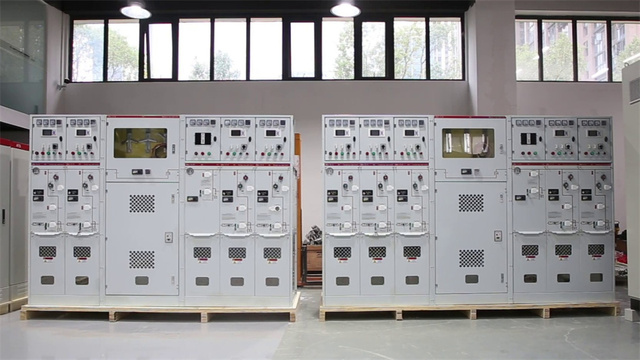
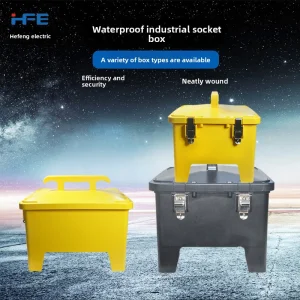
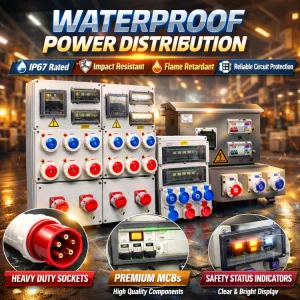
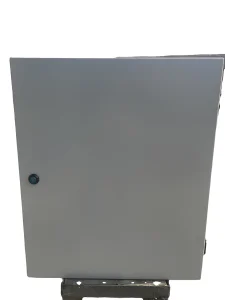
In high-dust, high-impact industrial operations such as mining, deep excavating, or temporary municipal construction, reliable energy delivery is critical. Standard cabinets often buckle under vibration, mechanical impact, and particulate infiltration. The solution lies in customized, transportable power boards that feature heavy-gauge cold-rolled steel or cast aluminum structures. Advanced polyurethane gaskets are injected into the frame seals to achieve strict IP65 or IP67 ratings, ensuring complete protection from moisture, dust, and water jets.
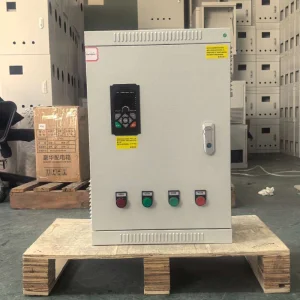
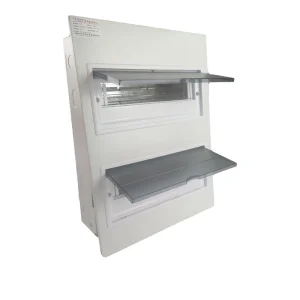
In massive commercial complexes, residential sectors, and multi-tenant high-rises, distribution space is limited. Modular, flush-mounted distribution systems (such as the classic PZ30 low-voltage cabinet design) are configured specifically for space optimization. They fit into tight electrical closets or shallow wall cutouts while providing neat wiring channels for hundreds of sub-circuits. Custom layout configurations ensure that meter sockets, miniature circuit breakers (MCBs), residual current devices (RCDs), and surge protectors fit neatly side-by-side with clear circuit labels for maintenance technicians.
Petrochemical processing plants, milling operations, and gas refuelling stations pose extreme combustion risks. Normal electrical sparks from switching components can trigger disastrous events. Top-tier custom manufacturers address this by offering explosion-proof cast aluminum alloy or high-tensile steel distribution boxes. These enclosures are specifically engineered to contain internal combustion, preventing any flame or high-heat energy from breaching the enclosure and contacting volatile chemical compounds in the surrounding atmosphere.
An overview of the materials, process choices, and design standards behind high-reliability customized electrical systems.
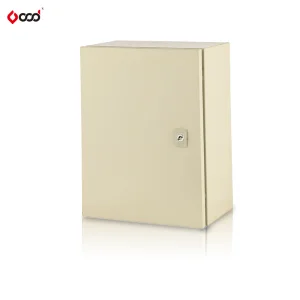
The strength of a custom enclosure starts with high-speed CNC laser cutters, precise hydraulic press brakes, and automated robotic welding. Standard sheet thickness values range from 1.2mm to 2.5mm depending on the target installation environment. For outdoor utility and sub-grade marine work, grade 304 or marine-grade 316 stainless steel is specified to resist chloride-induced pitting corrosion. For light-duty indoor commercial needs, electro-galvanized steel sheets covered with standard RAL-colored epoxy powder coatings provide a clean, cost-efficient finish.
Inside the enclosure, the arrangement of copper busbars, modular terminal blocks, din-rails, and protective ventilation units must be carefully calculated to prevent heat build-up. Thermal modeling software maps out the convective airflow paths, ensuring the localized heat generated by full-load breakers is effectively dissipated. Standard tests verify dielectric strength, insulation resistance, ground continuity, and compliance with the IEC 61439-1/-2 standard, guaranteeing field safety and system longevity.
Comparing structural properties, environmental ratings, and deployment guidelines for key distribution cabinets.
Technical guidance and design advice from our power engineering and quality compliance specialists.
Engineers must first evaluate the target installation's Ingress Protection (IP) rating to defend against water and dust, solar thermal radiation loads (which may require ventilation louvers or heat sinks), the ambient corrosive environment (determining if SUS304 or SUS316 is necessary), and specific electrical loads to ensure safety breakers operate within target temperature margins.
SN Electrical uses a modern testing suite, verifying grounding continuity, voltage insulation limits, high-temperature operation limits, and water-resistance. All production runs align with standard IEC frameworks for European markets, UL benchmarks for North American distribution networks, and CCC guidelines for domestic installations.
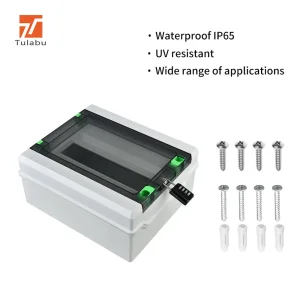
High-power switches, power supplies, and terminal connectors generate heat when running at full capacity. Within an airtight, sealed IP65 box, this heat can build up quickly, causing breaker degradation, nuisance tripping, and component failures. Custom setups include venting valves or integrated cooling fins to maintain safe internal temperatures.
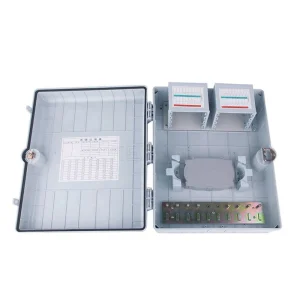
For fiber optic applications, enclosures include custom splice trays, fiber bend radius control components, cable entry glands, and mounting options for backup power batteries. This maintains signal integrity and protects fragile fiber lines from outdoor temperature shifts and environmental stresses.
Browse our complete catalog of industrial-grade electrical assemblies, heavy-duty switchgear cabinets, and specialized modular junction components.
 SN Electrical