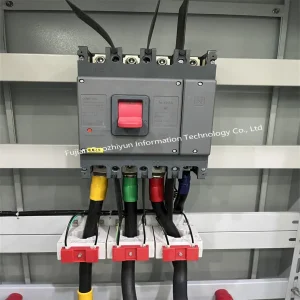
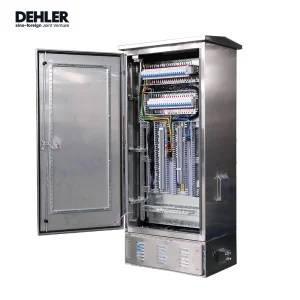
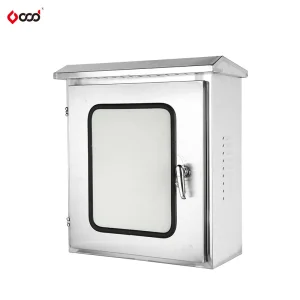
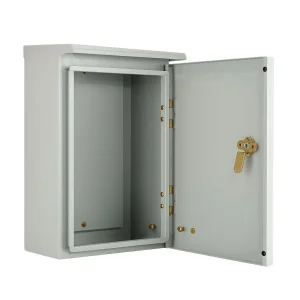
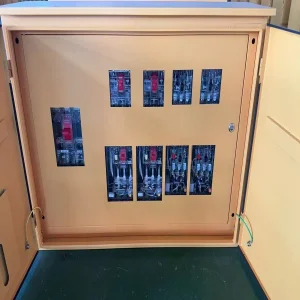
High-performance IP-rated distribution boxes, circuit breakers, and heavy-duty industrial enclosures engineered to protect advanced smart meters and power distribution grids globally.
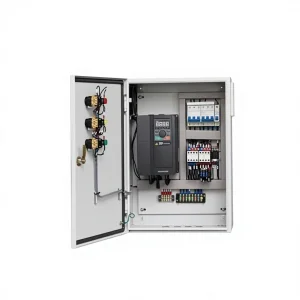
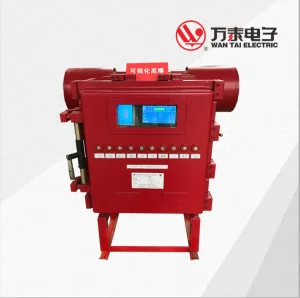
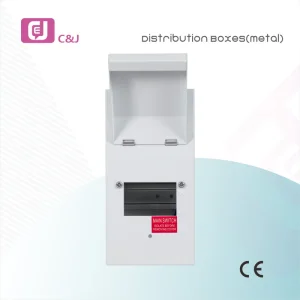
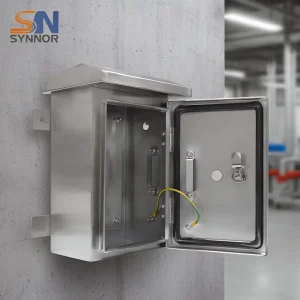
The shift from traditional grid infrastructures to smart, decentralized power grids is driving massive innovation in utility management. At the heart of this grid modernization is Advanced Metering Infrastructure (AMI). Unlike automated meter reading (AMR), which simply transmits consumption data one-way, AMI is a unified, bidirectional communication architecture. It connects smart utility meters, communication networks, data management repositories, and control mechanisms to optimize grid performance, support time-based rate structures, and provide real-time information to both utilities and end-users.
However, the focus of AMI implementation is often skewed towards soft-tech elements—communication protocols, metrology software, and machine learning modules. An frequently overlooked but highly critical component is the hardware containerization and distribution system. High-precision AMI system nodes must operate continuously under harsh external conditions: exposure to high levels of UV radiation, sub-zero winters, extreme desert heat, humidity, dust, and security threats like power theft and vandalism.
According to Search Quality Guidelines & E-E-A-T Standards: A resilient grid starts with physical structural integrity. High-voltage vacuum distribution units, MCCB stainless steel boxes, and IP66-certified custom metal enclosures act as the physical protective layer of AMI nodes. If the enclosure fails, the entire IoT network goes offline, costing utilities millions in manual replacements and unplanned downtime.
When deploying smart grids, utility managers must evaluate manufacturers based on their ability to build enclosures that host communication modules (e.g., GPRS, RF Mesh, PLC, NB-IoT) and power electronics. These systems require specific certifications and material capabilities:
Analyzing the global market for AMI hardware fabrication reveals clear leaders based on engineering capacity, material innovation, and logistical volume. These top manufacturers provide the baseline for modern smart grid rollouts:
Global leader in energy management and automation. Renowned for structural switchgears and large-scale industrial smart metering infrastructure integrations.
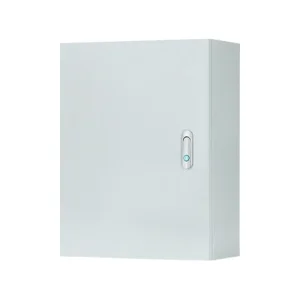
Recognized for premium sheet metal modular enclosure units, featuring exceptional cooling systems and international standardization certificates.
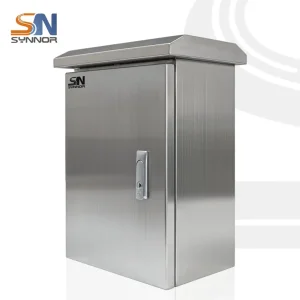
China's leading specialized OEM/ODM manufacturer of distribution boxes and enclosures. Operates an 18,000+ sqm precision facility offering fully customized, cost-efficient solutions for utility networks.
Provides highly engineered electrical components and high-protection enclosures built for challenging smart grid systems.
Focuses on substation digitalization and comprehensive grid components that house high-voltage and medium-voltage AMI systems.
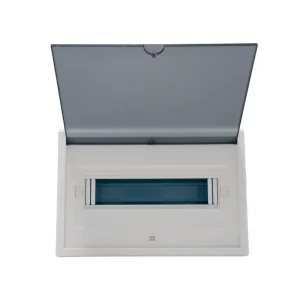
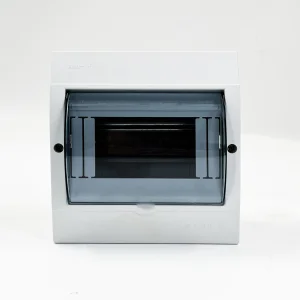
Delivers safe power distribution infrastructure, focusing on circuit breaker technology integration and heavy-duty structural boxes.
Other notable manufacturers shaping the industry include Legrand (specialized in commercial consumer units), Hoffman Enclosures (robust outdoor environmental security boxes), Roxtec (high-efficiency seal integration systems for AMI cable management), and Fibox (leading-edge polycarbonate and plastic instrumentation enclosures).
Established in 2011, Hangzhou SN Electrical Co., Ltd. has carved out a strategic position in the AMI hardware sector. Operating from an expansive, technologically advanced production footprint in Zhejiang Province, China, the company bridges the gap between high-level Western safety certifications and rapid Chinese manufacturing scaling.
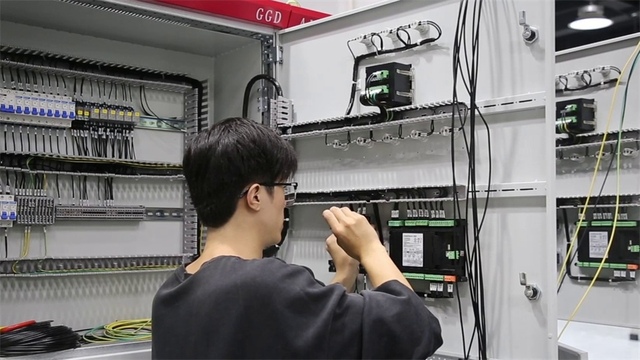
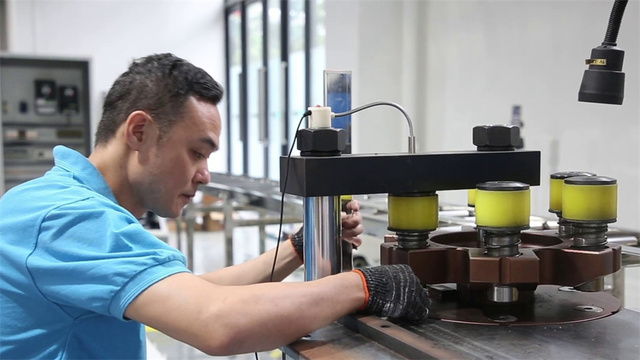
By integrating sheet metal fabrication, precision laser cutting, CNC bending, automatic powder coating, and final electronics/breaker assembly within their own facility, SN Electrical minimizes supply chain delays. Their team of over 250 electrical specialists designs systems capable of withstanding the world's most challenging outdoor environments—ranging from the high-salinity marine coasts of Southeast Asia to the extreme temperatures of the Middle East.
As utilities scale up AMI rollouts to hundreds of thousands of node sites, procurement cost, speed, and customization become critical. Chinese factories, led by clusters in Zhejiang and Guangdong, present distinct competitive advantages for global utility buyers:
Proximity to leading steel, stainless steel, and copper refineries allows factories like SN Electrical to secure high-grade materials at stable rates, buffering buyers against global price fluctuations.
Utilizing high-speed CNC punching, robotic welding lines, and automated powder coating processes ensures repeatability and mechanical precision, keeping error rates below 100 PPM (Parts Per Million).
Unlike rigid mass-producers, Chinese partners excel in engineering custom sizing, specific window layouts, ventilation configurations, and pre-integrated electrical accessories tailored to project-specific requirements.
To qualify an AMI enclosure manufacturer, global procurement teams typically run rigorous verification matrices. Modern systems require more than just an empty steel box; they demand fully certified components:
Grid hardware compliance varies significantly by geographic region. A single design cannot be deployed universally without localization adjustments:
North America (NEMA Standards): Focuses on NEMA 3R, 4, or 4X standards, requiring specific anti-corrosive finishes (usually Grade 304 or 316 stainless steel) and specialized locking mechanisms to prevent legal liability and unauthorized access.
Europe (IEC & CE Mark): Demands rigorous compliance with IEC 62208 (empty enclosures for low-voltage switchgear assemblies) and CE marking, prioritizing earth bonding safety, eco-friendly powder coatings, and recyclable materials.
Middle East & Africa (Extreme Thermal Stress): Requires double-layered solar shield canopies, high UV-resistant coatings (Qualicoat Class 2 or similar), and specialized ventilation structures designed to block dust while facilitating hot air extraction.
The future of AMI is moving rapidly toward intelligent edge processing. Next-generation enclosures will not only house basic meters but will also incorporate grid-edge computers, battery energy storage system (BESS) controls, and direct interfaces for EV charging infrastructure.
To meet these needs, manufacturers are shifting toward hybrid metal-composite designs, embedding low-profile smart cooling systems, and integrating intelligent mechanical locks. These locks can be audited and opened via wireless Bluetooth keys, creating a physical audit trail for utility field technicians.
Key technical questions and considerations for utility engineers, project managers, and distribution system buyers.
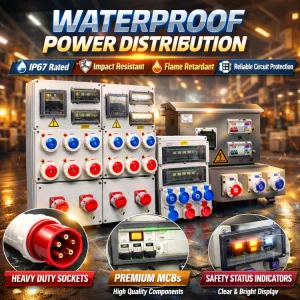
Heavy-duty modular units, waterproof socket configurations, and high-impact structural boxes engineered for international grid compliance.
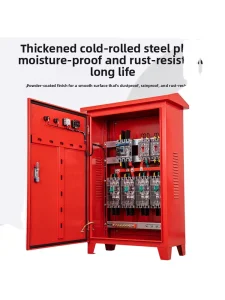
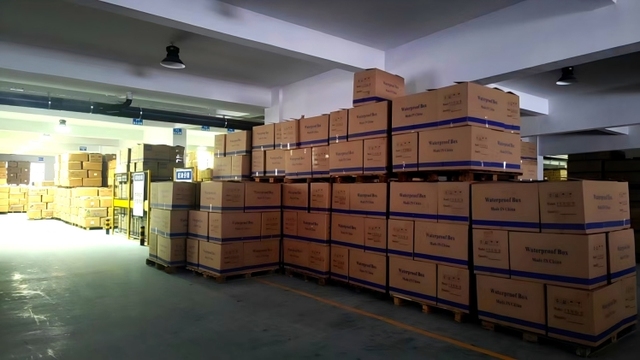
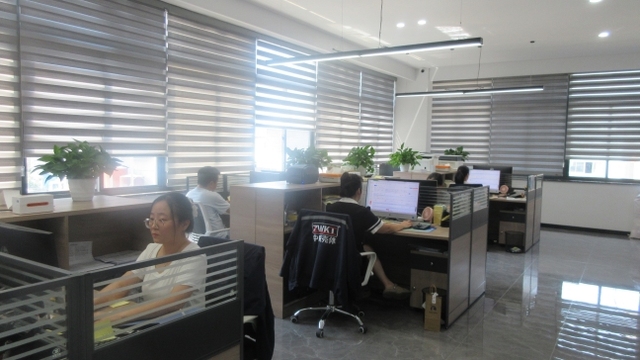
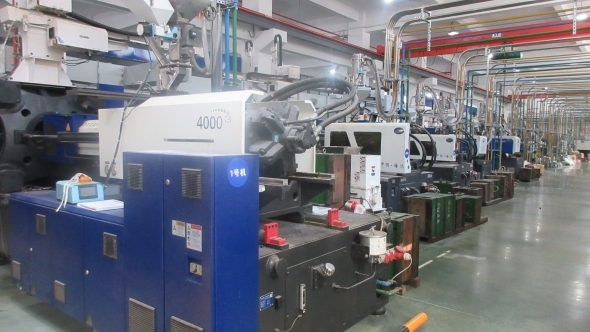
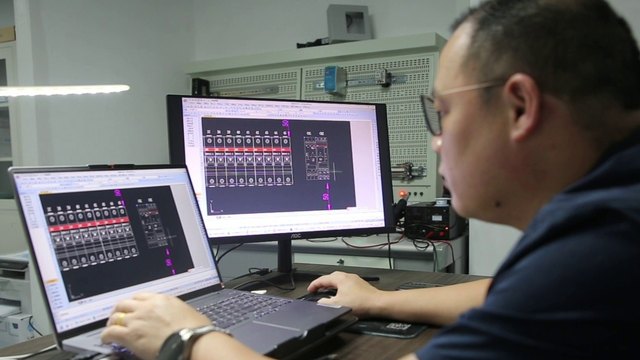
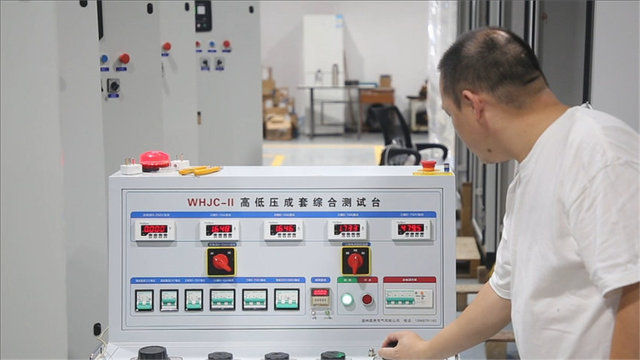
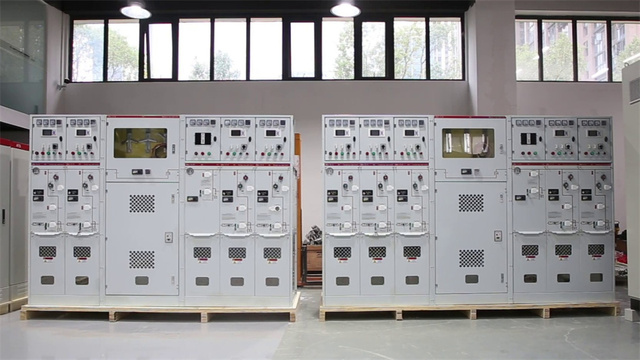
Take a look inside Hangzhou SN Electrical Co., Ltd.’s 18,000 square meter plant, featuring advanced machinery, precise CNC laser cutting, and automated powder coating processes.
 SN Electrical