Power distribution boxes are crucial in managing electrical systems safely. They protect circuits from overload and short circuits. Dr. Emily Carter, a leading expert in electrical engineering, states, "Proper circuit protection in power distribution boxes is essential to prevent catastrophic failures." This quote highlights the importance of circuit protection.
Understanding why do power distribution boxes need circuit protection is vital for industry safety. Power distribution boxes manage electrical loads, minimizing risks of fire and equipment damage. Without adequate circuit protection, systems can face severe risks. Overvoltage, for instance, might lead to equipment failure or even fires.
Real-world scenarios illustrate these risks. A factory without proper circuit protection suffered major losses due to an electrical short circuit. Such incidents emphasize the need for robust protective measures. Circuit protection not only safeguards equipment but also enhances overall system reliability. By investing in these protections, companies can avoid significant downtime and costly repairs. It’s clear that circuit protection is not just an option—it’s a necessity.
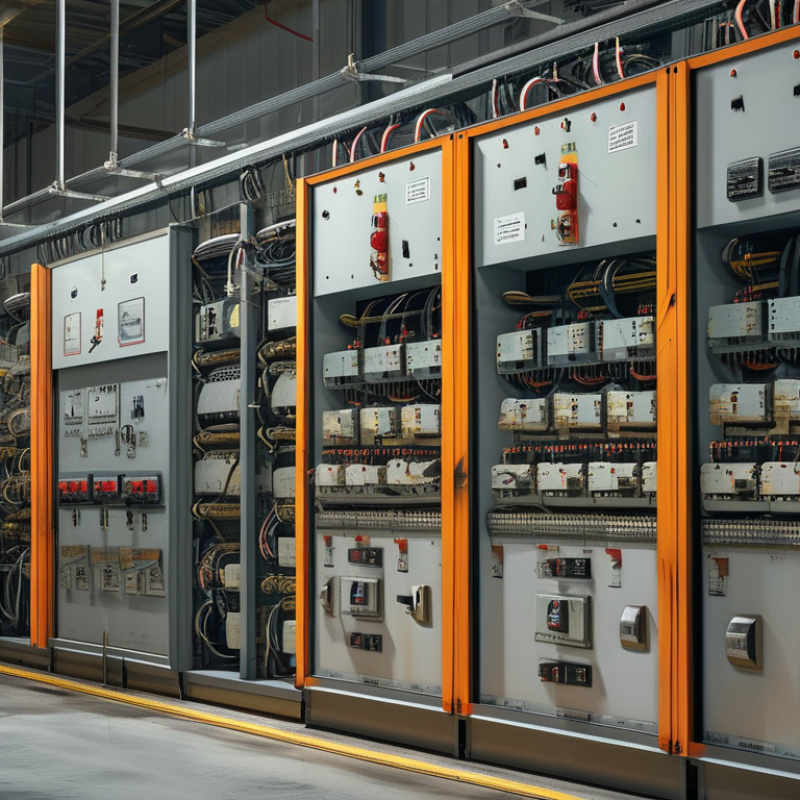
Importance of Circuit Protection in Power Distribution Boxes
Power distribution boxes play a crucial role in electrical systems. They distribute power safely and efficiently. However, without proper circuit protection, they become vulnerable. Overloads, short circuits, and electrical faults can lead to significant risks. This is where circuit protection becomes essential. It safeguards the entire system from potential damage and enhances reliability.
Circuit protection devices, such as fuses and circuit breakers, act as the first line of defense. They detect abnormal conditions and interrupt the circuit flow. This prevents fires and equipment damage. In addition, modern circuit protection solutions can improve operational efficiency. They offer features like remote monitoring and fault diagnostics. This information helps in identifying issues before they escalate.
Despite their importance, not all power distribution boxes come equipped with adequate protection. Some may lack the necessary devices, exposing users to risks. A thorough assessment of existing systems is crucial. Investing in proper circuit protection could lead to long-term savings. It minimizes downtime and costly repairs. Ignoring this aspect can result in avoidable catastrophes. Reflecting on these elements is vital for safe power management.
Common Risks Faced by Unprotected Power Distribution Systems
Unprotected power distribution systems face significant risks that can disrupt operations and create hazards.
Overcurrent events can lead to overheating, potentially causing fires or equipment failures.
Short circuits may occur unexpectedly, resulting in equipment damage and costly repairs.
These issues can compromise system reliability, leading to prolonged downtimes.
Voltage surges are another common risk for unprotected systems.
Lightning strikes and grid fluctuations can cause spikes that damage sensitive equipment.
Without circuit protection, the financial impact of these failures can be substantial.
Moreover, human safety is at stake.
Exposed wiring or equipment failures can pose serious threats to personnel working in proximity.
Regular maintenance often reveals vulnerabilities in existing systems.
Many companies overlook small signs of wear and tear.
This neglect can culminate in disastrous outcomes.
It's crucial to prioritize circuit protection in power distribution boxes.
Implementing protective measures ensures better safety and enhances device longevity.
A proactive approach not only mitigates risks but also fosters a culture of safety and responsibility within the organization.
How Circuit Protection Enhances Safety and Reliability
In the world of electrical engineering, the importance of circuit protection within power distribution boxes cannot be overstated.
Circuit protection devices, such as fuses and circuit breakers, play a vital role in ensuring the safety of electrical systems.
According to a report from the National Fire Protection Association (NFPA), electrical failures account for approximately 13% of all structural fires.
Therefore, having adequate circuit protection is critical to reduce these risks and enhance safety and reliability.
Implementing circuit protection not only prevents fires but also safeguards equipment from damage.
A case study by the Electrical Safety Foundation International found that 62% of electrical equipment failures were linked to overcurrents.
This highlights the need for effective protection mechanisms that can detect abnormal conditions and act rapidly.
By doing so, these devices minimize downtime and repair costs, improving overall operational efficiency.
Tip: Regularly inspect and maintain circuit protection devices to ensure their reliability and functionality.
A proactive approach helps identify potential issues before they escalate.
Another tip is to educate staff about the importance of circuit protection and safe practices when handling electrical systems.
Understanding the devices' role in safety can lead to a more cautious and aware work environment.
Types of Circuit Protection Devices for Distribution Boxes
Power distribution boxes are essential in managing and distributing electrical power safely. Circuit protection devices play a vital role in ensuring their effectiveness. These devices help prevent damage from overloads, short circuits, and electrical faults. According to the National Fire Protection Association (NFPA), equipment failure accounts for nearly 25% of electrical fires, highlighting the importance of circuit protection.
Common types of circuit protection devices include fuses, circuit breakers, and surge protection devices. Fuses offer a simple, reliable way to safeguard against overload. They melt when current exceeds safe levels, breaking the circuit. Circuit breakers, on the other hand, can be reset after tripping, making them a more convenient option. Surge protection devices protect against voltage spikes, which can damage sensitive equipment. According to a study by the Electric Power Research Institute, implementing surge protection can reduce equipment failure by up to 60%.
While various protection devices exist, the ideal choice often depends on the specific application. It's crucial to assess the power distribution needs and environmental conditions. Circuit protection must adapt to evolving technologies. Not every installation considers the latest standards. Regular assessments and updates are necessary to ensure continued safety and efficiency.
Top 10 Reasons Why Power Distribution Boxes Need Circuit Protection
Cost-Effectiveness of Investing in Circuit Protection Solutions
Investing in circuit protection solutions is essential for effective power distribution. These solutions prevent equipment damage and reduce downtime. The cost-effectiveness comes into play when evaluating potential losses due to equipment failure. A protective device can save companies thousands in repairs or replacements. So, spending upfront on these solutions often pays off.
Tips for businesses: Regularly assess your circuit protection needs. This involves understanding your equipment’s requirements. Evaluate your current systems for vulnerabilities. A small investment now can lead to significant savings later. When circuit protection fails, it can lead to operational chaos. Identifying areas for protection is crucial.
Another tip: Plan for different environments. Not all settings are the same. Corrosive environments may require specialized protection. Make sure your solutions are suited for your specific conditions. Over time, the reliability of your systems improves with proper circuit protection in place. It reduces the risk of accidents and enhances safety. Consider it not just an expense, but an investment in operational integrity.
FAQS
: Circuit protection safeguards against overloads, short circuits, and faults, enhancing safety and system reliability.
Common devices include fuses and circuit breakers, which detect problems and interrupt circuit flow.
They interrupt the circuit during abnormal conditions, minimizing the risk of electrical fires and equipment damage.
Conduct a thorough assessment and consider investing in proper circuit protection devices to reduce risks.
Modern solutions offer remote monitoring and diagnostics, helping identify issues early and minimizing downtime.
Approximately 13% of all structural fires result from electrical failures, highlighting the need for effective circuit protection.
Regular maintenance ensures reliability and functionality, helping to identify potential issues before they escalate.
Ignoring circuit protection can lead to costly repairs and safety hazards, potentially resulting in serious incidents.
Educating staff about circuit protection helps create a more aware work environment, promoting safe handling practices.
No, ongoing inspection and maintenance are crucial to ensure the effectiveness of circuit protection over time.
Conclusion
Power distribution boxes are critical components in electrical systems, and understanding why do power distribution boxes need circuit protection is essential for ensuring both safety and reliability. Circuit protection plays a vital role by preventing common risks such as overloads, short circuits, and equipment failures that can arise in unprotected systems. By incorporating circuit protection devices, the safety of electrical infrastructure is enhanced, minimizing the risk of fire hazards and equipment damage.
Moreover, circuit protection solutions not only bolster safety but also contribute to the long-term cost-effectiveness of power distribution systems. Investing in appropriate circuit protection devices can mitigate potential losses from equipment failure and downtime, ultimately leading to greater operational efficiency. In summary, integrating circuit protection into power distribution boxes is a fundamental step to safeguarding electrical systems while ensuring their reliable performance.

 SN Electrical