Sizing a power distribution box correctly is crucial for optimal electrical system performance. According to the National Electrical Manufacturers Association (NEMA), improper sizing can lead to overheating and even system failures. David Walker, a leading expert in electrical distribution systems, states, “Understanding how to size a power distribution box correctly can safeguard both equipment and human resources.”
For many engineers, having the right size distribution box can be a complex challenge. The right specifications not only enhance safety but also improve efficiency. The process requires identifying load requirements and considering future expansions. Achieving the perfect balance is essential, yet many struggle with these calculations, risking both financial and operational setbacks.
While resources are available, reliance on generic formulas may lead to inaccuracies. Personal experience and case studies play a vital role in making informed decisions. Attention to detail is necessary when determining the correct sizing. Reflecting on past mistakes can foster improvements for future projects and lead to better, safer electrical infrastructures.
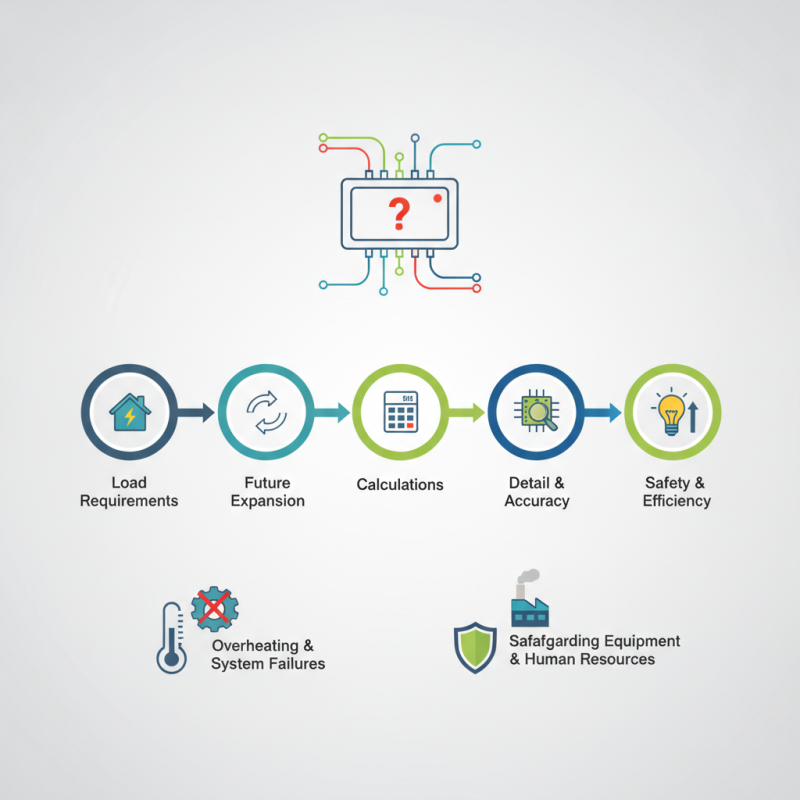
A power distribution box is essential for effective electrical management. It organizes and distributes electrical power to various circuits. Understanding its purpose helps you make informed decisions about sizing and installation.
Power distribution boxes protect your electrical system. They prevent overloading and ensure safe operation. By managing voltage and current flow, these boxes minimize risks. When properly sized, they provide optimal performance. However, many users often underestimate their importance. This leads to inadequate protection and potential hazards.
An incorrectly sized box can result in frustration. You might find yourself dealing with frequent tripping circuits or even equipment damage. Reflecting on your electrical needs is crucial. Analyze your load requirements, as this helps avoid mistakes. Remember, a well-chosen power distribution box enhances safety and efficiency.
Assessing the electrical load requirements is a critical step in sizing a power distribution box. Start by calculating the total wattage of all equipment you plan to power. This includes lights, motors, and any specialized tools. Consider not just the rated wattage but also the starting load of equipment, which can be significantly higher. Each device contributes to the overall capacity needed in your distribution box.
Next, factor in the safety margins. Avoid pushing your system to its limits. A good rule is to allow for at least a 20% buffer above your calculated load. This ensures reliability and efficiency. Check local regulations too. They may dictate specific load limits or wiring standards, impacting your design. Regularly reassess your load needs, especially if you add new machinery or appliances to your operations.
Lastly, evaluate the types of circuits you'll need. Different tools may require specific types, such as dedicated circuits for high-draw equipment. Understand your application and think about future growth. While it’s easy to underestimate capacity needs, ignoring potential expansions can lead to costly adjustments down the line. Balancing immediate requirements with future scalability is key in designing a robust and effective power distribution box.
Choosing the right size for a power distribution box is crucial for efficiency and safety. Ampacity, the maximum current a conductor can carry, and voltage are key factors in this process. For instance, a standard copper wire can typically handle around 80% of its rated capacity to prevent overheating. This means for a 20-amp circuit, you should not exceed 16 amps to maintain safety and reliability.
It’s important to conduct a load calculation. Understanding the total wattage of your electrical devices helps ensure you don’t overload your distribution box. According to the National Electrical Code (NEC), proper sizing prevents energy waste and minimizes the risk of electrical fires. This also ensures longevity for the distribution equipment, saving costs in the long run.
Tip: Always round up when calculating your power needs. If your total amps come to 15.5, opt for a 20-amp capacity box. Mistakes in sizing may lead to power issues or premature equipment failure. Keep in mind that proper labeling within the box is critical for maintenance and troubleshooting.
Oversizing might seem safe but can lead to inefficiencies. It's not just about meeting code; it's about optimizing your setup for real-world usage. Regular reviews of your load requirements can prevent oversights and ensure your system meets growing demands.
This chart illustrates the appropriate sizing of power distribution boxes based on various ampacity values and their corresponding voltage ratings. Ensuring correct sizing is crucial for efficient power distribution and safety in electrical installations.
Properly sizing a power distribution box is crucial for safety and efficiency. The process begins with determining the required circuit breaker capacity. According to the National Electrical Code (NEC), each circuit should not exceed 80% of its rated capacity. For example, if you have a 20A breaker, the maximum load should be 16A. This rule helps prevent overheating and potential failures.
Layout matters significantly as well. Ensure that circuits are grouped logically. High-load devices should ideally be on separate breakers. This minimizes the risk of overload and facilitates easier maintenance down the line. An organized layout simplifies troubleshooting and reduces downtime during repairs.
Tip: Always calculate the total load for all appliances and devices. Round up to the nearest 5A to allow wiggle room. It’s better to overestimate slightly than to fall short. Regularly review your layout and capacities to adapt to changing electrical needs. Remember, an outdated system can lead to inefficiencies. Consider periodic assessments of your power distribution needs to maintain reliability and performance.
When sizing a power distribution box, safety standards and regulatory compliance are paramount. Every project must adhere to local regulations. This ensures not just safety but also reliable operation. Inadequate sizing can lead to overheating or equipment failure. It can create hazards that put both personnel and property at risk.
Understanding these regulations is essential for professionals in the field. Knowledge of relevant codes helps ensure that installations meet safety criteria. Review standards thoroughly, including load calculations and wiring requirements. This can help avoid costly mistakes later. Additionally, consult with experts when needed. It’s important to recognize when you need assistance.
Choosing the right materials and designs contributes to compliance. Not all boxes are created equal, and some may not meet specific industry standards. Conduct regular inspections to maintain compliance over time. This is often an overlooked step in the process. A well-sized distribution box enhances safety and efficiency, proving that attention to detail is crucial.
| Step | Description | Safety Consideration | Regulatory Compliance |
|---|---|---|---|
| 1 | Determine the total load requirement | Ensure the load is calculated for peak usage. | Follow local electrical codes for load calculations. |
| 2 | Select appropriate distribution box rating | Check that the box rating exceeds calculated load. | Adhere to UL standards for equipment ratings. |
| 3 | Consider future expansion needs | Plan for additional capacity to avoid overloading. | Check building permits for potential modifications. |
| 4 | Design proper circuit configurations | Ensure balanced loads on all phases. | Follow NEC guidelines for circuit design. |
| 5 | Install the distribution box and conduct testing | Verify that all safety measures are adhered to. | Ensure inspections are completed per local regulations. |
: Ampacity is the maximum current a conductor can carry safely. It ensures no overheating occurs.
A standard copper wire can handle about 80% of its rated capacity to maintain safety.
Load calculation ensures total wattage is understood. This prevents overloading the distribution box.
Oversizing may seem safe but can create inefficiencies and higher costs in the long run.
Always round up when calculating. For instance, choose a 20-amp box if total amps are 15.5.
Proper labeling aids in maintenance and troubleshooting. It helps avoid mistakes during repairs.
Adhering to safety standards prevents overheating and equipment failure, ensuring reliable operation.
Consult with experts when in doubt. Their help can avoid costly mistakes and ensure compliance.
Regular reviews can prevent oversights. They help adapt to growing demands on your system.
Many forget to conduct regular inspections, yet this step is crucial for maintaining compliance over time.
Sizing a power distribution box correctly is crucial for ensuring efficient and safe operation of electrical systems. To achieve this, one must first understand the box's purpose, which is to distribute electrical power to various circuits safely. Next, assessing the electrical load requirements for your specific application is vital; this involves calculating the total amperage needed to support all devices connected to the box.
Once the load requirements are clear, you can choose the right size based on ampacity and voltage ratings to ensure safety and efficiency. Additionally, determining the required circuit breaker capacity and layout will help in organizing the circuits effectively. Finally, ensuring that your power distribution box meets all safety standards and regulatory compliance is essential for operational integrity. By following these steps, you can successfully learn how to size a power distribution box correctly.

SN Electrical