Upgrading an electrical distribution system is not simply a matter of replacing old panels. It means understanding how power moves through a building, identifying weak points, and planning changes without exposing people or equipment to avoidable risk. The work may begin with a warm breaker, faded circuit labels, or a panel that no longer has room for new loads. Small clues matter.
For this guide to how to upgrade an electrical distribution system safely, the central principle is careful verification. Electrical educator Mike Holt is known for emphasizing a practical safety mindset: “Test before you touch.” Treat that phrase as a reminder, not a substitute for qualified judgment. A safe project starts with reviewing drawings and load calculations, confirming equipment ratings, and arranging a controlled shutdown. A qualified electrical professional should assess the system and perform work within their competence.
Then comes the less visible work. The team checks conductor condition, grounding and bonding, protective devices, and compatibility between existing and new equipment. Each change should be documented, inspected, and tested before power returns. No guesswork. A checklist can prevent missed details, but it cannot make an unsafe assumption acceptable. Even good plans need review; existing installations may differ from old records, and that can change the scope. This article outlines the decisions, safeguards, and checks that help make an upgrade dependable—while keeping safety ahead of speed.
Assess the Existing Distribution System and Identify Upgrade Needs
Assess the existing distribution system before specifying new panels or feeders. Review the one-line diagram, service records, breaker schedules, and recent load data. Compare peak demand with equipment ratings, not just average monthly use. Check for warm or discolored terminals, corrosion, loose labels, and circuits that trip repeatedly. Small clues matter. A qualified electrical professional can use infrared thermography and suitable electrical tests to identify hidden deterioration.
NFPA’s 2021 Electrical Fires report estimates an annual average of 31,647 U.S. home structure fires involving electrical failure or malfunction during 2015–2019. The figure is residential, but it underscores why condition matters alongside capacity. Record the age and condition of switchgear, protective devices, grounding, and cable insulation. Then compare findings with current and planned loads, including motors, HVAC, and charging equipment. A panel that looks adequate may have little usable capacity. That judgment deserves a second look.
Tips: Photograph labels and equipment before work begins. Log load measurements during the busiest operating period, and note unusual sounds or smells. Ask an experienced engineer to review fault-current levels and protective-device coordination. NFPA 70B’s 2023 edition provides maintenance guidance; use it to shape inspections, not as a substitute for site-specific assessment. Keep the findings—and uncertainties—in a dated asset record.
Define the Upgrade Scope and Select Compatible Equipment
Before selecting equipment, define exactly what the upgrade must change. Record the existing distribution layout, connected loads, available capacity, and planned additions. A panel schedule may look complete but still contain outdated labels. Verify circuits on site with a qualified electrical professional.
Set the scope around measured conditions, not assumptions. Confirm system voltage, phase, expected load, fault-current rating, and protective-device coordination. Check that replacement components fit the enclosure and match its ratings. A breaker that fits physically may still be incompatible electrically. Note ambient heat, dust, moisture, and available working space; these details affect equipment selection and installation planning.
The first scope draft is rarely perfect. Leave room to revise it. Compare equipment documentation with verified site data and applicable technical requirements before purchase. If records conflict with field measurements, pause and investigate rather than forcing a match. A short site survey can prevent costly changes later, though it may reveal that the original plan was too optimistic. Keep the final scope clear enough that installers can identify what stays, what changes, and which loads require temporary coordination.
Establish Electrical Safety Controls and Meet Applicable Codes
How to Upgrade an Electrical Distribution System Safely?
A safe upgrade begins with a documented risk assessment and a clear work plan. Review the existing drawings, protective devices, load records, and fault-current data. Field conditions may differ from old documents. Check every panel, feeder, enclosure, and grounding connection before design approval. A qualified electrical professional should verify load calculations and coordination settings. Do not rely on assumptions.
Establish electrical safety controls before anyone opens equipment. Define an isolation procedure, lockout and tagout steps, test-before-touch requirements, and an arc-flash boundary. Only authorized workers should enter restricted areas. Provide suitable protective equipment, insulated tools, warning labels, and emergency access. Confirm that the design meets the current electrical code, fire requirements, workplace safety rules, and local inspection procedures. Requirements vary by jurisdiction. Obtain permits early, then schedule inspections at the required stages.
Tips: Keep one controlled set of drawings on site. Photograph cable routes before closing walls. Label both ends of every conductor. Test insulation resistance, grounding continuity, phase sequence, and protective-device operation. Record each result with the test date and technician’s name. A second review can catch missed hazards. This step is often skipped. That is a mistake worth reconsidering. After energization, monitor heat, noise, and nuisance trips under normal load. If readings seem unusual, stop and investigate rather than accepting a quick fix.
Install the New Distribution Equipment and Verify Connections
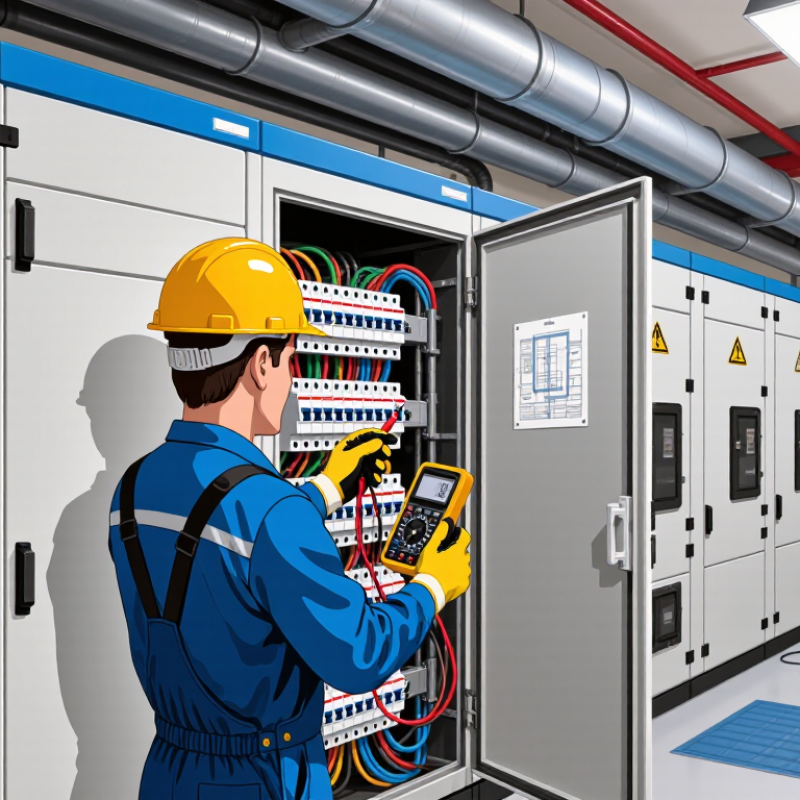
Before installing new distribution equipment, confirm its voltage, phase, fault-current rating, and enclosure match the site design. Isolate the supply, apply lockout/tagout, and verify absence of voltage with a properly rated tester. Labels matter. Check clearances and cable routes before lifting the panel into place; a tight bend can strain insulation or terminals. Secure the enclosure, make grounding and bonding connections, and terminate conductors using the specified preparation and torque values. Use a calibrated torque tool, not guesswork. NFPA’s Home Electrical Fires report estimates that U.S. fire departments responded to an average of 24,200 home fires involving electrical distribution or lighting equipment each year from 2015 to 2019. That figure is a useful reminder: neat workmanship alone does not prove a safe installation.
After wiring, compare every connection against the approved drawings and check phase identification, grounding continuity, and protective-device settings. Then test. A qualified electrician should perform suitable insulation-resistance and functional tests, following equipment instructions and applicable testing standards. Record readings, settings, and any corrections; future technicians need evidence, not just a closed cabinet. Verify phase sequence and confirm that interlocks and protective devices operate as intended before energizing. Keep people clear during controlled energization, then check for abnormal noise, odor, heat, or alarms. A thermal scan after the system carries load can reveal connections that appear sound but run hot. The uncomfortable truth is that a rushed handoff can leave small discrepancies undocumented. Pause, compare the field installation with the drawings, and resolve differences before service begins.
How to Upgrade an Electrical Distribution System Safely?
New Distribution Equipment Installation and Connection Verification
The chart shows typical commissioning verification results for a low-voltage distribution upgrade.
Checks include equipment installation, conductor termination, torque verification, insulation resistance,
phase sequence, and protective bonding continuity. All connections should be de-energized during installation
and verified against the approved design, applicable electrical codes, and the equipment manufacturer’s requirements.
Test, Document, and Commission the Upgraded System
How to Upgrade an Electrical Distribution System Safely?
Test, document, and commission every change as if it will be inspected years later. In field work, I have seen a correct installation fail because one protection setting remained undocumented. Before energizing, technicians should verify conductor insulation, grounding continuity, phase rotation, torque values, and breaker operation. Use calibrated instruments, record serial numbers, and attach test results to the panel schedule.
Test before energizing.
Protection studies also need revision. Confirm short-circuit ratings, coordination settings, and arc-flash labels against the upgraded configuration. IEEE 1584-2018 provides recognized methods for arc-flash incident-energy calculations. NFPA 70B emphasizes a documented electrical maintenance program, not informal memory.
Labels matter. A faded label can mislead a trained worker.
Commissioning should follow a written sequence. Check each feeder without load, then under controlled load. Compare measured voltage, current, and temperature with design values. Uptime Institute’s 2023 Annual Outage Analysis reported that 55% of surveyed outages cost more than $100,000, showing why small testing gaps deserve attention. Keep signed witness records, photographs, settings files, and corrective-action logs.
A failed test is useful evidence. My own weak point is assuming a neat drawing proves field accuracy; it does not. Independent review remains worthwhile, especially after late cable changes or replacement equipment.
Conclusion
How to upgrade an electrical distribution system safely begins with a thorough assessment of the existing equipment, its condition, capacity, and operating requirements. This review helps identify limitations, potential hazards, and the improvements needed to support current and future electrical loads. From there, define the project scope and choose equipment that is compatible with the system and its intended use.
Before work begins, establish clear safety controls, coordinate qualified personnel, and follow applicable electrical codes and site procedures. Install the new distribution equipment according to the approved plan, carefully verifying connections and protective devices. Once installation is complete, test the system under appropriate conditions, correct any issues, and document the results. A final commissioning review confirms that the upgraded system operates as intended and provides a reliable basis for future inspection and maintenance.

 SN Electrical