Power distribution boxes play a crucial role in electrical systems. They ensure safe and efficient management of electrical energy. Understanding what are the different types of power distribution boxes is essential for building and maintenance professionals.
These boxes vary in design and function. Each type serves a specific purpose and is suited for different applications. For example, some may prioritize safety features, while others focus on capacity and efficiency. Knowing the nuances can prevent costly mistakes in installation or operation.
Many users underestimate how vital it is to select the right box for their needs. A mismatch can lead to performance issues. It's worth noting that not all power distribution solutions are created equal. Proper research and understanding are necessary before making a choice. This guide provides essential tips to navigate the complexities of power distribution boxes effectively.
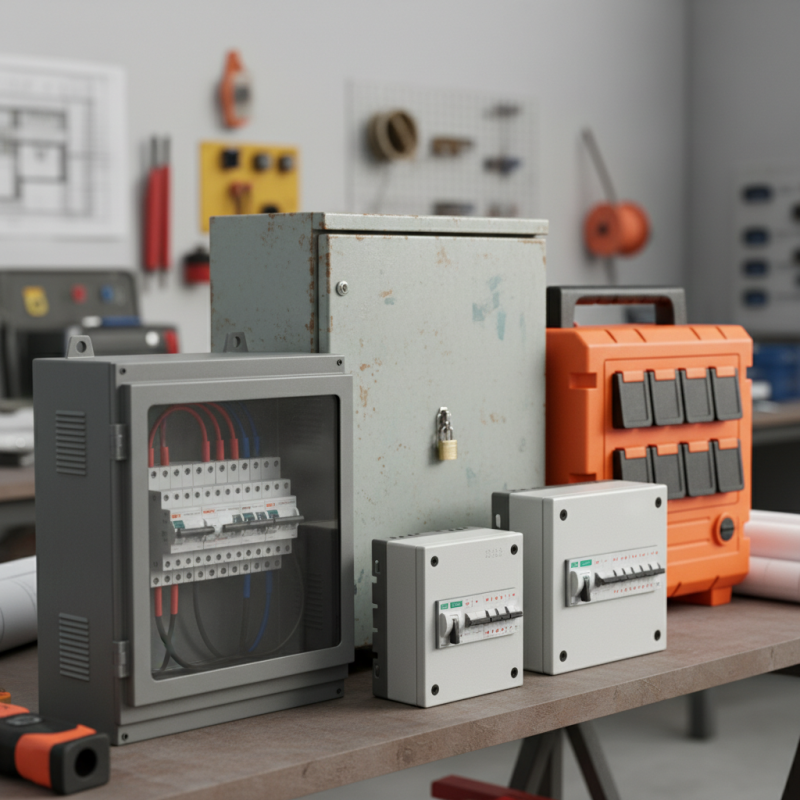
Power distribution boxes (PDBs) are essential for various industrial applications. They help manage electricity flow in a safe and organized manner. Different types of PDBs serve specific needs depending on the environment and voltage levels. Common types include wall-mounted boxes, modular units, and outdoor enclosures.
When selecting a power distribution box, it’s crucial to assess its application. For example, modular units are versatile. They can adapt easily to system changes. Wall-mounted boxes are suitable for limited space but may not offer the same scalability. Outdoor enclosures protect against harsh weather conditions. This needs to be a strong consideration for any installation.
Consider these tips: Regular inspections can reveal wear and tear. Use at least three different types of protective devices to safeguard circuits. Ensure the box is installed by a qualified electrician to avoid unsafe practices. Being vigilant about installation and maintenance enhances safety. Ignoring these factors can lead to costly issues. In the end, the choice of a PDB should align with both current and future electrical needs.
This bar chart illustrates the applications of various types of power distribution boxes in industrial settings. Each type is represented along with its typical application frequency in percentage, showcasing the importance of choosing the right distribution box for specific needs.
When selecting a power distribution box, several key factors come into play. The first consideration is the intended application. Different environments may require unique features. For example, outdoor settings often need weatherproof designs. Meanwhile, indoor installations can focus on aesthetics and efficient space usage.
Next, assess the current capacity needed for your specific setup. Power distribution boxes come in various configurations. Understanding your load requirements is critical. Oversizing can lead to increased costs, while undersizing may result in performance issues. Moreover, consider safety features like circuit breakers and surge protectors. These elements ensure reliability and protection against electrical faults.
Durability is another essential factor. The materials used in the box construction affect longevity. Corrosion-resistant options are suitable for harsh environments. It’s valuable to evaluate the ease of installation and maintenance. Complex setups can cause delays and frustration. Choose a box that allows for straightforward access. Remember to factor in future expansion needs as well. Flexibility in design can save time and resources down the line.
When it comes to power distribution equipment, safety standards and regulations are paramount. The National Fire Protection Association (NFPA) highlights that electrical failures cause around 47,000 fires annually in the United States. Adhering to safety standards can drastically reduce these risks. Professionals must ensure devices are certified by reputable organizations, such as Underwriters Laboratories (UL) or the International Electrotechnical Commission (IEC).
Proper installation and maintenance of power distribution boxes can further enhance safety. This means regularly inspecting connections and insulating materials. Poor installation can lead to electrical hazards, resulting in downtime and financial loss. According to industry reports, about 15% of electrical failures stem from incorrect setup.
Consulting best practices can bolster safety. First, always verify voltage requirements before installation. Second, ensure all equipment is grounded properly. Regularly educate your team on safety protocols. This proactive approach cultivates a culture of safety and compliance. Remember, overlooking these aspects can lead to serious consequences. As technology evolves, professionals must stay abreast of new regulations to ensure continued safety and reliability.
Regular maintenance is crucial for ensuring optimal performance of power distribution boxes. Inspecting connections and terminals for corrosion or wear should be routine. Corrosion can lead to poor conductivity, resulting in overheating. Keeping the box clean and free from dust is equally important. Dust accumulation can trap heat, which diminishes efficiency and increases the risk of failure.
Testing the circuits is another vital practice. Users should regularly check the voltage and current levels. Abnormal readings may indicate underlying issues that require attention. It’s also important to ensure that breakers function properly. Faulty breakers can lead to dangerous situations. Including thermal imaging in inspections can reveal hot spots not easily seen otherwise.
Documentation of maintenance activities is beneficial. This practice helps in tracking the history of the equipment. It can also guide future maintenance and repairs. However, some may overlook this step, assuming verbal communication suffices. In reality, having a written record adds credibility and reliability. Prioritizing these maintenance practices can significantly extend the lifespan of power distribution boxes.
In recent years, the field of power distribution has seen remarkable advancements, driven by technology and changing energy demands. Emerging trends highlight the shift towards smart power distribution solutions. According to a report by Fortune Business Insights, the global smart grid market is projected to reach $61.7 billion by 2026, which signifies a strong inclination toward integrated technologies.
The integration of IoT devices into power distribution systems enhances operational efficiency. This technology allows real-time monitoring and predictive maintenance, reducing downtime. By incorporating data analytics, companies can make informed decisions about energy usage. A study by the International Energy Agency notes that smart grids can reduce energy losses by up to 30%. However, challenges remain. Implementing these technologies is often costly and requires extensive training. Companies must weigh the benefits against these potential drawbacks.
Another important trend is the shift towards renewable energy sources. The use of solar and wind power is increasing. According to the U.S. Energy Information Administration, renewable energy will account for around 25% of U.S. electricity generation by 2025. Adequate power distribution infrastructure is essential to accommodate this shift. Without it, the transition could falter. This highlights the need for innovative distribution boxes designed for varying load demands and energy sources. The interplay between emerging technologies and renewable energy is crucial for developing resilient power distribution networks.
: PDBs manage electricity flow in industries safely and efficiently. They organize and distribute power.
Common types include wall-mounted boxes, modular units, and outdoor enclosures tailored for different environments.
Assess your application. Consider space, versatility, and protection against weather. Evaluate it based on future needs too.
Regular checks reveal wear and tear. They help prevent serious electrical issues and costly repairs over time.
There is a strong shift toward smart solutions and renewable energy. These trends enhance efficiency and sustainability.
IoT devices allow real-time monitoring, reducing downtime. They provide insights that aid in making informed energy decisions.
Renewable energy sources are gaining traction. Adequate infrastructure is needed for wind and solar to ensure smooth energy transitions.
Implementing smart solutions can be expensive. Training staff is often necessary, making initial costs a concern.
Unsafe installation can lead to dangerous situations. It is critical to have qualified electricians handle these tasks.
As energy demands change, power distribution infrastructure needs to adapt. Innovative designs will be essential for resilience.
The article "10 Essential Tips for Different Types of Power Distribution Boxes" explores the various applications and selections of power distribution boxes across different industries. It begins by outlining what are the different types of power distribution boxes and their specific applications, emphasizing the importance of choosing the right type for particular industrial needs.
Key factors to consider when selecting a power distribution box include load capacity, environmental conditions, and installation requirements. Furthermore, the article addresses essential safety standards and regulations that must be adhered to ensure compliance and safety in electrical installations. Maintenance practices are also highlighted as crucial for optimal performance, alongside a discussion of emerging trends in power distribution solutions and technologies, which are shaping the future of electrical distribution systems.

SN Electrical