How to Enhance Electrical Safety with Distribution Boxes?

Time:2026-07-03 Author:Liam
0%

Electrical safety is a critical concern in both residential and commercial spaces. Statistics show that electrical hazards contribute to over 50,000 fires annually in the United States alone, resulting in approximately $1.3 billion in property damage. Given these alarming figures, understanding how to improve electrical safety with distribution boxes is essential. Distribution boxes serve as the heart of electrical systems, distributing power efficiently and safely.

Experts recommend installing high-quality distribution boxes to reduce risks associated with electrical faults. Studies indicate that 75% of electrical incidents stem from poor wiring and overloaded circuits. Distribution boxes can effectively mitigate these hazards. They offer protection against surges, short circuits, and overloads, significantly lowering the likelihood of electrical fires or shocks. However, many installations still lack proper maintenance and oversight, illustrating a critical area for improvement.

Reflecting on current practices, it is evident that while many buildings utilize distribution boxes, awareness surrounding their capabilities and maintenance remains inadequate. Regular inspections and updates can enhance their effectiveness, but these actions are often overlooked. Addressing these gaps becomes imperative to truly ensure safety and reliability in electrical systems. This article will explore practical strategies for enhancing electrical safety with distribution boxes, highlighting their pivotal role in safeguarding environments from electrical hazards.
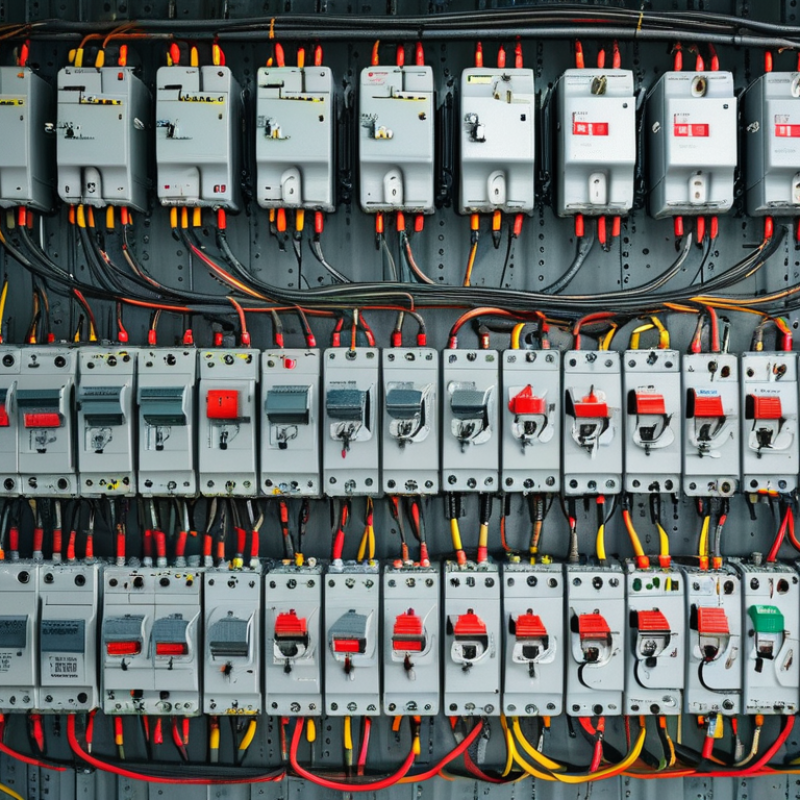
How to Enhance Electrical Safety with Distribution Boxes?

Understanding the Importance of Electrical Safety in Distribution Systems

Electrical safety is a critical concern in distribution systems. Understanding this importance helps prevent accidents and saves lives. Distribution boxes play a vital role in managing electricity flow. They serve as the interface between incoming power and the circuits that deliver electricity throughout a building. Proper installation and maintenance of these boxes are essential in minimizing risks.

A well-designed distribution box reduces the chance of electrical faults. It should include features such as circuit breakers and fuses. These components protect the system from overloads. Installing surge protection devices can further enhance safety. However, not all systems are updated regularly, leaving them vulnerable. Outdated equipment may not meet current safety standards.

Human error also contributes to safety issues. Miswiring, improper grounding, and neglecting maintenance can lead to dangerous situations. Regular inspections are necessary to identify potential hazards. Training staff on safe practices is equally essential. Awareness of electrical risks can significantly reduce accidents and ensure a safer environment for everyone.

Key Features of Safe and Efficient Distribution Boxes

Distribution boxes serve as critical components in ensuring electrical safety. These enclosures protect electrical connections and distribute power to various circuits. Key features of effective distribution boxes include robust insulation and effective grounding. The National Electrical Code emphasizes that the insulation must withstand high voltages, as poor insulation can lead to significant hazards.

Moreover, it is vital to consider the materials used. A report from the International Electrotechnical Commission (IEC) highlights that materials resistant to heat and corrosion greatly enhance safety. Steel and high-impact plastics are often preferred. However, some installations still fall short. Regular maintenance is essential, yet many facilities overlook this. Inspection often reveals wear and tear that could compromise safety.

The design of distribution boxes should also facilitate proper ventilation. Adequate airflow prevents overheating and prolongs equipment life. Research from the Occupational Safety and Health Administration shows that overheating equipment is a leading cause of electrical fires. Furthermore, clear labeling and organization within the box can prevent costly mistakes. Safety is a shared responsibility, and creating awareness around these features is crucial for anyone working with electrical systems.

Best Practices for Installing Distribution Boxes

When installing distribution boxes, safety must always be the priority. Proper grounding is one of the best practices. According to the National Fire Protection Association (NFPA), improper grounding causes about 30% of electrical fires. Grounding helps prevent electrical shock and equipment damage. Always ensure that the grounding wire is securely connected to the distribution box.

Another critical aspect is the location of the distribution box. It should be easily accessible but not prone to moisture or physical damage. The National Electrical Code (NEC) stipulates that boxes should not be installed in damp areas without proper weatherproofing. Installation in a dry area mitigates risks and enhances safety.

Finally, pay close attention to the load capacity of the distribution box. Overloading can lead to overheating. A study by the Institute of Electrical and Electronics Engineers (IEEE) suggests that up to 40% of electrical failures result from overloaded systems. Always check the specifications, and ensure that all circuit breakers are correctly rated. Misalignment in ratings can create significant hazards. Regular inspections are vital for maintaining safety standards.

Regular Maintenance and Inspection for Enhanced Electrical Safety

Regular maintenance and inspection are crucial for ensuring electrical safety in distribution boxes. These components are vital for managing electrical distribution in homes and businesses. Over time, wear and tear can compromise their effectiveness. Dust, moisture, and corrosion can damage connections. This can lead to hazardous situations, such as electrical fires or equipment failure.

Conducting routine inspections helps identify potential risks early. Check for loose connections, signs of overheating, or any unusual noises coming from the box. Regularly clean the interior to remove dust and debris. It is also wise to inspect incoming wires for signs of damage. For many, this is an easy task, yet it is often overlooked, leading to larger issues down the line.

Incorporating professional evaluations into your maintenance routine adds an extra layer of safety. An expert can provide insights that may not be obvious during a DIY check. They can recommend updates to outdated systems, ensuring compliance with current safety standards. Remember, neglect can lead to severe repercussions. Taking proactive steps now can prevent costly repairs and accidents later.

Electrical Safety Enhancement through Regular Maintenance of Distribution Boxes

Regular maintenance and inspections of distribution boxes are crucial for enhancing electrical safety. The chart above illustrates the number of maintenance checks performed each month, highlighting the importance of consistent monitoring and upkeep to prevent electrical hazards.

Upgrading Distribution Boxes: When and Why it Matters

Upgrading distribution boxes is crucial for enhancing electrical safety. These boxes serve as the nerve center of your electrical system. When they are outdated, they can pose serious risks. Old designs may lack protective features, leading to hazards like sparks or short circuits. Upgrading ensures compliance with current safety standards, reducing the risk of electrical fires.

Consider the age of your distribution box. If it’s over a decade old, it’s time to evaluate its condition. Signs of wear, like rust or discoloration, can indicate underlying issues. Regular inspections can reveal problems before they escalate. Investing in a modern distribution box may seem costly upfront. However, the long-term savings on repairs and insurance can be significant. Improper installations and outdated units often lead to increased power interruptions.

Reflect on your electrical needs. Are you expanding your space or adding more appliances? This can strain an old distribution box. Inadequate capacity can lead to frequent tripping of circuit breakers. Look for boxes designed with growth in mind. It’s not just about safety; it’s about ensuring reliability in your electrical system. Upgrading can eliminate frustrations caused by flickering lights and faulty connections.

How to Enhance Electrical Safety with Distribution Boxes?

Dimension Description Importance Upgrade Frequency
Material Quality Use of high-quality, flame-retardant materials Reduces fire risk Every 5 years
Fault Indicators Integration of visual or audible fault indicators Early fault detection As needed
Surge Protection Incorporation of surge protectors Protects equipment from voltage spikes Every 3 years
Circuit Load Management Balancing the load across circuits Prevents overheating and tripping Annually
Accessibility Ensuring easy access for maintenance Facilitates inspections and repairs Ongoing

FAQS

: Why is grounding important in distribution box installation?

: Grounding prevents electrical shocks and reduces equipment damage. It significantly lowers the risk of electrical fires.

Where should I install a distribution box?

The box should be easily accessible and placed in a dry area. Avoid locations prone to moisture and physical damage.

What is the risk of overloading a distribution box?

Overloading can cause overheating, potentially leading to system failures and electrical hazards. Always check load capacity.

How can I tell if my distribution box needs an upgrade?

If it’s over ten years old or shows signs of wear like rust, consider upgrading. Regular inspections help identify issues.

Why is it necessary to comply with safety standards?

Compliance ensures the system operates safely, reducing risks like electrical fires and equipment failures. It's essential for reliability.

How does upgrading a distribution box save money?

Investing in a modern box may seem costly initially. However, it can lower repair costs and insurance premiums over time.

What signs indicate that the distribution box is overloaded?

Frequent tripping of circuit breakers or flickering lights suggests inadequate capacity. Check if it meets your current electrical needs.

Can I install a distribution box in a damp area?

It’s not advisable without proper weatherproofing. Moisture can significantly increase the risk of electrical hazards.

Are old distribution box designs safe?

Many outdated designs lack essential protective features, posing serious risks like short circuits. Upgrading enhances safety.

How often should I inspect my distribution box?

Regular inspections are vital. They help detect problems early, preventing issues from escalating into costly repairs.

Conclusion

In today's world, understanding how to improve electrical safety with distribution boxes is crucial for both residential and commercial applications. Distribution boxes serve as a vital component of electrical systems, facilitating the safe and efficient distribution of electricity. Key features of effective distribution boxes include robust construction, proper labeling, and adequate capacity to handle the load, which collectively enhance safety and functionality.

To ensure electrical safety, it is essential to follow best practices during the installation of distribution boxes, such as adhering to local codes and standards, ensuring proper grounding, and performing regular maintenance and inspections. Upgrading distribution boxes when necessary is also a critical aspect, as it addresses aging infrastructure and evolving electrical needs, ultimately fostering a safer environment. By prioritizing these elements, individuals and organizations can significantly mitigate electrical risks and promote safety in their operations.

Liam

Liam

Liam is a dedicated marketing professional with a profound expertise in the industry, where he excels at highlighting the unique advantages of our core products. With a keen understanding of market trends and consumer needs, Liam frequently updates our company’s professional blog, providing......