Choosing the right power distribution box is essential for effective electrical management. John Smith, an industry expert with over 20 years of experience, emphasizes, "The right box can make all the difference in safety and efficiency." When considering how to choose a power distribution box, professionals often reflect on their specific needs.
Power distribution boxes differ in capacity, features, and design. For instance, identifying the load requirements and your installation environment is critical. Inadequate assessment can lead to inefficiency or safety hazards. Many users fail to conduct thorough evaluations before purchasing. This oversight could result in costly mistakes.
Understanding your options takes time. Factors such as size, material, and weather resistance should be examined. When selecting a box, it’s easy to overlook these vital details. Yet, they play a significant role in longevity and performance. Making informed decisions ensures that your electrical systems run smoothly and safely.
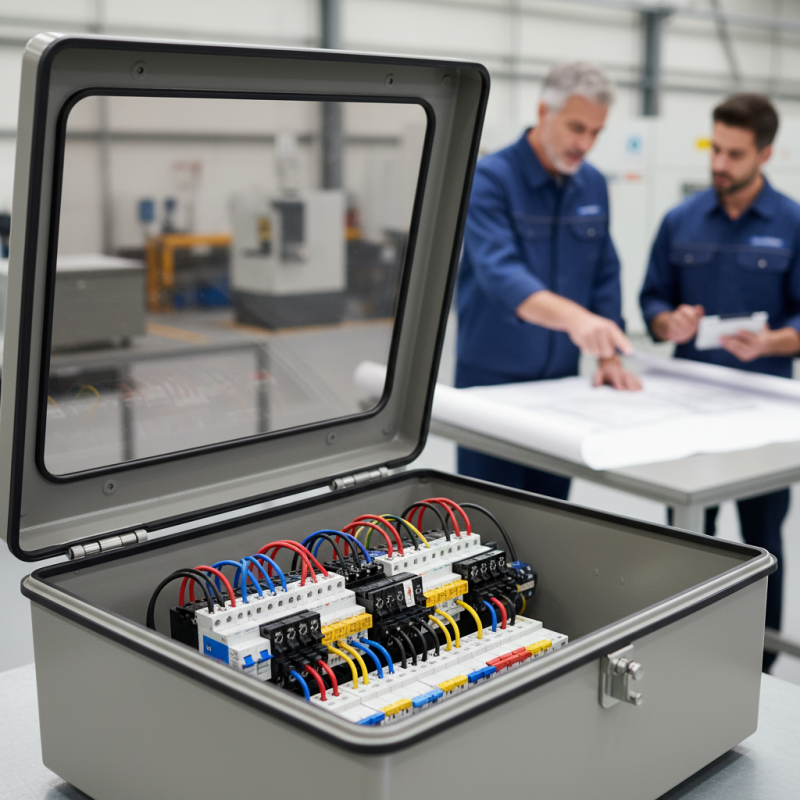
Choosing the right power distribution box requires careful consideration of several key factors. One crucial aspect is the power rating. According to industry standards, a box should support at least 20% more amperage than your maximum requirement. This ensures safety and efficiency, preventing overloads.
Another important factor is the number of circuits needed. A report from the Electrical Safety Foundation International (ESFI) indicates that overloading circuits leads to significant safety hazards. Having enough circuits reduces the risk of tripping breakers or potential fires.
Additionally, consider installation and location. Some boxes are designed for indoor use only. Others can withstand harsh environmental conditions. For outdoor installations, select boxes with appropriate weatherproof ratings. Lastly, always read installation guidelines carefully. This addresses common mistakes, such as improper grounding, which can lead to serious issues down the line.
When selecting a power distribution box, understanding power ratings is essential. Power ratings indicate how much electricity the box can handle safely. It's important to recognize that exceeding these ratings can lead to overheating and equipment damage. The power rating is usually denoted in watts or amps, and knowing your power requirements will guide your choice.
Consider your specific needs. For example, if you plan to power multiple devices, calculate their total wattage. This will help you determine the suitable power rating for the distribution box. Additionally, keep in mind that environmental factors like temperature and humidity can affect performance. The right box should have a margin above your calculated needs for safety.
Don't overlook the importance of certifications. A box with certifications ensures it meets specific safety standards. Make sure to review the product specifications carefully. It's crucial to match the box type and power rating with your application. An unfit choice can result in failures or unsafe conditions. Always reflect on your power demands before making a decision.
When considering a power distribution box, size and space requirements are crucial. Aim to evaluate your available installation area before making a choice. A compact design may seem appealing, but fitting it into a tight space can complicate access for repairs or upgrades.
Measure the dimensions of the intended location carefully. Consider not just height and width, but also depth. Many overlook the depth requirement, leading to installation issues later. Ensure there’s enough room for wiring and ventilation. A well-ventilated box prevents overheating, which is common in overcrowded spaces.
Think about future expansion too. Your needs may evolve, so allow for some extra space. It’s easy to underestimate future requirements. A slightly larger box might save trouble down the line. Additionally, a clear installation plan helps avoid mistakes. Ignoring these details can lead to frustration and wasted resources. Having a well-defined area means better organization and easier maintenance overall.
When selecting a power distribution box, safety standards and certifications are crucial. Many distribution boxes adhere to global safety regulations, like IEC 61439 or UL 67. According to a report by the International Electrotechnical Commission (IEC), over 30% of electrical failures stem from equipment that lacks proper certification. This underscores the importance of compliance when choosing a distribution box.
Before purchasing, assess the certifications your selected box holds. Look for evidence of compliance with recognized standards. Often, testing laboratories will feature their logo on the box, indicating a rigorous evaluation process. It’s not just about aesthetics; the right certification can significantly reduce risks associated with electrical fires or equipment malfunctions.
Tip: Research online databases for verified distribution box certificates. This step can save time and money on potential replacements due to non-compliance. Consider asking manufacturers for documentation before finalizing your choice. Always prioritize boxes with multiple certifications. This approach offers an extra layer of assurance regarding safety and reliability in diverse conditions.
When selecting a power distribution solution, cost-effectiveness often takes center stage. You might consider the upfront costs versus long-term savings. A more expensive option may offer better durability and efficiency. However, cheaper solutions can sometimes lead to increased maintenance costs. Ensure you assess the total cost throughout the product's lifespan.
Different power distribution boxes have varying initial costs. Some may be easy to install, requiring minimal labor. Others might offer advanced features, which increase price but could optimize power management. Think about your specific needs and evaluate how different options improve overall energy efficiency. Some solutions also offer warranties that could save money down the line.
It's essential to look beyond just the initial price tag. Consider the expected lifespan and performance. Reflect on your situation and the environment where you will use the power distribution box. The right choice for one scenario might not work well in another. The balance between upfront cost and long-term savings often needs serious thought.
: The power rating should exceed your maximum requirement by at least 20%. This ensures safety and prevents overloads.
Having enough circuits is essential. It reduces the risk of tripping breakers and minimizes fire hazards.
No, some boxes are for indoor use only. For outdoor use, choose boxes with appropriate weatherproof ratings.
The installation environment impacts box performance. Indoor and outdoor boxes are designed for different conditions.
Measure all dimensions: height, width, and depth. Ensure enough space for wiring and ventilation to avoid overheating.
A compact box may look good, but it can hinder access for repairs or upgrades, complicating future maintenance.
Allow for extra space in the box. It’s easy to underestimate future requirements, so plan ahead for expansion.
Improper grounding is a common issue. Always read installation guidelines carefully to prevent serious problems.
Good ventilation prevents overheating, especially in crowded spaces. Ignoring this can lead to equipment failure.
A clear installation plan can avoid mistakes. It leads to better organization and easier maintenance in the long run.
Choosing the right power distribution box requires careful consideration of several key factors. First, you must understand the power ratings and their significance, as these ratings determine how efficiently the box can handle electrical loads. Next, evaluating the size and space requirements is crucial for ensuring a proper fit during installation. Additionally, it's essential to assess safety standards and certifications to guarantee that the distribution box meets necessary regulations. Finally, comparing the cost-effectiveness of different power distribution solutions can help you make an informed decision that aligns with your budget and needs. By following these guidelines on how to choose a power distribution box, you can ensure optimal performance and safety for your electrical system.

SN Electrical