When it comes to power distribution boxes, choosing the right materials is crucial. Understanding what materials are used in power distribution boxes can greatly impact their efficiency and durability. According to Dr. Emily Foster, an expert in electrical engineering, “The choice of materials directly influences the operational safety and lifespan of power distribution systems.”
Power distribution boxes must withstand various environmental conditions. Materials like galvanized steel, aluminum, and thermoplastics are commonly used. Each material offers unique benefits and certain limitations that must be considered. For example, galvanized steel provides durability but can corrode in harsh weather. Conversely, thermoplastics are lightweight and resistant to corrosion but may not support heavy loads.
Professionals in the field often encounter challenges with material selection. Sometimes, materials that seem suitable may fall short in specific applications. Questions linger about long-term performance and reliability. Decision-makers must weigh these factors diligently. Understanding the consequences of material choices can prevent costly failures. This process is not easy, and sometimes there may be more questions than answers.
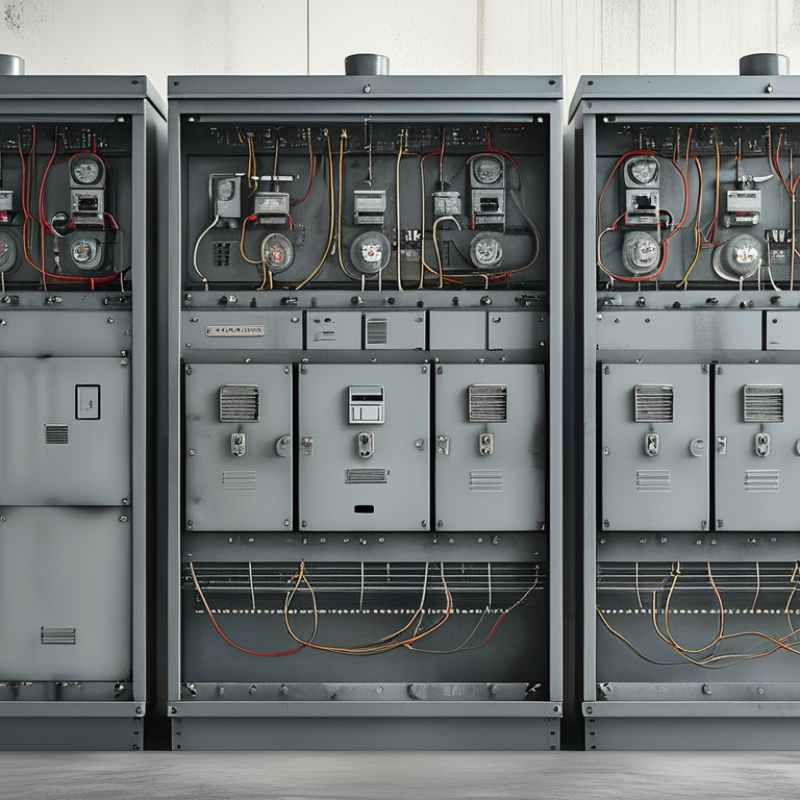
Understanding the Function and Importance of Power Distribution Boxes
Power distribution boxes play a crucial role in electrical systems. They manage and distribute electricity safely and efficiently. Understanding their function helps ensure a stable power supply. These boxes protect electrical circuits. They prevent overloads and short circuits. This is vital in residential and commercial settings.
Choosing the right materials for these boxes is essential. The materials must withstand environmental conditions. For example, metal boxes offer durability. Plastic may be lighter but less robust. Selecting the wrong material can lead to failures. Inadequate protection could cause equipment damage or safety hazards.
It's also important to consider installation issues. Improperly installed boxes can negate their benefits. Many times, novices overlook this. Regular maintenance is key. Assessing these boxes often ensures they work as intended. The right choice of materials contributes to their longevity. However, not all options are flawless. Each choice has trade-offs. Careful consideration of these factors is necessary to optimize performance.
Identifying Key Factors in Material Selection for Electrical Safety
When selecting materials for power distribution boxes, safety should be the top priority. The right materials can significantly impact the lifespan and reliability of electrical systems. According to a report by the International Electrotechnical Commission (IEC), improper material choices can increase risks of failures by up to 30%. Identifying the right insulation and enclosure materials is crucial for ensuring electrical safety.
Thermal resistance is a key factor in material selection. Materials that can withstand high temperatures, such as heat-resistant plastics or specialized composites, are preferable. Heat can degrade insulation over time, leading to potential arc faults. A study conducted by the National Fire Protection Association (NFPA) indicates that 20% of electrical fires are linked to faulty materials. This highlights the need for thorough research when choosing components.
Environmental factors shouldn’t be ignored. Conditions such as humidity or exposure to chemicals can affect material performance. A report from the Institute of Electrical and Electronics Engineers (IEEE) states that corrosion due to moisture can weaken metal enclosures, making them vulnerable. Regular inspection and maintenance are essential, but reliance solely on these measures may not suffice. Finding the right balance in material durability and environmental resilience is key.
Exploring Common Materials Used in Power Distribution Boxes
When selecting materials for power distribution boxes, understanding common materials is crucial. Metal, such as steel or aluminum, is often used for its durability and strength. These materials can withstand harsh conditions. However, they may not be the best choice for every situation due to their potential for corrosion.
Plastic is another popular option. It offers good insulation and is lightweight. Many power distribution boxes use thermoplastics for their cost-effectiveness. However, not all plastics can handle high temperatures or impact. This limitation can affect their long-term reliability.
Fiber-reinforced composites are gaining attention too. These materials combine strength and lightweight properties. Yet, they can be expensive and less familiar to some manufacturers. It’s important to weigh the benefits and potential drawbacks of each material carefully. Choosing the right one can greatly influence performance and safety.
How to Choose the Right Materials for Power Distribution Boxes?
| Material Type |
Properties |
Applications |
Advantages |
Disadvantages |
| Steel |
High strength, durable, corrosion-resistant (coated) |
Industrial applications, outdoor environments |
Exceptional toughness, long lifespan |
Weight can be a concern, potential for rust |
| Aluminum |
Lightweight, good electrical conductivity, corrosion-resistant |
Residential and commercial installations |
Easier to handle, good thermal conductivity |
Less durable than steel, can deform under stress |
| Polycarbonate |
Transparent, impact-resistant, light |
Enclosures, various electrical devices |
High impact resistance, good flexibility |
UV degradation potential, less fire resistance |
| Fiberglass |
Corrosion-resistant, lightweight, non-conductive |
Outdoor utility installations, chemical environments |
Inherent insulation properties, durability |
More expensive than standard materials |
Evaluating Durability and Environmental Resistance of Materials
When selecting materials for power distribution boxes, durability and environmental resistance are crucial. The choice of materials can significantly impact their lifespan and overall performance. Reports indicate that many distribution boxes fail due to inadequate material properties. For instance, polycarbonate and fiberglass are popular for their resistance to UV radiation and impact. However, they may not withstand extreme temperatures as effectively as metals.
It's essential to consider the specific conditions in which the distribution box will operate. For example, environments with high humidity or exposure to corrosive substances require additional protection. According to industry studies, stainless steel offers superior resistance to corrosion, outperforming typical aluminum in coastal regions. This is particularly important for ensuring long-term functionality and safety.
Tips: Always check the material specifications against local environmental conditions. It’s beneficial to consult with industry experts for tailored advice. Regular maintenance can help identify any potential early failures. Additionally, avoid overestimating the materials' resistance; some may degrade faster than expected under constant stress.
Selecting the right materials requires a balance between performance and cost. Relying solely on lower costs can lead to greater long-term expenses. Focus on durability and consider the repercussions of material choices on the environment to make informed decisions.
Assessing Cost-effectiveness and Sustainability in Material Choices
Choosing the right materials for power distribution boxes involves a careful evaluation of cost-effectiveness and sustainability. Many companies source materials based on initial pricing, often overlooking long-term costs. A recent industry report shows that materials like aluminum and steel can offer a better return on investment due to their durability. Though they may have a higher upfront cost, these materials often outlast cheaper alternatives, reducing replacement frequency.
Sustainability is another crucial factor. Research indicates that sustainable materials can significantly lower a product’s environmental footprint. For instance, recycled materials can reduce energy usage during manufacturing by up to 75%. It suggests that while the choice of materials may seem straightforward, the long-term implications on the environment and cost are significant. Adopting sustainable practices may be challenging, but they align with increasing regulatory demands and consumer preferences for eco-friendly products.
Ultimately, the decision should balance cost and sustainability. Investing in high-quality materials now could save money in the long term. Organizations often struggle with this balance. They may feel pressured by immediate costs without considering future expenses related to maintenance and environmental impact. This reflection is essential for making informed choices in power distribution box materials.
FAQS
: They manage and distribute electricity safely and efficiently.
The materials need to withstand environmental conditions to ensure safety and longevity.
Inadequate protection can lead to equipment damage or safety hazards over time.
It can negate the benefits, leading to potential failures or safety issues.
Polycarbonate and fiberglass are popular for their durability but may have temperature limitations.
Areas with humidity or corrosive substances need special materials for protection.
Regular maintenance and consultations can help identify issues before they become severe.
Some materials degrade faster than expected under constant stress, so caution is needed.
Focusing only on low costs may lead to higher long-term expenses due to failures.
Balance performance, cost, and environmental impacts for informed decisions.
Conclusion
Power distribution boxes play a crucial role in managing the distribution of electrical power safely and efficiently. Understanding their function emphasizes the importance of selecting the right materials for construction. When choosing materials, it is essential to identify key factors that ensure electrical safety, including insulation properties and resistance to environmental conditions. Common materials used in power distribution boxes include metal for strength and durability, as well as various plastics known for their insulating properties.
Furthermore, evaluating the durability and environmental resistance of these materials is vital to ensure longevity and performance under various conditions. Cost-effectiveness and sustainability are also significant considerations, as they can impact the overall lifecycle and environmental footprint. Ultimately, understanding what materials are used in power distribution boxes will enable better decision-making to enhance safety and efficiency in electrical systems.

 SN Electrical