In the electrical engineering sector, understanding "what is the difference between a distribution box and a control panel" is crucial. Expert John Smith, a senior engineer at Tech Innovations, states, “The distinction lies in their functions and applications in electrical systems.” Distribution boxes primarily facilitate power distribution and circuit protection, while control panels are essential for monitoring and controlling electrical systems.
According to a 2022 industry report by the Electrical Contractors Association, the global market for distribution boxes reached $1.5 billion. The report highlights a growing trend in control panels, projected to increase by over 15% by 2025. This growth emphasizes the need for clarity in these components' roles.
Despite their clear differences, many professionals misunderstand their functions. It's important to reflect on how improper applications can lead to inefficiencies. As technologies evolve, understanding these differences becomes more critical than ever. Proper application ensures safety and efficiency in the electrical infrastructure.
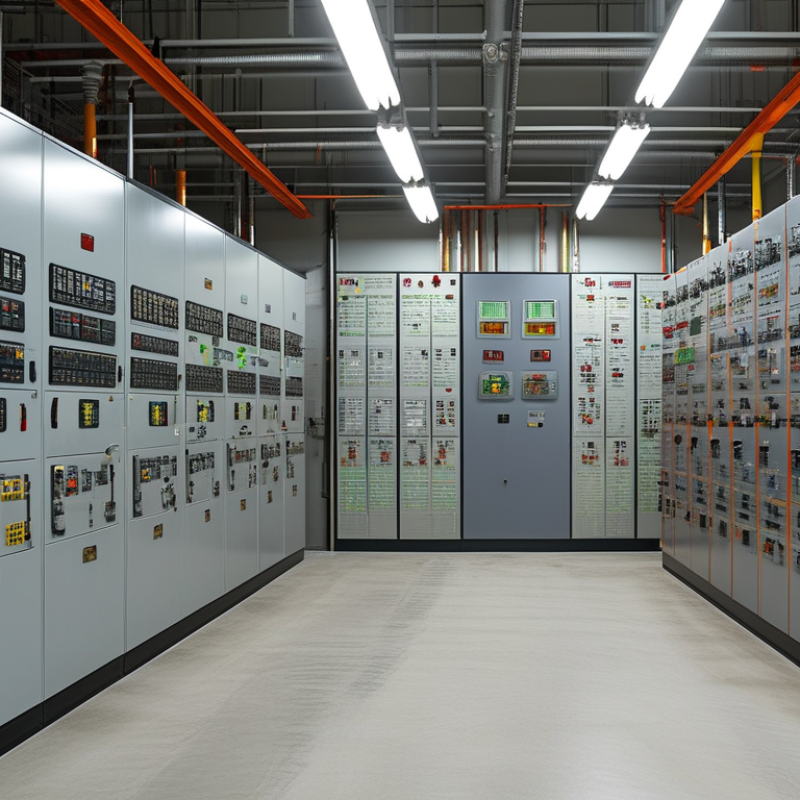
A distribution box is a crucial component in electrical systems. It connects multiple circuits to a single power source. Typically made from durable materials, it shields the wiring from damage. This enclosure often has several fuses or circuit breakers inside, ensuring overcurrent protection.
The primary function of a distribution box is to distribute electricity safely. It directs power to various circuits in homes and buildings. When electrical issues arise, technicians often inspect the distribution box. They look for signs of wear or damage. Safety is paramount; a faulty box can lead to severe accidents. Regular maintenance is essential to ensure reliability.
In contrast, a control panel manages and controls electrical equipment. While both serve different functions, they work together in many systems. Understanding these differences helps in selecting the right components for specific applications. It's important to weigh both options carefully. Reflection on their roles can lead to better electrical design and safety measures.
Control panels play a crucial role in electrical systems. Understanding their components is essential for efficient operation. A control panel typically includes a power supply, fuses, circuit breakers, and control devices. These components work together to manage electrical equipment and monitor performance.
One critical element is the microcontroller. It processes signals and executes commands. Additionally, relays help control larger loads by enabling low-power signals to manage high-power devices. It is essential to choose quality components for reliability. Poor quality can lead to failures and hazards.
Tip: Regular maintenance checks can extend the life of control panels. Inspect connections and replace worn parts to prevent malfunction.
Another component to consider is the indicator lights. They provide essential feedback about the system’s status. Having visual indicators can simplify troubleshooting. It's important to address any issues as they arise to avoid complex problems down the line.
Tip: Document your control panel design and modifications. This documentation can be invaluable for future maintenance or upgrades.
Distribution boxes and control panels serve crucial roles in electrical systems. They often get confused due to their overlapping functions. However, their design and purpose vary significantly. Distribution boxes are primarily designed to house circuit breakers and protect electrical circuits. They manage electrical flows safely and efficiently. Control panels, on the other hand, offer a central interface for controlling and monitoring various electrical devices. They provide operators with real-time insights into the system's performance.
The materials and design of these two components reflect their distinct functions. Distribution boxes are typically constructed from sturdy materials like metal or plastic to withstand environmental conditions. Control panels require a more sophisticated design, often equipped with digital displays and user controls. This difference in complexity means that control panels may incorporate programmable logic controllers, while distribution boxes usually do not.
Mistakes can happen when selecting between the two. Some may choose a distribution box for control purposes, leading to system inefficiencies. On the flip side, using a control panel where a simpler distribution box is sufficient may involve unnecessary costs and complications. Understanding these differences is essential for optimal system design. Balancing functionality, safety, and cost is a challenge in electrical engineering that requires careful consideration.
| Feature | Distribution Box | Control Panel |
|---|---|---|
| Purpose | Distributes electrical power to various circuits | Controls and monitors electrical systems |
| Components | Breakers, fuses, terminal blocks | Relays, timers, display panels |
| Installation | Usually wall-mounted, accessible | Often installed in control rooms or panels |
| Monitoring | Minimal monitoring capabilities | Advanced monitoring and control features |
| Common Usage | Residential and commercial buildings | Industrial automation, machinery control |
| Size | Compact, designed for electrical connections | Varies, often larger due to complex components |
When discussing electrical distribution equipment, standards and regulations play a crucial role. In the realm of distribution boxes and control panels, understanding these standards is vital. These devices must meet safety requirements to ensure reliable operation. National and international standards dictate material quality, electrical performance, and safety measures. Certifications from recognized bodies can enhance trust in the equipment.
Distribution boxes serve as hubs for electrical connectivity, while control panels manage electrical systems. Regulations often outline specific installation practices. This ensures proper functionality and minimizes risks. Compliance with electro-technical standards helps avoid hazards. Yet, not all equipment fully adheres to these guidelines. This can lead to failures or malfunctions.
Reviewing the documentation of electrical components is crucial. Manufacturers must provide evidence of compliance with relevant standards. However, inconsistencies in documentation can raise questions. Potential buyers should remain vigilant. Understanding industry standards empowers users to make informed choices. A careful approach can help mitigate risks associated with non-compliant equipment.
In recent years, the distribution box and control panel market in China has seen significant transformations. Innovations focus on improved safety features and user-friendly designs. Many companies are adopting smart technologies for better monitoring and control. These changes reflect the growing demand for efficiency and reliability in electrical systems.
Sustainability is also a trending topic. Many manufacturers are seeking to use eco-friendly materials. This shift marks a positive direction, but challenges remain. Not all companies are fully adapting to these practices. There are still gaps in understanding how to implement these technologies effectively.
User feedback is vital for continuous improvement. Some users report that product information can be overly technical. Simplifying this could enhance customer trust. The industry needs to focus on educating customers about their products. Reliable guides and resources are essential for consumers to make informed choices.
: Standards ensure safety and reliability. They dictate material quality and performance.
Distribution boxes connect electrical circuits. Control panels manage and monitor electrical systems.
Check for certifications from recognized bodies and review manufacturer documentation.
Non-compliant equipment can fail or malfunction, posing safety hazards.
Yes, innovations focus on safety and smart technologies for better efficiency.
Manufacturers are shifting to eco-friendly materials, but not all have adapted fully.
Feedback can guide manufacturers to simplify product information and enhance trust.
There are gaps in effective implementation of new technologies among some companies.
Customer education leads to informed choices and reduces confusion about complex features.
Buyers must verify compliance with standards and seek user-friendly, reliable designs.
The article "China Top 10 Distribution Box vs Control Panel: What is the Difference" explores the fundamental distinctions between distribution boxes and control panels used in electrical systems. Distribution boxes primarily serve as a conduit for electricity distribution, ensuring safe and efficient distribution of power to different circuits within a building. They house essential protective devices and circuit breakers, playing a critical role in managing electrical loads.
In contrast, control panels are instrumental in monitoring and controlling the operation of various electrical systems. They typically include control devices, indicators, and interfaces for interaction. By conducting a comparative analysis, the article highlights what is the difference between a distribution box and a control panel, emphasizing their unique functions. Additionally, it reviews industry standards and current trends, showcasing innovations in these essential components of electrical infrastructure in China.
SN Electrical