The selection of a distribution box for industrial use is crucial. A well-chosen box enhances safety and efficiency. According to a report by the National Electrical Manufacturers Association (NEMA), poorly selected distribution boxes can lead to significant project delays and safety hazards. This data underscores the importance of thoughtful selection processes.
Expert in electrical engineering, Dr. James Thornton, emphasizes, "Choosing the right distribution box can prevent costly downtime." His insights highlight the need for careful consideration in industrial applications. Factors such as load capacity, environmental conditions, and future scalability play critical roles.
In this journey of how to select a distribution box for industrial applications, it's vital to weigh the specific needs of your project. Often, companies rush into decisions without adequate analysis. This can result in mismatched equipment. A thorough approach will lead to better outcomes and enhanced operational reliability.
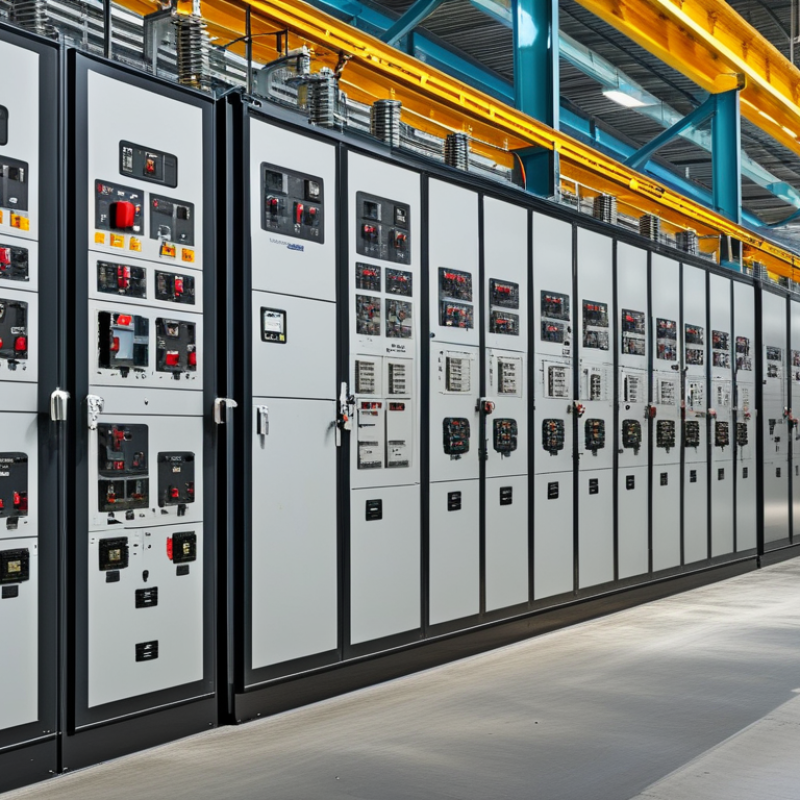
In industrial applications, a high-quality distribution box plays a crucial role. It ensures the safe and efficient distribution of electrical power. When power is distributed properly, machinery operates smoothly, reducing downtime. A reliable distribution box minimizes the risk of electrical failures, which can lead to costly interruptions. Proper selection also enhances safety for workers who rely on stable power sources.
Choosing the right distribution box involves considering several factors. Look for protection ratings suitable for your environment, such as dust and moisture resistance. Materials must withstand harsh conditions often found in industrial settings. Unfortunately, not all options provide adequate durability. Some businesses overlook these aspects, leading to potential hazards.
Regular inspections and maintenance are vital. Even the best distribution boxes can falter over time. Monitor their condition and replace if necessary. Ignoring this can lead to serious consequences. Quality and careful selection of a distribution box are not just operational decisions; they are critical for safety and reliability in industrial settings.
| Feature | Importance | Considerations |
|---|---|---|
| Material | Durability and resistance to environmental factors | PVC, metal, stainless steel options |
| IP Rating | Protection against dust and water ingress | Choose IP65 or higher for harsh environments |
| Load Capacity | Ensures safe operation of electrical components | Match with equipment specifications |
| Size | Adequate space for wiring and future upgrades | Plan for current and potential future use |
| Certification | Compliance with industry safety standards | Look for UL, CE, or other relevant certifications |
: It ensures safe and efficient power distribution, reducing downtime and minimizing electrical failure risks.
Consider protection ratings, material durability, load capacity, and resistance to dust and moisture.
Over 30% of industrial electrical failures stem from poor equipment choice, leading to safety risks and inefficiencies.
Regular inspections are vital. Monitor their condition and plan replacements to prevent serious consequences.
Standards from organizations like the National Fire Protection Association are crucial for safety and compliance.
Engage knowledgeable professionals to prevent costly oversights during the selection process.
Environmental factors like moisture and temperature extremes can impact the reliability and safety of electrical systems.
Yes, neglecting regular maintenance can cause distribution boxes to fail, risking both safety and operations.
Regularly review and verify that your distribution boxes meet updated industry standards for safety and efficiency.
Many businesses overlook the need for adequate durability, leading to potential hazards in industrial settings.
Selecting the right distribution box for industrial applications is crucial for ensuring the safety and efficiency of electrical systems. The article emphasizes the importance of quality distribution boxes, which play a pivotal role in managing electrical distribution within various industrial settings. Key considerations include understanding specific operational requirements, compliance with industry standards and regulations, and evaluating the long-term cost benefits of investing in superior products.
When determining how to select a distribution box for industrial applications, it’s essential to analyze factors such as load capacity, environmental conditions, and the specific needs of the operation. By carefully considering these elements, businesses can enhance safety, comply with regulations, and improve overall system performance, making the choice of distribution boxes a vital investment for any industrial enterprise.

 SN Electrical