7 Best Power Distribution What Is a Power Distribution Box?

Time:2026-10-02 Author:Charlotte
0%

Understanding what is a power distribution box begins with a practical question: how can electrical power reach several devices safely and efficiently? A power distribution box receives electricity from one source, then divides it into controlled circuits. Each circuit may feed lighting, tools, generators, temporary workstations, or industrial equipment. Inside, busbars, terminals, breakers, fuses, and protective devices manage that flow. Think of it as a traffic controller for electricity.

Electrical educator Mike Holt often reminds trainees, “Safety is not an option; it is a requirement.” That principle matters when selecting or using a distribution box. The enclosure must match the voltage, current, phase, environment, and expected load. Outdoor projects may require weather-resistant construction. Construction sites may need ground-fault protection. Industrial rooms may demand stronger enclosures and carefully labeled disconnects. A box that looks sturdy can still be incorrectly rated.

This guide examines seven important power distribution options and their practical uses. It compares portability, protection, capacity, connection methods, and maintenance needs. Real experience matters here. A loose terminal can produce heat, noise, or a burnt smell before failure becomes obvious. Small warning signs should not be ignored.

There is no universal best box. A compact unit may suit a mobile crew, while a larger panel fits a factory floor. Even experienced users can overlook changing loads. Verify specifications, follow local electrical requirements, and involve a qualified professional when installation is uncertain. Reliability begins before the first cable is connected.
7 Best Power Distribution What Is a Power Distribution Box?

What Is a Power Distribution Box?

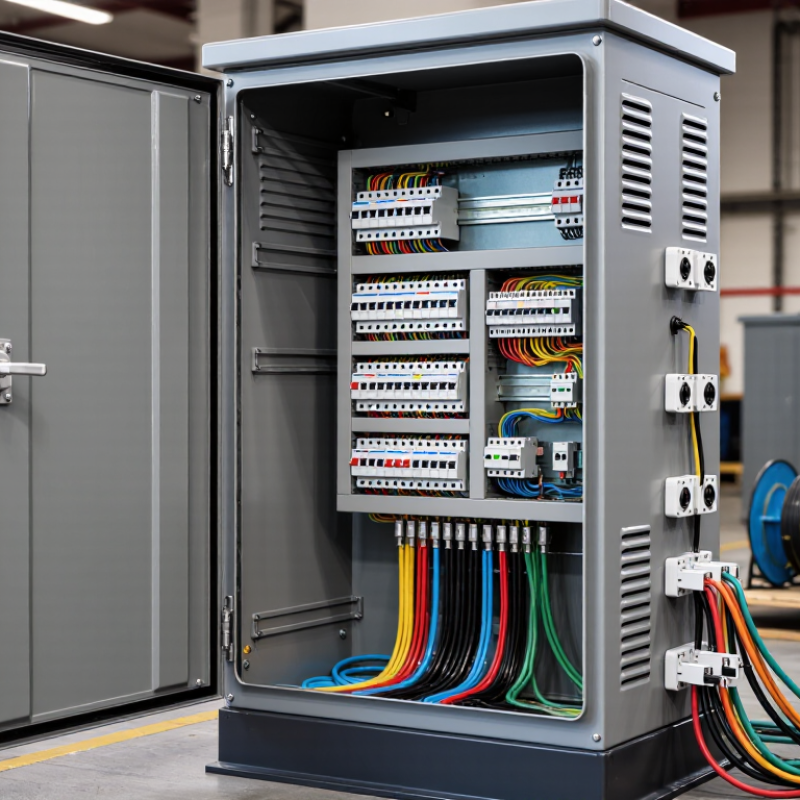
A power distribution box is an enclosed assembly that receives electrical power and divides it among several circuits. It may contain circuit breakers, fuses, busbars, terminals, meters, and isolation switches. In simple terms, it is the controlled junction between a power source and connected equipment. It also limits fault damage by disconnecting overloaded or short-circuited circuits. Small units may serve temporary work areas, while larger systems support factories, construction sites, and commercial buildings.

The International Energy Agency’s Electricity 2024 report projected global electricity demand to grow by about 4% in 2024 and 2025. That growth increases the need for organized, measurable distribution. A suitable box should match voltage, current, phase, frequency, short-circuit rating, and enclosure protection. It should also provide clear circuit labels and safe access for maintenance. Outdoor installations require weather resistance. Dusty locations need stronger ingress protection.

Details matter.

A practical inspection checks loose terminals, heat discoloration, damaged glands, and incorrect grounding. Cable bending space is often overlooked. A box can look tidy and still be undersized. The National Fire Protection Association’s electrical safety guidance emphasizes proper overcurrent protection, grounding, and working clearance. However, calculations alone are not enough. Load patterns change, and future equipment may demand more capacity. Selecting a box with modest spare capacity is usually wiser than forcing every circuit into a crowded enclosure.

How Does a Power Distribution Box Work?

A power distribution box receives electricity from a main source and divides it into several controlled circuits. Inside, busbars carry current across the enclosure, while breakers or fuses protect each outgoing line. When a circuit draws excessive current, its protective device trips or melts. This interruption limits heat, reduces fire risk, and protects connected equipment from serious damage.

In a practical installation, one input may supply separate lighting, socket, motor, and control circuits. Each circuit should match its cable size, expected load, and operating voltage. For example, a workshop box might send power through a 20-amp breaker to tools and a smaller breaker to lighting. Labels make faults easier to locate. Clear labels matter.

The enclosure also manages neutral and grounding connections, although their arrangement depends on the system design and local electrical rules. Proper spacing helps prevent accidental contact and allows heat to escape. A qualified electrician should verify torque, insulation, protection settings, and load balance before energizing the box. A common site lesson is simple: a tidy box can still be unsafe. Loose terminals, undersized conductors, or poor ventilation may remain hidden during a quick visual check. Even reliable calculations need review when equipment changes or circuits expand.

What Are the Main Types of Power Distribution Boxes?

Power distribution boxes route electricity from one incoming source to several protected circuits. Their design depends on location, load, and installation conditions. A box for a quiet office cannot handle the demands of a workshop or outdoor event. Small details matter.

Temporary distribution boxes serve construction sites, maintenance areas, and public events. They usually include circuit breakers, residual-current protection, and multiple outlets. Portable models often have handles, cable glands, and reinforced housings. Outdoor versions need sealed doors and a suitable IP rating against dust and water. They must still stay above standing water. That mistake happens more often than expected.

Residential and commercial distribution boxes are fixed to walls and divide power among lighting, sockets, heating, and equipment circuits. They commonly use a main isolator, branch breakers, and neutral and earth bars. Industrial distribution boxes are larger and support motors, machinery, three-phase loads, or control systems. Some include meters, surge protection, and lockable access. A compact box may look efficient, but cramped wiring can increase heat and maintenance problems. I have seen installations pass a visual check yet lack enough spare capacity for future circuits.

Weatherproof boxes are useful in gardens, farms, workshops, and outdoor service areas. Their enclosure protects internal parts, but cable entries must also be sealed correctly. A qualified electrician should confirm voltage, fault current, grounding, breaker ratings, and local code requirements before energizing any box. Availability is not the same as suitability.

What Features Define the Best Power Distribution Boxes?

The best power distribution boxes combine safety, visibility, and practical control. A strong enclosure should match the site’s dust, moisture, and impact risks. IEC 60529 IP ratings help buyers judge protection against solids and water. However, an IP rating does not replace correct installation or regular inspection.

Reliable boxes also need clearly labeled circuits, secure terminals, overload protection, and enough capacity for future loads. Heat management matters too. Poor ventilation can raise internal temperatures and shorten component life.

The Uptime Institute’s 2024 Annual Outage Analysis reported that 54% of respondents experienced outages costing more than $100,000. That finding makes monitoring valuable. Voltage, current, and temperature displays can reveal problems before a shutdown occurs. Remote alerts may help, but they are not magic. Sensors still need calibration, and alarms can be ignored.

Tips: Choose a box with spare circuit space and readable labels. Confirm its voltage, current rating, grounding method, and enclosure rating. Test residual-current protection according to local requirements. A compact box may look efficient, yet cramped wiring can slow maintenance and create mistakes. Real sites are messier than product sheets suggest. Ask an electrical professional to review the load calculation, cable entry points, and emergency isolation plan before use.

How to Choose and Use a Power Distribution Box Safely

A power distribution box receives electricity from one source and divides it into protected branch circuits. Choosing one safely starts with the electrical load, not the box’s appearance. Check rated voltage, continuous current, phase arrangement, enclosure rating, grounding method, and short-circuit withstand capacity. For assemblies used in low-voltage systems, IEC 61439 provides an important design and verification reference. A suitable enclosure should also match its environment. Dust, rain, heat, and impact can turn a correct-looking choice into a dangerous one.

Safe use is practical and sometimes inconvenient. Inspect terminals, cables, covers, and signs of overheating before energizing the box. Keep the unit dry, provide ventilation, and avoid stacking adapters or exceeding branch-circuit ratings. Disconnect power before opening it, then apply a documented lockout procedure where required. Only qualified personnel should test live circuits or alter internal wiring. The Electrical Safety Foundation, using U.S. Bureau of Labor Statistics data, reported 126 workplace electrical fatalities and 2,220 nonfatal electrical injuries in 2020. Those numbers make routine inspection feel less optional.

Balance loads across circuits and confirm that protective devices coordinate with the connected equipment. Residual-current protection can reduce shock risk, but it does not replace grounding or careful work. I have seen users trust a label too quickly. Labels can be incomplete, especially after field modifications. Record each circuit, test protective devices, and review the setup when equipment changes. A small oversight remains an oversight.

7 Best Power Distribution Options: What Is a Power Distribution Box? How to Choose and Use One Safely

A practical comparison of common power distribution solutions, their applications, ratings, and essential safety considerations.

Distribution Solution Best Use Typical Configuration Key Protection Main Advantages Important Safety Check
1. Basic Power Strip Home offices, low-power electronics, and small work areas Usually several grounded outlets connected to one plug; common household ratings are up to 15 A on 120 V circuits Usually only a resettable circuit breaker or fuse; surge protection may not be included Low cost, compact, and easy to install Do not connect one power strip to another, exceed its marked load, or use it for heaters and other high-wattage appliances unless specifically rated
2. Surge-Protected Power Strip Computers, televisions, networking equipment, and other sensitive electronics Multiple outlets with a transient-voltage suppression device, commonly using metal-oxide varistors Surge suppression, grounding indication, and sometimes thermal or overload protection Helps reduce damage from short-duration voltage surges Check that the protection indicator is active and that the strip is connected to a properly grounded receptacle; it does not replace a circuit breaker or lightning protection system
3. Rack-Mount PDU Server racks, network cabinets, and telecommunications equipment Vertically or horizontally mounted outlet bars; common models support 120 V, 208 V, or 230/240 V systems depending on the installation Circuit-breaker protection; some versions add surge protection, current monitoring, or remote switching Organized cable management and efficient use of rack space Confirm plug type, voltage, phase, breaker rating, outlet format, and total current before connecting equipment
4. Metered or Switched PDU Data centers and equipment rooms that require load monitoring or controlled power cycling Rack-mounted PDU with a local display or network interface; switched models control individual outlets or outlet groups Overcurrent protection plus measurement of current, voltage, power, or energy on supported models Improves capacity planning, troubleshooting, and remote equipment management Set alert thresholds below the circuit limit and verify that remote switching cannot interrupt critical equipment unexpectedly
5. Portable Jobsite Distribution Box Construction sites, maintenance work, outdoor workshops, and temporary power locations Heavy-duty enclosure with an inlet, branch circuit breakers, receptacles, and sometimes GFCI/RCD protection Overcurrent protection and ground-fault protection where required; enclosure ratings vary by model Provides several protected circuits from one temporary supply point Use only with correctly rated cables, keep connections dry, inspect for damaged cords, and use GFCI/RCD protection in damp or outdoor areas
6. Event and Production Distribution Box Stage lighting, audio systems, exhibitions, filming, and temporary events High-capacity input feeding multiple branch circuits; may support single-phase or three-phase distribution Main disconnect, branch breakers, grounding provisions, and ground-fault protection where required by local rules Separates lighting, audio, video, and auxiliary loads for easier control and fault isolation A qualified electrician should verify phase balance, cable capacity, earthing, connector compatibility, and the available fault current
7. Temporary Service Distribution Panel Building sites, temporary facilities, commercial renovations, and larger temporary installations Panelboard with a main disconnect, branch circuit breakers, grounding and bonding provisions, and multiple feeder or receptacle connections Main and branch overcurrent protection; ground-fault or residual-current protection may be required Supports higher loads and provides structured circuit protection Installation, inspection, and maintenance should follow the applicable electrical code and be performed by a licensed or qualified professional
Safe Selection Rule: Choose a distribution box by matching the supply voltage, phase, frequency, maximum current, connector type, enclosure rating, environmental conditions, and required protection. Never exceed the lowest-rated component in the power path, and disconnect power before inspection or maintenance.

Note: Electrical ratings, outlet configurations, grounding requirements, and ground-fault protection rules vary by country, installation type, and local electrical code. Always follow the product label, installation instructions, and applicable regulations.

FAQS

What does a power distribution box do?

It receives electricity from one main source. Then, it divides power into several protected circuits. Busbars carry current inside the enclosure. Breakers or fuses interrupt overloaded lines.

Why are breakers and fuses important?

They stop excessive current before wires become dangerously hot. This can reduce fire risk and equipment damage. Protection may trip or melt. That interruption is the point.

Which circuits can one box supply?

One input can supply lighting, sockets, motors, and control equipment. Each circuit needs suitable cable size and protection. A workshop might use separate breakers for tools and lights. Different loads need different planning.

What should I check when choosing a distribution box?

Check voltage, continuous current, phases, grounding, and short-circuit capacity. Match the enclosure to dust, water, heat, and impact. Leave spare circuit space. A cramped box may save space today, but maintenance becomes harder tomorrow.

How do enclosure ratings help?

An enclosure rating indicates protection from solids and water. It helps compare boxes for damp or dusty locations. However, the rating does not replace proper installation. Water can still enter through poor cable entries.

Why do labels and circuit records matter?

Clear labels help workers locate faults quickly. Record every circuit after installation or modification. Do not trust old labels completely. Field changes can make them incomplete.

How can overheating be prevented?

Use correctly sized conductors and tighten terminals properly. Provide ventilation and avoid overcrowding. Monitoring voltage, current, and temperature can reveal trouble early. Sensors still need calibration.

What inspections are needed before energizing the box?

Inspect cables, covers, terminals, insulation, and signs of overheating. Verify protection settings, grounding, load balance, and terminal torque. Disconnect power before opening the enclosure. Live testing requires qualified personnel.

Does residual-current protection replace grounding?

No. It can reduce shock risk, but grounding remains necessary. Protective devices must match the system and connected equipment. A tidy enclosure can still be unsafe.

Conclusion

This guide explains what is a power distribution box and why it is essential for organizing and controlling electrical power. A power distribution box receives electricity from a primary source, divides it into multiple circuits, and sends power safely to connected equipment. It may include circuit breakers, fuses, terminals, grounding points, and protective enclosures. Common types include temporary jobsite boxes, portable units, stage and event distribution boxes, industrial panels, and specialized low-voltage systems.

The article also highlights the features that define the best power distribution boxes, such as suitable power ratings, reliable overload protection, durable construction, clear labeling, convenient outlets, weather resistance, and easy inspection. When choosing a unit, users should consider voltage, current capacity, number of circuits, environment, portability, and compatibility with their equipment. Safe operation requires checking cables and connections, using proper grounding, avoiding overloads, keeping the box dry when it is not weatherproof, and following local electrical requirements and professional guidance.

Charlotte

Charlotte

Charlotte is a seasoned marketing professional with a deep understanding of the company's portfolio and a passion for elevating its presence in the market. With a keen eye for detail and a commitment to excellence, she ensures that our professional blog is regularly updated with insightful articles......